
Bulky Uterus: Causes, Symptoms, Treatment & Effect on Fertility
If your ultrasound or transvaginal scan says “bulky uterus” or “enlarged uterus,” it is understandable to feel worried. However, a bulky uterus is not a diagnosis by itself. It is a description in which the uterus appears larger than expected on examination or imaging.
The important question is why the uterus is enlarged.
Conditions such as adenomyosis and uterine fibroids are common causes, although other factors may also contribute. Some women with an enlarged uterus have no symptoms and may not need treatment at all. Others may experience heavy periods, pelvic pain, pressure, or fertility problems depending on the underlying condition.
Therefore, if your ultrasound report mentions a bulky uterus, there is no need to panic. Instead, discuss the scan findings, symptoms, age, reproductive plans, and other fertility factors with a qualified gynaecologist or fertility specialist.
What Is a Bulky Uterus?
The uterus (womb) is a muscular reproductive organ located in the pelvis. Its size can vary considerably depending on factors such as age, pregnancy history, hormonal status and individual anatomy.
A bulky uterus generally means that the uterus appears enlarged on pelvic examination or imaging, such as an ultrasound scan. There is no single measurement that defines a bulky uterus for every woman because uterine size varies with age, parity, menopausal status and other factors.
More importantly, the word “bulky” does not tell you the cause.
For example, an enlarged uterus may be associated with:
- Adenomyosis
- Uterine fibroids
- Pregnancy or the postpartum period
- Less commonly, other uterine or pelvic conditions
Transvaginal ultrasound can help doctors assess the uterus, including the uterine muscle and endometrial cavity, and can identify conditions such as fibroids and adenomyosis.
Is a Bulky Uterus Always a Problem?
No.
A bulky uterus does not automatically mean cancer, infertility, or a serious disease.
Some women have an enlarged uterus with few or no symptoms. Treatment depends on the underlying cause, the severity of symptoms, whether fertility is a concern, and the woman’s reproductive plans.
For this reason, the ultrasound finding should be interpreted in the context of the complete clinical picture rather than treated as a diagnosis in itself.
Bulky Uterus Causes
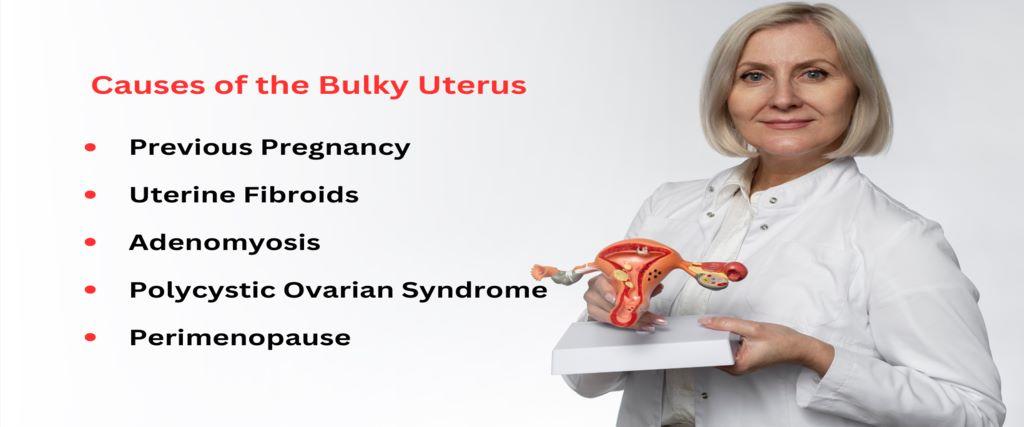
Several conditions can make the uterus appear enlarged. The most important causes include adenomyosis and uterine fibroids.
1. Adenomyosis
Adenomyosis occurs when tissue similar to the endometrium grows into the muscular wall of the uterus. This can cause the uterine muscle to become thickened and the uterus to appear enlarged or “bulky” on ultrasound.
Common symptoms can include:
- Heavy menstrual bleeding
- Painful periods
- Pelvic pain
- Abdominal bloating or heaviness
- Pain during sex
However, some women with adenomyosis have no symptoms at all.
Adenomyosis becomes more commonly diagnosed with increasing age and is particularly seen in women over 30. Previous pregnancy may also be associated with a higher likelihood of the condition.
2. Uterine Fibroids
Uterine fibroids are non-cancerous growths that develop in or around the uterus. They can vary greatly in number, location and size.
Large or multiple fibroids can increase the overall size of the uterus.
Depending on their location and size, fibroids may cause:
- Heavy or prolonged periods
- Painful periods
- Pelvic pressure or pain
- Lower back pain
- Frequent urination
- Constipation or bloating
- Pain during sex
- Difficulty becoming pregnant in some women
However, many fibroids cause no symptoms and do not always require treatment.
3. Pregnancy and the Postpartum Period
The uterus naturally enlarges substantially during pregnancy. After childbirth, it gradually contracts toward its pre-pregnancy size.
Therefore, uterine size needs to be interpreted in the context of pregnancy status and recent childbirth. A uterus that appears enlarged during or shortly after pregnancy should not automatically be labeled abnormal.
4. Other Uterine Conditions
Less commonly, other uterine abnormalities or pelvic conditions may affect uterine size or appearance.
This is why an ultrasound report should be interpreted by a clinician who can assess the uterine shape, myometrium, endometrial cavity, and surrounding pelvic structures, rather than focusing solely on the term “bulky.”

A bulky uterus itself may not cause symptoms. Symptoms usually depend on the underlying condition responsible for the uterine enlargement.
Possible symptoms include:
- Heavy menstrual bleeding
- Prolonged periods
- Painful periods
- Pelvic pain or pressure
- Lower abdominal discomfort
- Bloating or abdominal heaviness
- Lower back pain
- Pain during sexual intercourse
- Frequent urination
- Constipation or difficulty passing stools
- Fatigue related to heavy menstrual blood loss
Adenomyosis, for example, commonly causes painful or heavy periods, pelvic pain, bloating or heaviness, and pain during sex.
Fibroids can also cause heavy or painful periods, pelvic or back pain, urinary symptoms, bowel symptoms and, in some women, difficulty getting pregnant.
When Should You See a Doctor?
You should consider a medical evaluation if you have:
- Very heavy or prolonged periods
- Severe or worsening pelvic pain
- Bleeding between periods or after sex
- Persistent abdominal or pelvic swelling
- Pain during sex
- Difficulty becoming pregnant
- Repeated miscarriage
- An ultrasound report showing a bulky uterus along with other abnormalities
Severe or persistent symptoms should not be ignored.
How Is a Bulky Uterus Diagnosed?
A bulky uterus is usually identified during a pelvic examination or imaging test.
Transvaginal Ultrasound
A transvaginal ultrasound (TVS) is commonly used to evaluate the uterus and ovaries. It can provide information about:
- Uterine size
- Uterine shape
- Thickness and appearance of the uterine muscle
- Endometrial lining
- Fibroids
- Adenomyosis
- Ovaries and surrounding pelvic structures
ASRM notes that transvaginal ultrasound can visualize many uterine conditions, including leiomyomas (fibroids), endometrial polyps, and adenomyosis, which may be relevant when evaluating infertility.
MRI
In some situations, your doctor may recommend a pelvic MRI, particularly when ultrasound findings require further clarification.
MRI can provide additional information about the uterine muscle and may help evaluate suspected adenomyosis or other pelvic conditions.
Additional Fertility Tests
If you are trying to conceive, your doctor may recommend additional investigations depending on your history, such as:
- Ovarian reserve testing
- Hormonal tests
- Semen analysis
- Fallopian tube evaluation
- Assessment of the uterine cavity
- Other infertility investigations
A bulky uterus should therefore be assessed as part of the complete fertility evaluation, not in isolation.
Bulky Uterus and Infertility: Can You Get Pregnant?
Yes, many women with a bulky uterus can become pregnant.
The effect on fertility depends primarily on what is causing the uterus to enlarge.
For example, some fibroids may have little effect on fertility, while fibroids that distort the uterine cavity can be more clinically important.
Similarly, adenomyosis may be associated with fertility difficulties in some women. Current evidence suggests an association between adenomyosis and reduced implantation in certain fertility-treatment populations, although the best treatment approach before embryo transfer is still an area of ongoing research.
Therefore, the phrase “bulky uterus” does not mean “infertile.”
Your fertility specialist will consider:
- Your age
- Menstrual symptoms
- Ovarian reserve
- Ovulation
- Sperm parameters
- Fallopian tube status
- Uterine cavity
- Fibroids or adenomyosis
- Previous pregnancy or IVF history
Can a Bulky Uterus Affect IVF Success?
A bulky uterus does not automatically prevent IVF.
However, if the enlargement is due to a condition such as adenomyosis or fibroids, the underlying condition may need to be evaluated before treatment.
For example, fibroids can sometimes affect fertility depending on their size and location. Adenomyosis has also been associated with reduced implantation and fertility-treatment outcomes in some studies.
The appropriate IVF plan therefore depends on the individual patient.
In some cases, treatment may be recommended before embryo transfer. In others, especially when the patient has no significant symptoms or the uterine cavity is not affected, immediate treatment may not be necessary.
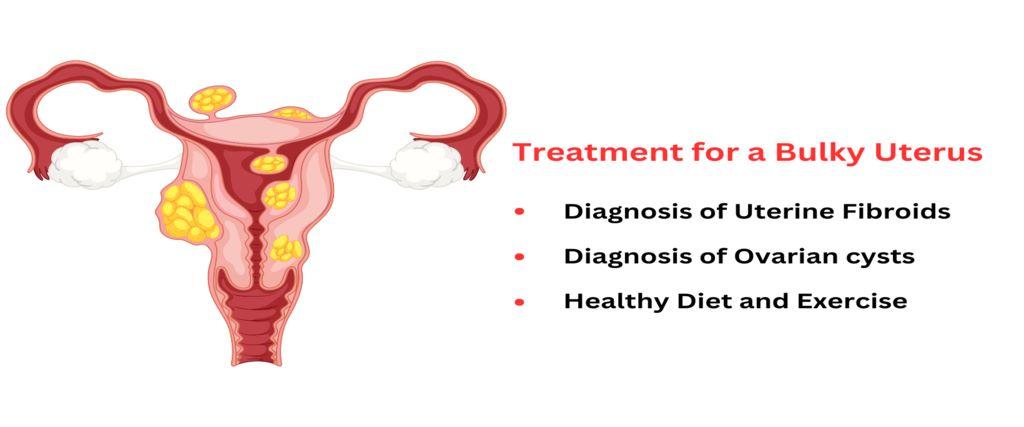
There is no single treatment for a bulky uterus.
Treatment depends on the cause, symptoms, age, fertility plans, and severity of the condition.
Treatment for Uterine Fibroids
If fibroids are small and asymptomatic, treatment may not be necessary.
When symptoms are significant, treatment options may include:
- Pain-relieving medicines
- Medicines to reduce heavy menstrual bleeding
- Hormonal treatments in selected patients
- Myomectomy to remove fibroids
- Other procedures depending on the location and size of the fibroids
The treatment choice is highly individual. Women who want future pregnancy require a different treatment discussion from those who have completed their family.
Treatment for Adenomyosis
Treatment for adenomyosis depends on symptoms and reproductive goals.
Depending on the individual situation, doctors may consider:
- Pain-relieving medicines
- Medicines to reduce heavy menstrual bleeding
- Hormonal treatment
- An intrauterine system in appropriate patients
- Other specialist treatments
- Surgery in selected severe cases
A hysterectomy removes the uterus and therefore ends the possibility of carrying a future pregnancy, so it is generally considered only in appropriate circumstances, particularly when other treatments have not worked and pregnancy is no longer desired.
Bulky Uterus Treatment for Women Trying to Conceive
If you are trying to become pregnant, treatment needs to balance symptom control with fertility preservation.
For example, a fertility specialist may first determine:
- Why the uterus is enlarged
- Whether the uterine cavity is distorted
- Whether fibroids are present
- Whether adenomyosis is suspected
- Whether the fallopian tubes are open
- Whether ovulation is occurring normally
- Whether there are male-factor fertility issues
- Whether IVF or another fertility treatment is appropriate
Not every woman with a bulky uterus needs surgery.
In fact, unnecessary treatment can be avoided when the underlying condition is mild and does not interfere with fertility or cause significant symptoms.
Can Diet and Exercise Cure a Bulky Uterus?
A healthy lifestyle is beneficial for overall reproductive and general health, but diet and exercise cannot be considered a cure for an enlarged uterus caused by fibroids or adenomyosis.
A balanced diet, regular physical activity, adequate sleep, and maintaining a healthy weight can support general health. However, they should not replace medical evaluation or treatment when symptoms are present.
If you have heavy bleeding, pelvic pain, or fertility problems, speak with a gynecologist or fertility specialist rather than relying only on dietary changes.
Bulky Uterus: When Is It a Concern?
A bulky uterus deserves closer evaluation when it is associated with:
- Heavy menstrual bleeding
- Severe period pain
- Persistent pelvic pain
- Rapidly increasing abdominal or pelvic swelling
- Fibroids
- Suspected adenomyosis
- Abnormal uterine bleeding
- Difficulty conceiving
- Recurrent pregnancy loss
- Abnormal findings involving the uterine cavity
On the other hand, an incidental finding of a mildly enlarged uterus does not necessarily mean that you have a serious condition.
The cause matters more than the word “bulky.”
Frequently Asked Questions About Bulky Uterus
Is a bulky uterus dangerous?
Not necessarily. “Bulky uterus” is an imaging description rather than a diagnosis. The significance depends on the cause of the enlarged uterus and whether you have symptoms or other abnormal findings.
Can a bulky uterus cause infertility?
Sometimes, depending on the underlying cause. Fibroids that affect the uterine cavity and adenomyosis may be relevant to fertility in some women. However, having a bulky uterus does not automatically mean infertility.
Can I get pregnant with a bulky uterus?
Yes. Many women with an enlarged uterus can conceive. Your individual fertility outlook depends on the underlying cause, age, ovarian function, sperm quality, fallopian tubes, and uterine anatomy.
Does a bulky uterus mean adenomyosis?
No. Adenomyosis is one possible cause of an enlarged or bulky uterus, but fibroids and other conditions can also cause uterine enlargement. Ultrasound and, when necessary, MRI can help evaluate the cause.
Does a bulky uterus mean fibroids?
No. Fibroids can enlarge the uterus, but a bulky uterus does not automatically mean that fibroids are present. An ultrasound can help identify fibroids and describe their number, size, and location.
Can a bulky uterus affect IVF treatment?
It can, depending on the underlying condition. For example, some fibroids or adenomyosis may affect fertility treatment outcomes. Your fertility specialist can determine whether the uterus requires treatment or monitoring before embryo transfer.
Is surgery always needed for a bulky uterus?
No. Treatment is not automatically required simply because an ultrasound describes the uterus as bulky. Treatment depends on symptoms, the underlying cause, fertility plans, and other clinical findings.
Which test is best for a bulky uterus?
A transvaginal ultrasound is commonly used as an initial evaluation because it can assess the uterus, endometrium and surrounding pelvic structures. MRI may be recommended when additional evaluation is needed.
Bulky Uterus: The Bottom Line
Seeing the words **“bulky uterus” on an ultrasound report can be worrying, but the term itself does not tell you whether you have a serious condition or whether you will have difficulty becoming pregnant.
The next step is to identify the underlying cause.
Adenomyosis and uterine fibroids are important causes of an enlarged uterus, but not every bulky uterus requires treatment. A doctor may recommend monitoring, medicines, further imaging, or fertility-focused treatment depending on your symptoms and reproductive goals.
If you are trying to conceive and your ultrasound has reported a bulky or enlarged uterus, a fertility evaluation can help determine whether the finding is relevant to your fertility and whether any treatment is necessary.
Related Fertility Resources
- Infertility Treatment in Srinagar
- IVF Treatment in Srinagar
- IVF Experts in Srinagar
- Uterine Fibroids
- Enlarged Uterus
- Infertility Tests in Srinagar
- Female Infertility Treatment in Srinagar
Medical Reviewer: Imprimis IVF & Fertility Centre
Last Updated: September 2026
Clinic: Imprimis IVF & Fertility Centre, Srinagar
Address: Second Floor, S R Plaza, Hyderpora Flyover, Hyderpora, Srinagar, Jammu and Kashmir – 190014
Phone: 7678556881, 9650777084