IVF treatment in India has become one of the most trusted and effective solutions for couples struggling with infertility. At Imprimis IVF Centre, we offer advanced fertility treatments backed by cutting-edge technology, experienced specialists, and compassionate care. Our goal is to help every couple achieve their dream of parenthood with the highest possible success rates.

In vitro fertilization (IVF) is a highly advanced procedure where fertilization takes place outside the body, followed by embryo transfer into the uterus. It is ideal for conditions like blocked fallopian tubes, PCOS, male infertility, low AMH, unexplained infertility, and repeated pregnancy loss. With rising awareness and improved techniques, IVF success rates in India have significantly increased, making it a preferred destination for fertility treatment.

At Imprimis IVF Centre, we provide personalized IVF treatment plans tailored to each patient’s medical history and fertility condition. Our services include ICSI treatment, blastocyst culture, fertility preservation, donor programs, and advanced genetic testing. We combine affordability with world-class standards, ensuring that patients receive the best care without financial stress.

If you are searching for the best IVF treatment in India, understanding the IVF process, cost, success rates, and latest technologies is crucial. Our blog category covers everything you need to know—from expert advice and fertility tips to real IVF success stories.

Start your fertility journey with confidence. Trust Imprimis IVF Centre for safe, affordable, and successful IVF treatment in India.

After 5 Days of IVF Injections: What Happens Inside Your Ovaries

After 5 days of IVF injections, you may feel bloated, heavy, or slightly uncomfortable—or you may feel completely normal. Either way, you may be wondering: Are my IVF injections working? What is happening inside my ovaries?

This stage of IVF treatment can feel uncertain because the most important changes are happening inside your ovaries, where you cannot see them.

During IVF stimulation, fertility medications encourage multiple ovarian follicles to grow at the same time. Your fertility specialist monitors this response through ultrasound scans and blood tests to understand how your ovaries are responding and whether your IVF medication needs adjustment.

In this guide, we explain what happens after 5 days of IVF injections, what your first IVF monitoring scan looks for, what symptoms you may experience, and what happens next on the journey toward egg retrieval.

Why Are IVF Injections Given During IVF Treatment?

In a natural menstrual cycle, several small follicles may begin developing in the ovaries, but usually only one becomes dominant and releases an egg during ovulation.

During IVF treatment, the goal is different. Fertility medications containing hormones such as FSH encourage multiple follicles to continue growing together.

This process is called ovarian stimulation.

The purpose is to develop several mature follicles so that your fertility specialist can retrieve multiple eggs during the egg retrieval procedure. The number and quality of eggs obtained can influence the opportunities available for fertilisation and embryo development.

This is why daily IVF injections are an important part of many IVF treatment protocols.

What Happens in Your Ovaries After 5 Days of IVF Injections?

By around day 5 of IVF stimulation, the follicles in your ovaries are actively developing.

A follicle is a small fluid-filled structure in the ovary that contains an immature egg. During ovarian stimulation, a group of follicles grows together instead of allowing only one follicle to become dominant.

Follicle sizes can vary considerably from patient to patient and from cycle to cycle. Your fertility specialist uses ultrasound monitoring to measure their development rather than relying on symptoms alone.

As follicles grow, they produce increasing amounts of estradiol (E2). Your fertility clinic may monitor estradiol levels through blood tests alongside ultrasound examinations.

Your ovaries may also become larger than usual during stimulation. This can contribute to feelings of:

  • Bloating
  • Pelvic fullness
  • Mild abdominal discomfort
  • Heaviness
  • Breast tenderness
  • Tiredness
  • Mood changes

However, every patient responds differently to IVF medication.

First IVF Monitoring Scan: What Happens Around Day 5 or 6?

Around day 5 or 6 of ovarian stimulation, your IVF specialist or fertility doctor may schedule an important monitoring appointment.

Depending on your individual IVF protocol, monitoring may include:

  • A transvaginal ultrasound
  • Follicle count and measurement
  • Assessment of the uterine lining
  • Estradiol blood testing
  • Review of your symptoms and medication response

The ultrasound allows your fertility team to see how many follicles are developing and how quickly they are growing.

The blood test can provide additional information about your hormonal response to stimulation.

Together, these assessments help your fertility clinic decide whether your current IVF medication dosage should remain the same or be adjusted.

Why Is IVF Monitoring So Important?

Regular monitoring is one of the most important parts of IVF treatment.

Your fertility specialist does not simply follow a fixed schedule. The treatment plan can be modified according to your ovarian response.

Your doctor may adjust medication if:

  • Follicles are developing more slowly than expected
  • The ovarian response is stronger than expected
  • Follicle growth is uneven
  • Hormone levels require closer monitoring
  • There is a concern about excessive ovarian response

This personalised approach helps your fertility team balance treatment effectiveness with patient safety.

What Is Your IVF Specialist Looking for After 5 Days?

The first monitoring scan provides your IVF specialist with useful information about your response to ovarian stimulation.

Your doctor may assess:

1. Number of Developing Follicles

The ultrasound helps identify how many follicles are responding to the IVF medication.

2. Follicle Size

Your fertility specialist measures the follicles to determine how they are progressing.

3. Estradiol Levels

Estradiol levels can provide additional information about follicular activity and ovarian response.

4. Endometrial Lining

Your doctor may also evaluate the thickness and appearance of the uterine lining, depending on your treatment plan.

5. Overall Ovarian Response

The combination of ultrasound findings, hormone levels, medical history and symptoms helps your fertility team determine the next step.

Why Might an Antagonist Injection Be Added?

Some patients may be asked to start an antagonist injection during ovarian stimulation.

Medications such as Cetrotide or Ganirelix may be used in certain IVF protocols to help prevent premature ovulation.

The purpose is to prevent an unwanted hormonal surge from causing ovulation before the eggs are ready for retrieval.

If your IVF clinic adds another injection around this stage, it does not necessarily mean there is a problem. It may simply be a planned part of your individual IVF stimulation protocol.

Always take IVF medications exactly as prescribed by your fertility specialist.

What Should You Feel After 5 Days of IVF Injections?

One of the most important things to remember during IVF treatment is that symptoms do not tell the complete story.

Some patients experience noticeable symptoms, while others feel almost completely normal.

You may experience:

  • Mild bloating
  • Pelvic heaviness
  • Abdominal fullness
  • Mild tenderness
  • Tiredness
  • Breast tenderness
  • Mood changes
  • Minor bruising or soreness at injection sites

At the same time, having very few symptoms does not mean your IVF injections are not working.

The most reliable way to assess your ovarian response is through the monitoring recommended by your fertility clinic, including ultrasound and blood tests when required.

When Should You Contact Your Fertility Clinic?

Mild discomfort can occur during ovarian stimulation, but some symptoms require prompt medical attention.

Contact your fertility clinic or IVF specialist if you experience symptoms such as:

  • Rapidly increasing abdominal swelling
  • Significant or worsening abdominal pain
  • Sudden or rapid weight gain
  • Reduced urination
  • Difficulty breathing
  • Severe nausea or vomiting
  • Any symptom that concerns you

These symptoms can sometimes be associated with ovarian hyperstimulation syndrome (OHSS) or another complication and should be assessed by your medical team.

Do not wait for your next scheduled appointment if you develop concerning symptoms.

What Happens After 5 Days of IVF Injections?

Your IVF stimulation does not usually finish after five days.

The duration of ovarian stimulation varies depending on your age, ovarian reserve, treatment protocol, follicular response and other clinical factors.

Your fertility specialist will continue monitoring follicle development and hormone levels as appropriate.

A simplified IVF treatment timeline may look like this:

IVF Stage Approximate Timing What Happens
Ovarian stimulation Early IVF cycle IVF injections encourage multiple follicles to grow
First monitoring Around Day 5–6 Ultrasound and blood tests may assess ovarian response
Continued stimulation Following days Medication and monitoring continue according to response
Follicles approaching maturity Later stimulation Your fertility specialist assesses readiness for triggering
Trigger injection When appropriate Final medication helps prepare the eggs for retrieval
Egg retrieval / OPU Usually about 34–36 hours after trigger Eggs are collected from the ovaries

The exact timing varies between patients and IVF protocols. Your fertility specialist will determine the appropriate schedule for your cycle.

What If Your IVF Response Is Slower Than Expected?

Not every IVF cycle follows the same pattern.

Some patients may develop follicles more slowly than expected or have fewer developing follicles.

This does not automatically mean that IVF treatment will not work.

Your fertility specialist may:

  • Continue stimulation for longer
  • Adjust medication
  • Increase monitoring
  • Reassess follicular development
  • Modify the treatment plan according to your individual response

The important point is that IVF treatment is personalised.

Your fertility clinic uses monitoring results to make decisions based on your body rather than following a one-size-fits-all schedule.

What If Your Ovaries Respond Very Strongly to IVF Injections?

Some patients develop a large number of follicles during ovarian stimulation.

A strong ovarian response can occur more commonly in certain patients, including some women with PCOS.

In these situations, your IVF specialist may focus particularly on safety and may modify medication or monitoring.

Depending on the individual situation, your doctor may also discuss strategies such as freezing embryos for a later transfer when clinically appropriate.

The goal is not simply to produce as many follicles as possible. The goal is to achieve an appropriate ovarian response while maintaining patient safety.

From IVF Injections to Egg Retrieval

After the initial monitoring stage, your follicles continue to develop under the supervision of your fertility team.

When the follicles reach the appropriate stage, your doctor may prescribe a trigger injection.

The trigger completes the final maturation process of the eggs and allows your fertility team to schedule egg retrieval, also called oocyte pick-up (OPU).

During egg retrieval, the fertility specialist uses ultrasound guidance to collect eggs from the developing follicles.

The retrieved eggs are then taken to the IVF laboratory, where they may be fertilised using conventional IVF or ICSI, depending on the treatment plan.

What If Your IVF Cycle Does Not Follow the “Textbook” Pattern?

Every patient and every IVF cycle is different.

Your follicles may grow at different rates. Your hormone levels may change differently from someone else’s. You may experience many symptoms—or almost none.

This is why regular IVF monitoring is so important.

Ultrasound scans and blood tests allow your fertility specialist to assess your response and make treatment decisions throughout the stimulation phase.

An unexpected response is not necessarily a treatment failure. It is information that helps your medical team personalise your care.

The Imprimis IVF Approach to Personalised Fertility Treatment

At Imprimis IVF, fertility treatment is tailored to each patient’s clinical profile and ovarian response.

During IVF stimulation, your medication dosage, monitoring schedule and treatment decisions are guided by how your body responds throughout the cycle.

After 5 days of IVF injections, monitoring can provide valuable information about:

  • Follicular growth
  • Ovarian response
  • Hormone levels
  • Endometrial development
  • Medication response
  • The next stage of your IVF treatment

The aim is not simply to stimulate the ovaries. It is to provide personalised, carefully monitored fertility treatment while keeping patient safety and clinical needs at the centre of the process.

Frequently Asked Questions About IVF Injections After 5 Days

Is it normal to feel bloated after 5 days of IVF injections?

Mild bloating or pelvic fullness can occur during ovarian stimulation because the ovaries contain multiple developing follicles. However, significant or rapidly worsening symptoms should be reported to your fertility clinic.

What size should follicles be after 5 days of IVF injections?

No single follicle size is ideal for every patient on day 5. Follicle growth varies with ovarian reserve, medication protocol, and individual response. Your IVF specialist will assess the overall pattern rather than relying on one measurement.

Is the first IVF scan done after 5 days?

Many IVF protocols include an early monitoring scan around day 5 or 6, but the exact timing depends on the patient’s treatment protocol and the fertility specialist’s clinical judgment.

What happens if follicles are growing slowly during IVF?

Your fertility specialist may continue stimulation, adjust medications or increase monitoring depending on your individual response. Slow follicular growth does not automatically mean that the IVF cycle will fail.

How long after IVF injections is egg retrieval done?

The overall stimulation period varies between patients. Once the follicles reach the appropriate stage, a trigger injection is given, and egg retrieval is generally scheduled around 34–36 hours later.

Can I have no symptoms after 5 days of IVF injections?

Yes. Some patients experience very few symptoms during ovarian stimulation. The absence of symptoms does not necessarily indicate a poor response. Ultrasound and blood tests provide much more useful information about how your ovaries are responding.

Final Thoughts: Trust the Monitoring, Not the Symptoms

After 5 days of IVF injections, your ovaries are already responding to the stimulation medications, even if you cannot feel anything happening.

Some patients feel bloated and uncomfortable. Others feel completely normal. Neither experience alone tells you whether your IVF treatment is progressing well.

Your IVF specialist and fertility clinic use ultrasound scans, hormone tests and your individual medical history to understand what is happening and decide what comes next.

If you are currently undergoing IVF treatment and have questions about your stimulation, monitoring scan or medication, speak with your fertility care team. Understanding what is happening at each stage can make the IVF journey feel less uncertain and more manageable.

The Importance of Ultrasound in IVF: Imprimis IVF

Importance of Ultrasound in IVF: So much of IVF happens where no one can see it: eggs ripening deep inside the ovaries, a lining quietly thickening, an embryo settling into the womb. It can feel like you’re trusting a process you can’t watch. Except your doctor can watch it, in real time, and the tool that lets them is one you’ll come to know very well: ultrasound.

If IVF has a pair of eyes, this is it. No single technology is used more often across a cycle, and few decisions are made without it. Every dose adjustment, the exact day of your trigger shot, the safe collection of your eggs, the moment your embryo is placed- ultrasound guides them all. Understanding what those scans are doing turns you from a passenger into a partner in your own treatment.

Here’s how ultrasound works at every stage, what the numbers mean, and why it matters so much for your chances.

Why Ultrasound is the Backbone of IVF

Ultrasound uses harmless sound waves, not radiation, to build a live picture of your ovaries, follicles, and uterus. It’s fast, it’s radiation-free, it can be repeated as often as needed, and it shows changes as they happen, which is exactly what a fast-moving IVF cycle demands.

You’ll meet it in two forms. A transvaginal ultrasound, where a slim probe gives a close, detailed view of the ovaries and lining, is the everyday workhorse of IVF. A transabdominal ultrasound, done over the belly (usually with a full bladder), is often used to guide the embryo transfer. Between them, they cover everything from your first assessment to your first glimpse of a heartbeat.

Understanding the Importance of Ultrasound in IVF helps patients see how ultrasound supports monitoring and decision-making throughout the treatment cycle.

Importance of Ultrasound in IVF at Every Stage

The Importance of Ultrasound in IVF becomes clear when you follow its role from the baseline scan through stimulation, egg retrieval, embryo transfer, and early pregnancy monitoring.

Before you start, the baseline scan

Before any medication, a baseline transvaginal scan takes stock. The key measurement is your antral follicle count, the number of small resting follicles visible on the ovaries, which, alongside your AMH blood level, estimates your ovarian reserve and helps your specialist choose the right medication dose. The same scan checks your uterus for fibroids, polyps, or shape abnormalities, and your ovaries for cysts or the many-small-follicle pattern typical of PCOS. It can also flag a fluid-filled tube (hydrosalpinx) that could lower success. In short, this one scan personalises your entire protocol and catches problems that could quietly block implantation later.

During stimulation follicle tracking

Once your stimulation injections begin, ultrasound becomes a regular companion, usually a scan every two to three days, often three to six across the cycle. Each one measures how many follicles are growing and how big they are, so your doctor can fine-tune your medication in real time: too little response, and the dose goes up; too much, and they act to protect you from ovarian hyperstimulation. The lining is watched at the same time. This constant feedback loop is why no two IVF cycles are dosed exactly alike.

Timing the trigger

The whole cycle builds to one precisely timed moment: the trigger shot that matures your eggs. Ultrasound is what determines it. When the leading follicles reach roughly 18 to 20 mm, they’re judged mature, and the trigger is scheduled. Call it a day too early and the eggs aren’t ready; too late and you may lose them to ovulation. That single measurement, made on screen, sets the clock for everything that follows.

Egg retrieval: the live guide

During egg retrieval, ultrasound isn’t just monitoring; it’s steering. A transvaginal probe with a fine needle guide lets your specialist see each follicle on screen and pass the needle through the vaginal wall directly into it, one by one, drawing out the fluid that carries the egg. Working this close to blood vessels and other organs, live imaging is what makes the procedure both safe and thorough, so that no accessible follicle is missed.

Preparing for transfer: reading the lining

Before an embryo goes back, ultrasound checks whether the womb is ready. Two things matter: the endometrial thickness (a receptive lining is generally around 7–8 mm or more) and its pattern, a healthy “trilaminar,” or triple-line, appearance. This isn’t a formality. Studies link a thin lining to lower implantation and even a higher risk of ectopic pregnancy and early miscarriage, so if the lining isn’t ready, it’s far better to know and adjust than to transfer regardless.

The embryo transfer guided, not blind

Here’s where ultrasound quietly earns its keep, and where the evidence is strongest. For years, embryo transfer was done by “clinical touch” the doctor judging the catheter’s position purely by feel. The trouble is that feel can deceive: studies found that with the blind method, the catheter was poorly positioned around a fifth of the time, sometimes tucked under the lining or nudged against the top of the womb, which can disturb the endometrium and displace the embryo.

Doing the transfer under ultrasound guidance fixes this. The doctor watches the catheter reach the ideal spot and releases the embryo exactly where it should sit. And it shows up in results: a large Cochrane review found ultrasound-guided transfer improves live birth compared with clinical touch, lifting the chance from around 23% to somewhere between 28% and 33%. The benefit is greatest in difficult transfers and older patients. It’s one of the simplest, most evidence-backed ways to protect the chance you’ve worked so hard for.

After the transfer, the first pregnancy scan

Ultrasound’s job isn’t over once the test is positive. Around six weeks, the first pregnancy scan confirms the most important things: that the pregnancy is in the right place (not ectopic), that there’s a heartbeat, and how many sacs are present. After the long climb of an IVF cycle, that scan is often the first moment the whole journey feels real.

The different types of ultrasound in IVF

Different ultrasound techniques are selected depending on the purpose of monitoring. Knowing the Importance of Ultrasound in IVF can help patients understand why multiple types of scans may be recommended.

Type What it does in IVF
Transvaginal (TVS) The main tool, detailed views of ovaries, follicles, and lining for monitoring and retrieval
Transabdominal Over the belly with a full bladder; commonly used to guide the embryo transfer
3D / 4D ultrasound Detailed views of the uterine cavity to detect anomalies (like a septate uterus) and refine transfer
Doppler ultrasound Assesses blood flow to the uterus and lining, giving clues about receptivity
Saline sonography (SIS) / HyCoSy Fluid is used to outline the uterine cavity and check the fallopian tubes, often as a gentler alternative to an HSG

Is IVF Ultrasound safe? Does it hurt?

Ultrasound is an important part of IVF monitoring, and the Importance of Ultrasound in IVF is largely due to its ability to provide real-time information without radiation.

Two of the most common worries, and both have reassuring answers. Ultrasound uses sound waves, not X-rays, so there’s no radiation and no known harm to your eggs, embryos, or body, which is exactly why it can be repeated so freely throughout a cycle.

As for comfort, most people find a transvaginal scan mildly uncomfortable at worst, a sensation of pressure rather than pain, and there’s no recovery time; you’re straight back to your day. It’s normal to feel self-conscious the first time, but the scans quickly become routine. And if the sheer number of appointments feels like a lot, remember that each one is actively shaping your treatment. Frequent scanning isn’t a sign that something’s wrong; it’s the reason your cycle can be steered so precisely.

What good Ultrasound means for your chances

The Importance of Ultrasound in IVF goes beyond simply taking images. It helps specialists monitor follicle development, assess the uterine lining, guide procedures, and make timely treatment decisions.

Step back, and the pattern is clear: ultrasound is where the precision of IVF comes from. It sets the right protocol, tunes your medication day by day, pins down the exact hour of your trigger, guides a safe and complete egg retrieval, confirms your lining is ready, places your embryo in the ideal spot, and gives you early reassurance afterwards. Each of those is a small margin, and in IVF, small margins stack up into real differences in success.

None of it is automatic, though. Good imaging depends on a quality machine and, just as much, on a skilled sonographer and specialist who know how to read what they see and act on it. That human expertise behind the probe is as important as the technology itself.

The Imprimis IVF approach

At Imprimis IVF, ultrasound isn’t a formality between the important steps; it is the thread that runs through them. From the baseline scan that shapes your protocol, through follicle tracking that personalises your medication, to ultrasound-guided egg retrieval and embryo transfer, the imaging is used to make every decision as precise as it can be. Paired with experienced specialists who know how to interpret each scan, it’s how care here stays tailored to your body rather than a template,  and it comes with the same clear, honest communication about what each scan shows and why it’s being done.

If you’re beginning IVF and want to understand exactly how your cycle will be monitored, that’s a good conversation to have with your specialist,  and a good sign of a clinic that keeps its eyes on your treatment at every step.

Fresh vs Frozen Embryo Transfer: Which Gives You the Best Chance?

Fresh vs Frozen Embryo Transfer: A generation ago, the plan was simple: create embryos, transfer the best one a few days later, freeze any spares as a backup. Fresh was the main event; frozen was the understudy.

That script has flipped. Today many clinics freeze every embryo and transfer in a later month a “freeze-all” approach, and you’ll often read online that frozen transfers work better. It’s a tidy story. It’s also too simple, and if you take it at face value you might worry unnecessarily or push for the wrong option.

Here’s what fresh and frozen transfers actually are, what the current evidence says about success and safety, and how to work out which one fits you, because the honest answer is that it depends on your body, not on a headline. Learn more about IVF treatment at Imprimis IVF and the different treatment options available.

Understanding Fresh and Frozen Transfers

What “Fresh” and “Frozen” Mean in IVF

A fresh embryo transfer happens in the same cycle as your egg retrieval. Three to five days after your eggs are collected and fertilised, the best embryo is placed into your uterus while your body is still carrying the effects of the stimulation medication.

A frozen embryo transfer (FET) separates the two events. All the embryos are frozen after retrieval, your body is given time to return to its natural rhythm, and the transfer happens in a later cycle. Read more about IVF treatment in Srinagar.

The technology that made frozen viable is called vitrification, an ultra-fast freezing method that prevents ice crystals from forming and damaging the embryo. It works remarkably well: the large majority of vitrified embryos survive thawing intact, which is why “frozen” no longer means “second-best.”

Why More IVF Patients Are Choosing Frozen Transfers

The rise of freeze-all wasn’t a fad. It solved several real problems at once.

It prevents OHSS. In women who respond strongly to stimulation, pregnancy hormones can worsen ovarian hyperstimulation syndrome. Freezing all embryos and transferring later, once the ovaries have settled, sidesteps that danger. It enables genetic testing. If you’re having PGT, embryos are biopsied and then frozen while the results come back, so a frozen transfer is the only way to use a tested embryo. And it can improve the uterine environment. During a fresh, stimulated cycle, hormone levels run far higher than nature ever intended; high estrogen and an early rise in progesterone can make the lining less receptive to an embryo. A frozen cycle allows the transfer to occur in a calmer, more natural hormonal setting.

On top of that, FET supports single embryo transfer, offers scheduling flexibility, and underpins fertility preservation. Good reasons, all of them, but notice they’re reasons that apply to particular situations, which is the whole point of what follows.

Fresh vs Frozen Embryo Transfer Success Rate: What Does the Evidence Say?

This is where the internet oversimplifies, so let’s be precise. Whether frozen beats fresh depends largely on how your ovaries responded.

Fresh vs FET (Frozen Embryo Transfer) for High Responders and PCOS

If you’re a high responder lots of eggs, high hormone levels, or PCOS frozen tends to win. A landmark trial found that among women with PCOS, elective frozen transfer produced higher live-birth rates than fresh. Meta-analyses point the same way when many eggs are collected. Here, the fresh cycle’s sky-high hormones work against the lining, so stepping back and transferring frozen genuinely helps, and it protects you from OHSS at the same time.

Fresh vs FET (Frozen Embryo Transfer) for Normal Responders

If you’re a normal responder with regular ovulation, the two are essentially equal. A large randomised trial of over two thousand ovulatory women found no meaningful difference in live-birth rates between fresh and frozen (roughly 50% either way). For this group, freezing everything mainly adds time and cost without improving the odds.

Fresh vs Frozen Embryo Transfer for Low Responders

If you’re a low responder or have a poorer prognosis few eggs, older age recent evidence suggests fresh may actually be the better bet. A 2025 randomised trial in women with a low chance of success found higher live-birth rates with fresh transfer than frozen, both after the first transfer and cumulatively over a year.

The takeaway is not “frozen is better” or “fresh is better.” It’s that the right strategy is matched to your ovarian response and prognosis. Patients considering fertility treatment in Srinagar can discuss whether fresh or frozen embryo transfer is more appropriate for their individual situation.

Fresh vs Frozen Embryo Transfer and Pregnancy Outcomes

Success rates aren’t the only thing that matters; the health of the pregnancy does too, and this is the part most articles skip entirely.

Large reviews have found a consistent pattern in single-baby pregnancies. Fresh transfers carry a somewhat higher risk of babies being small for their gestational age, of low birth weight, and of preterm birth. Frozen transfers flip that: they’re linked to a lower risk of those outcomes, but a higher risk of babies being large for gestational age, and a higher risk of hypertensive disorders of pregnancy, most notably pre-eclampsia.

Before that worries anyone: these are differences in risk, not certainties, and the great majority of both fresh and frozen pregnancies are healthy. But there’s an important, actionable detail hiding inside the frozen numbers.

Frozen Embryo Transfer and the Corpus Luteum: Why FET Cycle Type Matters

Natural vs Programmed Frozen Embryo Transfer

The higher pre-eclampsia risk with frozen transfers isn’t really about freezing at all. It’s about how the uterus is prepared for the transfer, and it comes down to a small structure called the corpus luteum.

When you ovulate naturally, the ovary forms a corpus luteum that produces not just progesterone but a range of hormones that help your blood vessels adapt to pregnancy. A programmed (medicated) FET cycle uses estrogen and progesterone tablets or injections to build the lining without ovulation, so there’s no corpus luteum, and those protective vascular factors are missing. A natural or modified-natural cycle FET, used in women who ovulate, keeps the corpus luteum in play.

The difference in the data is striking. In one large cohort, pre-eclampsia occurred in about 8.6% of programmed FET pregnancies versus 3.8% of natural-cycle ones. Crucially, natural-cycle frozen transfers carry a pre-eclampsia risk similar to fresh transfers, and studies show natural and programmed cycles give equal live-birth rates. In other words, for a woman who ovulates, choosing a natural-cycle FET can lower a real pregnancy risk without costing her any chance of success.

This is the kind of nuance worth asking your clinic about directly if a frozen transfer is on the table.

How Does a Frozen Embryo Transfer (FET) Cycle Work?

If you’re heading for a FET, here’s the shape of it. Your embryos are already vitrified and stored safely. In the transfer month, your clinic prepares your uterine lining in one of two ways: a natural cycle, where they track your own ovulation and time the transfer to it, or a medicated (programmed) cycle, where estrogen and progesterone are given to build and time the lining. Once the lining is ready usually a nicely thickened, receptive endometrium the chosen embryo is thawed and transferred in the same quick, catheter-based procedure used for a fresh transfer. Progesterone support continues afterwards to sustain the lining while you wait for the pregnancy test.

Fresh vs Frozen Embryo Transfer: Head-to-Head Comparison

Factor Fresh Transfer Frozen Transfer (FET)
Timing Same cycle, 3–5 days after retrieval A later cycle, after the body resets
Hormonal environment High, stimulated hormone levels Calmer, more natural (or medicated)
OHSS risk Higher in strong responders Avoided by transferring later
PGT compatible No (no time for results) Yes — the standard route
Success — high responders / PCOS Lower Higher
Success — normal ovulatory Comparable Comparable
Success — low responders May be better May be lower
Baby outcomes More small-for-dates, low birth weight, preterm More large-for-dates; more pre-eclampsia (mainly in medicated cycles)
Time & cost Faster, usually lower cost Adds a cycle, freezing and storage costs

When a Fresh Transfer May Be Recommended

Fresh can be the better call when your ovaries responded moderately or modestly, your hormone levels and uterine lining look good in the stimulation cycle, you’re not at risk of OHSS, and you’re not planning genetic testing. For low responders in particular, current evidence suggests fresh may edge ahead. It’s also quicker and generally less expensive, since it avoids a second cycle and storage fees.

When a Frozen Transfer May Be Recommended

Frozen is usually the wiser path if you’re a high responder with lots of eggs, high hormone levels, or PCOS; frozen tends to win. Patients can discuss their individual fertility options with the specialists at Imprimis IVF. It’s also the natural choice when you want to bank embryos for the future. And if you do go frozen and you ovulate normally, it’s worth discussing a natural-cycle preparation to keep pregnancy risks low.

Fresh vs Frozen: Which Option Is Right for You?

Neither, as a blanket rule, and any source telling you otherwise is selling simplicity, not truth.

For a high responder or a woman with PCOS, frozen usually offers a better and safer outcome. For a normal ovulatory patient, the two are about even, so the extra time and cost of freezing should have a clear reason behind it. For a low responder, fresh may actually give the higher chance. And whichever you choose, the details matter especially, for frozen cycles, whether the lining is prepared naturally or with medication.

The best version of this decision is made with your fertility specialist, based on how many eggs you produced, your hormone levels, your uterine lining, whether you’re testing embryos, and your own health. That’s not a hedge; it’s genuinely how modern IVF gets the best results.

The Imprimis IVF Approach to Fresh vs Frozen Embryo Transfer

At Imprimis IVF, fresh versus frozen isn’t a default setting; it’s a decision built around you. With an in-house embryology lab and reliable vitrification, embryos can be frozen safely whenever a freeze-all protects you, whether that’s to prevent OHSS in a strong responder or to allow genetic testing. Equally, a fresh transfer is chosen when that’s what your body and prognosis call for. And when a frozen transfer is right, the team gives real thought to how your cycle is prepared because small choices, like a natural-cycle preparation where it’s appropriate, can make a pregnancy safer. Throughout, the promise is the same: personalised guidance and full transparency about what’s best for you and why.

If you’re weighing fresh against frozen, the most useful next step is a conversation about your own response and prognosis. Learn more about IVF treatment and fertility care in Srinagar.

Day 3 vs Day 5 Embryo Transfer: Which Is Better in IVF?

Day 3 vs Day 5 Embryo Transfer: After egg retrieval and fertilisation, one of the important decisions in an IVF cycle is when to transfer the embryo into the uterus.

Should the embryo be transferred on Day 3, when it is at the cleavage stage? Or should it remain in the laboratory until Day 5, when it may develop into a blastocyst?

There is no single answer that is right for every patient.

For some couples, a Day 5 blastocyst transfer provides better embryo selection and can make single embryo transfer easier. For others, particularly when only a small number of embryos are available, a Day 3 embryo transfer may be considered.

The decision should depend on your age, number and quality of embryos, previous IVF history, treatment plan, genetic testing requirements and the recommendations of your fertility specialist and embryologist.

What Happens to an Embryo After Fertilisation?

Following fertilisation, the embryo goes through several stages of development.

On Day 1, fertilisation is assessed. During the next few days, the embryo continues dividing:

  • Day 2: Early cleavage-stage development
  • Day 3: Usually around 6–8 cells
  • Day 4: Morula stage
  • Day 5–6: The embryo may develop into a blastocyst

A blastocyst contains two important cell groups:

  • Inner cell mass: develops into the fetus
  • Trophectoderm: develops into the placenta

The blastocyst stage is also approximately the stage at which an embryo would naturally reach the uterus and begin the process leading to implantation.

What Is a Day 3 Embryo Transfer?

A Day 3 embryo transfer involves placing a cleavage-stage embryo into the uterus approximately three days after fertilisation.

At this stage, the embryo commonly contains around six to eight cells.

The main advantage of Day 3 transfer is that the embryo returns to the uterine environment earlier. This can be particularly relevant when only one or two embryos are available and the medical team is concerned about whether they will continue developing in extended laboratory culture.

Day 3 transfer is therefore not necessarily an inferior treatment option. In selected patients, it can be a reasonable approach.

What Is a Day 5 Blastocyst Transfer?

A Day 5 embryo transfer, commonly called a blastocyst transfer, is performed after the embryo has continued developing in the laboratory for several additional days.

By this stage, the embryo has undergone significant development and can be assessed according to blastocyst morphology.

Embryologists may use grading systems such as the Gardner grading system, with grades such as 4AA, 4AB or 5AA.

Extended culture can help the embryology team identify embryos that have demonstrated the ability to continue developing to the blastocyst stage.

Day 3 vs Day 5 Embryo Transfer

Factor Day 3 Transfer Day 5/6 Blastocyst Transfer
Development stage Cleavage-stage embryo Blastocyst
Typical timing Around 3 days after fertilisation Around 5–6 days after fertilisation
Embryo selection More limited at this stage More information from extended development
Number of embryos reaching transfer Potentially higher Fewer embryos may reach blastocyst
Single embryo transfer May be considered Often well suited
PGT Blastocyst biopsy is generally used Suitable stage for trophectoderm biopsy
Risk of no embryo for transfer Lower Possible if embryos stop developing before blastocyst
Best approach Depends on individual prognosis Often considered for patients with suitable embryo numbers

Does Day 5 Transfer Have a Higher IVF Success Rate?

This is one of the most common questions patients ask.

In appropriately selected patients, blastocyst transfer can offer higher implantation and clinical pregnancy rates per transfer compared with cleavage-stage transfer.

One reason is embryo selection. Continuing embryos in culture until Day 5 allows the embryology team to identify embryos that have successfully progressed to the blastocyst stage.

However, this does not mean that every patient will have a better overall chance of having a baby simply because the transfer is performed on Day 5.

The number of embryos available, embryo quality, maternal age, ovarian reserve, sperm factors, uterine factors and other clinical considerations all influence IVF outcomes.

Therefore, success should not be judged solely by comparing Day 3 and Day 5 transfer rates.

What Is the Main Disadvantage of Waiting Until Day 5?

The biggest concern with extended embryo culture is that not every embryo develops into a blastocyst.

If a patient starts with several good-quality embryos, this may allow the embryologist to select from the embryos that continue developing successfully.

But if only one or two embryos are available, there is a possibility that none may reach the blastocyst stage.

This is why the decision to culture embryos until Day 5 should be individualised rather than treated as a universal rule.

When Can Day 3 Transfer Be Considered?

A fertility specialist may consider Day 3 transfer in situations such as:

  • Only one or two embryos are available.
  • There is a concern about losing all embryos during extended culture.
  • Previous cycles have resulted in poor blastocyst development.
  • The patient’s individual clinical circumstances make earlier transfer appropriate.
  • The fertility team believes that an earlier transfer may be more suitable for the available embryos.

Day 3 transfer should not be viewed as a second-choice treatment. The right decision depends on the individual IVF cycle.

When Is Blastocyst Transfer Often Preferred?

Day 5 or Day 6 blastocyst transfer may be particularly useful when:

1. Several embryos are available

Having multiple embryos provides more opportunity for selection after extended culture.

2. Single embryo transfer is planned

Transferring one suitable blastocyst can help reduce the risk of multiple pregnancy while maintaining a good chance of implantation in appropriately selected patients.

3. Genetic testing is planned

When preimplantation genetic testing is indicated, embryo biopsy is generally performed at the blastocyst stage.

4. The patient has a favourable prognosis

For patients with an appropriate number of developing embryos, extended culture can provide additional information for embryo selection.

Can Embryo Grading Predict IVF Success?

Embryo grading helps embryologists describe the appearance and development of an embryo, but grading alone cannot guarantee pregnancy.

A blastocyst may receive a favourable morphological grade and still fail to implant. Conversely, embryos with less favourable morphology can sometimes result in healthy pregnancies.

Other biological factors, including chromosomal status, also influence implantation and pregnancy.

This is why embryo grading should be considered one part of the overall IVF assessment rather than a guarantee of success.

Does Blastocyst Transfer Increase the Chance of Identical Twins?

Studies have reported a somewhat higher rate of monozygotic or identical twinning following blastocyst transfer compared with cleavage-stage transfer.

However, identical twinning remains relatively uncommon.

Importantly, single embryo transfer substantially reduces the overall risk of a multiple pregnancy compared with transferring multiple embryos.

Your fertility specialist can explain the risks and benefits based on your specific treatment plan.

Day 3 or Day 5: Which Embryo Transfer Is Better?

There is no universally better day.

The better question is:

“Which transfer strategy is most appropriate for my embryos and my IVF treatment?”

For a patient with several good-quality embryos, Day 5 blastocyst culture may provide useful additional selection and can be especially helpful when single embryo transfer or genetic testing is planned.

For a patient with very few embryos, Day 3 transfer may sometimes be considered to avoid the possibility of having no embryo available after extended culture.

The decision should be made after reviewing the actual embryo development in your cycle.

Day 3 vs Day 5 Embryo Transfer at Imprimis IVF Centre

At Imprimis IVF Centre, embryo transfer decisions are individualised according to the patient’s treatment plan and embryo development.

Our fertility and embryology team evaluates factors such as embryo number, embryo development, patient age, previous IVF history and whether genetic testing is being considered before recommending an appropriate transfer strategy.

Where clinically appropriate, extended embryo culture and blastocyst development can be considered, while Day 3 transfer may also be recommended for selected patients.

The goal is not simply to transfer an embryo on a particular day. The goal is to choose the strategy that gives the patient the most appropriate opportunity for a successful pregnancy.

Looking for IVF Treatment in Kashmir?

Choosing an IVF centre is an important decision. Patients should consider the experience of the fertility specialists, embryology laboratory, treatment protocols, counselling support and the way individual cases are managed.

If you are searching for the best IVF centre in Srinagar or an IVF centre in Kashmir, speak with a qualified fertility specialist before deciding between Day 3 and Day 5 embryo transfer.

At Imprimis IVF Centre, our team provides personalised fertility consultation and explains available treatment options according to each patient’s individual circumstances.

Frequently Asked Questions

Is Day 5 embryo transfer better than Day 3?

Not necessarily for every patient. Day 5 transfer can provide additional embryo selection, but Day 3 transfer may be considered when only a few embryos are available.

How many cells does a Day 3 embryo have?

A normally developing Day 3 cleavage-stage embryo commonly has around 6–8 cells, although development can vary.

What is a blastocyst?

A blastocyst is a more advanced stage of embryo development, usually reached around Day 5 or Day 6 after fertilisation.

Is PGT performed on Day 3 embryos?

Current clinical PGT practice generally involves biopsy at the blastocyst stage rather than routine Day 3 embryo biopsy.

Can one embryo be transferred on Day 5?

Yes. Single blastocyst transfer is commonly used when clinically appropriate and can help reduce the risk of multiple pregnancy.

Which is better for low ovarian reserve: Day 3 vs Day 5 Embryo Transfer

There is no universal answer. When only a small number of embryos are available, your fertility specialist may consider whether Day 3 transfer or extended culture is more appropriate for your individual situation.

Take the Next Step Towards Parenthood

If you are considering IVF treatment in Kashmir and are unsure whether Day 3 or Day 5 embryo transfer is appropriate, discuss your individual embryo development and treatment history with a fertility specialist.

Imprimis IVF Centre is committed to providing personalised fertility care, advanced embryology support and clear guidance throughout your IVF journey.

From Hope to Happiness — Your Parenthood Journey Starts With the Right Guidance.

Why Imprimis IVF Is the Best IVF Centre in Jammu and Kashmir for Complex Infertility Cases

Jammu & Kashmir, India – In a region where access to advanced fertility care has long been limited, Imprimis IVF is redefining reproductive healthcare with science-led treatments, ethical practices, and consistently strong outcomes, especially for complex infertility cases. With a growing footprint across India and a patient-first philosophy, Imprimis IVF has emerged as the most trusted IVF centre in J&K, offering hope to couples who were once told their chances were minimal.

This press release explores why Imprimis IVF stands apart, how it handles high-complexity fertility challenges, and what makes it the preferred destination for patients across Jammu & Kashmir and neighbouring regions.

Understanding the Rising Need for an Advanced IVF Centre in J&K

Understanding the Rising Need for Advanced IVF Centre in Jammu & Kashmir

Infertility is no longer a rare concern. Medical data and on-ground realities indicate a steady rise in infertility cases due to late marriages, hormonal imbalances, PCOS, endometriosis, male factor infertility, stress, and lifestyle changes. In Jammu & Kashmir, couples often face an added challenge, limited access to tertiary-level fertility care, forcing many to travel outside the state.

Imprimis IVF bridges this gap by bringing metro-grade IVF technology and expertise to the region, ensuring patients receive world-class fertility treatment without the burden of long-distance travel.

Imprimis IVF Centre is Built for Complex Infertility Cases

A Centre Built for Complex Infertility Cases – Imprimis IVF

What truly differentiates Imprimis IVF is its specialisation in complex and previously failed infertility cases. These include:

  • Repeated IVF failures
  • Low ovarian reserve (low AMH)
  • Severe male infertility (azoospermia, oligospermia)
  • Endometriosis and uterine abnormalities
  • Advanced maternal age pregnancies
  • Genetic or chromosomal concerns
  • Unexplained infertility

Rather than offering a one-size-fits-all approach, Imprimis IVF follows deep diagnostic protocols, ensuring each treatment plan is customised to the patient’s biology and reproductive history.

Advanced IVF Technology That Matches Global Standards

Advanced IVF Technology That Matches Global Standards

At the core of Imprimis IVF’s success is its cutting-edge fertility infrastructure. The centre is equipped with:

  • State-of-the-art embryology laboratories
  • Advanced ICSI and IMSI facilities
  • Blastocyst culture and vitrification
  • Time-lapse embryo monitoring
  • High-end ultrasound and hormonal diagnostics
  • Stringently controlled clean-room labs

These technologies significantly improve embryo selection, implantation rates, and overall IVF success, especially in medically challenging cases.

Highly Experienced Fertility Specialists and Embryologists – Imprimis IVF

Highly Experienced Fertility Specialists and Embryologists - Imprimis IVF

Behind every successful IVF journey is an expert team, and Imprimis IVF prides itself on its highly qualified fertility doctors, embryologists, and clinical staff.

The centre’s specialists bring:

  • Years of hands-on experience in handling high-risk infertility
  • Training from leading national and international fertility institutions
  • Strong expertise in reproductive endocrinology and embryology

This depth of clinical knowledge allows the team to anticipate complications early, adjust protocols in real time, and optimise outcomes, a critical factor in complex cases.

Evidence-Based, Ethical, and Transparent Treatment Protocols

In an industry where overpromising is common, Imprimis IVF takes a refreshingly ethical approach. The centre is known for:

  • Clear communication of success probabilities
  • Honest evaluation of each case
  • Avoidance of unnecessary procedures
  • Transparent pricing and counselling

Patients are guided with realistic expectations, empowering them to make informed decisions at every step of their fertility journey.

Personalised IVF: No Two Patients Are Treated Alike

One of the strongest pillars of Imprimis IVF’s success is its belief in personalised medicine. Each couple undergoes a comprehensive evaluation that includes:

  • Hormonal profiling
  • Genetic and metabolic screening (when required)
  • Uterine and ovarian assessment
  • Sperm DNA and functional tests

Based on these insights, the medical team designs tailored stimulation protocols, embryo transfer strategies, and supportive therapies, ensuring the highest chance of success for even the most complex cases.

High IVF Success Rates in Challenging Scenarios

While success rates vary depending on medical complexity, Imprimis IVF has consistently demonstrated encouraging outcomes in difficult cases, including patients with prior failed cycles elsewhere.

These results are driven by:

  • Precision-driven protocols
  • Advanced embryo selection techniques
  • Continuous monitoring and protocol optimization
  • High lab standards and quality control

For couples who have experienced repeated disappointment, this clinical excellence often becomes the turning point.

Emotional Support and Compassionate Care

Infertility treatment is not just a medical journey; it is an emotional one. Imprimis IVF recognises this deeply and integrates compassionate counselling and patient support into every stage of care.

Patients frequently highlight:

  • Empathetic consultations
  • Accessible doctors and care coordinators
  • Respect for emotional and cultural sensitivities
  • A non-judgmental, supportive environment

This holistic approach helps reduce stress, improve patient confidence, and foster a more positive treatment experience.

Accessibility for Jammu & Kashmir Patients

By establishing advanced IVF services within the region, Imprimis IVF has made high-quality fertility care accessible and affordable for couples in Jammu & Kashmir.

Key advantages include:

  • Reduced travel and accommodation costs
  • Continuity of care close to home
  • Easier follow-ups and monitoring
  • Family support during treatment

This accessibility has positioned Imprimis IVF as the first-choice fertility centre for local patients as well as those from nearby states.

Commitment to Continuous Innovation and Learning

Medicine evolves rapidly, and so does Imprimis IVF. The centre actively invests in:

  • Latest fertility research and clinical updates
  • Regular training and skill enhancement
  • Upgrading laboratory and diagnostic technology
  • Adopting globally accepted best practices

This commitment ensures that patients always receive current, evidence-backed treatments, not outdated protocols.

Trust Built on Results, Ethics, and Patient Stories

The reputation of Imprimis IVF is built not on marketing claims, but on real patient success stories, ethical practices, and consistent clinical outcomes. Word-of-mouth referrals, repeat patients, and long-term trust from the community speak volumes about the centre’s credibility.

For many families in Jammu & Kashmir, Imprimis IVF is not just a clinic; it is the place where hope was restored, and dreams of parenthood became reality.

Conclusion: Setting a New Benchmark for IVF Centre in Jammu & Kashmir

In a region that needed reliable, advanced fertility care, Imprimis IVF has raised the standard. With its expert medical team, world-class technology, personalised protocols, and ethical patient-first approach, it has rightfully earned recognition as the best IVF centre in Jammu & Kashmir for complex infertility cases.

For couples navigating the uncertainty of infertility, especially those facing medical challenges, Imprimis IVF stands as a beacon of trust, science, and compassion, offering not just treatment but a genuine chance at new beginnings.

Imprimis IVF Centre Branches: –

Best IVF Centre in Srinagar, Kashmir

Best IVF Centre in Jammu

IVF Centre in Leh Ladakh

Best IVF Centre in Bhubaneswar

Best IVF Centre in Rajouri

IVF Centre in Poonch

Infertility Treatments Option Explained: IVF, IUI, and ICSI

Infertility can be an emotionally challenging experience for couples trying to conceive. While the desire to start a family is deeply personal, the journey to parenthood does not always happen naturally for everyone. Fortunately, advances in reproductive medicine have made it possible for millions of couples around the world to achieve pregnancy through modern infertility treatments.

Today, treatments such as IVF (In Vitro Fertilisation), IUI (Intrauterine Insemination), and ICSI (Intracytoplasmic Sperm Injection) have transformed fertility care. These procedures offer hope to couples struggling with issues such as low sperm count, blocked fallopian tubes, ovulation disorders, unexplained infertility, and more.

In this comprehensive guide, we will explain how these treatments work, their success rates, advantages, limitations, and when doctors recommend them. By understanding these options, couples can make informed decisions about their fertility journey.

Understanding Infertility Treatments: When Should You Consider?

Understanding Infertility Treatment

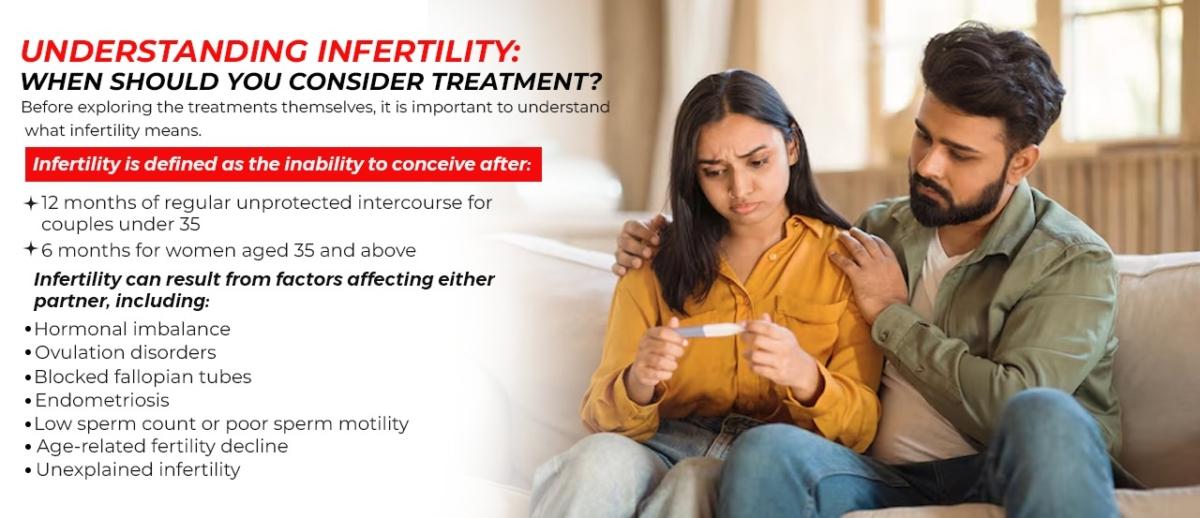
Before exploring the treatments themselves, it is important to understand what infertility means.

Infertility is defined as the inability to conceive after:

  • 12 months of regular unprotected intercourse for couples under 35
  • 6 months for women aged 35 and above

Infertility can result from factors affecting either partner, including:

  • Hormonal imbalance
  • Ovulation disorders
  • Blocked fallopian tubes
  • Endometriosis
  • Low sperm count or poor sperm motility
  • Age-related fertility decline
  • Unexplained infertility

A fertility specialist typically performs a series of tests, including hormone tests, ultrasound scans, and semen analysis, to determine the most suitable treatment approach.

Types of Infertility Treatments

Types of Infertility Treatments

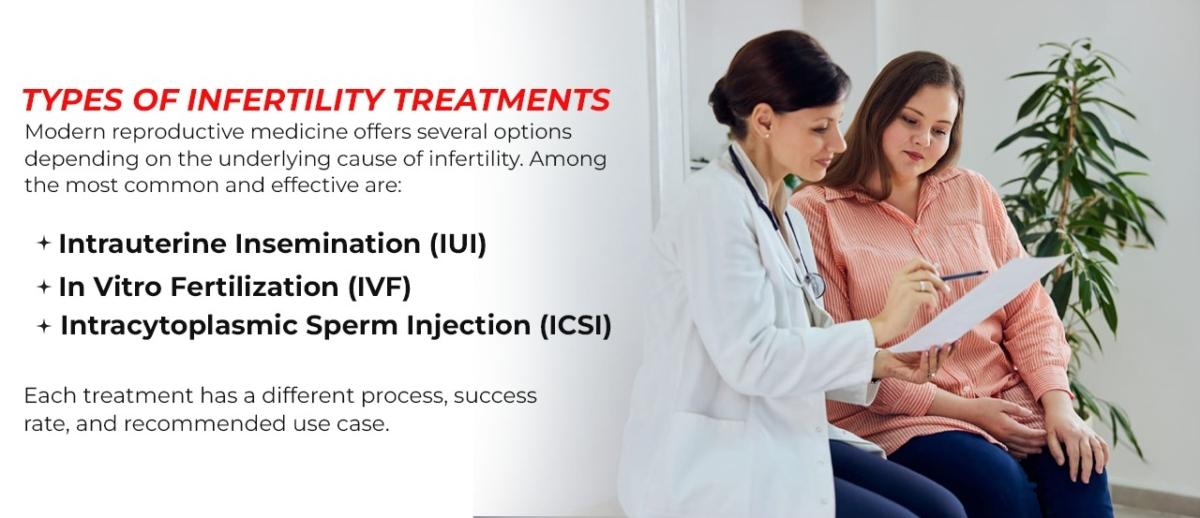
Modern reproductive medicine offers several options depending on the underlying cause of infertility. Among the most common and effective are:

Each treatment has a different process, success rate, and recommended use case.

What Is IUI (Intrauterine Insemination)?

What is IUI - Infertility Treatments

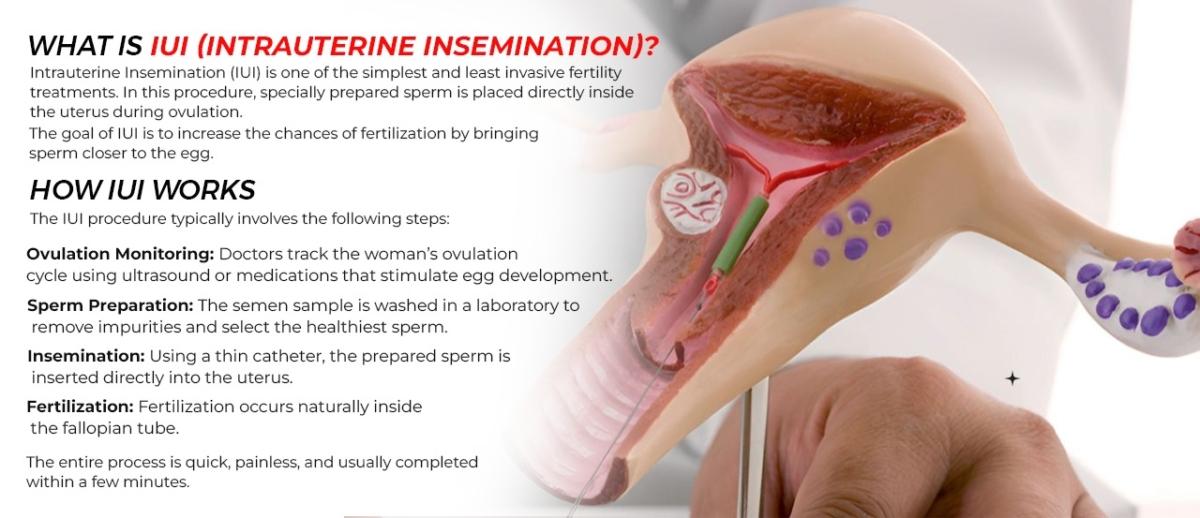
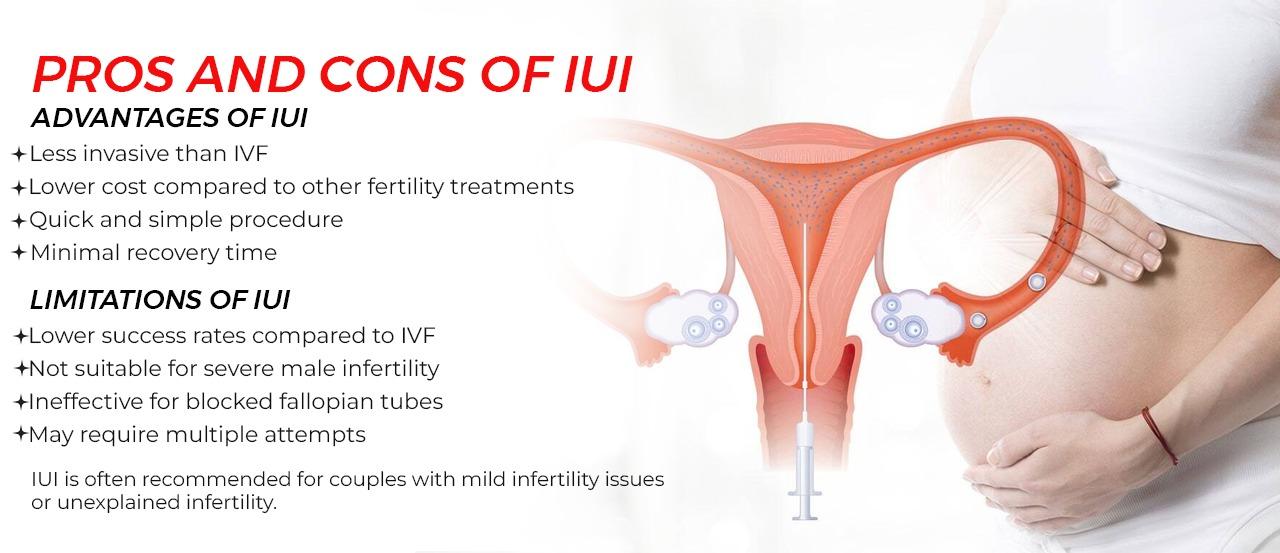
Intrauterine Insemination (IUI) is one of the simplest and least invasive fertility treatments. In this procedure, specially prepared sperm is placed directly inside the uterus during ovulation.

The goal of IUI is to increase the chances of fertilisation by bringing sperm closer to the egg.

How IUI Works

The IUI procedure typically involves the following steps:

  1. Ovulation Monitoring
     Doctors track the woman’s ovulation cycle using ultrasound or medications that stimulate egg development.
  2. Sperm Preparation
     The semen sample is washed in a laboratory to remove impurities and select the healthiest sperm.
  3. Insemination
     Using a thin catheter, the prepared sperm is inserted directly into the uterus.
  4. Fertilization
     Fertilisation occurs naturally inside the fallopian tube.

The entire process is quick and painless, typically completed within a few minutes.

IUI Success Rates

IUI Success Rate

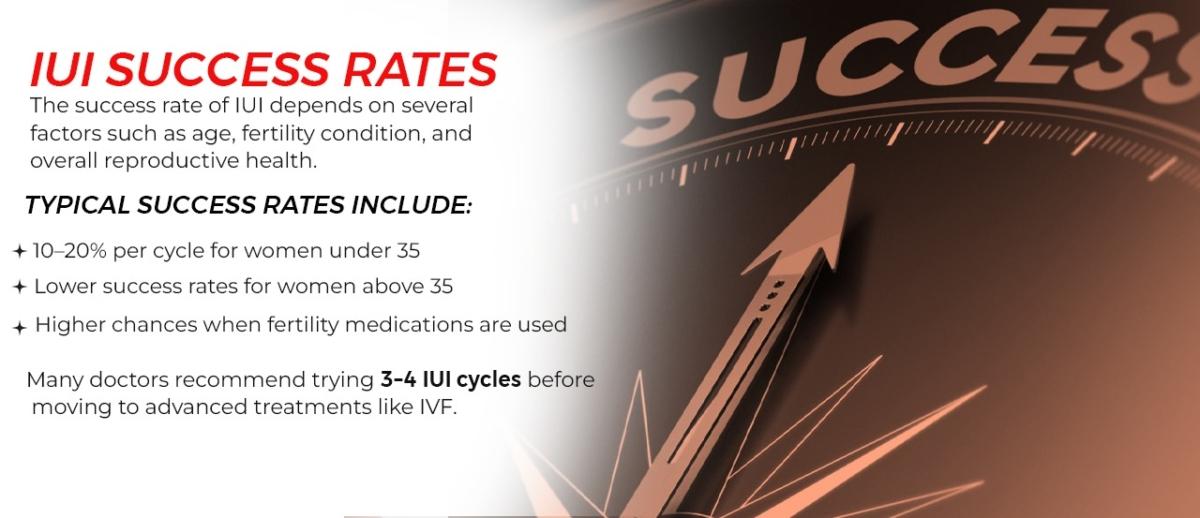
The success rate of IUI depends on several factors, such as age, fertility condition, and overall reproductive health.

Typical success rates include:

  • 10–20% per cycle for women under 35
  • Lower success rates for women above 35
  • Higher chances when fertility medications are used

Many doctors recommend trying 3–4 IUI cycles before moving to advanced treatments like IVF.

Pros and Cons of IUI

Pros and Cons of IUI

Advantages of IUI

  • Less invasive than IVF
  • Lower cost compared to other fertility treatments
  • Quick and simple procedure
  • Minimal recovery time

Limitations of IUI

  • Lower success rates compared to IVF
  • Not suitable for severe male infertility
  • Ineffective for blocked fallopian tubes
  • May require multiple attempts

IUI is often recommended for couples with mild infertility issues or unexplained infertility.

What Is IVF (In Vitro Fertilisation)?

What is IVF - Infertility Treatments

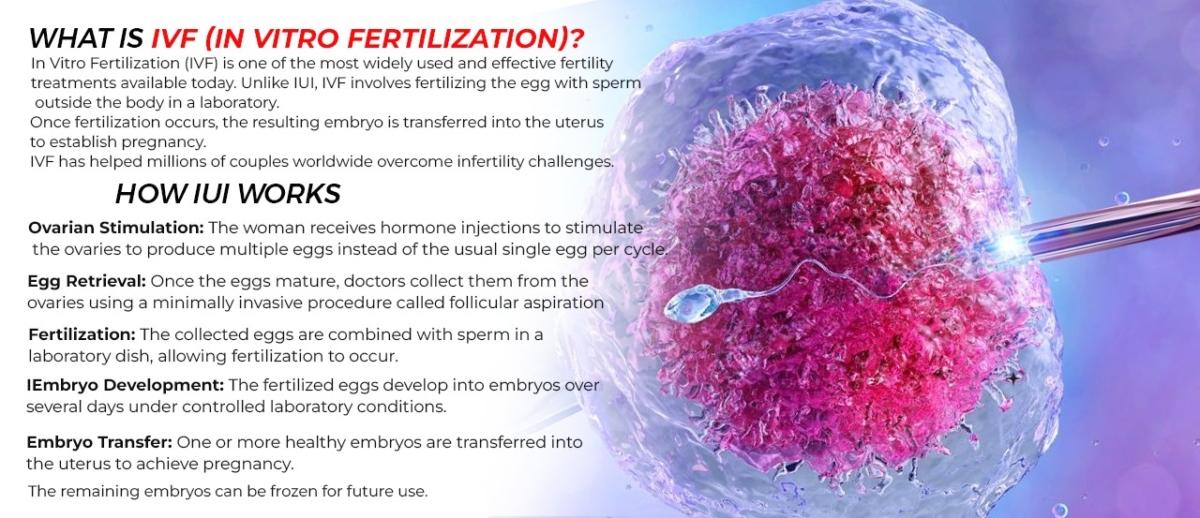
In Vitro Fertilisation (IVF) is one of the most widely used and effective fertility treatments available today. Unlike IUI, IVF involves fertilising the egg with sperm outside the body in a laboratory.

Once fertilisation occurs, the resulting embryo is transferred into the uterus to establish pregnancy.

IVF has helped millions of couples worldwide overcome infertility challenges.

How IVF Works

The IVF process typically involves several carefully monitored steps.

1. Ovarian Stimulation

The woman receives hormone injections to stimulate the ovaries to produce multiple eggs instead of the usual single egg per cycle.

2. Egg Retrieval

Once the eggs mature, doctors collect them from the ovaries using a minimally invasive procedure called follicular aspiration.

3. Fertilization

The collected eggs are combined with sperm in a laboratory dish, allowing fertilisation to occur.

4. Embryo Development

The fertilised eggs develop into embryos over several days under controlled laboratory conditions.

5. Embryo Transfer

One or more healthy embryos are transferred into the uterus to achieve pregnancy.

The remaining embryos can be frozen for future use.

IVF Success Rates

IVF Success Rate

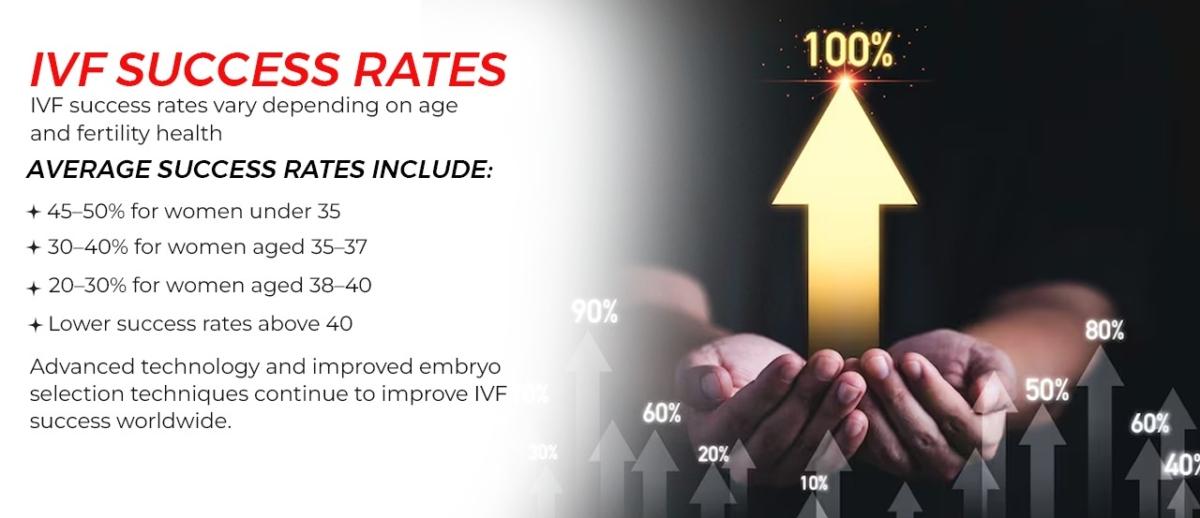
IVF success rates vary depending on age and fertility health.

Average success rates include:

  • 45–50% for women under 35
  • 30–40% for women aged 35–37
  • 20–30% for women aged 38–40
  • Lower success rates above 40

Advanced technology and improved embryo selection techniques continue to improve IVF success worldwide.

Pros and Cons of IVF

Pros and Cons of IVF

Advantages of IVF

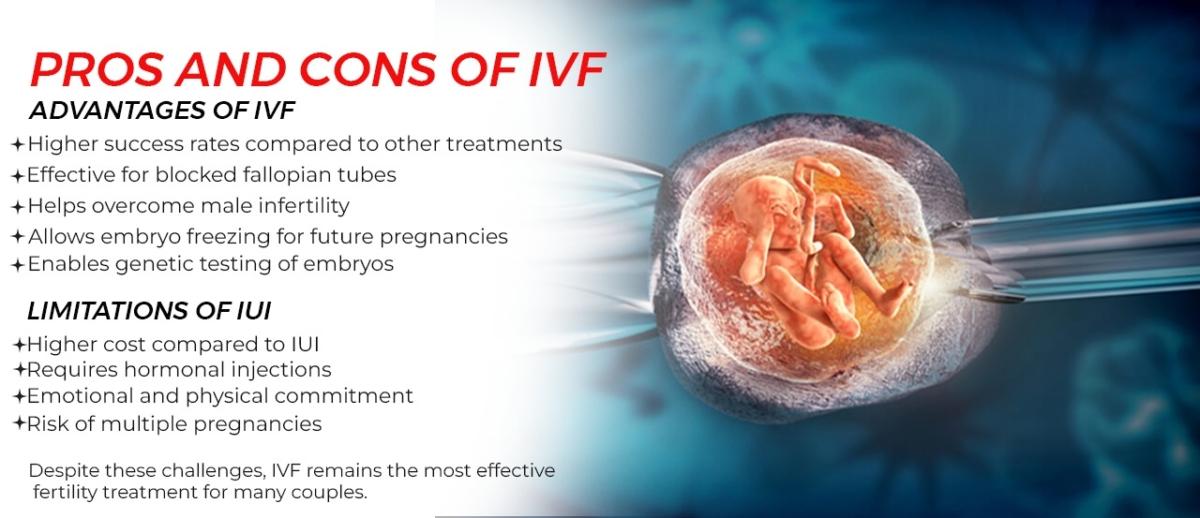
  • Higher success rates compared to other treatments
  • Effective for blocked fallopian tubes
  • Helps overcome male infertility
  • Allows embryo freezing for future pregnancies
  • Enables genetic testing of embryos

Limitations of IVF

  • Higher cost compared to IUI
  • Requires hormonal injections
  • Emotional and physical commitment
  • Risk of multiple pregnancies

Despite these challenges, IVF remains the most effective fertility treatment for many couples.

What Is ICSI (Intracytoplasmic Sperm Injection)?

What is ICSI - Infertility Treatments

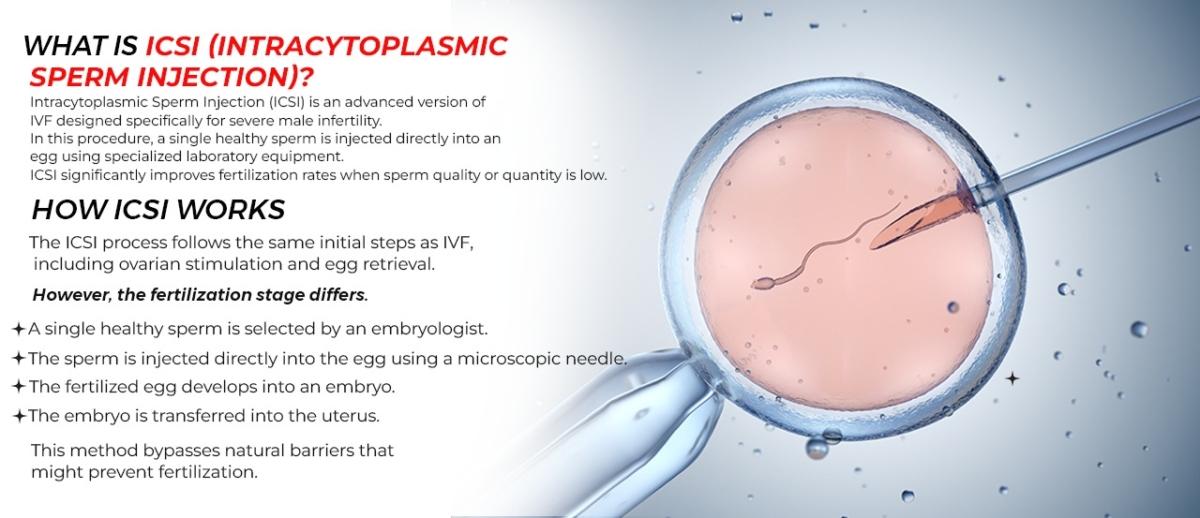
Intracytoplasmic Sperm Injection (ICSI) is an advanced version of IVF designed specifically for severe male infertility.

In this procedure, a single healthy sperm is injected directly into an egg using specialised laboratory equipment.

ICSI significantly improves fertilisation rates when sperm quality or quantity is low.

How ICSI Works

The ICSI process follows the same initial steps as IVF, including ovarian stimulation and egg retrieval.

However, the fertilisation stage differs.

  1. A single healthy sperm is selected by an embryologist.
  2. The sperm is injected directly into the egg using a microscopic needle.
  3. The fertilised egg develops into an embryo.
  4. The embryo is transferred into the uterus.

This method bypasses natural barriers that might prevent fertilisation.

ICSI Success Rates

ICSI Success Rates

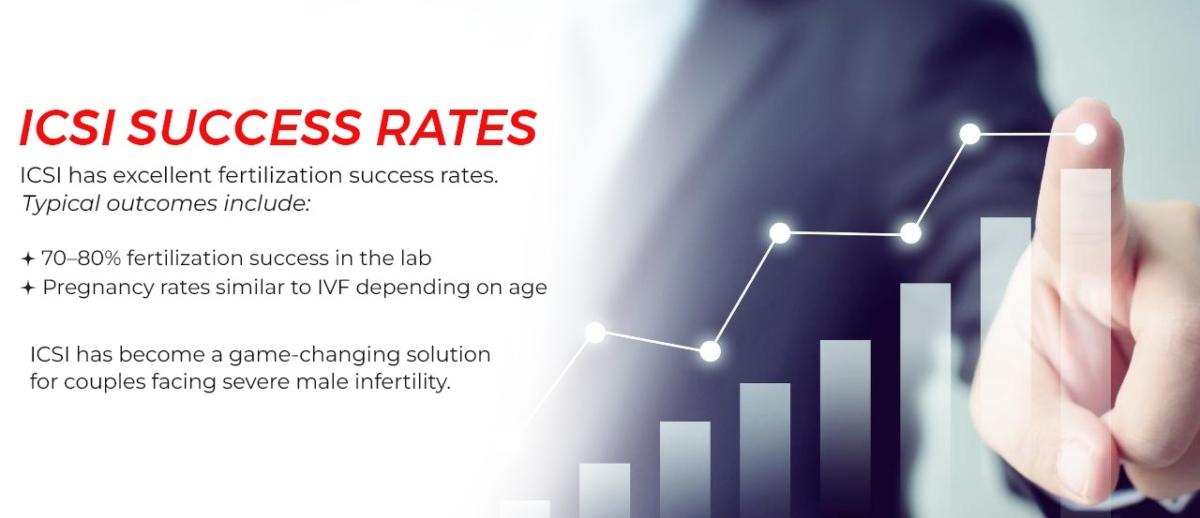
ICSI has excellent fertilisation success rates.

Typical outcomes include:

  • 70–80% fertilization success in the lab
  • Pregnancy rates similar to IVF, depending on age

ICSI has become a game-changing solution for couples facing severe male infertility.

Pros and Cons of ICSI

Pros and Cons of ICSI

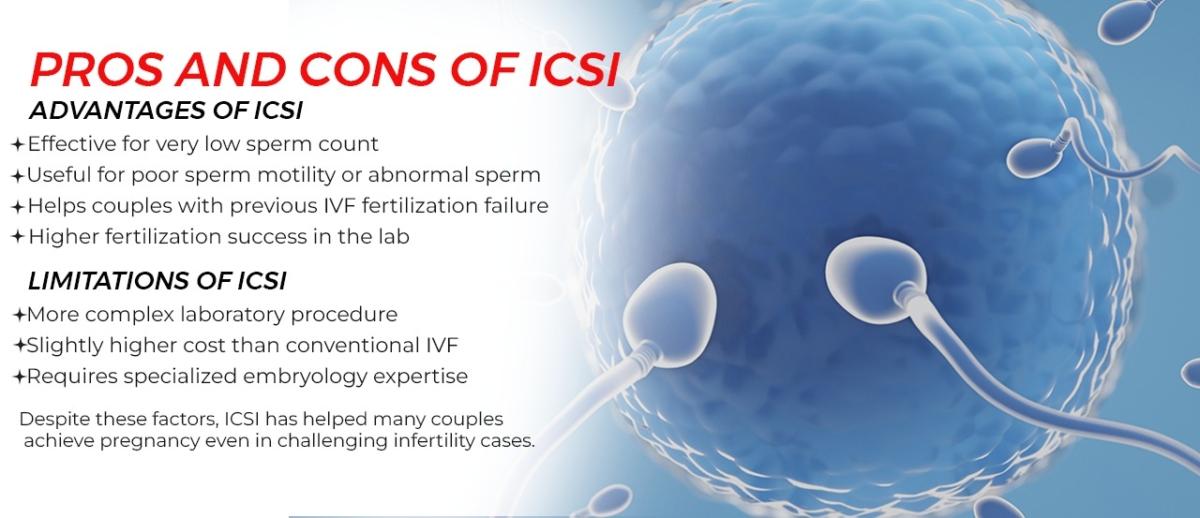
Advantages of ICSI

  • Effective for a very low sperm count
  • Useful for poor sperm motility or abnormal sperm
  • Helps couples with previous IVF fertilisation failure
  • Higher fertilisation success in the lab

Limitations of ICSI

  • More complex laboratory procedure
  • Slightly higher cost than conventional IVF
  • Requires specialised embryology expertise

Despite these factors, ICSI has helped many couples achieve pregnancy even in challenging infertility cases.

How Doctors Choose the Right Treatment

Choosing the right infertility treatments depends on several factors, including:

  • Age of the woman
  • Cause of infertility
  • Duration of infertility
  • Previous treatment attempts
  • Overall reproductive health

Doctors may recommend:

A personalised treatment plan ensures the best possible chance of success.

Lifestyle Factors That Can Improve the Success of Infertility Treatments

While medical treatments play a key role, lifestyle choices can also impact fertility outcomes.

Couples preparing for fertility treatment should consider:

  • Maintaining a healthy weight
  • Eating a balanced, IVF diet Plan
  • Avoiding smoking and alcohol
  • Managing stress levels
  • Getting regular sleep and exercise

Healthy habits support the body during fertility treatments and can improve overall reproductive health.

Emotional Aspects of Fertility Treatment

Fertility treatments can be emotionally intense for couples. The process often involves anticipation, hope, and sometimes disappointment.

It is important to:

  • Seek emotional support
  • Communicate openly with your partner
  • Consider counselling if needed
  • Stay informed and patient throughout the process

A supportive environment can make the fertility journey easier to navigate.

Conclusion

Understanding infertility treatment options such as IUI, IVF, and ICSI is an important step for couples who are planning their journey toward parenthood. Each treatment has its own advantages, success rates, and medical indications, which is why choosing the right fertility centre and expert guidance becomes crucial. With the right diagnosis, advanced technology, and a personalised treatment plan, many couples who struggle with infertility can successfully achieve pregnancy.

At Imprimis IVF, the focus is on providing comprehensive, patient-centred fertility care supported by modern reproductive technology and experienced fertility specialists. From detailed fertility evaluations to advanced procedures like IVF and ICSI, every step of the treatment process is designed to maximise success while ensuring comfort and transparency for patients. The clinic combines state-of-the-art embryology labs, personalised fertility protocols, and compassionate care to help couples navigate their fertility journey with confidence.

Whether you are considering IUI as a first step or advanced infertility treatments like IVF and ICSI, the fertility expert team at Imprimis IVF works closely with every patient to create a treatment plan tailored to their specific needs. With a commitment to clinical excellence and a deep understanding of the emotional aspects of infertility, Imprimis IVF strives to turn the dream of parenthood into reality for hopeful families.

Imprimis IVF Centre Branches: –

Best IVF Centre in Srinagar, Kashmir

Best IVF Centre in Jammu

IVF Centre in Leh Ladakh

Best IVF Centre in Bhubaneswar

Best IVF Centre in Rajouri

IVF Centre in Poonch

Unexplained Infertility: Tests, Diagnosis & Treatment

Infertility is often a silent struggle that affects millions of couples worldwide. For many, medical science can pinpoint the cause, hormonal imbalance, poor sperm quality, blocked fallopian tubes, or ovulation disorders. But for some couples, even after a thorough medical evaluation, no specific cause can be found. This condition is known as unexplained infertility, and it can be one of the most frustrating diagnoses in reproductive medicine.

In this article, we’ll break down everything you need to know about unexplained infertility, including the possible reasons, diagnostic tests, emotional impact, and treatment options that can help couples achieve pregnancy.

What Is Unexplained Infertility?

What Is Unexplained Infertility

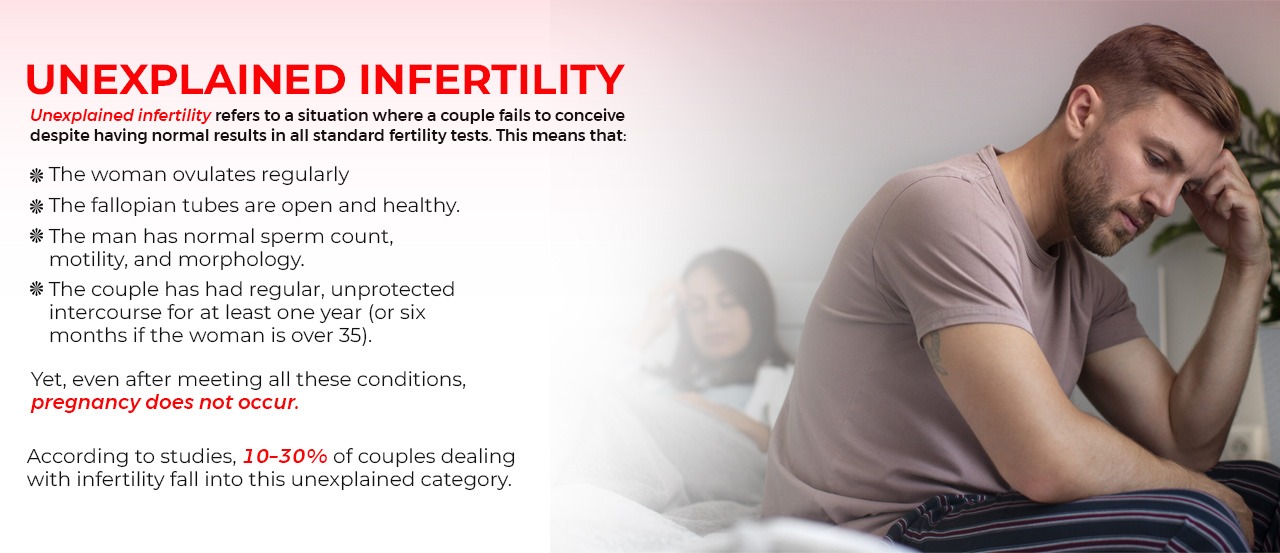
Unexplained infertility refers to a situation where a couple fails to conceive despite having normal results in all standard fertility tests. This means that:

  • The woman ovulates regularly.
  • The fallopian tubes are open and healthy.
  • The man has a normal sperm count, motility, and morphology.
  • The couple has had regular, unprotected intercourse for at least one year (or six months if the woman is over 35).

Yet, even after meeting all these conditions, pregnancy does not occur.

According to studies, 10–30% of couples dealing with infertility fall into this unexplained category.

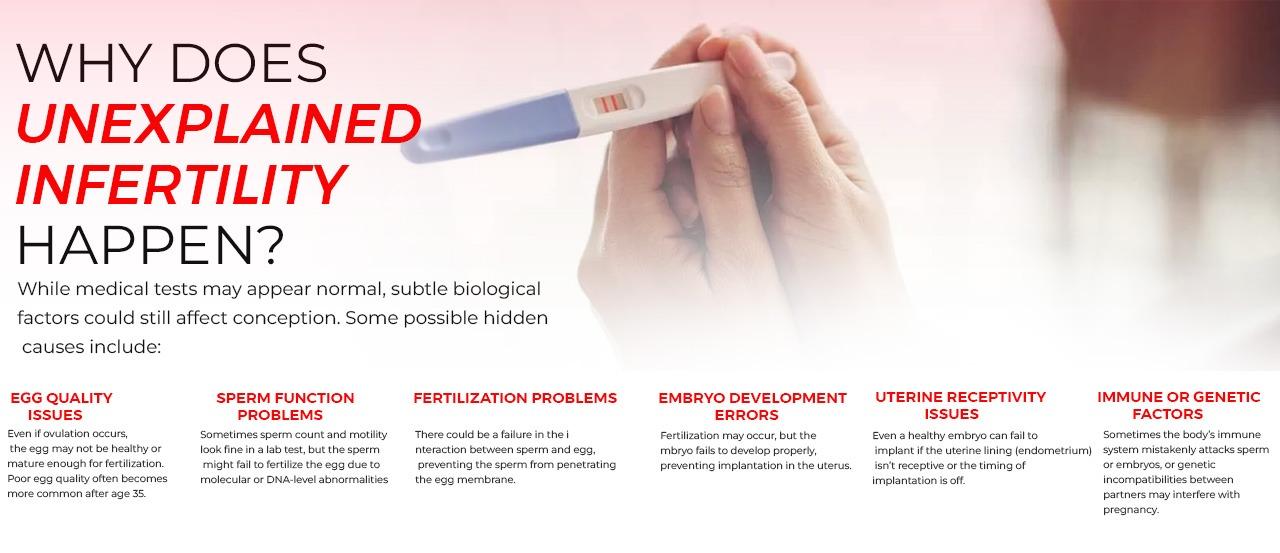
Why Does Unexplained Infertility Happen?

Why Does Unexplained Infertility Happen

While medical tests may appear normal, subtle biological factors could still affect conception. Some possible hidden causes include:

Egg Quality Issues:

Even if ovulation occurs, the egg may not be healthy or mature enough for fertilisation. Poor egg quality often becomes more common after age 35.

Sperm Function Problems:

Sometimes sperm count and motility look fine in a lab test, but the sperm might fail to fertilise the egg due to molecular or DNA-level abnormalities.

Fertilization Problems:

There could be a failure in the interaction between sperm and egg, preventing the sperm from penetrating the egg membrane.

Embryo Development Errors:

Fertilisation may occur, but the embryo fails to develop properly, preventing implantation in the uterus.

Uterine Receptivity Issues:

Even a healthy embryo can fail to implant if the uterine lining (endometrium) isn’t receptive or the timing of implantation is off.

Immune or Genetic Factors:

Sometimes the body’s immune system mistakenly attacks sperm or embryos, or genetic incompatibilities between partners may interfere with pregnancy.

When to See a Fertility Specialist for Unexplained Infertility

When to see fertility expert for unexplained infertility

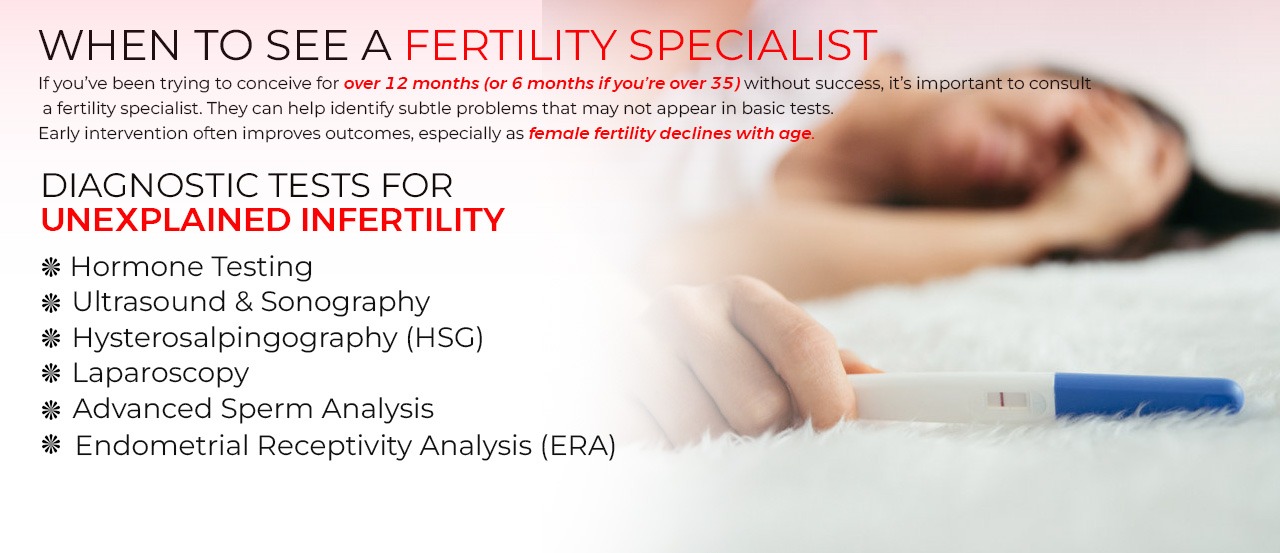
If you’ve been trying to conceive for over 12 months (or 6 months if you’re over 35) without success, it’s important to consult a fertility specialist. They can help identify subtle problems that may not appear in basic tests.

Early intervention often improves outcomes, especially as female fertility declines with age.

Diagnostic Tests for Unexplained Infertility

When standard tests come back normal, doctors may suggest more advanced fertility testing to dig deeper into potential causes.

Hormone Testing:

A detailed hormonal panel helps assess reproductive health:

  • AMH (Anti-Müllerian Hormone): Indicates ovarian reserve (number of eggs left).
  • FSH & LH: Help understand ovulation function.
  • Estradiol: Monitors egg development.
  • Thyroid & Prolactin levels: Imbalances here can impact fertility.

Ultrasound & Sonography:

A transvaginal ultrasound examines the uterus and ovaries for fibroids, cysts, or irregularities. Sonohysterography gives a clearer image of the uterine lining and cavity.

Hysterosalpingography (HSG):

A special X-ray to check fallopian tube blockages and uterine abnormalities using contrast dye.

Laparoscopy:

A minimally invasive surgical procedure where a camera is inserted into the abdomen to check for endometriosis, adhesions, or pelvic inflammation, conditions often missed in other tests.

Advanced Sperm Analysis:

Beyond a routine semen analysis, DNA fragmentation tests assess sperm DNA health and can uncover issues not seen in standard reports.

Endometrial Receptivity Analysis (ERA):

This test determines the optimal implantation window, revealing if the uterine lining is ready to accept an embryo.

Emotional Impact of Unexplained Infertility

Unexplained infertility isn’t just a medical diagnosis; it’s an emotional rollercoaster. Couples often feel frustrated, helpless, and anxious because there’s no clear cause or solution.

Common emotional challenges include:

  • Feeling out of control due to a lack of answers.
  • Relationship stress and emotional distance.
  • Social withdrawal due to pregnancy-related conversations.
  • Anxiety and depression from repeated failed attempts.

Seeking support from counsellors, support groups, or fertility therapists can help manage this emotional burden and improve mental well-being during treatment.

Treatment for Unexplained Infertility

Treatment for Unexplained Infertility

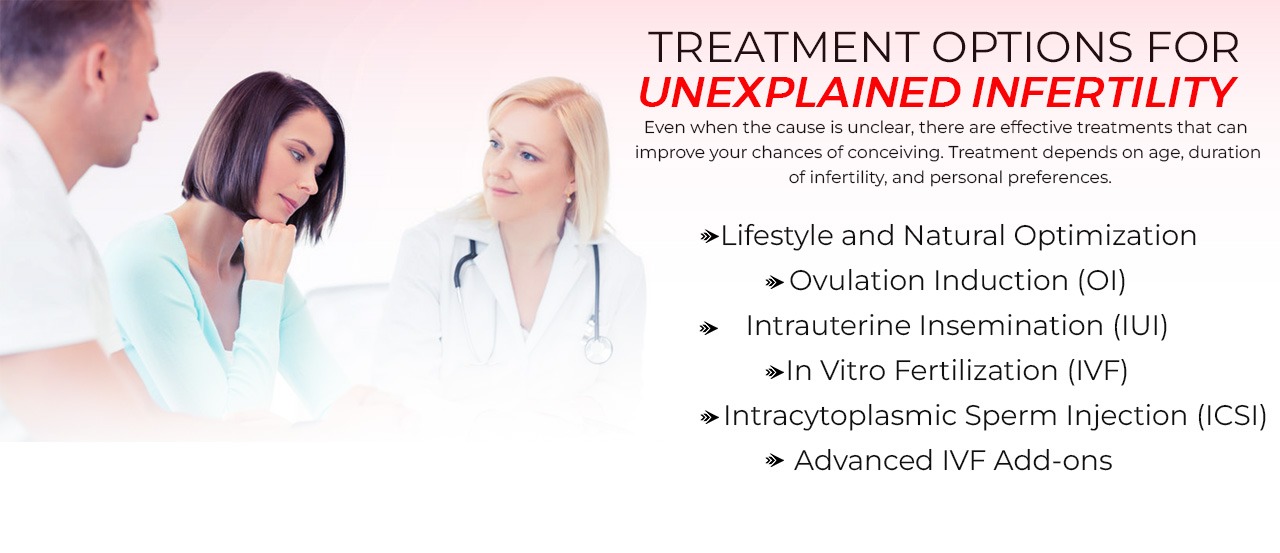
Even when the cause is unclear, there are effective treatments that can improve your chances of conceiving. Treatment depends on age, duration of infertility, and personal preferences.

Let’s explore the main treatment strategies.

Lifestyle and Natural Optimisation:

Before starting medical interventions, doctors often recommend lifestyle changes that can boost fertility naturally:

  • Eat a balanced, antioxidant-rich diet.
  • Quit smoking and reduce alcohol or caffeine intake.
  • Manage stress through yoga, meditation, or counselling.
  • Track ovulation to time intercourse effectively.

Sometimes, these changes alone lead to conception within a few months.

Ovulation Induction (OI):

If natural methods don’t help, doctors may use fertility medications to stimulate ovulation. Common drugs include:

  • Clomiphene Citrate (Clomid)
  • Letrozole (Femara)
  • Gonadotropins (injectable hormones)

These medications increase the number of eggs available for fertilisation, improving the odds of conception.

Intrauterine Insemination (IUI):

In IUI, the sperm is collected, washed, and directly placed inside the uterus during ovulation. This bypasses potential sperm transport issues and increases fertilisation chances.

Success rates for IUI in unexplained infertility are around 10–20% per cycle, depending on age and other factors.

In Vitro Fertilisation (IVF):

When simpler treatments fail, IVF offers the highest success rates. In this process:

  1. Eggs are retrieved from the ovaries
  2. Sperm is collected and fertilised with the eggs in a lab.
  3. Healthy embryos are then transferred into the uterus.

IVF helps overcome multiple hidden barriers, from sperm-egg interaction issues to embryo development problems.

Intracytoplasmic Sperm Injection (ICSI)

In cases where sperm may not fertilise eggs naturally, ICSI is used. A single sperm is injected directly into an egg, ensuring fertilisation. This is often recommended for couples with unexplained infertility after failed IVF attempts.

Advanced IVF Add-ons

Newer techniques can improve IVF success rates for unexplained infertility:

  • Preimplantation Genetic Testing (PGT): Checks embryo chromosomes for abnormalities.
  • Time-lapse imaging: Monitors embryo growth for optimal selection.
  • Endometrial Scratch: May improve implantation chances in some cases.
  • ERA test-guided embryo transfer: Ensures embryo placement during the most receptive window.

Success Rates for Unexplained Infertility Treatments

Success varies depending on age, health, and chosen treatment:

Treatment Type Average Success Rate Per Cycle
Lifestyle Changes & Timed Intercourse 5-10%
Ovulation Induction + intercourse 10-15%
IUI with Stimulation 15-20%
IVF 40-60%
IVF with ICSI or PGT Up to 70% in optimal cases

Remember, success rates increase when treatment is customised based on individual diagnosis and doctor guidance.

Can You Get Pregnant Naturally After Unexplained Infertility?

Yes, it’s absolutely possible. Around 20–25% of couples diagnosed with unexplained infertility eventually conceive naturally, sometimes even after starting or pausing treatment.

Fertility specialists often encourage couples to balance medical treatment with emotional wellness, as stress reduction and lifestyle improvements play a big role in fertility outcomes.

How to Cope with Unexplained Infertility

Best IVF Centre in Srinagar, Kashmir - Imprimis IVF

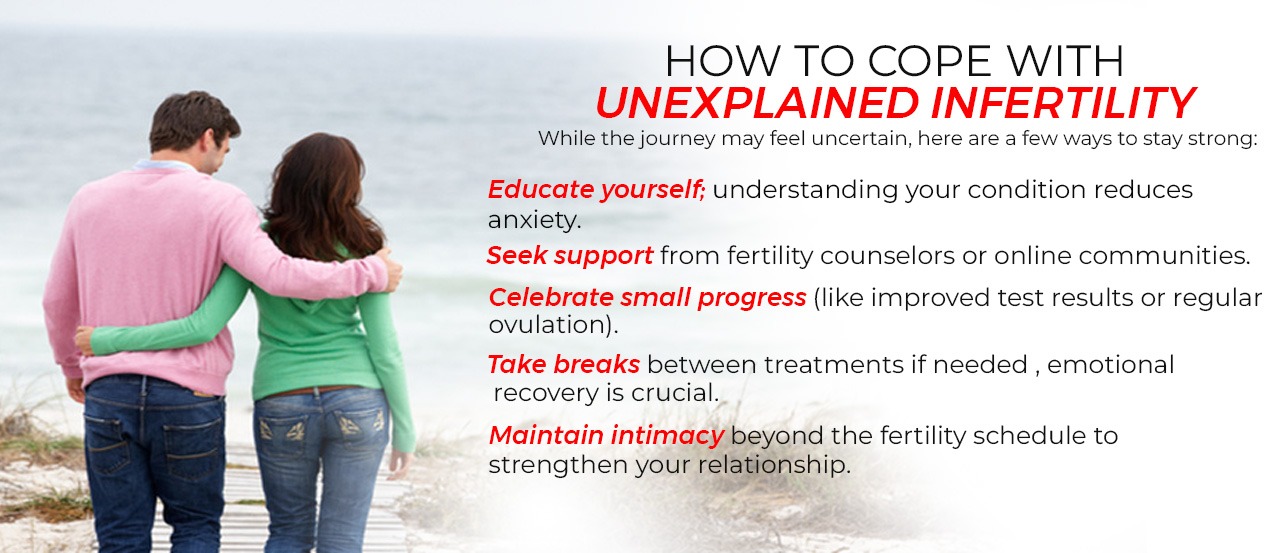
While the journey may feel uncertain, here are a few ways to stay strong:

  • Educate yourself; understanding your condition reduces anxiety.
  • Seek support from fertility counsellors or online communities.
  • Celebrate little progress (like improved test results or regular ovulation).
  • Take breaks between treatments if needed; emotional recovery is crucial.
  • Maintain intimacy beyond the fertility schedule to strengthen your relationship.

Conclusion – Unexplained Infertility

Unexplained infertility may feel like a mystery, but with the right guidance and advanced fertility care, your journey to parenthood can still have a happy ending. Today, reproductive medicine has evolved to uncover hidden causes and offer effective solutions through treatments like ovulation induction, IUI, IVF, and ICSI.

At Imprimis IVF, we understand that every couple’s journey is unique. Our expert fertility specialists combine cutting-edge technology, personalised treatment plans, and compassionate care to help you achieve your dream of becoming parents, even when the cause of infertility remains unexplained.

With state-of-the-art facilities across Srinagar, Jammu, and Bhubaneswar, Imprimis IVF offers convenient access to world-class fertility treatments, advanced diagnostic testing, and emotional support, all under one roof.

No matter where you are in your fertility journey, Imprimis IVF stands beside you with hope, science, and care. Because sometimes, the right support can turn “unexplained infertility” into “unexpected joy.”

Imprimis IVF Centre Branches: –

Best IVF Centre in Srinagar, Kashmir

Best IVF Centre in Jammu

IVF Centre in Leh Ladakh

Best IVF Centre in Bhubaneswar

Best IVF Centre in Rajouri

IVF Centre in Poonch

How Diet and Lifestyle Choices affects Fertility

Introduction – How diet and lifestyle choices affects fertility

Are You Part of the 1 in 6 Couples Struggling with Infertility? Find the ultimate guide to how diet and lifestyle choices affects fertility by Imprimis IVF.

Infertility affects millions of people worldwide, with approximately 15% of couples struggling to conceive. In India alone, it’s estimated that over 27 million couples face infertility challenges. The emotional, physical, and financial toll of infertility can be overwhelming, leaving many feeling helpless and uncertain about their future.

But what would you do if you could control your fertility?  What if making simple changes to your diet and lifestyle could significantly improve your chances of conceiving? The good news is that it’s possible. By understanding the intricate relationship between diet, lifestyle, and fertility, you can empower yourself with the knowledge to make informed choices and optimise your reproductive health. In this article, we’ll delve into the world of fertility, exploring the latest research and expert insights to help you nourish your fertility and achieve your dreams of parenthood.

Nutrition and Fertility: IVF Diet Plan

“Food is medicine”, – and when it comes to fertility, this phrase couldn’t be more accurate. A well-balanced IVF diet rich in essential nutrients can significantly boost your reproductive health, while a diet lacking in vital vitamins and minerals can hinder your chances of conceiving.

A study published in the journal Fertility and Sterility found that women who consumed a diet rich in whole grains, fruits, and vegetables were 66% more likely to conceive than those who didn’t.

So, what foods should you be eating to support your fertility? Here are some key nutrients and foods to include in your diet:

  1. Folic acid: essential for fetal development during pregnancy. Find it in dark leafy greens, beans, and fortified cereals.
  2. Omega-3 fatty acids: support hormone production and egg quality.
  3. Antioxidants: protect sperm and egg cells from damage. Berries, leafy greens, and other fruits and veggies are rich in antioxidants.
  4. Whole grains: provide essential fibre, vitamins, and minerals.

Including these nutrient-dense foods in your diet can have a significant impact on your fertility. A study published in the journal Human Reproduction found that men who consumed a diet rich in whole grains, fruits, and vegetables had improved sperm quality and a reduced risk of infertility.

By making informed food choices, you can take control of your fertility and set yourself up for reproductive success.

Lifestyle Factors and Fertility

When it comes to fertility, lifestyle factors play a crucial role. While diet and nutrition are essential, other aspects of your daily life can significantly impact your reproductive health. Let’s explore the hidden influencers of fertility.

Stress: The Silent Saboteur

Chronic stress can wreak havoc on your fertility. Research shows that stress can disrupt hormone levels, affecting ovulation and sperm quality (1). A study published in the journal Fertility and Sterility found that women with high stress levels were 29% less likely to conceive.

Sleep: The Fertility Regulator

Sleep is essential for reproductive health. During sleep, your body regulates hormones, including those that control ovulation and sperm production. A study published in the journal Sleep found that women who slept less than 7 hours per night were 15% less likely to conceive.

Exercise: The Fertility Balancer

Regular exercise can improve fertility, but excessive exercise can have the opposite effect. Research shows that moderate exercise, such as yoga or brisk walking, can improve hormone levels and ovulation.

Other Lifestyle Factors

Other lifestyle factors, such as smoking, excessive caffeine consumption, and exposure to environmental toxins, can also impact fertility. Quitting smoking, limiting caffeine intake, and minimising exposure to toxins can help optimise your reproductive health.

By understanding the impact of lifestyle factors on fertility, you can take control of your reproductive health. Make informed choices, manage stress, prioritise sleep, exercise regularly, and limit harmful habits to boost your fertility.

Environmental Toxins and Fertility

Think your home is a haven? Think again. Environmental toxins, lurking in everyday products and surroundings, can silently sabotage your fertility. Exposure to these toxins has been linked to decreased fertility, miscarriage, and birth defects.

The Toxic Trio: Pesticides, Heavy Metals, and EDCs

How diet and lifestyle choices affects fertility

  1. Pesticides: These chemicals, found in non-organic produce and pest control products, can disrupt hormone levels and damage reproductive cells. A study by the Harvard School of Public Health found that exposure to pesticides can reduce fertility by 10-30%.
  2. Heavy Metals: Mercury, lead, and arsenic, commonly found in contaminated fish, old paint, and tainted water, can damage reproductive organs and disrupt fertility. Research shows that exposure to heavy metals can increase the risk of miscarriage and infertility.
  3. Endocrine-Disrupting Chemicals (EDCs): These chemicals, found in plastics, personal care products, and cleaning supplies, can mimic or block hormones, leading to reproductive chaos. EDCs have been linked to decreased fertility, polycystic ovary syndrome (PCOS), and endometriosis.

Protect Your Fertility: Simple Steps to Reduce Exposure

  1. Choose organic produce and meats.
  2. Filter your water and air.
  3. Opt for non-toxic household cleaners and personal care products.
  4. Avoid heating food in plastic containers.
  5. Limit exposure to pesticides and heavy metals.

By being aware of these environmental toxins and taking simple steps to minimise exposure, you can protect your fertility and reproductive health.

Mind-Body Connection and Fertility

The mind-body connection is a powerful force that can either support or hinder your fertility journey. Research has shown that stress, anxiety, and negative emotions can disrupt hormone levels, ovulation, and sperm quality, making it more challenging to conceive. On the other hand, cultivating a positive mind-body connection can enhance your reproductive health and increase your chances of getting pregnant.

So, how does stress affect fertility?

When you’re under stress, your body produces stress hormones like cortisol and adrenaline. These hormones can disrupt the delicate balance of your reproductive hormones, leading to:

  • Irregular ovulation and menstrual cycles
  • Decreased sperm count and motility
  • Increased inflammation and oxidative stress

On the other hand, a positive mind-body connection can:

  • Regulate your reproductive hormones and cycles
  • Enhance your mood and overall well-being
  • Increase your resilience to stress and anxiety

So, how can you cultivate a positive mind-body connection to support your fertility?

Here are some evidence-based techniques to get you started:
  • Mindfulness meditation and deep breathing exercises
  • Yoga and tai chi to reduce stress and improve flexibility
  • Journaling and gratitude practices to cultivate positivity
  • Connecting with nature and loved ones to reduce stress and increase social support

By incorporating these techniques into your daily routine, you can harness the power of positivity to support your fertility journey.

Conclusion – How diet and lifestyle choices affects fertility

Taking control of your fertility requires a holistic approach. By making informed choices about your diet, lifestyle, and mental well-being, you can optimise your chances of conceiving.

At Imprimis IVF, we’re committed to supporting you on your fertility journey. Our team of IVF experts is dedicated to providing personalised guidance and care to help you achieve your dreams of parenthood.

If you’re struggling with infertility or seeking expert advice, we invite you to schedule a consultation with us. Let’s work together to find a solution that’s right for you. That’s all about how diet and lifestyle choices affects fertility. For more information, follow our blogs.

FAQ – How diet and lifestyle choices affects fertility

Q1: Can a poor diet affect my fertility?

A poor diet can significantly impact your fertility. Consuming foods high in sugar, salt, and unhealthy fats can disrupt hormone levels, ovulation, and sperm quality. On the other hand, a balanced diet rich in whole foods, fruits, vegetables, and omega-3 fatty acids can support reproductive health.

Q2: How does stress impact fertility?

Chronic stress can disrupt hormone levels, ovulation, and sperm quality, making it more challenging to conceive. Stress can compromise the health and viability of both eggs and sperm. Practising stress-reducing techniques like meditation, yoga, or deep breathing can help mitigate the negative effects of stress on fertility.

Q3: Can exercise improve fertility?

Regular exercise can improve fertility by regulating hormone levels, improving insulin sensitivity, and boosting overall health. Overdoing exercise can hinder fertility. Aim for moderate exercise, such as brisk walking, cycling, or swimming, for 30 minutes a day.

Q4: How long does it take to see improvements in fertility with lifestyle changes?

The amount of time it takes to see improvements in fertility with lifestyle changes can vary depending on individual factors. Some people may see improvements within a few months, while others may take longer. Consistency and patience are key when making lifestyle changes to support fertility.

Q5: Can supplements boost fertility?

While some supplements like folic acid, omega-3 fatty acids, and antioxidants may support fertility, it’s essential to consult with a healthcare provider before adding any supplements to your routine. Some supplements can interact with medications or have adverse effects, so it’s crucial to prioritise your health and safety.

Imprimis IVF Centre Branches: –

Best IVF Centre in Srinagar

Best IVF Centre in Jammu

IVF Centre in Leh Ladakh

Best IVF Centre in Bhubaneswar

Best IVF Centre in Jammu for Affordable & Advanced Fertility Treatment

Best IVF Centre in Jammu – Our dedicated team is committed to providing personalised care, expert guidance, and compassionate support at every stage of IVF treatment. We strive to make your journey toward parenthood as smooth and reassuring as possible.

Affordable & Best IVF Centre in Jammu

Looking for an IVF treatment in Jammu? You’re in the right place. Treatment success depends on the professional staff, the availability of modern equipment, and a high-quality laboratory. At Imprimis IVF, we pride ourselves on a medical team that can provide patients with medical care while offering a compassionate ear. Our policy is to listen to our patients’ concerns to ensure they receive the best treatment.

At Imprimis, the best IVF Centre in Jammu, we pride ourselves on providing the best services at very cheap rates. Our well-mannered and professional staff, use of state-of-the-art equipment, and quality services ensure our patients have the best experience with us as we consider their budget. Being the largest test tube baby centre in Jammu, our approach is to offer end-to-end treatment to all those who seek our help to start a family. We pride ourselves in making treatment available with the lowest possible IVF Cost in Jammu—there is no greater joy than seeing our patients get the best treatment they need without having to dig deep into their pockets.

When to Consider IVF? Our IVF Experts’ Opinion

Best IVF Centre in Jammu

IVF is an assisted reproductive technique where an egg is fertilised by sperm in a lab, and the resulting embryo is transferred to the uterus to achieve pregnancy. IVF is often an option for individuals and couples dealing with various fertility challenges. Here are some common situations where IVF may be recommended:

1. Tubal Obstruction or Blocked Fallopian Tubes

Sometimes, the physical structures of the fallopian tubes are blocked or damaged, making it difficult for the egg and sperm to meet. IVF does not require the use of the fallopian tubes as it involves the use of eggs that are collected, fertilised in the laboratory, and then the embryo is placed in the uterus.

2. Male Infertility

Male infertility – A low sperm count, slow-moving sperm, or strangely shaped sperm can prevent the sperm from reaching the egg. IVF with ICSI is a technique whereby a single sperm is injected into the egg, thus enhancing the chances of fertilisation.

3. Advanced Maternal Age

The chances of conception decrease with age, particularly after the age of 35. IVF treatment in Jammu may help to produce more eggs, and genetic screening can be used to check for embryo defects and thus increase the chances of pregnancy.

4. Endometriosis

Endometriosis may involve the ovaries, fallopian tubes, and other structures in the pelvic region. IVF assists by picking up eggs from the ovaries, thus enhancing the possibility of pregnancy.

5. Previous Unsuccessful Fertility Treatments

In cases where medication or IUI have not succeeded, then IVF treatment has a better success rate. It offers more control over fertilisation and embryo development as compared to the traditional methods.

6. Recurrent Miscarriages

Genetic disorders in embryos lead to recurrent pregnancy loss. IVF treatment can be used in combination with PGT to enable the doctor to choose healthy embryos to be implanted, thus decreasing the likelihood of a miscarriage.

7. Unexplained Infertility

If the reason for infertility is not clear, then IVF treatment in the city of Jammu can be appropriate. It regulates fertilisation and early embryo development, thereby enhancing conception.

IVF Treatment Process Step-by-Step
IVF Process - Best IVF Centre in Jammu

At Imprimis, the best IVF centre in Jammu, we ensure that each stage of IVF treatment in Jammu is transparent and easy to understand. Here’s a straightforward breakdown of what to expect:

1. Ovarian Stimulation

In the first step, hormonal injections are given to the woman so that during one cycle, several eggs are matured in the ovaries to increase the chances of fertilisation.

This phase takes approximately 8-14 days, and in this phase, we use ultrasound scans and blood tests to check on the development of the follicles and hormonal levels. Depending on your response, it may be necessary to modify the doses of the medications for the best outcomes.

2. Egg Retrieval

Egg Retrieval – After the eggs are grown, they are harvested in a small procedure known as egg collection. On the same day, you get a trigger injection (hCG) to complete the process of egg maturation approximately 36 hours before this process.

The retrieval itself, which lasts for approximately 20-30 minutes, is done under anaesthesia using a thin needle with the help of ultrasound to extract eggs directly from the ovaries. Following it, there will be a short break, and, in most cases, you can be discharged on the same day.

3. Sperm Collection

This is done on the same day as egg retrieval, though fresh semen can be provided by the male partner. The sperm sample is then analysed in the laboratory to identify the best and most active sperm, which will then be used to fertilise the retrieved eggs.

4. Fertilisation

Fertilisation occurs in our laboratory, where the retrieved eggs and sperm are combined. In standard IVF treatment in Jammu, the eggs and sperm are placed together in a dish to allow fertilisation to occur naturally.

For cases of male infertility, we may use Intracytoplasmic Sperm Injection (ICSI), where a single sperm is directly injected into an egg. After fertilisation, we monitor the eggs for the next 18-24 hours to check for successful fertilisation.

5. Embryo Culture

The embryos, after fertilisation, are cultured in an incubator for 3-5 days when they start developing. At this time, we monitor their development and assess their quality. This is because only the healthiest embryos are transferred following certain guidelines, and this enhances the likelihood of conception.

6. Embryo Transfer

It takes only a few days after the eggs have been fertilised, and the best embryos are then transferred to the uterus. It is a relatively uncomplicated process in which the chosen embryos are inserted into the uterus through the cervix with the help of a catheter.

The procedure is normally not invasive, and the patient does not need to be put to sleep. Following the transfer, there will be a short break before going on to other activities in the day.

7. Post-Transfer Support

After the process of embryo transfer, hormonal support is given to make the uterine lining ready for implantation. This is usually accomplished with progesterone, which may be administered in the form of an injection, oral tablet or vaginal suppository.

We also advise on changes in behaviour, such as avoiding rigorous activities, and our team will be on hand for any queries during this important stage.

8. Pregnancy Test

About 10 to 14 days after the embryo transfer, a blood test is done to check if the embryo has implanted itself and if the lady is pregnant. This test is used to determine the level of hCG in the blood, which shows pregnancy.

If the result is positive, we will assist you in the process of further prenatal care. If the result is negative, we will be able to talk to you about further management and what will happen next.

Assisted Reproductive Technology (ART) Techniques

ART Techniques - Best IVF Centre in Jammu

At Imprimis, the Best IVF Centre in Jammu, we provide a wide range of infertility services using modern facilities and advanced medical equipment. Led by Dr Rakesh Samal, a top gynaecologist(Dr Iram Shafi Akhoon) and fertility expert in Jammu, we offer treatments in the following areas:

IVF/ICSI (Intracytoplasmic Sperm Injection):

IVF involves fertilising eggs outside the body in a laboratory. ICSI is used for cases with fertilisation issues or abnormal sperm. Both procedures are performed at our Imprimis IVF Centre in Jammu without requiring overnight hospitalisation.

IUI (Intrauterine Insemination):

IUI places processed sperm directly into the uterus using a thin catheter. This quick, outpatient procedure is done without anaesthesia. Once ovulation is confirmed, the semen sample is prepared and injected. A pregnancy test is performed 15 days later.

Surrogacy:

For women with uterine conditions, medical risks, or those who have had a hysterectomy, we at the Imprims IVF Centre in Jammu offer surrogacy services. A surrogate will carry the pregnancy, with our clinic providing full support throughout the process.

Blastocyst Transfer:

We transfer embryos at the blastocyst stage (day 5) to improve the likelihood of pregnancy.

Fertility Enhancing Surgery:

Minimally invasive surgeries such as laparoscopy and hysteroscopy can address issues affecting fertility and improve pregnancy rates.

Growth Hormone Therapy:

Growth hormone supplements can enhance ovarian stimulation and ART success for those who respond poorly to standard treatments.

PICSI (Physiological ICSI):

PICSI selects mature sperm with minimal DNA damage for ICSI, improving fertilisation rates and lowering the risk of miscarriage.

Platelet-Rich Plasma (PRP):

PRP is used to improve the thickness of a thin endometrium, potentially increasing pregnancy rates.

Preimplantation Genetic Diagnosis (PGD):

PGD screens embryos for specific genetic disorders, which is useful for couples at risk of severe genetic conditions.

Preimplantation Genetic Screening (PGS):

PGS examines embryos for chromosomal abnormalities to ensure they have the correct number of chromosomes.

Fertility Preservation:

Fertility preservation is an option for those who are likely to undergo treatments that may impact their ability to conceive or those who would like to postpone childbearing. The eggs, sperm or embryos can also be preserved for future use.

Why Choose Imprimis, the Best IVF Centre in Jammu

Why Choose Imprimis - The Best IVF Centre in Jammu

Our Best IVF Centre in Jammu employs IVF specialists, clinical embryologists, specialised nurses, and other well-trained support staff. Each member is dedicated to providing professional advice and encouragement to the patients and collaboratively assisting them in obtaining the best treatment at the lowest cost possible.

  • Comprehensive Care: Our package guarantees that the client gets all the necessary services without being charged for more services.
  • Experienced Team: Take advantage of the professional services of our fertility experts, embryologists and other supportive personnel.
  • State-of-the-Art Facilities: Get treated in the most advanced clinic, with all the amenities and state-of-the-art equipment.
  • Affordable Pricing: It is our goal to provide affordable IVF costs in Jammu to as many patients as possible without having to sacrifice the quality of the service offered.
  • Personalised Treatment Plans: Our services at the IVF Centre in Jammu are personalised to your needs and fertility treatment preferences.

IVF Treatment Cost in Jammu

Imprimis IVF Centre, located in Jammu, offers various Infertility treatments. IVF costs in Jammu start from ₹1,00,000 to ₹1,50,000, depending on individual medical conditions and specific treatment requirements.

Take the First Step Toward Parenthood with the Best IVF Centre in Jammu

Your dream of starting or growing your family is our top priority. Contact the Best IVF Centre in Jammu today to schedule a consultation and learn more about how our affordable IVF packages can help you on your journey.


Yoga for Fertility: Poses That Boost Reproductive Health

Yoga for Fertility – Introduction

Yoga for Fertility – Are you having trouble getting pregnant? You’re not alone. Infertility affects millions of couples worldwide. The World Health Organisation (WHO) estimates that 1 in 7 couples struggle with infertility.

In India, about 1 in 10 couples face fertility issues. While medical treatments like IVF are available, many couples are now exploring natural approaches to boost their fertility.

At Imprimis IVF, a leading fertility centre in Srinagar, we believe in combining medical expertise with holistic approaches like yoga. Yoga has been shown to improve fertility by reducing stress, regulating hormones, and enhancing overall well-being.

In this blog, we’ll explore the connection between yoga and fertility, and share simple yet powerful yoga poses and practices that can help you conceive.

The Connection Between Yoga and Fertility

Research has shown that yoga can play a significant role in boosting fertility. But how does it work?

Yoga helps to reduce stress, which is a major contributor to infertility. Studies have shown that stress can disrupt the body’s hormonal balance, making it harder to conceive. A notable study featured in the Journal of Alternative and Complementary Medicine revealed a significant link between yoga practice and improved fertility outcomes.

Specifically, the research demonstrated that women who incorporated yoga into their daily routine experienced enhanced reproductive health, leading to better chances of conception. Additionally, women who practised yoga regularly had lower levels of cortisol (the stress hormone) and higher levels of oxytocin (the “love hormone”) (Source: Journal of Alternative and Complementary Medicine).

Yoga also improves blood flow to the reproductive organs, which can help nourish and support the reproductive system. Additionally, yoga has been shown to regulate menstrual cycles, improve sperm quality, and even reduce symptoms of polycystic ovary syndrome (PCOS) (Source: Harvard Health Publishing).

By incorporating yoga into your daily routine, you can help to create a more fertile and balanced body. At Imprimis IVF, we recommend yoga as a complementary therapy to our fertility treatments.

Top Yoga Poses for Fertility Enhancement

Practising specific yoga poses can enhance fertility by boosting blood flow to the reproductive system, alleviating stress, and harmonising hormonal balance, ultimately creating a more conducive environment for conception. Here are some of the top yoga poses for fertility enhancement:

  1. Downward-Facing Dog (Adho Mukha Svanasana): This pose stretches the entire back, hips, and legs, boosting oxygen and nutrient delivery to the reproductive system through improved circulation.
  2. Cobra Pose (Bhujangasana): The Cobra pose strengthens the back muscles, improves flexibility, and opens up the chest, which can help improve respiratory function and reduce stress.
  3.  Seated Forward Fold (Paschimottanasana): This pose gently stretches the back, hips, and legs, promoting healthy blood circulation that benefits the reproductive system.
  4. Plough Pose (Halasana): Plough Pose stimulates the thyroid gland, which can help regulate hormones and improve fertility.
  5. Shoulder Stand (Viparita Karani): This pose supports thyroid function, boosts reproductive circulation, and helps alleviate stress for overall well-being.
  6. Child’s Pose (Balasana): The child’s pose stretches the back, hips, and legs, and can help reduce stress and promote relaxation.
  7. Tree Pose (Vrksasana): Tree pose cultivates balance and calmness, while also promoting healthy blood circulation to support reproductive wellness.
  8. Butterfly Pose (Baddha Konasana): Butterfly pose gently opens the hips and thighs, increasing blood flow and nourishment to the reproductive system.
  9. Seated Twist (Bharadvajasana): Seated twist stimulates the digestive system, improves blood flow to the reproductive organs, and can help reduce stress.
  10. Savasana (Corpse Pose): Savasana promotes relaxation, reduces stress, and can help improve overall fertility.

Remember to practice yoga regularly, ideally 2-3 times a week, and combine it with a healthy diet and lifestyle. Seek expert advice from a qualified yoga instructor or healthcare professional to ensure a safe and tailored approach to your new exercise routine.

Yoga for Men’s Fertility: Boosting Sperm Health

Yoga for Male Fertility

When it comes to fertility, men’s health is often overlooked. However, research shows that yoga can improve sperm quality, quantity, and motility. Including some of the potential yoga:

  • Pelvic Tilts: Strengthens the pelvic floor muscles, improving sperm quality and quantity.
  • Kegel Exercises: Enhance blood flow to the genital area, boosting sperm health.
  • Leg Raises: Improves circulation, reducing oxidative stress and inflammation.
  • Bhastrika Pranayama: Regulates breathing, reducing stress and improving hormone balance.
  • Surya Namaskar: Stimulates the endocrine system, improving hormone balance and sperm health.

Studies have shown that yoga can:

  • Improve sperm count by 42% (Source: Journal of Clinical and Diagnostic Research)
  • Enhance sperm motility by 32% (Source: European Journal of Applied Physiology)
  • Reduce oxidative stress and inflammation, improving overall sperm health (Source: Journal of Alternative and Complementary Medicine)

Incorporating these yoga practices into your daily routine can help boost your sperm health and fertility. Consult with a qualified yoga instructor or healthcare professional to get started.

Yoga for Women’s Fertility

Yoga for Female Fertility

At Imprimis IVF, we understand the complexities of women’s fertility and the importance of a holistic approach to reproductive health. Yoga, in particular, has been shown to have a profound impact on women’s fertility, addressing the physical, emotional, and hormonal aspects of reproductive health.

Regulating Menstrual Cycles

Yoga has been shown to regulate menstrual cycles, improving ovulation and fertility. A recent study suggests that yoga practitioners experienced a significant reduction in menstrual irregularities and improved fertility (Source: Journal of Alternative and Complementary Medicine).

Reducing Symptoms of PCOS

Yoga has also been shown to reduce symptoms of Polycystic Ovary Syndrome (PCOS), a leading cause of infertility in women. A study published in the Journal of Women’s Health found that yoga practitioners with PCOS experienced significant improvements in insulin sensitivity, hormone balance, and menstrual regularity (Source: Journal of Women’s Health).

Improving Egg Quality

Yoga has been shown to improve egg quality, increasing the chances of successful conception. A study published in the Fertility and Sterility journal found that yoga practitioners experienced significant improvements in egg quality and fertility (Source: Fertility and Sterility).

At Imprimis IVF, we recommend yoga as a complementary therapy to our fertility treatments. Regular yoga practice can support reproductive wellness, alleviate stress, and optimise conditions for conception, enhancing overall fertility.

Creating a Fertility-Friendly Yoga Practice

At Imprimis IVF, we believe that yoga can be a powerful tool in your fertility journey. Maximise the benefits of yoga by following these expert tips:

  • Start slow: Begin with gentle, restorative yoga practices to help your body relax and rejuvenate.
  • Respect your body’s boundaries: Rest when needed and pace yourself to maintain a safe and nourishing practice.
  • Focus on breathwork: Deep, conscious breathing can help reduce stress and promote relaxation.
  • Incorporate fertility-enhancing poses: Poses like downward-facing dog, child’s pose, and seated forward fold can help boost the flow to reproductive organs.
  • Make it a habit: Aim to practice yoga at least 2-3 times a week, if possible, do it at a particular time each day

According to a recent study, women who practised yoga regularly experienced a 26% increase in fertility (Source: Journal of Alternative and Complementary Medicine).

By incorporating these tips into your yoga practice, you can create a fertility-friendly practice that supports your reproductive health and well-being.

Conclusion

Yoga is a powerful tool for enhancing fertility, reducing stress, and promoting overall reproductive health. By incorporating yoga into your daily routine, you can improve your chances of conception, regulate your menstrual cycles, and boost your overall well-being.

At Imprimis IVF, we are committed to providing comprehensive fertility solutions, including yoga and wellness programs. Our expert team is dedicated to supporting you on your fertility journey, and we encourage you to try yoga as a complementary therapy to our medical treatments.

With yoga, you can take the first step towards a healthier, more balanced reproductive system. Join us at Imprimis IVF and discover the transformative power of yoga.

Begin your path to fertility wellness

Contact Imprimis IVF today to learn more about our fertility yoga programs and how they can support your reproductive health.

Schedule a consultation with our fertility specialists and take the first step towards achieving your dreams of parenthood. With our comprehensive fertility solutions and expert guidance, you can increase your chances of conception and start your family sooner.

Imprimis IVF Centre Branches: –

Best IVF Centre in Srinagar

Best IVF Centre in Jammu

IVF Centre in Leh Ladakh

Best IVF Centre in Bhubaneswar