
IVF Diet Chart: Foods to Eat and Avoid During IVF Treatment
IVF Diet Chart: Starting IVF treatment can bring many questions, including one of the most common: What should I eat during IVF?
An IVF diet chart cannot guarantee a successful IVF cycle, and there is no single food that can make an embryo implant or increase IVF success on its own. However, eating a balanced, nutritious diet can support overall health, provide essential nutrients, and help you maintain a healthy lifestyle before and during fertility treatment.
Research on specific dietary patterns and IVF outcomes remains mixed. Some studies have reported associations between healthier dietary patterns and IVF outcomes, while others have not found a consistent benefit. Therefore, diet should be viewed as part of overall preconception and fertility care rather than a replacement for medical treatment.
What Is an IVF Diet Chart?
An IVF diet chart is a practical eating plan designed to help you maintain good nutrition during fertility treatment.
Instead of focusing on a “miracle IVF food,” the goal should be to include a variety of:
- Vegetables and leafy greens
- Fresh fruits
- Whole grains
- Beans, lentils and other legumes
- Nuts and seeds
- Healthy sources of protein
- Healthy fats
- Dairy or suitable alternatives
- Adequate fluids
A healthy dietary pattern can support general health, while fertility treatment addresses the specific medical causes of infertility. The World Health Organisation also recommends healthy lifestyle measures, including a healthy diet and physical activity, for people planning or attempting pregnancy.
Does Diet Increase IVF Success Rate?
This is one of the most searched questions about IVF nutrition.
The short answer is: no specific IVF diet has been proven to guarantee IVF success.
Studies investigating Mediterranean-style diets, fertility diets and individual nutrients have produced inconsistent findings in people undergoing assisted reproductive treatment. Therefore, it is not appropriate to promise that a particular food, drink or diet will improve implantation, egg quality or live birth rates.
However, maintaining a nutritious diet can help support overall health during IVF and pregnancy planning.
Your IVF outcome depends on several factors, including:
- Age
- Ovarian reserve
- Egg and embryo factors
- Sperm quality
- Uterine and tubal factors
- Underlying medical conditions
- Previous fertility treatment
- Embryo genetics in selected cases
- The specific IVF treatment plan
For more information, read our guide to [IVF Success Rate].
IVF Diet Chart: Foods to Eat During IVF Treatment
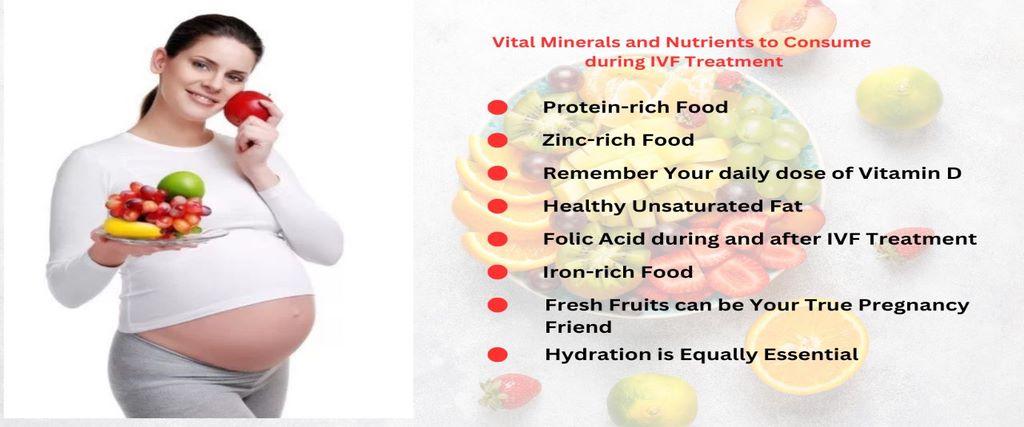
There is no mandatory list of “fertility foods.” Instead, aim for a varied and minimally processed diet.
1. Protein-Rich Foods
Protein is an important part of a balanced diet and is needed for tissue growth and repair.
Good choices include:
- Eggs, when fully cooked
- Milk and yoghurt
- Paneer in moderate portions
- Dal and lentils
- Chickpeas and kidney beans
- Soy and tofu
- Nuts and seeds
- Chicken and other lean meats
- Well-cooked fish
There is no universal requirement that every woman undergoing IVF consume exactly 60 grams of protein per day. Protein requirements vary according to body size, activity level, pregnancy status, and medical needs.
2. Green Leafy Vegetables
Include vegetables such as:
- Spinach
- Methi
- Broccoli
- Cabbage
- Beans
- Peas
- Capsicum
- Carrots
- Other seasonal vegetables
Leafy greens also provide folate, fibre and several vitamins and minerals.
3. Whole Grains and High-Fibre Foods
Choose whole or minimally processed carbohydrates more often, such as:
- Oats
- Whole-wheat roti
- Brown rice
- Millets
- Quinoa
- Barley
- Whole-grain bread
Legumes such as chickpeas, rajma, peas and lentils can also provide fibre and plant-based protein.
4. Fruits
Fresh fruits can be part of a healthy IVF diet.
Options include:
- Apples
- Oranges
- Guava
- Berries
- Pomegranate
- Bananas
- Papaya
- Pears
- Seasonal fruits
There is no strong evidence that one particular fruit, including pineapple, guarantees implantation or improves IVF success. Choose fruits for overall nutrition rather than as a fertility treatment.
5. Healthy Fats
Include moderate amounts of unsaturated fats from foods such as:
- Nuts
- Seeds
- Avocado
- Olive oil
- Groundnut oil
- Mustard oil
- Fatty fish that is low in mercury
Healthy fats can form part of a balanced dietary pattern, but they should not be viewed as an IVF success booster.
6. Folic Acid and Folate-Rich Foods
Folic acid is particularly important before conception because it helps reduce the risk of neural tube defects.
Women planning pregnancy are generally advised to take 400 micrograms (mcg) of folic acid daily, unless their healthcare professional recommends a different dose.
Food sources of folate include:
- Green leafy vegetables
- Beans
- Lentils
- Peas
- Citrus fruits
- Fortified grains
Your fertility specialist may recommend a prenatal vitamin based on your individual nutritional requirements.
7. Iron-Rich Foods
Iron is essential for making haemoglobin and supporting normal blood function.
Food sources include:
- Lentils
- Beans
- Spinach and other leafy greens
- Sesame seeds
- Pumpkin seeds
- Meat and poultry
- Iron-fortified cereals
The required amount of iron varies by life stage and pregnancy status. Do not take high-dose iron supplements unless advised by your doctor or after an assessment of your iron status.
8. Calcium and Vitamin D
Calcium and vitamin D are important for overall health and are particularly important during pregnancy.
Dietary sources can include:
- Milk
- Curd/yoghurt
- Fortified dairy alternatives
- Paneer
- Eggs
- Certain fish
Vitamin D deficiency is relatively common, but taking high-dose vitamin D without testing or medical advice is not recommended.
9. Low-Mercury Fish
You do not need to avoid all seafood during IVF.
Cooked, low-mercury fish can be part of a healthy diet. However, certain fish contain higher levels of mercury and should be avoided or limited, particularly during pregnancy. ACOG advises avoiding fish such as shark, swordfish, king mackerel, marlin and bigeye tuna during pregnancy.
Choose fish according to current pregnancy food-safety recommendations and local guidance.
Hydration During IVF
Adequate hydration is important for general health.
Drink water regularly throughout the day, and increase your intake as needed due to heat, exercise, or other circumstances.
However, there is no established evidence that drinking a specific number of glasses of water thickens the uterine lining or directly improves embryo implantation.
If you have a medical condition that requires fluid restriction, follow your doctor’s instructions.
IVF Diet Chart: What to Avoid or Limit
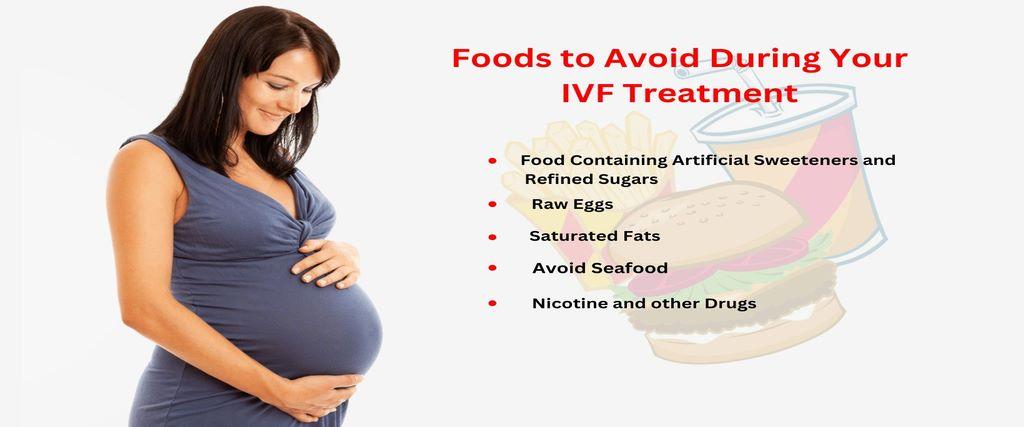
1. Alcohol
It is safest to avoid alcohol when undergoing IVF and when pregnancy is possible.
Alcohol can have adverse effects during pregnancy, and there is no established safe level of alcohol consumption during pregnancy.
2. Smoking and Tobacco
Avoid smoking and exposure to secondhand smoke.
Tobacco use is associated with poorer reproductive outcomes, and evidence indicates that smoking can negatively affect assisted reproductive treatment outcomes.
3. Excessive Caffeine
You do not necessarily need to eliminate caffeine entirely, but keeping intake below 200 mg per day is a commonly recommended safety limit during pregnancy. Remember that caffeine is also found in tea, chocolate, cola and energy drinks—not only coffee.
If you are unsure about the caffeine content of your usual drinks, ask your fertility specialist or dietitian.
4. Raw or Undercooked Eggs
Avoid raw or undercooked eggs due to the risk of foodborne illness.
Be particularly careful with foods prepared using raw eggs, such as some homemade mayonnaise, mousse and certain desserts.
5. Unpasteurized Milk and Dairy Products
Choose pasteurised milk and dairy products.
Unpasteurized products can carry bacteria that may cause serious foodborne infections during pregnancy.
6. Raw or Undercooked Meat and Seafood
Cook meat, poultry, eggs and seafood thoroughly.
Avoid raw fish and shellfish because they can increase the risk of foodborne illness.
7. High-Mercury Fish
Avoid fish known to contain high levels of mercury, particularly once pregnancy is established.
Your fertility team can provide guidance on safe seafood choices.
8. Highly Processed Foods and Excess Added Sugar
You do not need to eliminate all packaged foods from your diet.
However, try to limit frequent consumption of:
- Sugary beverages
- Sweets
- Cakes and pastries
- Highly processed snacks
- Deep-fried foods
- Processed meats
- Foods high in added sugar and saturated fat
A balanced diet is more sustainable than extreme food restrictions.
Simple 1-Day IVF Diet Chart
The following is a general example, not a personalised medical diet.
| Time | Example |
|---|---|
| Morning | Water + prescribed prenatal/folic acid supplement |
| Breakfast | Vegetable oats/poha/upma + fully cooked egg or yoghurt |
| Mid-morning | One seasonal fruit + a small handful of nuts |
| Lunch | Roti/brown rice + dal + vegetables + curd |
| Evening | Roasted chana/makhana or fruit + unsweetened tea |
| Dinner | Roti/millet + cooked vegetables + dal/paneer/chicken/fish |
| Bedtime | Milk or suitable alternative, if tolerated |
Your calorie and nutrient requirements may be different. Patients with PCOS, diabetes, thyroid disorders, anaemia, obesity, underweight, food allergies or other medical conditions may need an individualised plan.
Is Five Meals a Day Necessary During IVF?
No.
There is no universal requirement to eat five meals every day during IVF.
Some people prefer smaller, frequent meals because they experience nausea, bloating or reduced appetite during treatment. Others are comfortable with three main meals and one or two snacks.
The important point is to maintain adequate nutrition and follow the dietary advice given by your healthcare team.
Can I Eat Pineapple During IVF?
Yes, pineapple can be part of a normal, balanced diet if you tolerate it.
However, there is no strong evidence that pineapple or its core can improve embryo implantation or increase IVF success.
The same principle applies to other foods sometimes promoted online as “implantation foods.” They can be nutritious, but they should not be presented as fertility treatments.
What Should I Eat After Embryo Transfer?
After embryo transfer, you generally do not need a special “implantation diet.”
Focus on:
- Balanced meals
- Adequate protein
- Vegetables and fruits
- Whole grains
- Healthy fats
- Adequate fluids
- Folic acid/prenatal supplements as prescribed
- Safe food preparation
Avoid alcohol, smoking and unsafe foods such as raw or undercooked animal products and high-mercury fish.
Continue your prescribed IVF medications exactly as instructed.
For more information, see [Embryo Transfer] and [IVF Treatment in Srinagar].
Can Diet Improve Egg Quality During IVF?
Diet provides the nutrients required for normal bodily functions, but no specific food or diet has been proven to “repair” or guarantee better egg quality.
Egg quality is influenced by several factors, including age and ovarian biology. A healthy lifestyle can support overall reproductive health, but it should not be promoted as a guaranteed way to improve egg quality.
If you have concerns about ovarian reserve or egg quality, discuss them with your fertility specialist.
Do I Need Supplements During IVF?
Not everyone undergoing IVF needs the same supplements.
Your fertility specialist may recommend supplements based on your medical history, blood tests, dietary intake and pregnancy-planning needs.
Commonly discussed nutrients include:
- Folic acid
- Iron
- Vitamin D
- Vitamin B12
- Calcium
Do not start high-dose vitamins, minerals or herbal fertility supplements without medical advice.
IVF Diet and Lifestyle: Other Important Tips
Diet is only one part of preparing for IVF.
Take IVF Medicines on Time
Follow your fertility specialist’s instructions for hormonal injections, tablets and other medications.
Do not change the dose or stop medication without consulting your treatment team.
Stay Physically Active as Advised
Regular physical activity can support overall well-being. However, your activity level may need to be modified during ovarian stimulation or after specific procedures.
Always follow your fertility team’s instructions.
Avoid Smoking and Recreational Drugs
Smoking, tobacco and recreational drug use can negatively affect reproductive health. Tobacco cessation is particularly important when planning pregnancy.
Prioritise Sleep and Emotional Wellbeing
IVF can be physically and emotionally demanding.
Good sleep, emotional support, counselling when needed and realistic expectations can help you manage the treatment journey.
You do not need to maintain “constant positivity” for IVF to be successful. Treatment outcomes are not determined by whether a patient feels positive or anxious.
Is Strict Bed Rest Required After Embryo Transfer?
Routine strict bed rest is generally not required after embryo transfer.
Your fertility clinic may provide specific instructions about activity based on your procedure and medical circumstances. Follow those instructions rather than remaining in bed unnecessarily.
If you experience significant pain, heavy bleeding, breathing difficulty, severe abdominal swelling or other concerning symptoms after treatment, contact your fertility clinic promptly.
Can an IVF Diet Guarantee IVF Success?
No.
There is no diet, food, supplement or lifestyle change that can guarantee pregnancy or live birth through IVF.
IVF outcomes depend on multiple medical and biological factors. A healthy diet can support your overall health, but it should complement—not replace—evidence-based fertility treatment.
The WHO’s current infertility guidance supports evidence-based, patient-centred fertility care alongside healthy lifestyle measures.
Frequently Asked Questions About IVF Diet
What is the best diet during IVF treatment?
A balanced diet containing vegetables, fruits, whole grains, legumes, healthy protein sources and unsaturated fats is a practical approach. Your individual diet should be adjusted for your medical and nutritional needs.
Which foods should I avoid during IVF?
Avoid alcohol and smoking. Also avoid or limit foods with food-safety risks, including raw or undercooked eggs, meat and seafood, unpasteurized products and high-mercury fish.
Can I drink tea or coffee during IVF?
Moderate caffeine intake may be acceptable, but during pregnancy and when pregnancy is possible, keeping caffeine below 200 mg per day is commonly advised.
Can I eat fish during IVF?
Yes. Seafood does not need to be completely eliminated. Choose properly cooked, low-mercury fish and avoid high-mercury varieties according to pregnancy food-safety recommendations.
Is pineapple good for IVF implantation?
Pineapple can be part of a healthy diet, but there is no strong evidence that eating pineapple increases embryo implantation or IVF success.
Should I take folic acid during IVF?
Women planning pregnancy are generally advised to take 400 mcg of folic acid daily, unless their doctor recommends another dose.
Do I need five meals a day during IVF?
No. There is no universal requirement to eat five meals daily. Choose a meal pattern that meets your nutritional needs and feels comfortable for you.
Can an IVF diet improve my chances of pregnancy?
A nutritious diet supports general health, but no specific IVF diet has been proven to guarantee pregnancy or live birth. IVF success depends on many individual factors.
Final Takeaway: IVF Diet Chart
Following a healthy IVF diet chart can help you maintain good nutrition throughout fertility treatment, but there is no miracle food that guarantees implantation or IVF success.
Focus on a varied diet with vegetables, fruits, whole grains, legumes, lean proteins, nuts, seeds, and appropriate sources of healthy fats. Take folic acid and other supplements only as recommended by your healthcare professional.
Most importantly, avoid smoking and recreational drugs, avoid alcohol, keep caffeine moderate, and follow pregnancy food-safety precautions.
Your fertility specialist can help you create an IVF nutrition plan based on your medical history, treatment protocol and nutritional requirements.
If you are planning IVF treatment in Srinagar, you can consult the fertility team at Imprimis IVF & Fertility Centre, Srinagar for an individualised fertility assessment and treatment plan.
Medical Review & Clinic Information
Medical Reviewer: Imprimis IVF Team
Last Updated: September 19, 2026
Clinic: Imprimis IVF & Fertility Centre, Srinagar
Address: 2nd Floor, S R Plaza, Hyderpora Flyover, Hyderpora, Srinagar – 190014
Medical Disclaimer: This article is intended for educational purposes and should not replace personalised medical advice, diagnosis or treatment. Dietary requirements during IVF can vary considerably. Consult your fertility specialist or qualified dietitian before making significant dietary or supplement changes.