Why Imprimis IVF Is the Best IVF Centre in Jammu and Kashmir for Complex Infertility Cases

Jammu & Kashmir, India – In a region where access to advanced fertility care has long been limited, Imprimis IVF is redefining reproductive healthcare with science-led treatments, ethical practices, and consistently strong outcomes, especially for complex infertility cases. With a growing footprint across India and a patient-first philosophy, Imprimis IVF has emerged as the most trusted IVF centre in Jammu & Kashmir, offering hope to couples who were once told their chances were minimal.

This press release explores why Imprimis IVF stands apart, how it handles high-complexity fertility challenges, and what makes it the preferred destination for patients across Jammu & Kashmir and neighbouring regions.

Understanding the Rising Need for an Advanced IVF Centre in Jammu & Kashmir

Understanding the Rising Need for Advanced IVF Centre in Jammu & Kashmir

Infertility is no longer a rare concern. Medical data and on-ground realities indicate a steady rise in infertility cases due to late marriages, hormonal imbalances, PCOS, endometriosis, male factor infertility, stress, and lifestyle changes. In Jammu & Kashmir, couples often face an added challenge, limited access to tertiary-level fertility care, forcing many to travel outside the state.

Imprimis IVF bridges this gap by bringing metro-grade IVF technology and expertise to the region, ensuring patients receive world-class fertility treatment without the burden of long-distance travel.

A Centre Built for Complex Infertility Cases – Imprimis IVF

A Centre Built for Complex Infertility Cases – Imprimis IVF

What truly differentiates Imprimis IVF is its specialisation in complex and previously failed infertility cases. These include:

  • Repeated IVF failures
  • Low ovarian reserve (low AMH)
  • Severe male infertility (azoospermia, oligospermia)
  • Endometriosis and uterine abnormalities
  • Advanced maternal age pregnancies
  • Genetic or chromosomal concerns
  • Unexplained infertility

Rather than offering a one-size-fits-all approach, Imprimis IVF follows deep diagnostic protocols, ensuring each treatment plan is customised to the patient’s biology and reproductive history.

Advanced IVF Technology That Matches Global Standards

Advanced IVF Technology That Matches Global Standards

At the core of Imprimis IVF’s success is its cutting-edge fertility infrastructure. The centre is equipped with:

  • State-of-the-art embryology laboratories
  • Advanced ICSI and IMSI facilities
  • Blastocyst culture and vitrification
  • Time-lapse embryo monitoring
  • High-end ultrasound and hormonal diagnostics
  • Stringently controlled clean-room labs

These technologies significantly improve embryo selection, implantation rates, and overall IVF success, especially in medically challenging cases.

Highly Experienced Fertility Specialists and Embryologists – Imprimis IVF

Highly Experienced Fertility Specialists and Embryologists - Imprimis IVF

Behind every successful IVF journey is an expert team, and Imprimis IVF prides itself on its highly qualified fertility doctors, embryologists, and clinical staff.

The centre’s specialists bring:

  • Years of hands-on experience in handling high-risk infertility
  • Training from leading national and international fertility institutions
  • Strong expertise in reproductive endocrinology and embryology

This depth of clinical knowledge allows the team to anticipate complications early, adjust protocols in real time, and optimise outcomes, a critical factor in complex cases.

Evidence-Based, Ethical, and Transparent Treatment Protocols

In an industry where overpromising is common, Imprimis IVF takes a refreshingly ethical approach. The centre is known for:

  • Clear communication of success probabilities
  • Honest evaluation of each case
  • Avoidance of unnecessary procedures
  • Transparent pricing and counselling

Patients are guided with realistic expectations, empowering them to make informed decisions at every step of their fertility journey.

Personalised IVF: No Two Patients Are Treated Alike

One of the strongest pillars of Imprimis IVF’s success is its belief in personalised medicine. Each couple undergoes a comprehensive evaluation that includes:

  • Hormonal profiling
  • Genetic and metabolic screening (when required)
  • Uterine and ovarian assessment
  • Sperm DNA and functional tests

Based on these insights, the medical team designs tailored stimulation protocols, embryo transfer strategies, and supportive therapies, ensuring the highest chance of success for even the most complex cases.

High IVF Success Rates in Challenging Scenarios

While success rates vary depending on medical complexity, Imprimis IVF has consistently demonstrated encouraging outcomes in difficult cases, including patients with prior failed cycles elsewhere.

These results are driven by:

  • Precision-driven protocols
  • Advanced embryo selection techniques
  • Continuous monitoring and protocol optimization
  • High lab standards and quality control

For couples who have experienced repeated disappointment, this clinical excellence often becomes the turning point.

Emotional Support and Compassionate Care

Infertility treatment is not just a medical journey; it is an emotional one. Imprimis IVF recognises this deeply and integrates compassionate counselling and patient support into every stage of care.

Patients frequently highlight:

  • Empathetic consultations
  • Accessible doctors and care coordinators
  • Respect for emotional and cultural sensitivities
  • A non-judgmental, supportive environment

This holistic approach helps reduce stress, improve patient confidence, and foster a more positive treatment experience.

Accessibility for Jammu & Kashmir Patients

By establishing advanced IVF services within the region, Imprimis IVF has made high-quality fertility care accessible and affordable for couples in Jammu & Kashmir.

Key advantages include:

  • Reduced travel and accommodation costs
  • Continuity of care close to home
  • Easier follow-ups and monitoring
  • Family support during treatment

This accessibility has positioned Imprimis IVF as the first-choice fertility centre for local patients as well as those from nearby states.

Commitment to Continuous Innovation and Learning

Medicine evolves rapidly, and so does Imprimis IVF. The centre actively invests in:

  • Latest fertility research and clinical updates
  • Regular training and skill enhancement
  • Upgrading laboratory and diagnostic technology
  • Adopting globally accepted best practices

This commitment ensures that patients always receive current, evidence-backed treatments, not outdated protocols.

Trust Built on Results, Ethics, and Patient Stories

The reputation of Imprimis IVF is built not on marketing claims, but on real patient success stories, ethical practices, and consistent clinical outcomes. Word-of-mouth referrals, repeat patients, and long-term trust from the community speak volumes about the centre’s credibility.

For many families in Jammu & Kashmir, Imprimis IVF is not just a clinic; it is the place where hope was restored, and dreams of parenthood became reality.

Conclusion: Setting a New Benchmark for IVF Centre in Jammu & Kashmir

In a region that needed reliable, advanced fertility care, Imprimis IVF has raised the standard. With its expert medical team, world-class technology, personalised protocols, and ethical patient-first approach, it has rightfully earned recognition as the best IVF centre in Jammu & Kashmir for complex infertility cases.

For couples navigating the uncertainty of infertility, especially those facing medical challenges, Imprimis IVF stands as a beacon of trust, science, and compassion, offering not just treatment but a genuine chance at new beginnings.

Imprimis IVF Centre Branches: –

Best IVF Centre in Srinagar, Kashmir
Best IVF Centre in Jammu

IVF Centre in Leh Ladakh

Best IVF Centre in Bhubaneswar

Best IVF Centre in Rajouri

IVF Centre in Poonch

Infertility Treatments Option Explained: IVF, IUI, and ICSI

Infertility can be an emotionally challenging experience for couples trying to conceive. While the desire to start a family is deeply personal, the journey to parenthood does not always happen naturally for everyone. Fortunately, advances in reproductive medicine have made it possible for millions of couples around the world to achieve pregnancy through modern infertility treatments.

Today, treatments such as IVF (In Vitro Fertilisation), IUI (Intrauterine Insemination), and ICSI (Intracytoplasmic Sperm Injection) have transformed fertility care. These procedures offer hope to couples struggling with issues such as low sperm count, blocked fallopian tubes, ovulation disorders, unexplained infertility, and more.

In this comprehensive guide, we will explain how these treatments work, their success rates, advantages, limitations, and when doctors recommend them. By understanding these options, couples can make informed decisions about their fertility journey.

Understanding Infertility Treatments: When Should You Consider?

Understanding Infertility Treatment

Before exploring the treatments themselves, it is important to understand what infertility means.

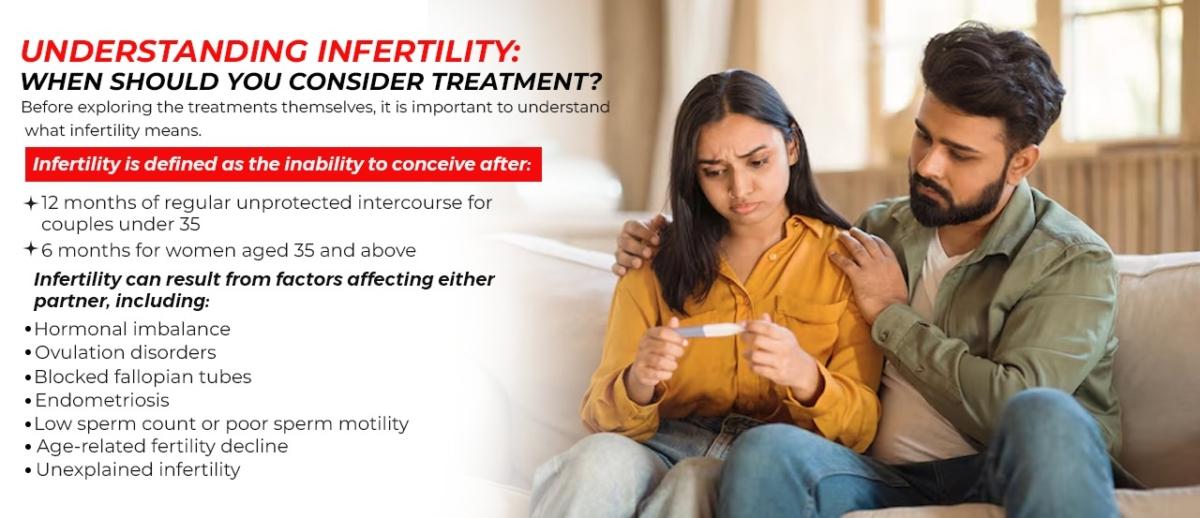
Infertility is defined as the inability to conceive after:

  • 12 months of regular unprotected intercourse for couples under 35
  • 6 months for women aged 35 and above

Infertility can result from factors affecting either partner, including:

  • Hormonal imbalance
  • Ovulation disorders
  • Blocked fallopian tubes
  • Endometriosis
  • Low sperm count or poor sperm motility
  • Age-related fertility decline
  • Unexplained infertility

A fertility specialist typically performs a series of tests, including hormone tests, ultrasound scans, and semen analysis, to determine the most suitable treatment approach.

Types of Infertility Treatments

Types of Infertility Treatments

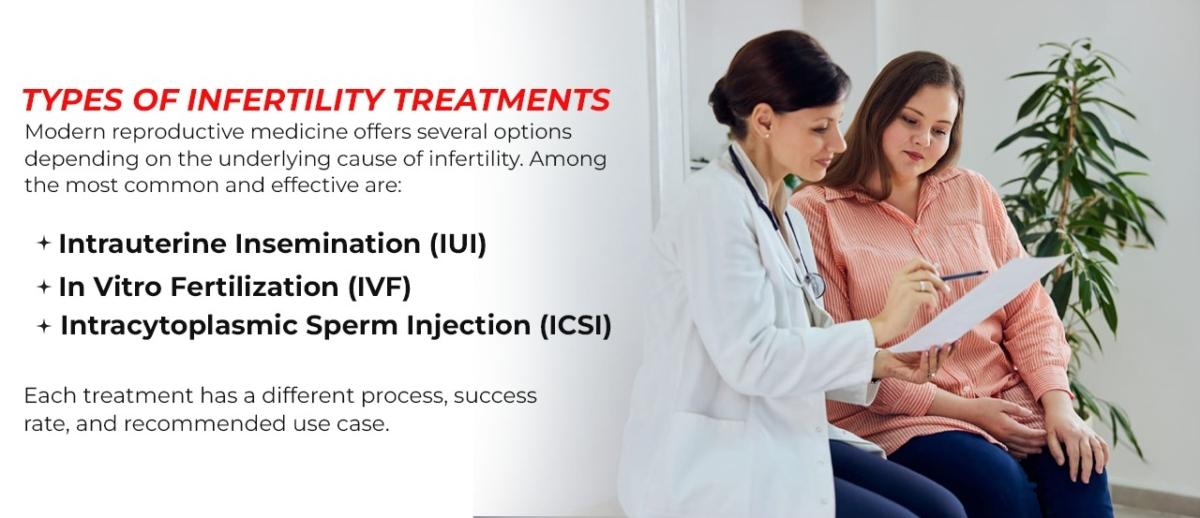
Modern reproductive medicine offers several options depending on the underlying cause of infertility. Among the most common and effective are:

Each treatment has a different process, success rate, and recommended use case.

What Is IUI (Intrauterine Insemination)?

What is IUI - Infertility Treatments

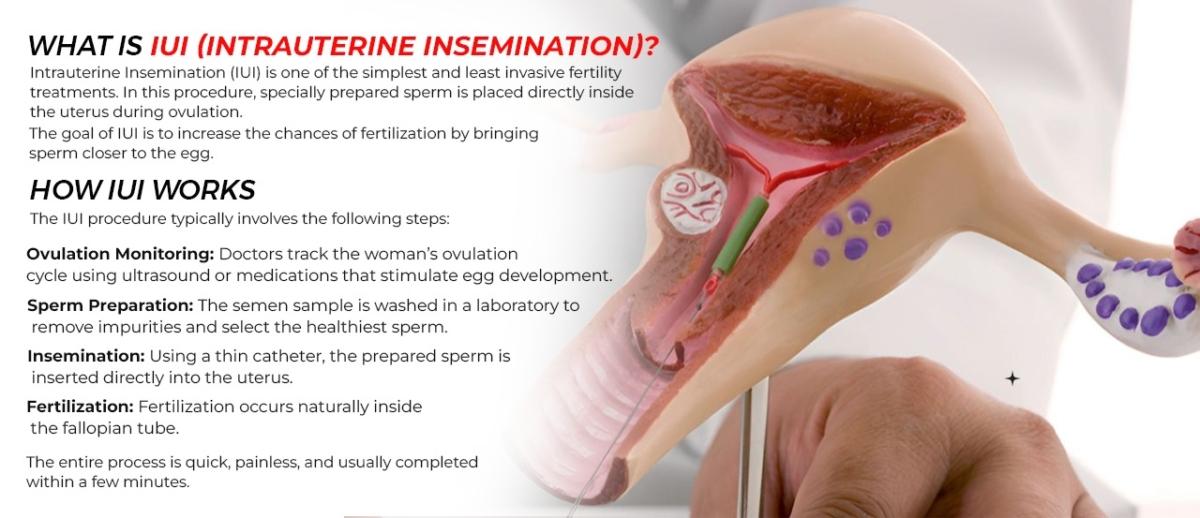
Intrauterine Insemination (IUI) is one of the simplest and least invasive fertility treatments. In this procedure, specially prepared sperm is placed directly inside the uterus during ovulation.

The goal of IUI is to increase the chances of fertilisation by bringing sperm closer to the egg.

How IUI Works

The IUI procedure typically involves the following steps:

  1. Ovulation Monitoring
     Doctors track the woman’s ovulation cycle using ultrasound or medications that stimulate egg development.
  2. Sperm Preparation
     The semen sample is washed in a laboratory to remove impurities and select the healthiest sperm.
  3. Insemination
     Using a thin catheter, the prepared sperm is inserted directly into the uterus.
  4. Fertilization
     Fertilisation occurs naturally inside the fallopian tube.

The entire process is quick and painless, typically completed within a few minutes.

IUI Success Rates

IUI Success Rate

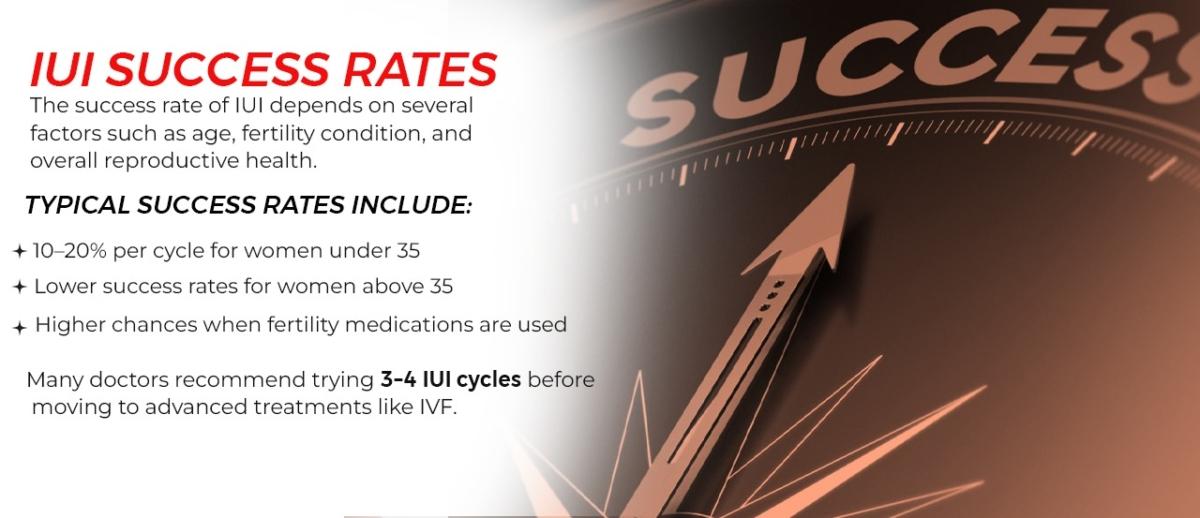
The success rate of IUI depends on several factors, such as age, fertility condition, and overall reproductive health.

Typical success rates include:

  • 10–20% per cycle for women under 35
  • Lower success rates for women above 35
  • Higher chances when fertility medications are used

Many doctors recommend trying 3–4 IUI cycles before moving to advanced treatments like IVF.

Pros and Cons of IUI

Pros and Cons of IUI

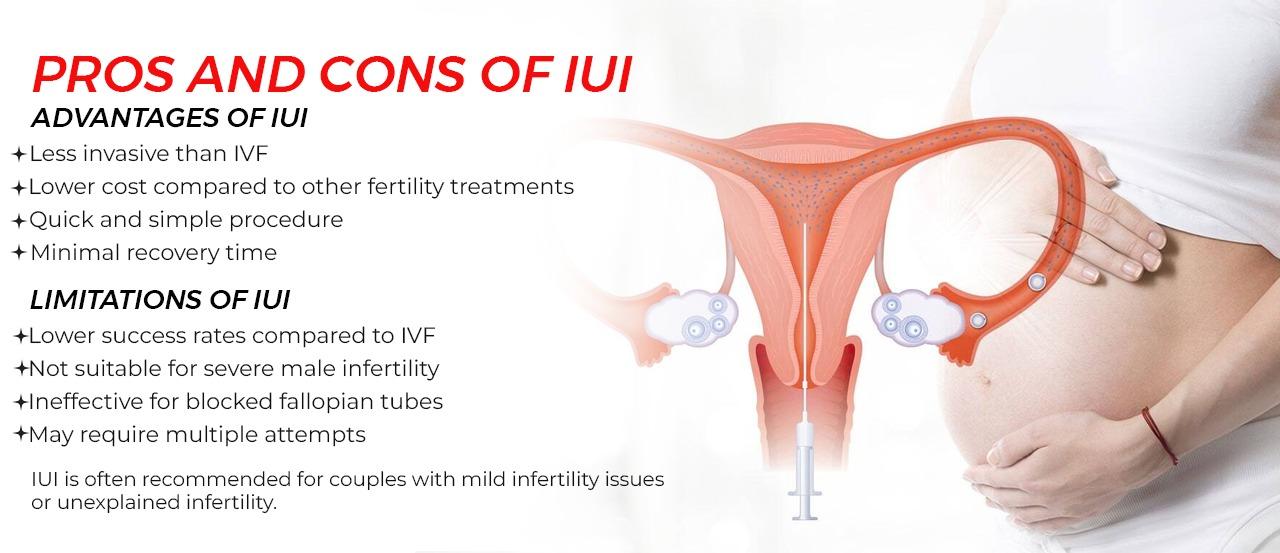
Advantages of IUI

  • Less invasive than IVF
  • Lower cost compared to other fertility treatments
  • Quick and simple procedure
  • Minimal recovery time

Limitations of IUI

  • Lower success rates compared to IVF
  • Not suitable for severe male infertility
  • Ineffective for blocked fallopian tubes
  • May require multiple attempts

IUI is often recommended for couples with mild infertility issues or unexplained infertility.

What Is IVF (In Vitro Fertilisation)?

What is IVF - Infertility Treatments

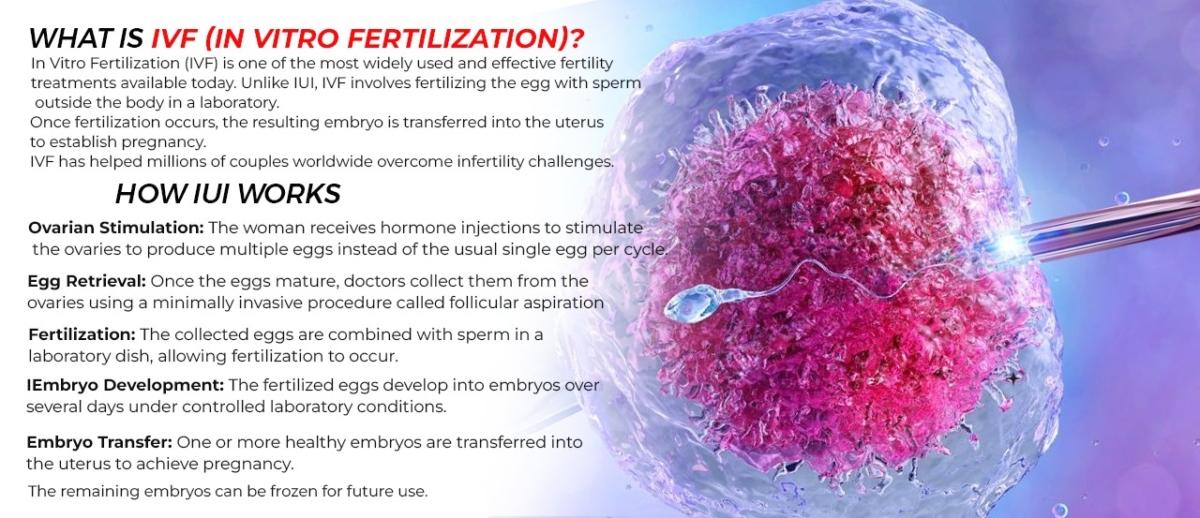
In Vitro Fertilisation (IVF) is one of the most widely used and effective fertility treatments available today. Unlike IUI, IVF involves fertilising the egg with sperm outside the body in a laboratory.

Once fertilisation occurs, the resulting embryo is transferred into the uterus to establish pregnancy.

IVF has helped millions of couples worldwide overcome infertility challenges.

How IVF Works

The IVF process typically involves several carefully monitored steps.

1. Ovarian Stimulation

The woman receives hormone injections to stimulate the ovaries to produce multiple eggs instead of the usual single egg per cycle.

2. Egg Retrieval

Once the eggs mature, doctors collect them from the ovaries using a minimally invasive procedure called follicular aspiration.

3. Fertilization

The collected eggs are combined with sperm in a laboratory dish, allowing fertilisation to occur.

4. Embryo Development

The fertilised eggs develop into embryos over several days under controlled laboratory conditions.

5. Embryo Transfer

One or more healthy embryos are transferred into the uterus to achieve pregnancy.

The remaining embryos can be frozen for future use.

IVF Success Rates

IVF Success Rate

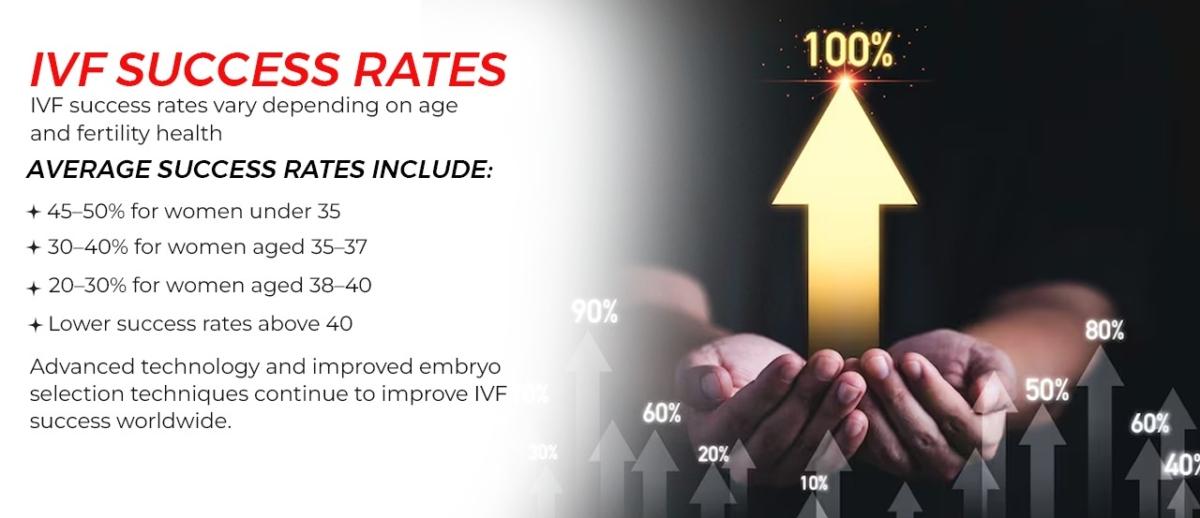
IVF success rates vary depending on age and fertility health.

Average success rates include:

  • 45–50% for women under 35
  • 30–40% for women aged 35–37
  • 20–30% for women aged 38–40
  • Lower success rates above 40

Advanced technology and improved embryo selection techniques continue to improve IVF success worldwide.

Pros and Cons of IVF

Pros and Cons of IVF

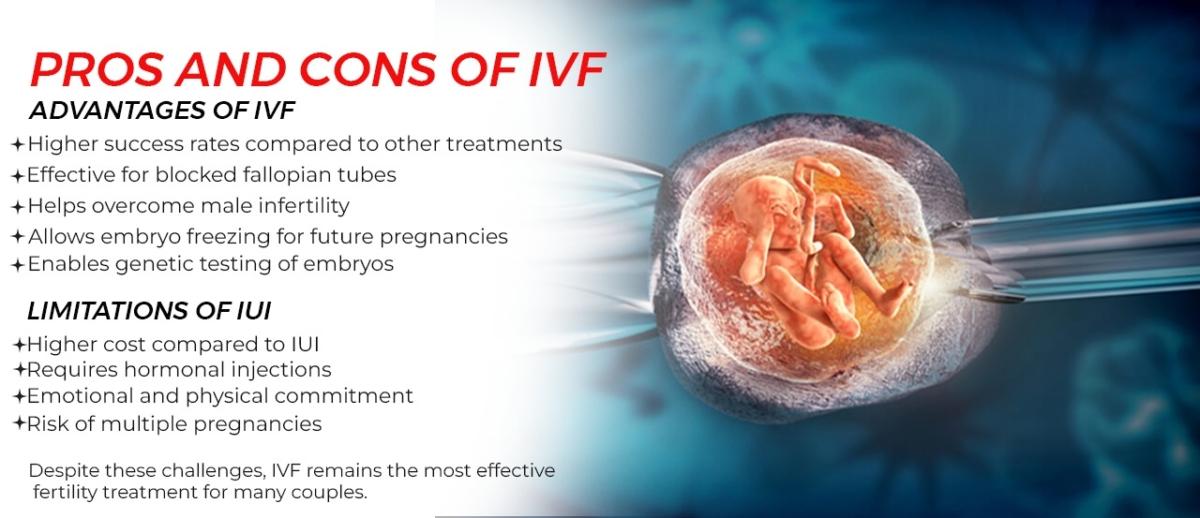
Advantages of IVF

  • Higher success rates compared to other treatments
  • Effective for blocked fallopian tubes
  • Helps overcome male infertility
  • Allows embryo freezing for future pregnancies
  • Enables genetic testing of embryos

Limitations of IVF

  • Higher cost compared to IUI
  • Requires hormonal injections
  • Emotional and physical commitment
  • Risk of multiple pregnancies

Despite these challenges, IVF remains the most effective fertility treatment for many couples.

What Is ICSI (Intracytoplasmic Sperm Injection)?

What is ICSI - Infertility Treatments

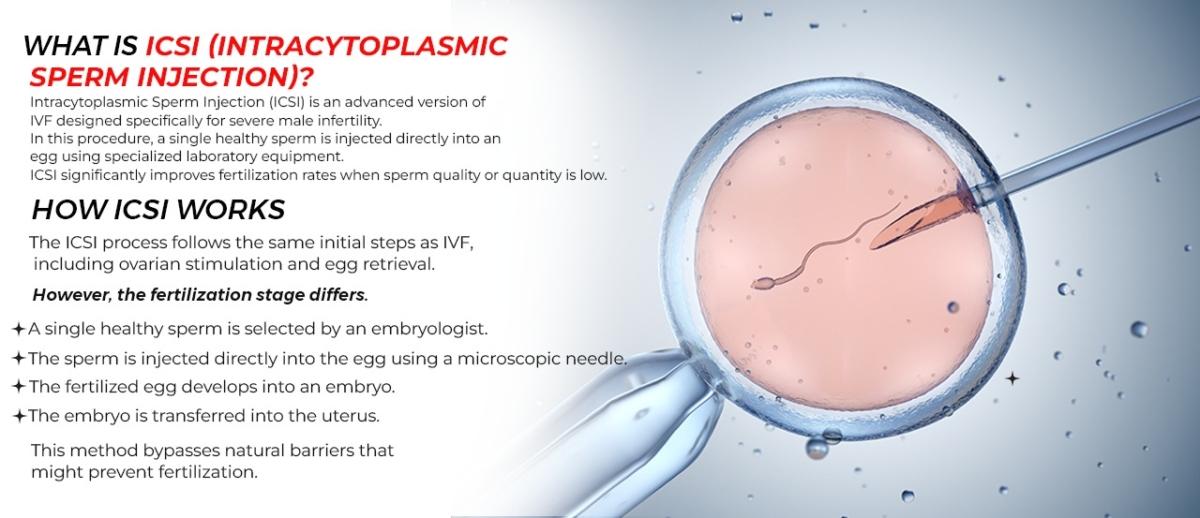
Intracytoplasmic Sperm Injection (ICSI) is an advanced version of IVF designed specifically for severe male infertility.

In this procedure, a single healthy sperm is injected directly into an egg using specialised laboratory equipment.

ICSI significantly improves fertilisation rates when sperm quality or quantity is low.

How ICSI Works

The ICSI process follows the same initial steps as IVF, including ovarian stimulation and egg retrieval.

However, the fertilisation stage differs.

  1. A single healthy sperm is selected by an embryologist.
  2. The sperm is injected directly into the egg using a microscopic needle.
  3. The fertilised egg develops into an embryo.
  4. The embryo is transferred into the uterus.

This method bypasses natural barriers that might prevent fertilisation.

ICSI Success Rates

ICSI Success Rates

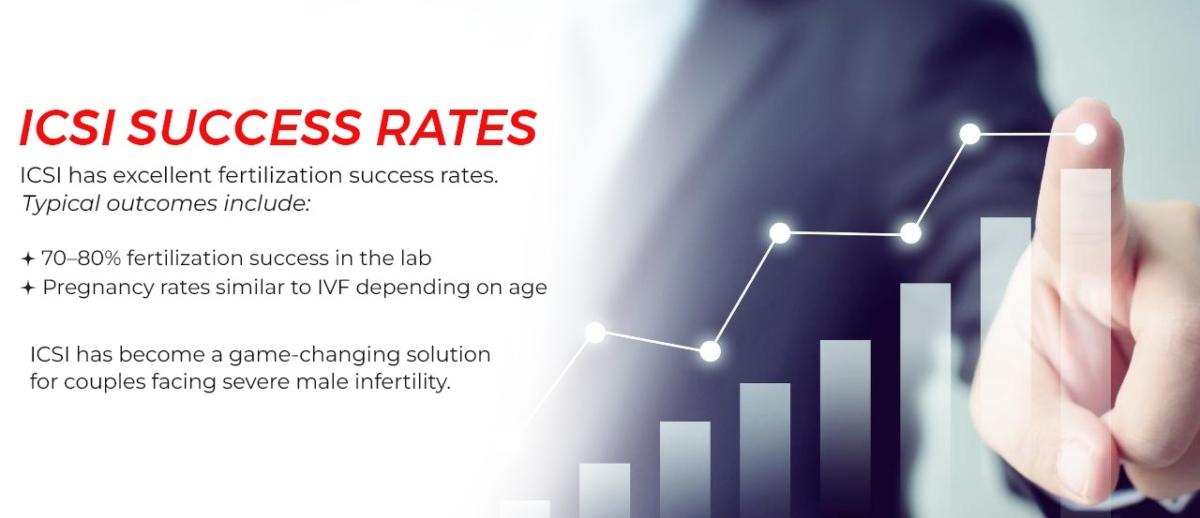
ICSI has excellent fertilisation success rates.

Typical outcomes include:

  • 70–80% fertilization success in the lab
  • Pregnancy rates similar to IVF, depending on age

ICSI has become a game-changing solution for couples facing severe male infertility.

Pros and Cons of ICSI

Pros and Cons of ICSI

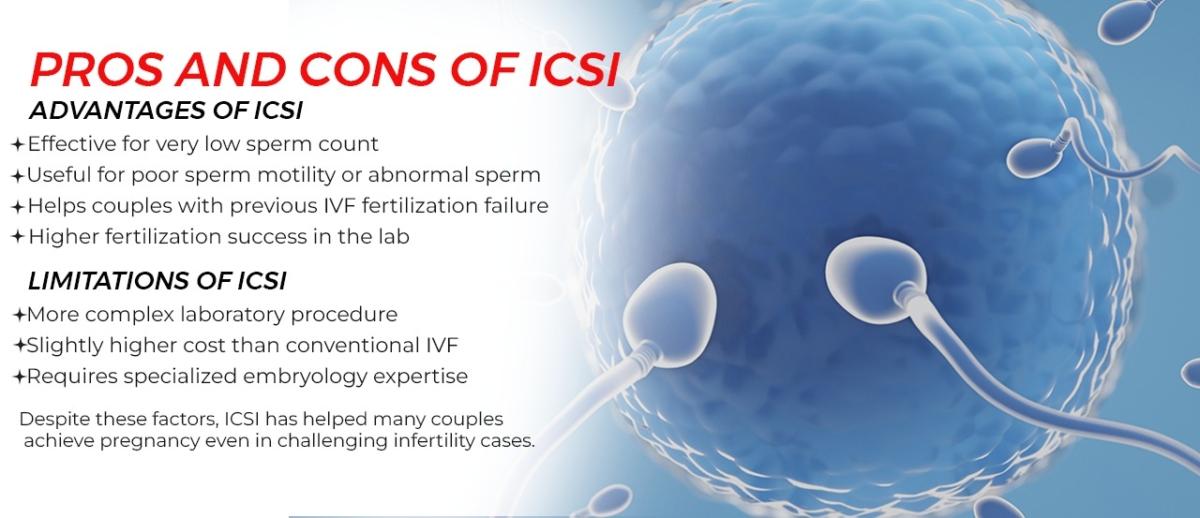
Advantages of ICSI

  • Effective for a very low sperm count
  • Useful for poor sperm motility or abnormal sperm
  • Helps couples with previous IVF fertilisation failure
  • Higher fertilisation success in the lab

Limitations of ICSI

  • More complex laboratory procedure
  • Slightly higher cost than conventional IVF
  • Requires specialised embryology expertise

Despite these factors, ICSI has helped many couples achieve pregnancy even in challenging infertility cases.

How Doctors Choose the Right Treatment

Choosing the right infertility treatments depends on several factors, including:

  • Age of the woman
  • Cause of infertility
  • Duration of infertility
  • Previous treatment attempts
  • Overall reproductive health

Doctors may recommend:

A personalised treatment plan ensures the best possible chance of success.

Lifestyle Factors That Can Improve the Success of Infertility Treatments

While medical treatments play a key role, lifestyle choices can also impact fertility outcomes.

Couples preparing for fertility treatment should consider:

  • Maintaining a healthy weight
  • Eating a balanced, IVF diet Plan
  • Avoiding smoking and alcohol
  • Managing stress levels
  • Getting regular sleep and exercise

Healthy habits support the body during fertility treatments and can improve overall reproductive health.

Emotional Aspects of Fertility Treatment

Fertility treatments can be emotionally intense for couples. The process often involves anticipation, hope, and sometimes disappointment.

It is important to:

  • Seek emotional support
  • Communicate openly with your partner
  • Consider counselling if needed
  • Stay informed and patient throughout the process

A supportive environment can make the fertility journey easier to navigate.

Conclusion

Understanding infertility treatment options such as IUI, IVF, and ICSI is an important step for couples who are planning their journey toward parenthood. Each treatment has its own advantages, success rates, and medical indications, which is why choosing the right fertility centre and expert guidance becomes crucial. With the right diagnosis, advanced technology, and a personalised treatment plan, many couples who struggle with infertility can successfully achieve pregnancy.

At Imprimis IVF, the focus is on providing comprehensive, patient-centred fertility care supported by modern reproductive technology and experienced fertility specialists. From detailed fertility evaluations to advanced procedures like IVF and ICSI, every step of the treatment process is designed to maximise success while ensuring comfort and transparency for patients. The clinic combines state-of-the-art embryology labs, personalised fertility protocols, and compassionate care to help couples navigate their fertility journey with confidence.

Whether you are considering IUI as a first step or advanced infertility treatments like IVF and ICSI, the fertility expert team at Imprimis IVF works closely with every patient to create a treatment plan tailored to their specific needs. With a commitment to clinical excellence and a deep understanding of the emotional aspects of infertility, Imprimis IVF strives to turn the dream of parenthood into reality for hopeful families.

Imprimis IVF Centre Branches: –

Best IVF Centre in Srinagar, Kashmir
Best IVF Centre in Jammu

IVF Centre in Leh Ladakh

Best IVF Centre in Bhubaneswar

Best IVF Centre in Rajouri

IVF Centre in Poonch

IVF vs IUI Which is Better

IVF vs IUI

Assisted Reproductive Technology (ART) offers several treatment options for infertile couples to achieve pregnancy. However, it might be overwhelming for a couple to choose the best one for them. In most cases, couples are stuck between in vitro fertilisation and Intrauterine insemination. The answer to this tussle between IVF vs IUI is based on several medical and financial parameters. In this article, Imprimis IVF, the best IVF centre in Srinagar, will help you find your answer. 

Whether a couple should opt for IVF vs IUI depends on a range of essential factors like age, genetic condition, medical condition of the couple, previous ART treatment failures, etc. The fertility expert can only decide which is better after running various tests and examining your situation thoroughly.  

Female fertility revolves around the well-being of the uterus, fallopian tubes, and ovaries. If these reproductive parts’ natural functioning is compromised for any reason, it may lead to infertility. 

Sperm Morphology-

Sperm Morphology considers the shape and size of the sperm ejaculated by the male partner. Semen analysis is conducted. Sperm ejaculated by the man is examined based on three parameters: 

Sperm Motility-: 

The sperm should be able to swim through the female reproductive system to fertilise the egg in the fallopian tube. Typically, the motility of the sperm should be 40% to reach the egg for fertilisation. 

Sperm Count-: 

Ideally, the male partner should ejaculate more than 15 million sperm per mL of the semen sample. 

Cost of IUI and IVF Treatment

Intrauterine insemination is the most basic ART procedure. It is because IUI is a more natural process, as the egg fertilises inside the female uterus, just like in natural conception. At the same time, in vitro fertilisation is a complicated procedure that involves five steps. In IVF, the egg is fertilised in a petri dish in a state-of-the-art laboratory, i.e., outside the uterus of the woman. The embryo so formed is implanted in the uterus, where it grows into a baby. 

In addition, IUI is an easy, cost-effective, and less time-consuming fertility treatment. In IUI, a couple has fewer appointments with the reproductive specialist than in IVF.

IUI treatment costs in India vary with geographical location and medical history. But on average, the cost lies somewhere between 8,000 to 25,000 INR. The cost of IUI treatment in Srinagar is between 15,000 to 35,000 INR. 

The cost of IVF treatment in India greatly varies with the location of the fertility clinic, the medical condition of the couple, the medical expertise, and the infrastructure. Considering all these factors, the cost is estimated to be around 1,00,000 to 3,50,000 INR. The average IVF treatment cost in Srinagar is between 1,00,000 to 2,75,000 INR. If you are looking for the best IVF centre in Srinagar that is also affordable, there’s no better option than Imprimis IVF. 

Conditions that Point Toward IUI Treatment 

IUI is generally performed when the female partner is fertile and has no other medical conditions that may cause any issue in achieving pregnancy. But the sperm ejaculated by the male partner cannot fertilise the egg. IUI is also recommended for a male with retrograde ejaculation and unexplained infertility. 

The sperm sample of the male partner is prepared. This process is termed sperm preparation. The semen sample is washed or processed to remove all the impurities. Good quality and motile sperm are separated. Then, with the help of a catheter, the selected sperm is injected directly into the uterus of the female partner. The entire IUI process of injecting sperm takes 5-10 minutes and is generally performed without anaesthesia. 

Conditions that Point Toward IVF Treatment

IVF starts with stimulating the ovaries, followed by egg retrieval. Side by side, sperm are also retrieved from the male partner. The 4th step is fertilising the egg, which gets implanted in the uterus. The entire IVF process ideally takes 6-8 weeks to complete. 

IVF treatment is mainly recommended for women with the following medical conditions.

  • If the IUI procedure fails three consecutive times, it is advised to go for IVF treatment.
  • Genetic disorders.
  • The woman’s age is above 35 years.
  • Blocked fallopian tubes
  • Polycystic Ovary Syndrome (PCOS).
  • Recurrent abortions.
  • In case a woman has a poor ovarian reserve.
  • A woman with endometriosis(the proper implantation of the embryo in the uterine wall) can rely on IVF.
  • A couple has been trying to conceive for more than a decade without success.

Medical Conditions in Men

Apart from women-related fertility issues, some severe medical conditions in men might be the root cause of infertility. IVF is found to be the most suitable fertility treatment for the following medical conditions in men: 

  • If the male partner has severe oligospermia, the sperm concentration is as low as 1-5 million sperm per millilitre of the semen sample. 
  • A man may have azoospermia, which is a severe reproductive shortcoming. In azoospermia, zero or no sperm are ejaculated during intercourse.
  • IVF is one of the best treatments for males with genetic conditions like Klinefelter Syndrome.

IVF also unlocks the opportunity for couples to choose donor embryos, donor eggs, and donor sperm to get pregnant. Same-sex couples can also welcome their little ones with IVF. Another boon of IVF treatment is that a couple with medical ailments may seek a surrogate mother. 

In the modern era, people prefer not to marry in their twenties. But because pregnancy is an age-dependent parameter, infertility is rising due to modern choices and lifestyle. However, at the same time, the youth are gaining more awareness about infertility and its treatment options. 

Nowadays, a plethora of young people is taking the help of IVF to freeze their eggs and sperm to stay on the safer side. If natural conception doesn’t bring fruitful results, they can use their frozen eggs and sperm reserve timely manner and embark on their journey of parenthood. 

Which is more Painful, IVF vs IUI? 

IUI is a painless procedure generally carried out without giving anaesthesia to the woman. You may feel a sense of discomfort when the needle carrying the washed and processed sperm makes its way through the vagina to reach the egg. If a patient is sensitive to a needle, then the patient is given some painkillers before the treatment. 

Moving further to IVF, it is also a painless treatment. However, a woman sensitive to injections can feel a little pain as 15-30 injections are administered to stimulate the ovaries. Apart from this, the entire procedure of IVF doesn’t involve any surgery that may cause pain. 

Success Rates of Intrauterine Insemination and In-vitro Fertilisation

The success rates of IUI lie between 12-15% per attempt. In contrast, the success rates of IVF lie between 30-40% per cycle. The success rates of IVF vary significantly with the age of a woman. If a woman is under 35 years of age, then she has a better success rate of getting pregnant with IVF. But if a woman is over 35, success rates fall between 25% and 30% per cycle. 

Once a woman crosses 40, IVF success rates decline to 16% per cycle. And as she reaches 45, the chances of success stand at 7% per cycle. 

Some people have this misconception that IVF will result in pregnancy. But in reality, IVF has its fair share of limitations. Some couples have been through several cycles of IVF but are still struggling to get pregnant. 

It is a fact that IVF offers a higher chance of conceiving a baby. However, it must be remembered that IVF doesn’t provide a 100% guarantee of achieving pregnancy. Medical studies and research are in progress to develop methods that increase the success rate, especially in older women. 

A couple needs to undergo IVF treatment in a laboratory equipped with modern incubators, microscopes, lasers, fertilisation media, coda air filters, micromanipulators, workstations, filters, etc. If you are looking for one such laboratory armed with medical expertise for your IVF treatment in Srinagar, we welcome you with open arms at Imprimis IVF. 

Final Words for IVF vs IUI

Articles, videos, and other material help you know and understand medical treatments like IVF vs IUI. However, these sources alone can’t be used to decide the best treatment option. Every couple has specific medical conditions that can not be generalised. Only a reproductive expert can help you choose the best for you and increase your chances of success. Imprimis IVF, the best IVF centre in Srinagar, cordially requests you to visit an experienced fertility expert for consultation. 

The success rate of ART also depends on your lifestyle, stress levels, and mindset. So, try to maintain a healthy lifestyle and a positive attitude so that you will be a parent very soon!

Imprimis IVF Centre Branches: –

Best IVF Centre in Srinagar

Best IVF Centre in Jammu

IVF Centre in Leh Ladakh

Best IVF Centre in Bhubaneswar