Freezing of Eggs, Embryos, and Sperms: All You Need to Know About Cryopreservation!

The ability to freeze embryos has emerged as a powerful tool. This process, known as cryopreservation, offers individuals and couples a chance to defy the traditional biological clock, allowing them to preserve their fertility for a future pregnancy. The chance to delay parenthood is a relatively new phenomenon.

Medical advances such as cryopreservation, freezing and storing gametes and embryos for later use, allow individuals and couples to control their family planning schedules. This article introduces the world of cryopreservation and explores its applications, benefits, and considerations.

Why is Cryopreservation an Emerging Trend?

Cryopreservation is no longer a futuristic concept but an established medical practice. Infertility centres in and around the world are interested in freezing eggs, sperm, and embryos.

Social factors such as higher education, career aspirations, or simply a desire to find the right partner lead people to preserve their fertility for a future pregnancy. The decision to freeze eggs, sperm, or embryos is quite, personal.

As a process, cryopreservation is an expensive process & medical insurance may not cover fertility treatments, so you must consider your goals & discuss them thoroughly with your partner, before making this decision.

Why Should You Opt for Cryopreservation?
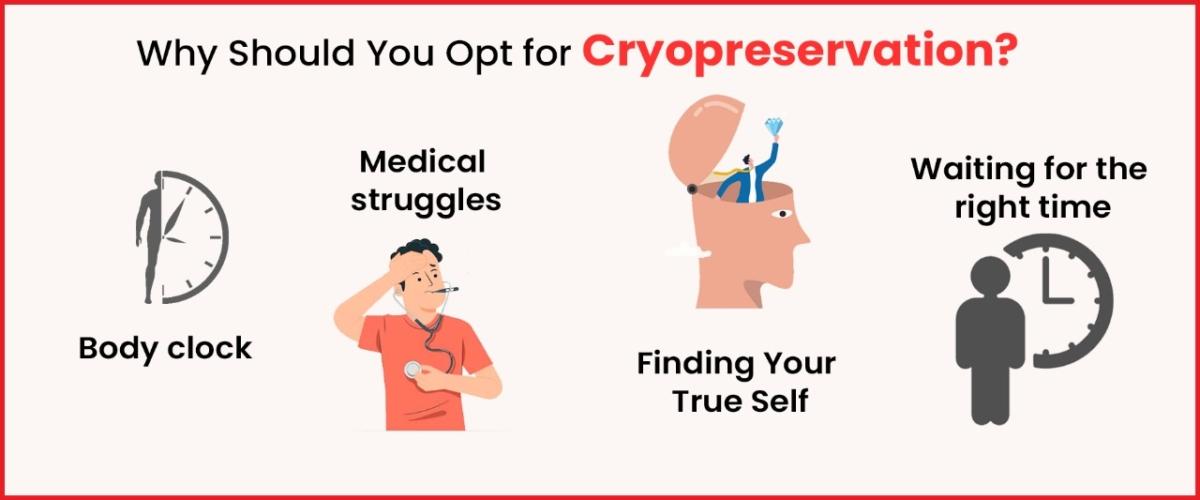
Why Should You Opt for Cryopreservation

You must be wondering, why cryopreservation has been an emerging trend suddenly & why is everyone talking about it. Let’s dive into some reasons:

1. Body Clock

As we age, our fertility naturally declines. Think of eggs and sperm as superheroes because they’re the strongest when they’re young. Cryopreservation allows you to freeze eggs and sperm at their peak, giving you a better chance of getting pregnant later.

2. Medical struggles:

Cancer treatment can be hard on the body, including our reproductive system. Cryopreservation offers hope because it allows you to freeze whole eggs or sperm before treatment so you can have a family after recovery.

3. Finding Your True Self

Gender reassignment can affect fertility. Cryopreservation allows transgender people to preserve their ability to have children before hormone therapy or surgery.

4. Waiting for the right time

Maybe you’re busy building your career or haven’t found the perfect partner yet. Cryopreservation gives singles and couples the flexibility to freeze eggs, sperm, or even embryos so they can start a family when they are ready.

Does Freezing Damage Embryos?

A persistent question often arises: Does freezing harm embryos? The answer is that, like many things in science, it is not a simple yes or no.

Cryopreservation is a time- and temperature-sensitive process, and while the technology has continued to advance, there are inherent risks. Freezing can damage embryos, and thawing them later can also damage them. If multiple embryos are frozen, some or all may not survive the process, so choosing the right infertility centre is essential!

What is the Process of Cryopreservation?
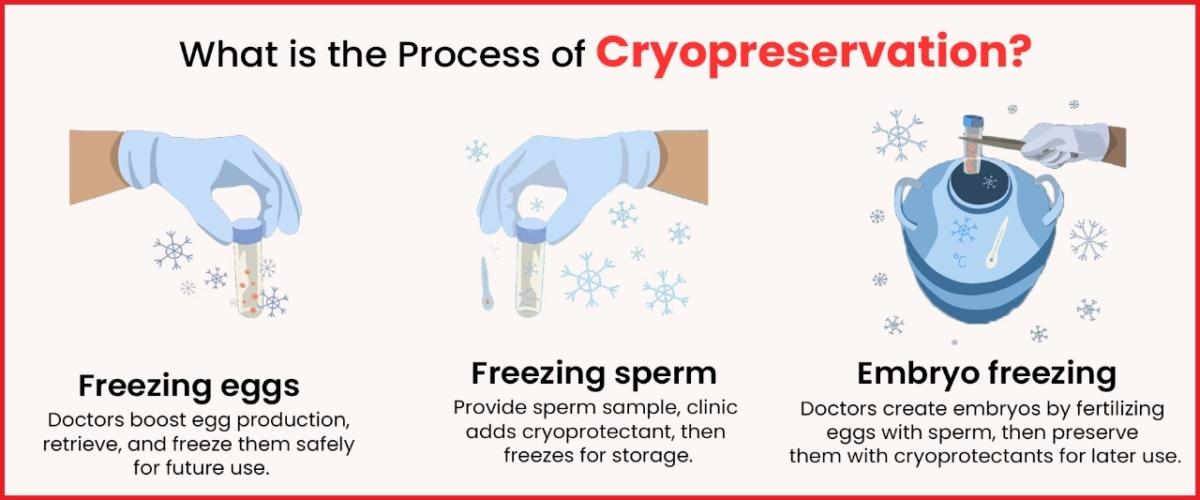
Process of Cryopreservation

Imagine taking a break from planning your baby! This is what cold storage does. Here’s a simplified version:

1. Freezing Eggs

Think of it like putting eggs on ice. Doctors will give you medicine to make your ovaries produce more eggs. They then remove the eggs quickly and easily. Before storing them in a very cold freezer with a special antifreeze, they make sure they won’t be damaged by freezing.

2. Freezing sperm

It’s pretty simple. You provide a sperm sample and the clinic adds a special “antifreeze” to protect it. It then goes into the same ultra-cold freezer as the eggs.

3. Embryo freezing

It’s like putting in a little miracle. Doctors fertilize eggs with sperm in the laboratory and create embryos. These early embryos receive the same antifreeze treatment and super cryopreservation as eggs and sperm.

How Long Can Embryos Be Stored?

Imagine putting your family planning on hold for ten years! You can do this by freezing embryos. Most clinics recommend keeping them in the freezer during this time to give you flexibility. But here’s the great part: ten years is not a deadline. If you need more time, you can extend the storage.

If you want to preserve your eggs, sperm, or embryos, get in touch with Imprimis IVF Srinagar, our experienced doctors will guide you through the process in detail.

What can be Done in the Case of Separation from the Partner?

Embryos are created from sperm and egg. Therefore, sperm and egg providers must agree separately on the conditions of storage of embryos. Both the female as well as male partners (unless donor eggs or sperm are used) must complete a special consent form expressing their wishes regarding the use of the stored material.

Embryos can only be used if both male and female partners agree to the intended use. It’s also important to agree on what you want to do with the embryos if one of you faces mortality.

Going through these problems might be quite overwhelming, but don’t worry. The experienced team of professionals, counsellors, doctors, and staff at our infertility center will make you feel at ease. You can visit here to study the proper guidelines for the procedure.

Understanding the Risks & Benefits of Cryopreservation

Cryopreservation is like all medical procedures, It has its own considerations. Although freezing and thawing techniques have become increasingly successful, there is always the possibility that cells or embryos won’t survive the process. Also, cold storage and high costs could also be a major factor. However, the benefits often outweigh the risks.

Cryopreservation offers an opportunity to preserve fertility and give individuals and couples more control over their family planning decisions and choosing the right infertility centre is crucial. Pregnancy success rates with frozen eggs, sperm, and embryos continue to improve which makes it a viable option for many people.

Frequently Asked Questions

1. Is cryopreservation right for me?

A consultation with a fertility specialist at the Fertility Center is essential. You can also contact us at 7678556881 and we can assess your individual situation and discuss whether cryopreservation is compatible with your family planning goals or not.

2. What is the success rate of Cryopreservation?

Success rates depend on factors such as the age of freezing and the reason for cold storage. Your fertility specialist at Imprimis IVF can provide you with personalized statistics based on your circumstances.

3. What happens to unused frozen eggs, sperm, or embryos?

You always have the option to donate them to research or help another couple struggling with infertility.

Takeaway

Cryopreservation is a powerful technique that empowers individuals and couples to make informed choices about their reproductive future. By understanding the process, and its pros and cons, you can make decisions that align with your personal vision of parenting. We at, Imprimis IVF Srinagar, are dedicated to delivering exceptional results at our infertility centre and keeping the candle of hope burning for many people.
What are Uterine Polyps? What are the Treatments Available?

What are Uterine Polyps?

Uterine polyps are small tumours that form on the lining of the uterus, the place where a fertilized egg implants during pregnancy. Although they are usually harmless, they can cause discomfort and sometimes affect fertility. Uterine polyps occur when endometrial tissue grows excessively. Polyps are attached to the endometrium by thin stalks or broad bases that extend into the uterus.

Polyps are round or oval and range in size from a few millimetres (the size of a sesame seed) to several centimetres (the size of a golf ball) or more. You may have one or more polyps. Uterine polyps are usually not cancerous, but they can cause problems with menstruation, periods, or childbirth. This article explains everything you need to know about uterine polyps, including causes, symptoms, and treatment options. This is especially useful for women who are concerned about their reproductive health.

What Causes Uterine Polyps?

Doctors are not exactly sure what causes uterine polyps, but a few things may play an essential role. One is hormonal imbalance, especially excess estrogenNormally, estrogen helps the endometrium grow each month. Progesterone, another hormone, balances things out by preventing excessive growth of the lining. If there is not enough estrogen or progesterone, the lining can overgrow and form polyps.

Uterine polyps are sometimes asymptomatic, meaning they don’t cause symptoms. For this reason, many people with uterine polyps may never receive a diagnosis. Research does suggest that polyps are more common in certain populations. For instance, they’re more common in people who’ve gone through menopause than those who haven’t.

Certain diseases, such as polycystic ovary syndrome (PCOS), can also increase the risk of polyps. Other factors include ageing, being overweight, and using certain medications, such as tamoxifen, which is used to treat breast cancer.

What are the Symptoms of Uterine Polyps?

Uterine Polyps Symptoms

Uterine polyps don’t always cause problems, but some women experience symptoms that need attention. If you have any of these, it’s important to see a doctor to get a proper diagnosis.

Abnormal bleeding may be a sign of uterine polyps — especially if you’re postmenopausal. It can be alarming to have unusual bleeding, but most causes of bleeding like polyps are unrelated to uterine cancer. Early detection and treatment can help avoid complications, especially if you’re trying to get pregnant.

Let’s understand all the symptoms in detail:

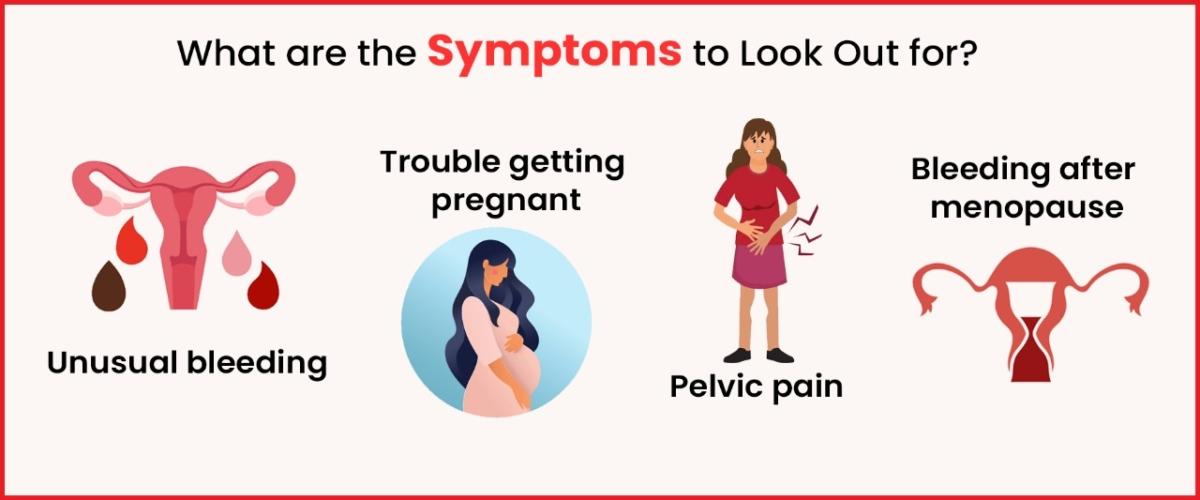
1. Unusual bleeding

This is the most common symptom. You might have periods that last longer than usual and are heavier or bleeding between periods. Most periods last four to seven days. Normal menstrual cycles usually occur every 28 days but can range from 21 days to 35 days. Many people with uterine polyps have irregular periods.

2. Trouble getting pregnant

Polyps can make it harder for a fertilized egg to implant in the uterus lining.

3. Pelvic pain

Some women experience pain or discomfort in their lower abdomen, especially during their period or sex. This can be concerning and may lead to anxiety and uncertainty about the underlying cause.

4. Bleeding after menopause

If you’ve gone through menopause or stopped having periods and experienced any bleeding, it’s important to see a doctor right away.

How are Uterine Polyps Diagnosed?

Diagnosis of Uterine Polyps

Your fertility centre will review your medical history and ask about your symptoms. They may ask if you’ve ever had trouble getting pregnant. They might also run some pregnancy tests, including a pelvic exam. Additional tests and procedures may be needed to determine if the tumour is a polyp.

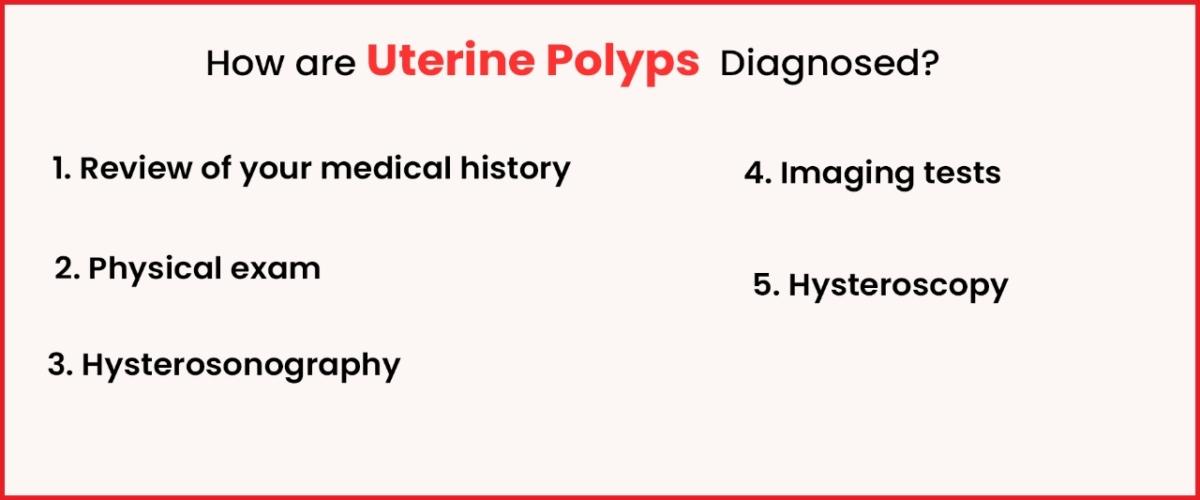
Doctors usually use several different methods to diagnose uterine polyps, including:

  • Review of your medical history: They will ask about your symptoms, illnesses, and medications you are taking.
  • Physical exam: This may include the pelvic area. where your doctor checks your uterus for possible abnormalities
  • Hysterosonography: During Hysterosonography, a care provider uses a thin, flexible tube (catheter) to inject salt water (saline) into the hollow part of the uterus. An ultrasound probe gets images of the inside of the uterus to check for anything unusual.
  • Imaging tests: A transvaginal ultrasound uses sound waves to create a picture of your uterus and ovaries.
  • Hysteroscopy: It is a procedure in which a thin, lighted tube is inserted into the uterus to see the lining directly.

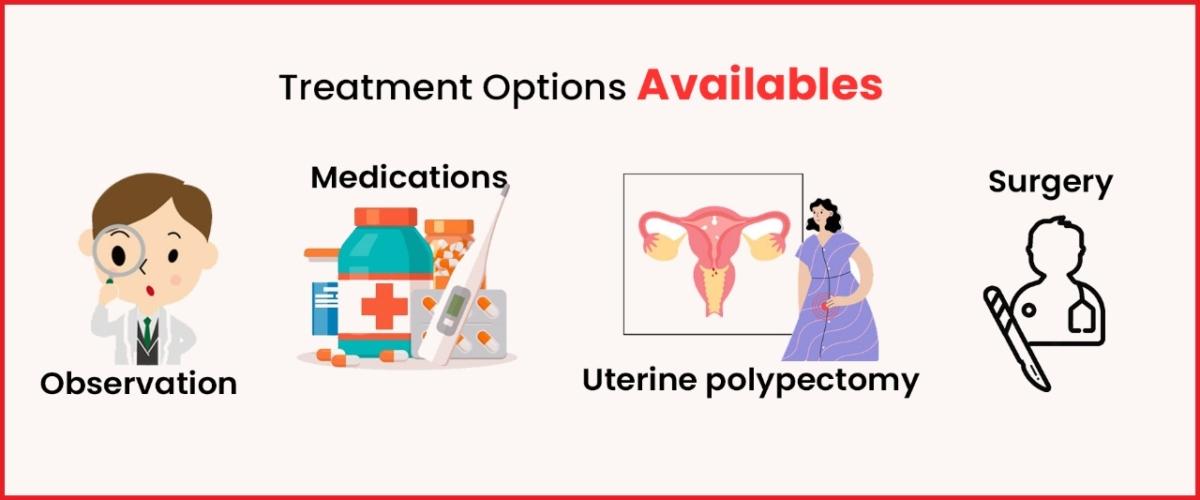
Treatment of Uterine Polyps Options Available

Uterine Polyps treatment

The best home treatment for polyps depends on several factors, including their size, location, and whether they have symptoms. Your desire to have children is also important, so choosing an experienced fertility expert is crucial.

Here are some treatment options that can be beneficial-

1. Observation

For small, asymptomatic polyps, doctors may recommend waiting and watching them, especially in women who are menopausal or have no major problems.

2. Medications

Hormonal medications, such as progestins, can help shrink them. or prevent polyps from growing, often the preferred approach before surgery.

3. Uterine polypectomy

Your provider will likely be able to remove the polyp during a hysteroscopy. A hysteroscope allows your provider to insert tools that can be used to cut and remove polyps. The advantage of the hysteroscope is its accuracy. Your provider can see the polyp and remove it at the same time. They may then send the tissue to a lab to check for signs of cancer.

If the polyp is cancerous, you may need additional surgery. A hysterectomy, or surgery that involves removing the uterus, may be necessary in cases where the polyps contain cancer cells.

4. Surgery

If polyps are large or cause symptoms, surgery may be necessary. Procedures such as dilation and curettage (D and C) can remove polyps while preserving fertility. Choosing a qualified surgeon and a reputable fertility centre is crucial for such procedures.

Imprimis IVF Fertility Centre: Your Partner in Overcoming Challenges

Uterine polyps can affect fertility, but with early detection and proper treatment, you can overcome these obstacles and achieve. Healthy Pregnancy If you are experiencing infertility or symptoms of uterine polyps, Imprimis IVF Fertility Centre can provide care and effective solutions tailored to your unique situation.

We understand the emotional challenges of infertility and are committed to providing compassionate care and personalized treatment plans. helps you achieve your dream of parenthood.

Our experienced fertility specialists can diagnose and treat a wide range of reproductive health problems, including uterine polyps. With advanced diagnostic tools and multiple treatment options, we can create a plan that meets your specific needs and increases your chances of success.

Whether you are experiencing infertility, recurrent miscarriages, or other reproductive health issues, we are here to support youevery step of the way. You don’t have to walk this journey alone. Let Imprimis IVF fertility centre help you realize your dream of starting a family. Contact us today to schedule a consultation and take the first step toward a brighter future.

Signs and Symptoms of High Estrogen in Females – Causes & Treatment

Maintaining a proper balance of estrogen and other sex hormones is crucial for overall health. In females, high estrogen levels may result in weight gain, low mood, and severe premenstrual syndrome (PMS). While estrogen is primarily known as a female sex hormone, it’s also present in males, though in smaller amounts. Although estrogen levels naturally fluctuate, consistently high levels can lead to health issues, with effects varying between males and females. But in this article, we will focus only on high estrogen in females. 

Keep reading to discover more about the symptoms and causes of high estrogen levels in females.

What is the Meaning of High Estrogen?

Estrogen plays an important role in the human body by regulating key functions like the reproductive system. This hormone’s levels change throughout a person’s life, frequently coordinating with other important chemicals in the body. As a young person goes through puberty, estrogen rises significantly to spur sexual maturation. Working with progesterone, estrogen prepares the body so that it is ready for potential pregnancy later on. Its fluctuations signal important developmental stages from childhood to adulthood. While its levels and impacts vary over time, estrogen remains vital for overall health and well-being at every stage of life.

While a proper balance of hormones is necessary for overall health and well-being, too much or too little of certain hormones can potentially lead to difficulties. Specifically, when estrogen levels are higher than normal for an extended period, it can negatively impact reproductive processes within the body, bring about unpleasant sensations, and elevate the likelihood of developing select health problems. Further exploration into maintaining hormonal equilibrium is advised to avoid potential issues.

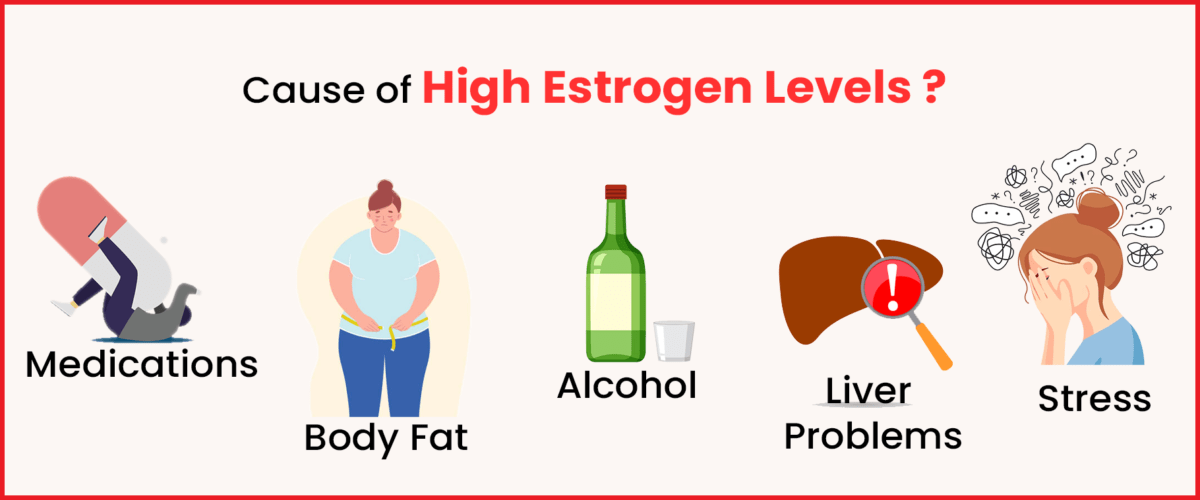
What are the Causes of High Estrogen?

Cause of High Estrogen in Females


There are a few ways that high estrogen levels can arise in the body. Sometimes, estrogen amounts increase naturally as part of the regular hormonal cycles. However, elevated estrogen may also develop due to certain prescription drugs or underlying medical problems. Some potential causes of high estrogen include:

  • Changes in hormones during menopause or the menstrual cycle can cause estrogen levels to fluctuate. The monthly cycle, in particular, experiences surges and drops in various hormones as an egg is selected and developed each month.
  • Some medications can raise estrogen in the body. It’s important to be aware of any drugs’ effects on hormone balance.
  • Certain underlying medical conditions may contribute to high estrogen. Pregnancy, obesity, ovarian or adrenal tumours, and liver disease from cirrhosis can all impact hormone production and removal from the bloodstream.
  • Aspects of one’s lifestyle and habits could play a role as well. Stress, ageing, body weight, and alcohol intake have all been examined for their potential ties to estrogen balance.
  • An imbalance between beneficial and harmful bacteria in the gut may slow the liver’s usual elimination of estrogen from the body. A disrupted microbiome could influence hormone processing.
  • An overgrowth of problematic intestinal bacteria or a lack of helpful gut microbes may hinder how quickly the liver breaks down and excretes estrogen. Proper gut health supports overall endocrine function.
  • Some perfumes and fragrance scents contain chemicals that disrupt typical hormone signalling in studies. More research is still needed, but certain synthetic compounds may disrupt balances.

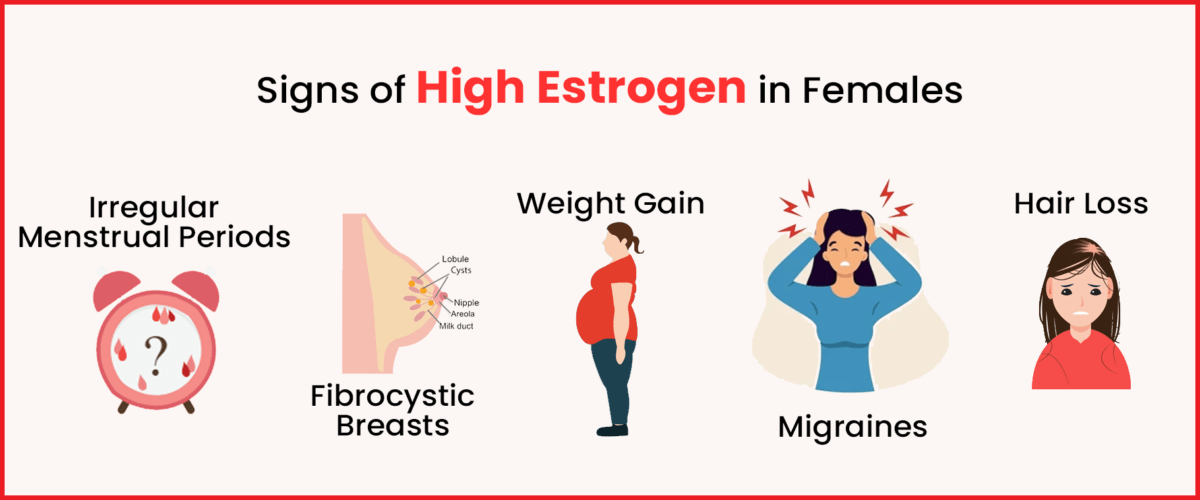
What are the Signs of High Estrogen?

Signs of High Estrogen in females


Now that we understand what causes high estrogen in women let’s explore how the body responds to it. Here are some symptoms of high estrogen:

  • Abdominal bloating
  • Swelling or formation of breast lumps
  • Increased breast tenderness
  • Irregular periods
  • Decreased or absent sexual desire
  • Anxiety, panic attacks, or mood swings
  • Intensified premenstrual syndrome (PMS) symptoms
  • Fatigue, headaches, or tiredness
  • Weight gain

These signs illustrate what happens when estrogen levels are high in females. If you experience any of these symptoms, it’s wise to consult a doctor and undergo a check-up. Doctors typically recommend a blood test to assess estrogen levels in the body. There’s also a possibility of abnormally low estrogen levels, so it’s essential to get checked.

Diagnosing High Estrogen in Females

If your doctor suspects a hormonal imbalance, they’ll diagnose the cause from your symptoms and specific tests. If hormone replacement therapy (HRT) is causing your symptoms, they might suggest adjustments to your treatment plan.

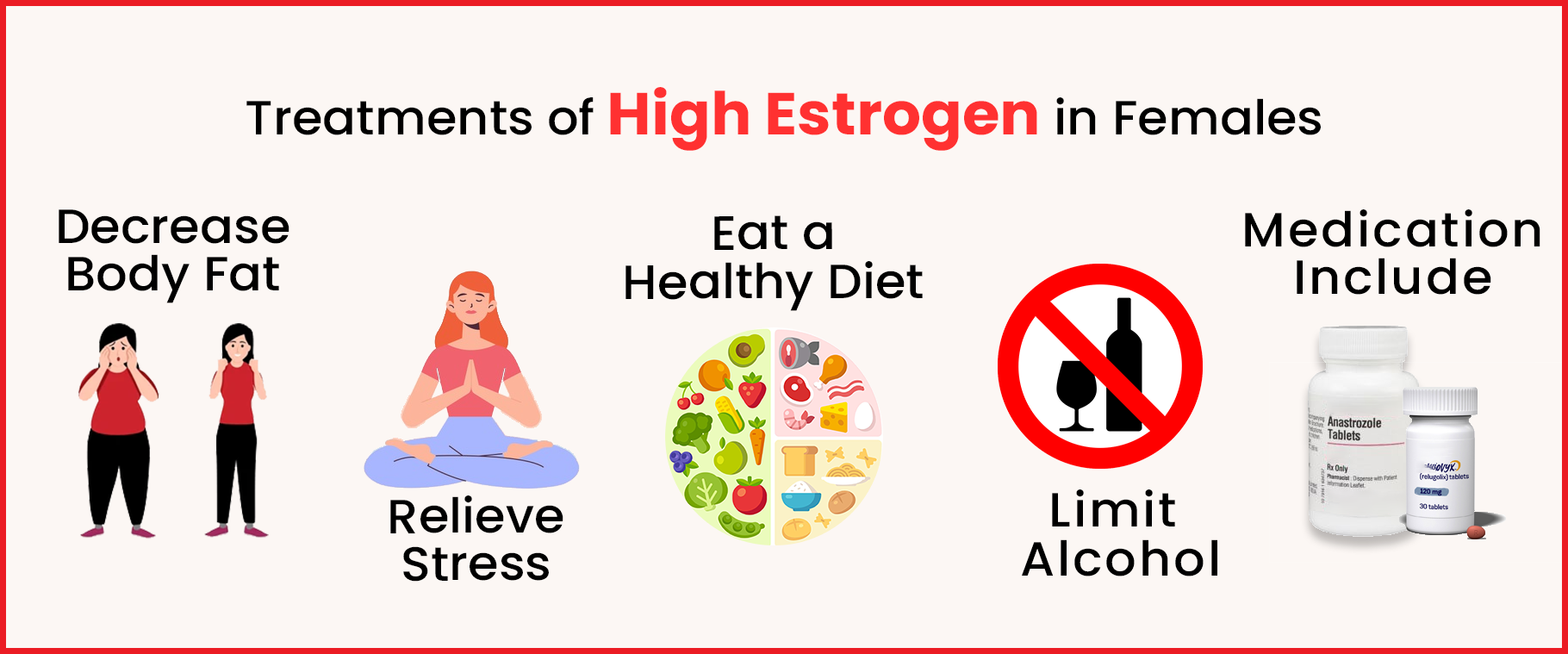
How to Treat High Estrogen?

Treatment of high estrogen in females


Controlling estrogen dominance is crucial to prevent the medical complications mentioned earlier. Here are the most common treatments prescribed by doctors:

Lifestyle changes: 

Making lifestyle adjustments can effectively regulate estrogen levels in the body. Consider the following:

●      Reduce alcohol intake: Excessive alcohol consumption can hinder estrogen elimination, so it’s best to cut back.

●      Opt for healthy, nutritious foods: Eating fibre-rich foods and minimizing processed sugars aids in efficient estrogen breakdown by the liver. Avoiding high-fat meals can also be beneficial.

●      Manage stress: While avoiding stress entirely is challenging, learning to cope effectively can promote overall health. Minimizing unnecessary stress helps balance cortisol, estrogen, and progesterone levels.

Medications:

If you’re taking medications for cancer or other conditions, inform your doctor. They can adjust your treatment plan if any medications elevate estrogen levels, especially if you have conditions like cancer that can worsen with high estrogen levels.

Surgeries:

For females at high risk of ovarian or breast cancer, doctors may recommend oophorectomy, the surgical removal of both ovaries, to reduce estrogen production. Another option is ovarian radiation therapy, which halts ovarian function and estrogen production. These procedures do not increase cancer risk or spread.

Conclusion

Maintaining normal estrogen levels in both men and women is essential since this hormone controls multiple body functions. High estrogen levels may bring about a variety of symptoms such as weight gain, mood swings and abnormal menstrual cycles. The development of the factors, symptoms, and diagnosis of high estrogen must be a crucial step in the successful treatment. 

Lifestyle factors like limiting alcohol consumption and managing stress can help regulate estrogen levels, whereas medicines or surgical procedures may be required in certain cases. Prompt and comprehensive management of elevated estrogen levels will help to prevent the associated health conditions and guarantee good health. Frequent observation and engagement of healthcare professionals are central to the development of treatment plans specifically geared to suit each person’s needs.

Hydrosalpinx: Causes, Symptoms, Diagnosis & Treatment

Hydrosalpinx happens when a fallopian tube gets blocked with fluid due to illness or injury. It can lead to abnormal discharge, pain, and trouble getting pregnant. The fallopian tubes are crucial for reproduction. They connect to the uterus and carry eggs from the ovaries. If an egg meets sperm in the tubes, conception can happen, and the fertilized egg travels to the uterus to implant.

Certain illnesses or injuries can cause fluid buildup at the end of a fallopian tube, resulting in hydrosalpinx. Hydrosalpinx can cause reproductive problems like infertility or ectopic pregnancy. This article covers the Causes, Symptoms, Diagnosis, and Treatment of hydrosalpinx.

What is Hydrosalpinx?

Hydrosalpinx is when fluid builds up in one or both fallopian tubes, causing a blockage. These tubes connect your uterus to your ovaries. Every month during your menstrual cycle, your ovaries release an egg that travels through these tubes. Healthy tubes provide a clear path for the egg and sperm to meet and fertilize. If fertilization happens, the embryo moves through the tubes to the uterus, where it can implant and grow into a fetus. With hydrosalpinx, the fluid blockage stops this process. A blocked tube can prevent sperm from reaching the egg. The blockage can stop the embryo from reaching the uterus even if fertilization occurs.

If one fallopian tube has hydrosalpinx, it’s often found in the other one too, known as bilateral hydrosalpinx. Hydrosalpinx can hinder fertility treatment. According to previous studies, if a woman with hydrosalpinx undergoes assisted reproductive technologies like IVF, the success rate is halved compared to those without it. That’s why women seeking IVF are often advised to have the hydrosalpinx removed beforehand.

Moreover, hydrosalpinx seems to affect pregnancy success if a woman conceives, whether naturally or through fertility treatment. Scientists suspect that hydrosalpinx may cause toxicity in embryos and eggs and affect the endometrium, leading to poor embryo implantation and growth.

What are the Causes of Hydrosalpinx?

Causes of Hydrosalpinx

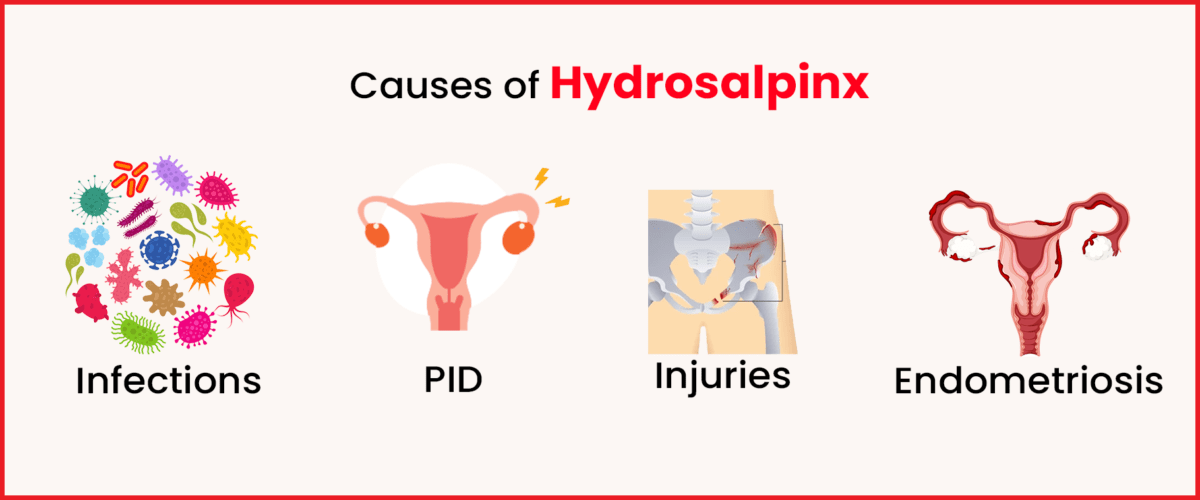
Hydrosalpinx often develops from an untreated infection in the fallopian tubes. Various factors can cause such infections, including:

  • Untreated infections: Sexually transmitted infections (STIs) like chlamydia and gonorrhoea can cause inflammation and scarring.
  • Pelvic inflammatory disease (PID): This infection can damage your fallopian tubes and other reproductive organs.
  • Pelvic surgery scars: Scar tissue from surgeries like C-sections or appendectomies can sometimes block the tubes.
  • Endometriosis: Tissue similar to the lining of your uterus can grow outside the uterus and block the tubes.
  • Pelvic adhesions: Severe scar tissue that binds organs together can also block the tubes.
  • Other infections: Sometimes, infections like appendicitis can spread and damage the fallopian tubes.
  • Injuries: Injuries to the pelvis can also damage the tubes.

Infections damage the delicate finger-like fimbria at the end of the fallopian tubes. Fimbria are crucial for transporting eggs to meet sperm and facilitating fertilization. When injured, fimbria fuse together, blocking the tubes. This blockage leads to fluid accumulation in the tubes, preventing their normal function.

What are the Symptoms of Hydrosalpinx?

Symptoms of Hydrosalpinx

While hydrosalpinx may not produce noticeable signs for some, others may only discover they have this condition when trying to conceive, which proves challenging. As hydrosalpinx often does not induce perceivable symptoms, many people are only alerted to its existence if they face problems starting a family.

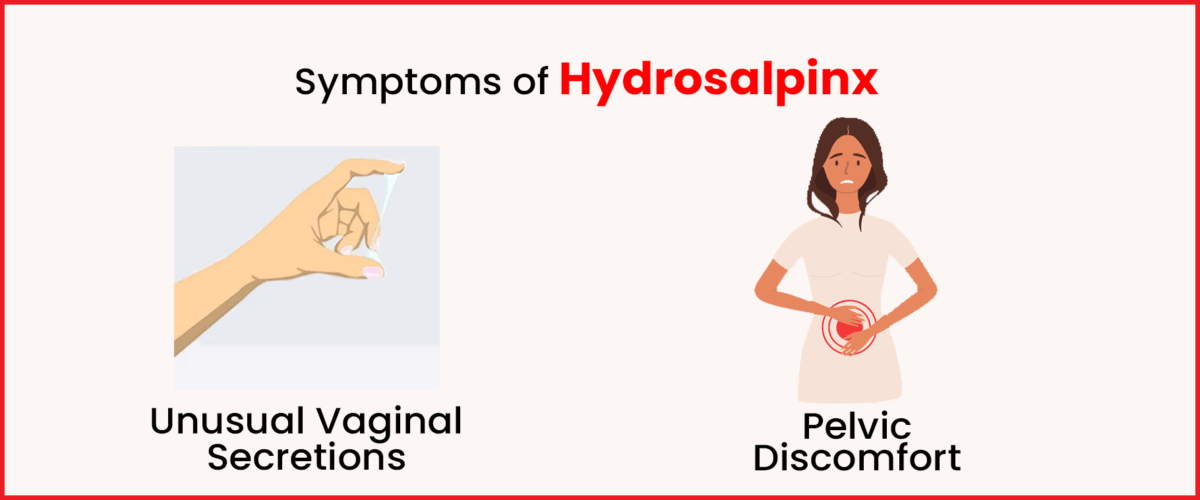
However, for some individuals, symptoms such as unusual vaginal secretions and stomach or pelvic discomfort may arise, particularly worsening throughout menstruation. The discharge and soreness could intensify with the onset of menstrual flow.

Diagnosis of Hydrosalpinx

Blocked fallopian tubes are a common issue encountered during fertility evaluations. To find blockages in tubes, doctors may perform the hysterosalpingogram (HSG), a specialized x-ray imaging test. In the HSG procedure, contrast material is injected traditionally from the chin and upstairs in the uterine and fallopian tubes. Being open and uninjured, the tubes supply the contrast material, which will spread effectively. Nevertheless, suppose any part of the tube gets clogged or swollen in some areas. In that case, the contrast material in the images may not be clear enough, or the excessive contrast material may be trapped in a swollen area.

Having the capability to settle whether the blockage can be classified as hydrosalpinx, a sono hysterosalpingography checkout will receive no alternative but to be performed since it is indeed the advanced variant of a hysterosalpingogram. Moderate-sized amounts of saline solution with air are injected into the cervix and then driven to the uterus with a syringe.

Thus, the procedure goes on. Next, a transvaginal ultrasound gives information by scanning visually by sending sound waves to see the reproductive organs. The fallopian tubes and the uterus can be examined by the sonographer utilizing an ultrasound beam as the fluids are passed through the sterile materials. Any obstruction or abnormalities can be diagnosed by this method. This gives doctors the possibility to make the prognosis as to whether the right or left fallopian tube or both are affected by hydrosalpinx.

While ultrasound imaging can help identify a hydrosalpinx in some cases, it does not always enable detection of the fluid-filled fallopian tube. A medical research study discovered that ultrasound examinations could only visually confirm the presence of a hydrosalpinx in approximately one-third of patients affected. Laparoscopy can also serve as a useful diagnostic tool for hydrosalpinx. The procedure allows physicians to visually examine the fallopian tubes and surrounding pelvic region to determine if a hydrosalpinx is present. Any fluid-filled cysts or abnormalities affecting the tubes will be visible.

Treatment of Hydrosalpinx

Treatment of Hydrosalpinx

Treating hydrosalpinx can improve your chances of getting pregnant. Your treatment options depend on factors like your age and the severity of the blockage. Your doctor may prescribe medications to treat any remaining infections. Some surgical options may include the following:

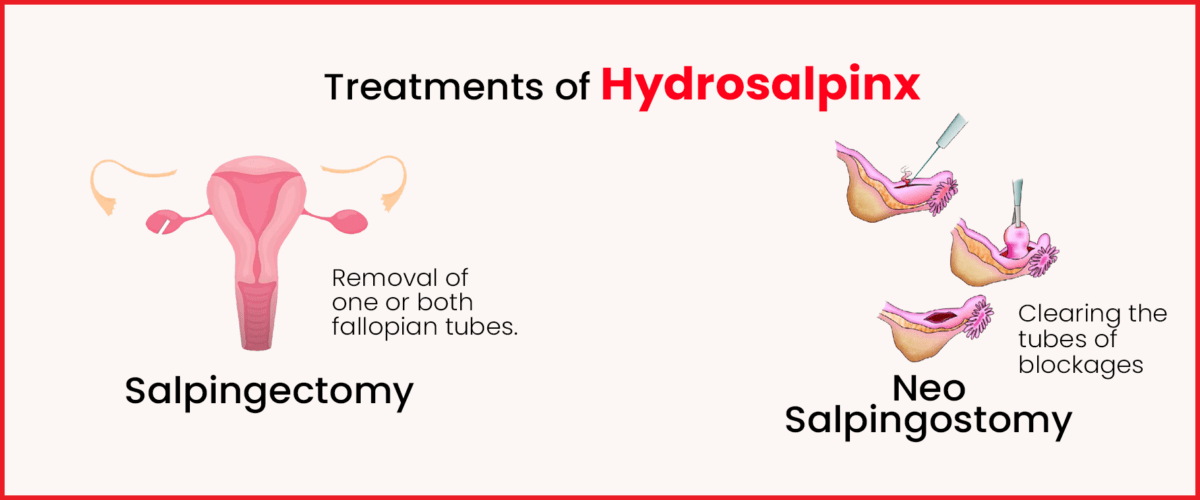
  • Salpingectomy: Removal of one or both fallopian tubes.
  • Neo salpingostomy: Clearing the tubes of blockages. This is usually done through laparoscopy. During the procedure, your doctor makes a small incision in the fallopian tube to remove blockages and reopen the sealed ends.

Salpingostomy is less common now because it’s less successful in achieving pregnancy compared to IVF. Many people opt for IVF instead of fallopian tube surgery after hydrosalpinx treatment. Your doctor can advise you on the best option based on your situation.

Conclusion

Hydrosalpinx seems to be a massive threat to fertility and human reproduction. The cause for this ailment could be a result of different factors, including untreated infections, pelvic surgeries, or endometriosis, which characteristically interferes with the normal function of the fallopian tubes and thereby reduces the possibility of pregnancy and increases the risk for ectopic pregnancy.

Although the symptoms can be too subtle to notice, accurate diagnosis through hysterosalpingogram (HSG) ultrasound and sonohysterography (SHG). The procedures are crucial since these blockages can be found. The choice of treatment you use can be prescribed medicine or technical procedures such as salpingectomy or neo-salpingostomy, as they result in better fertility outcomes. Consequently, customized treatment plans based on cases that will be established to meet every patient’s requirements and conditions become indispensable in treating hydro supposedness correctly.

10 Factors That Determine Your IVF Success Rate

In-vitro fertilization (IVF) is a frequently utilized strategy that aims to assist couples in conceiving when natural approaches have not proven effective. Achieving success through IVF is critically important. Determining the IVF success rate and understanding how it is calculated can help provide perspective and realistic expectations to prospective patients.

The success rate considers the percentage of IVF treatment cycles that lead to a confirmed pregnancy, which results in a live birth. It is impacted by multiple factors, including the age of the female partner, the cause of infertility, the number and quality of embryos transferred, and whether embryos have been previously frozen through the IVF process.

The IVF success rate is determined by dividing successful pregnancies by the number of IVF cycles performed. It’s often shown as a percentage. However, other factors affect IVF success, and patients need too and to know about them before starting IVF. Here we look at the top 10 factors that determine your IVF success.

Common Factors that Call for Successful IVF 

Among other important lists of factors for successful IVF, we have pointed out the top 10 that are probably the most important ones. Here are some of the factors that influence IVF success rate:

biological factors affecting IVF success rate

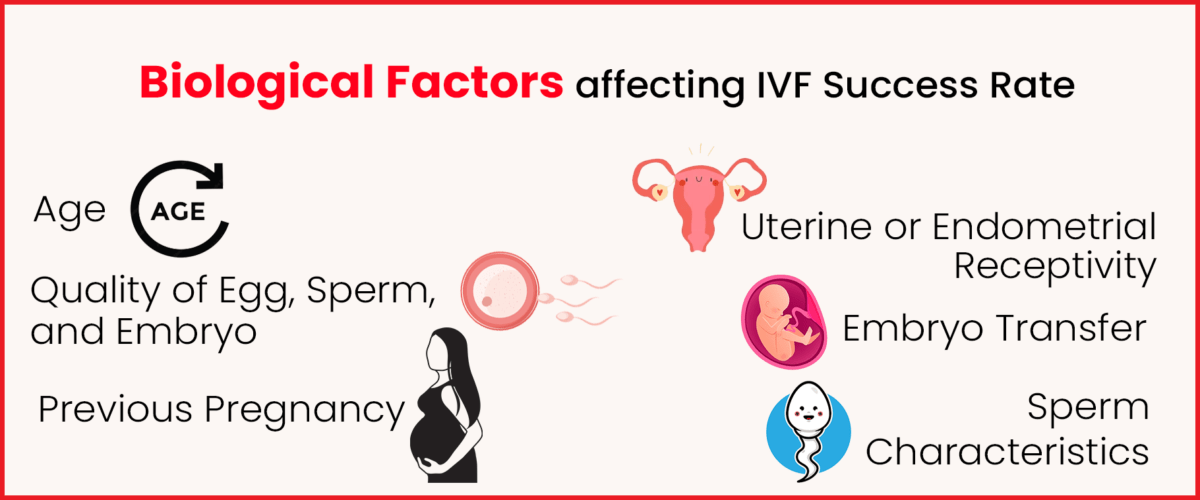
1. Age of the Patient

A person’s age is an important factor in determining the appropriate in vitro fertilization, or IVF, process, especially concerning the utilization of donor eggs. For many individuals, their eggs are employed, however, if one is over the age of forty, incorporating donor eggs has the potential to elevate the likelihood of success. While still relying on one’s biological material is usually preferable, the decline in egg quality that naturally accompanies advancing maternal age means those in their forties may want to take donor eggs into account as a viable option worth exploring.

Between the ages of 24 and 34, women have among the best chances of achieving success with in vitro fertilization, or IVF, as this period is typically viewed as the peak years of fertility. However, once a woman reaches 40 years old, the likelihood of a successful pregnancy through IVF treatment decreases. The 24 to 34 age group is considered the time of highest natural fertility when the quality and quantity of a woman’s eggs are at their prime.

As a woman ages past 35, both egg quantity and quality decline steadily each year. This is due to the natural ageing process of the ovaries over time. While IVF provides an opportunity for pregnancy beyond a woman’s natural fertile window, the odds of bringing home a baby continue to diminish the older a woman is when she begins treatment.

2. Previous Pregnancy 

Having experienced a successful pregnancy previously provides hope that in vitro fertilization (IVF) may be successful again, as the woman’s body has demonstrated its ability to support a healthy pregnancy and deliver a baby full-term. However, if prior IVF attempts or miscarriages are numerous, the likelihood of achieving a successful pregnancy may decline.

After all, each failed cycle or loss reduces the chances with each subsequent try. Still, medical advances continue and each new cycle brings a fresh opportunity, so it is important patients work closely with their doctors to optimize chances through customized treatment plans.

3. Fertility Issues

The nature of the fertility challenge holds significance. Certain difficulties can be more arduous to address than others, impacting both individuals and their partners. For example, those with blocked fallopian passages may encounter lower achievement quotas contrasted with people encountering issues with egg discharge. This component extraordinarily affects the achievement rate of the initial IVF treatment attempt. The sorts of fertility issues experienced can decide the seriousness of treatment and the prospects of achievement on the principal endeavour.

Blocked tubes regularly make it harder for eggs to meet sperm, bringing down the probability of standard conception. On the other hand, issues with ovulation regularly just require a prescription or different methods to trigger egg discharge, accomplishing pregnancy effectively. While each case merits individual consideration, understanding how the sort of issue influences the test of treatment can assist couples with choosing the most suitable course and setting sensible desires.

4. Quality of the Eggs and Embryos

Several aspects can impact the quality of eggs and embryos during in vitro fertilization, or IVF, treatment including a woman’s age, ovarian reserve, the stimulation protocol used, and sperm quality. Eggs and embryos of higher quality present a greater potential for success with IVF.

One of the most crucial factors is a woman’s ovarian reserve, which refers to the number of eggs in her ovaries. This has a direct impact on egg quality. Younger women are likely to produce maternal cells of better quality than those who are not in good ovarian reserve. Fertility medications that help eggs grow and ripen can alter quality. The stimulation procedure is the culprit. Several procedures might result in that.

5. Quality of the Sperm

The vast majority of chromosomal issues found in embryos, approximately 90%, are attributable to egg quality. However, male fertility problems also influence embryonic development. Scientific progress has provided valuable tools to mitigate these influences, raising the likelihood of achieving a healthy pregnancy.

While female reproductive health accounts for most chromosomal abnormalities observed in embryos, male factor infertility poses challenges as well. New technologies are helping to reduce the impact of these influences and boost the chances for successful conception. Further advancements in assisted reproduction hold promise for additionally lessening the effects of egg and sperm deficiencies, potentially aiding many hoping to start a family.

6. COH (Controlled Ovarian Stimulation) Protocol

After considering the woman’s age and hormonal levels, along with other health conditions, the doctor will decide on a suitable tolerance treatment plan. Usually, this plan involves medications, ranging from 10 to 14 days, during which growth is stimulated with the aid of hormonal monitoring, frequent blood tests, and ultrasound.

If the yield is disappointing with most eggs not reaching maturation, the current cycle which is in the production process may, therefore, be discontinued. In this example, the medical professionals would then assess what modifications could improve the treatment of the next round by correcting the medicine dose for example.

7. Lifestyle of the Patient:

Lifestyle factors affecting IVF success rate

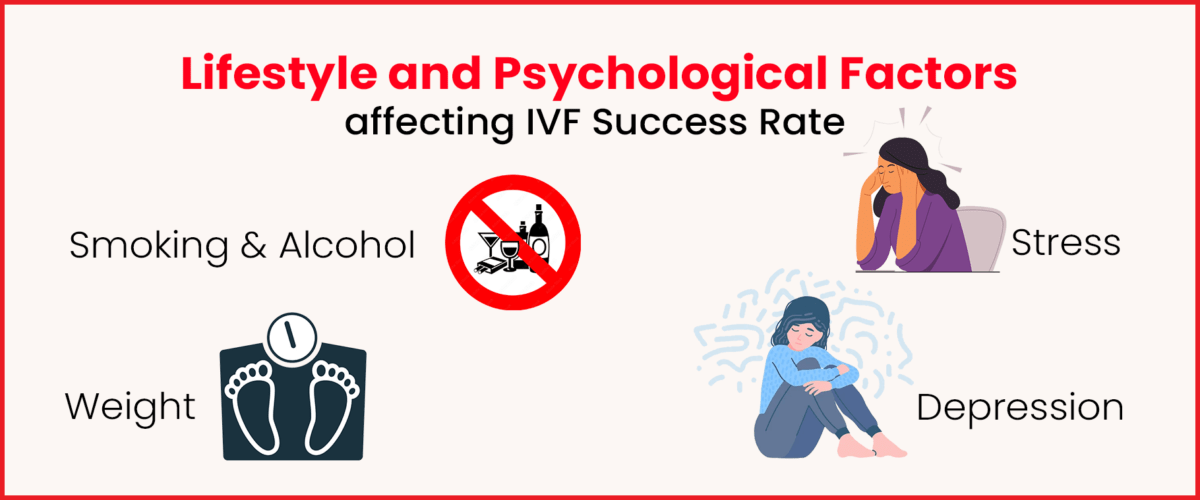
Leading a healthy lifestyle sets the stage for a thriving embryo environment. Before starting IVF, it’s crucial to quit smoking and drinking alcohol for at least three months. Both habits reduce success chances, with smokers having 50% lower implantation rates.

Maintaining a healthy weight also boosts IVF success. Obesity affects hormone processing, fertility medications, menstrual cycles, and carrying a baby to term. The upside is, that you have control over your lifestyle, and these factors can be actively improved.

8. Embryo Transfer

The embryo transfer procedure plays an extremely important role in IVF treatment, according to many specialists in the field. Not only does it require a healthy embryo and successful implantation into the uterus, but the transfer itself must be executed perfectly. The timing and biological conditions involved in this process are critical, as any issues can negatively impact the chances of a successful outcome.

A flawless transfer represents one piece of the larger puzzle, and if done incorrectly, it could undermine the efforts of developing quality embryos and preparing the uterine lining. While physicians work to optimize the many factors within their control, couples also hope mother nature cooperates to allow the embryo’s implantation. Success at this phase means the chance for pregnancy continues, whereas problems may cut the process short. Perfection matters.

9. Uterine Receptivity 

A woman’s uterine lining is important in achieving success with in vitro fertilization. For an embryo to successfully implant, the uterine lining must be adequately thickened to support the development of a pregnancy.

Several factors can influence uterine receptivity, making it crucial to optimize the environment within the womb. Hormonal supplements are often prescribed to help strengthen and build up the endometrial lining. Tests such as a hysteroscopy procedure may also be used to examine the uterus and address any issues that could impact implantation.

10. Mental Health

Finally, the last but not the least key to maintaining a positive outlook when experiencing in vitro fertilization is to rate your mental health as anxiety, depression, and stress have been reported by many to seriously affect IVF success rates.

The emotional health of women taking IVF is very critical because cortisol and other stress hormones in large volumes worsen the uterus’s receptivity to implantation and embryo development in the early stages. There are various ways for patients have contribute to the reduction of stress or improvement of their mood condition, such as counselling or therapy. One of the major challenges of mental terms is finding the right words to speak about it.

 Conclusion

The IVF Success Rate is determined by various elements, ranging from patients to medical practitioners, and must be addressed collectively. Infertility treatment requires a lot of effort, from our age and the eggs and embryo quality to the way we live and the intricacy of the embryo transfer process; each of these features directly affects our chances for success.

Lastly, dealing with fertility problems, making the uterus more ready for pregnancy, and paying attention to emotional health are some of the measures that play a pivotal role in making the IVF treatment journey much more successful. The successful implementation of these troubleshooting factors will help patients approach IVF treatment with a more realistic approach and increase confidence, as they will know that they are taking the necessary steps to achieve their dream of being parents.

Insider’s Perspective: What to Expect During IVF Procedures at Imprimis IVF

In Vitro Fertilization (IVF) is famous for infertility treatment and gives hope to couples who cannot conceive. During IVF, eggs are carefully collected from a woman’s ovaries and combined with sperm outside her body to overcome many fertility barriers. Imprimis IVF Centre Srinagar is a beacon of excellence in infertility treatment across Srinagar. Imprimis IVF has a sympathetic group of doctors and employees. They guide couples throughout their journey toward becoming parents through infertility treatment. This article aims to give an insider view of how Imprimis IVF Srinagar conducts its IVF procedures.

Understanding IVF Procedures

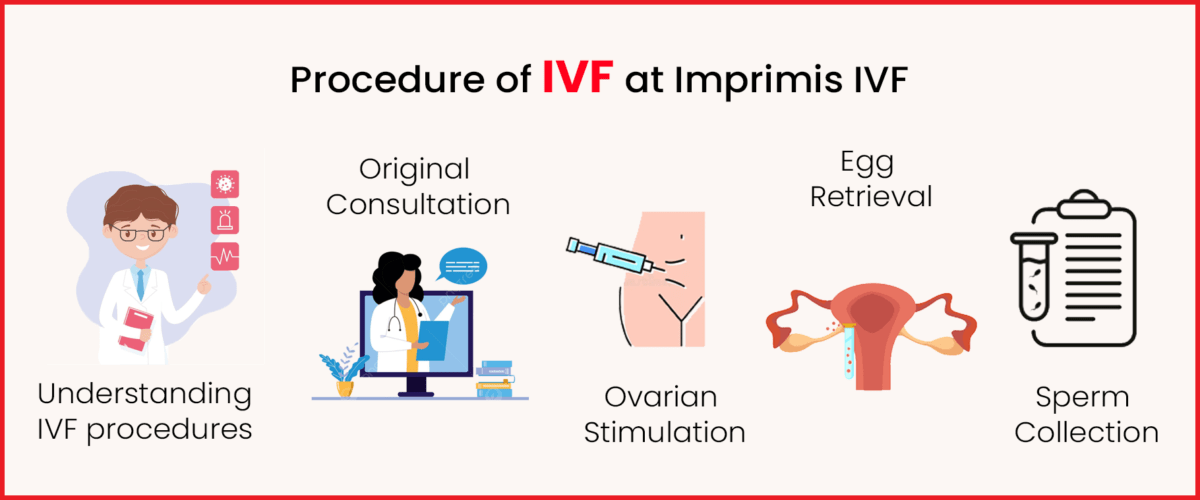
When a couple is considering infertility treatment, they must understand what IVF entails. It starts with a first appointment at Imprimis IVF Srinagar, an IVF centre. Then comes the rest of the journey, which happens in several stages. The first step is Ovarian stimulation, whereby medicines are given to cause ovaries to produce several eggs. Subsequently, these eggs are collected via surgery, albeit minor. After egg retrieval, sperm is added to the eggs, forming an embryo in a laboratory. These embryos are then carefully monitored and cultured to stimulate their growth under controlled conditions. Finally, some selected embryos that seem most promising are transferred into the uterus, hoping they will implant there and can lead to pregnancy if successful.

IVF Procedures

Original Consultation and Appraisal

Imprimis IVF Centre Srinagar begins the in vitro fertilization approach with a comprehensive review. This initial assessment comprises of:

  1. Medical history
  2. Fertility status
  3. Overall health

This evaluation is vital because it helps develop a personalized infertility treatment plan that will maximize chances for success while minimizing associated risks.

 Ovarian Stimulation

In the IVF process at Imprimis IVF Centre Srinagar, ovarian stimulation is a significant step. It is a process that involves the use of drugs to induce ovulation of several eggs and hence increase the chances of successful fertilization and implantation. These medications for ovarian stimulation include:

  1. Gonadotropins
  2. GnRH agonists.
  3. GnRH antagonists

At Imprimis IVF Center Srinagar, the medical team will monitor your response to these medications through frequent ultrasounds and blood tests to ensure that your ovaries are responding well and minimize the risk of OHSS.

Egg Retrieval

It is an essential milestone in the process of IVF at Imprimis IVF Centre Srinagar when the transvaginal oocyte retrieval procedure is conducted. It involves taking out fully developed eggs from ovaries to be fertilized. This process, which does not require any cutting through the skin, is usually done with sedation or anaesthesia for the comfort and safety of the patient. The doctor will guide a thin needle using ultrasound scanning into each follicle and then suck out fluid containing the eggs by aspiration, which takes approximately 30 minutes only. After this step of infertility treatment, all recovered eggs are transferred into a laboratory for further processing.

Sperm Collection and Preparation

From all forms of procedures performed at Imprimis IVF Center Srinagar, sperm collection and preparation stand out as crucial during an IVF process. The spouse gives his semen sample, which is later treated to separate the best sperm that can fertilize an egg cell collected from a woman’s ovary after extraction. It can be done through sperm washing, where sperm isolated from the seminal fluid becomes ready to create embryos by being implanted in recovered eggs. It affects how successful the whole IVF infertility treatment may be.

Process of IVF

Fertilization and Embryo Development

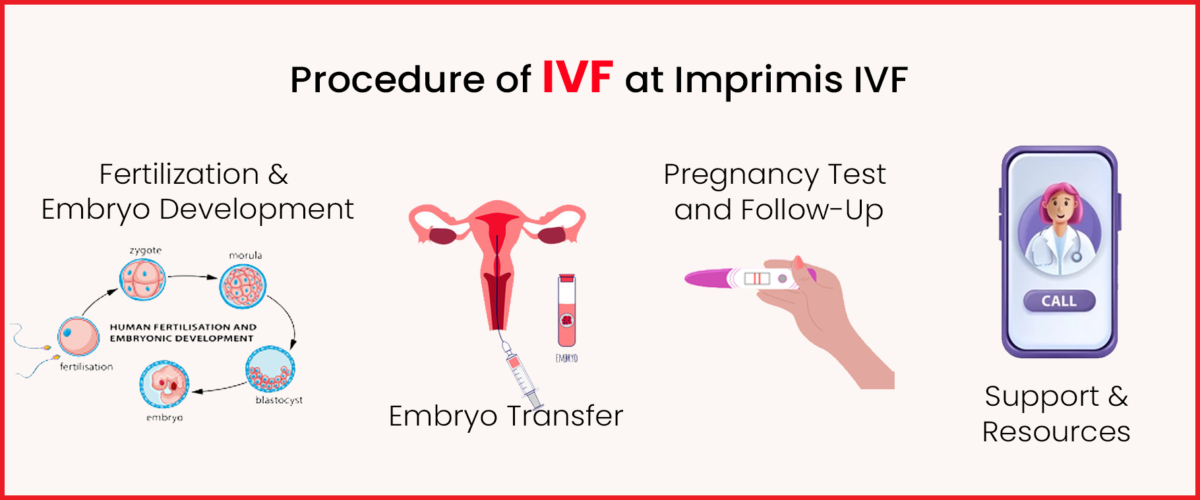
Once the eggs are collected and sperm is prepared, the next phase of the Imprimis IVF Center Srinagar IVF infertility treatment process involves the fertilization of these eggs by processed sperm in labs. It usually happens either through insemination or intracytoplasmic sperm injection method (ICSI), where a single sperm is directly injected into an egg. After this, the produced embryos are observed for a few days to check if they can be implanted successfully in the womb.

Embryo Transfer

The most viable embryos that have been developed well enough are selected for being transferred into the uterus in the process of infertility treatment. Under ultrasound guidance, this gentle procedure is done to place them in a position that would facilitate implantation and establish pregnancy successfully. The number of embryos that will be transferred takes into account several factors, including quality and age of the patient, to increase the chances of successful pregnancy without increasing chances for multiple gestation.

Pregnancy Test and Follow-Up

About a fortnight later, the embryo transfer process will have to be followed by a pregnancy test done to ascertain the efficacy of the procedure. If it is positive, then the patient will go on with check-ups that are supervised during her pregnancy period for the best outcomes ever. Typically, this entails consistent ultrasound testing, blood analysis, and other evaluations meant to ensure the growth and well-being of both mother and infant. Imprimis IVF Center Srinagar provides complete care and support for patients throughout their journey in IVF infertility treatment, including early pregnancy stages.

Support and Resources

Imprimis IVF Centre Srinagar recognizes that the journey to parenthood can be difficult, so we provides a full range of support services to help couples at every step. The Center’s committed team conducts counselling where couples express their concerns, dreads, and wishes in a non-judgmental atmosphere. Moreover, Imprimis arranges group therapy sessions for couples who can interact with others sharing similar experiences, offering mutual comfort and empathy. From emotional support to practical advice to educational materials, there is always something here for each couple in need during this challenging period.

Success Rates in Imprimis IVF Srinagar

Imprimis IVF Centre Srinagar feels proud of its high success rates, showing its commitment to excellence in fertility care. Through its robust IVF procedure, Imprimis attains its success through a combination of modern technology, experienced medical staff with compassion for the patients, and an individualized patient approach. Every couple is unique, so This IVF Center customizes its infertility treatment plans to address specific needs and circumstances. Imprimis’ patients are guaranteed success since it combines advanced techniques with personalized care.

Conclusion

We have covered all the necessary information about this article. Ultimately, the goal of IVF infertility treatment is to help people achieve their dream of starting or expanding their family, and understanding the costs involved is a crucial step in that process. You can also visit our IVF Center’s official website for more information about IVF procedures.

Top 10 Factors that Influence the Cost of IVF Procedures

Factors that Influence the Cost of IVF Procedures – IVF, In vitro fertilization, is a way or solution for couples who want a baby but are facing infertility. In vitro fertilization is a way or solution for couples who want a baby but are having trouble. Infertility treatment helps these couples to make their dream come true.

However, IVF can be high in price and complicated. Its cost may vary on different factors. Knowing about all these factors plays a vital role. In this article, you will learn about the top 10 factors that influence the cost of IVF procedures.

We’ll cover where the clinic is, the treatment plan, and how complicated things are. We’ll also give some ideas on how to handle the cost of IVF and ways to get help paying for it.

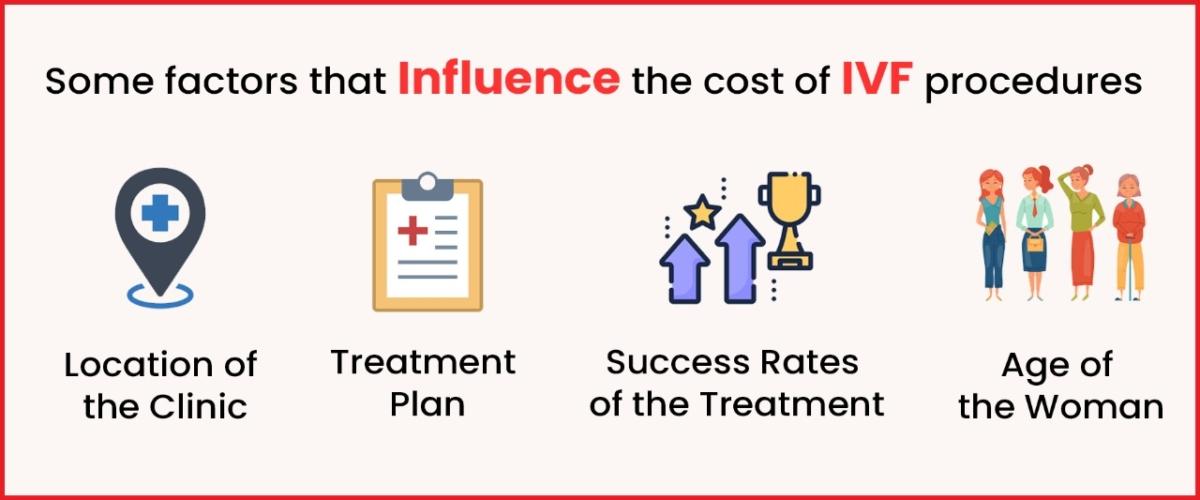
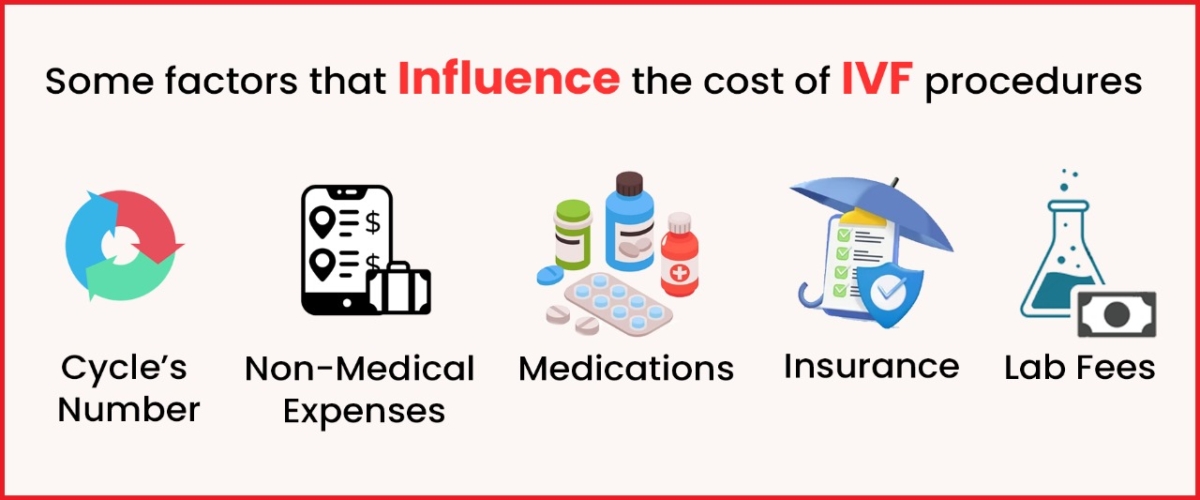
Here are some factors that influence the cost of IVF procedures:

factors that influence the cost of IVF procedures

Location of the Clinic

The geographical location of the IVF clinic considerably influences the cost of IVF infertility treatment. IVF centres are in well-populated areas where the cost of living is higher. They pass high operational costs to patients, making treatment services more expensive.

In urban areas, the demand for quality IVF treatment is typically higher than availability so that treatment providers can dictate prices. Treatment centres in rural areas – where the cost of living is lower – charge less for services. IVF patients should incorporate the cost and quality of care in their review of IVF centres. The clinic’s location is a vital factor influencing the cost of IVF procedures.

Treatment Plan

The cost of IVF infertility treatment may vary as per the treatment plans of the patients, which generally includes the number of cycles needed and additional tests like genetic testing or egg freezing.

Price may be higher if the treatment is more complex because it increases the required medications, doctor visits, and resources. Additionally, the need for multiple cycles or additional procedures adds to the increase in the price of the patient’s IVF infertility treatment.

Success Rates of the Treatment

IVF centres with higher success rates often command higher fees for their IVF procedures. Patients are also willing to pay more to ensure higher chances of successful conception and pregnancy. Therefore, a clinic’s success rate can influence its pricing structure, with higher success rates typically correlating with higher fees.

Age of the Woman

The age of the Woman is a vital factor that influences the price of IVF infertility treatment. The older the Woman, the more the treatment is needed, and it may have lower success rates. All these causes lead to the price of the treatment. As women get older, they might need some extra care and medications to have a baby through IVF infertility treatment. It means they might need extra treatments and might have to try IVF infertility treatment more than once. Because of this, the total cost of IVF can be higher for older women.

some factors that influence the cost of IVF procedures

Cycle’s Number

The number of IVF infertility treatment cycles that are required for a successful and safe delivery may affect the overall cost. Multiple times, treatment cycles may be needed to achieve pregnancy, and each cycle adds the price to the overall bill. Therefore, the number of cycles necessary for success is a critical factor in determining the cost of IVF procedures.

Non-Medical Expenses

Non-medical expenses are also a main factor influencing the price of the IVF procedure, including travel, accommodations, food, and more. These additional expenses also add a lot to the overall bill for the IVF procedure. So, it is said to be financially good before planning for IVF infertility treatment.

Medications

The cost of IVF infertility treatment medicines is the main expense of this treatment. Medication is one of the main factors in the overall expense of IVF infertility treatment. Different IVF protocols require varying types and amounts of medication, each with its own associated cost. Therefore, medication costs play a significant role in determining the total expenses incurred by patients undergoing IVF infertility treatment.

Insurance

Insurance Coverage is a vital factor influencing the cost of IVF procedures. The extent of insurance coverage and the clinic’s acceptance of specific insurance plans can influence out-of-pocket costs for IVF infertility treatment. Patients with comprehensive insurance coverage may have lower expenses, as their insurance plan may cover some or all IVF procedure costs. Conversely, patients without adequate insurance coverage may face higher out-of-pocket expenses for IVF infertility treatment. Therefore, understanding insurance coverage and the accepted insurance plans is essential when considering the financial aspects of IVF infertility treatment.

Lab Fees

Laboratory services, appointments, and embryo storage are important components contributing to the overall expense of IVF infertility treatment. The cost of all these facilities is very high. The cost of handling and analysis of the samples may also be high. The cost of storing embryos may also increase the price of the IVF. Patients should be ready to bear some extra expenses while undergoing IVF infertility treatment.

Financing Options

Many clinics offer help to their patients for IVF. They allow the patients to pay the fees in monthly instalments or any other preferred payment option. The financing programs offer a loan or credit card for IVF infertility treatment fees. These financing options are available in all the clinics, and these programs help the patients to conceive their babies whether they are financially stable.

Planning for IVF treatment? Make an informed decision with Imprimis IVF.

Above, we have covered all the factors that influence the cost of IVF procedures. Understanding these factors is important for those who will consider this treatment. By being aware of these factors, individuals and couples can make informed decisions and better prepare for the financial aspects of their fertility journey.

Ultimately, IVF aims to help people achieve their dream of starting or expanding their family, and understanding the costs involved is a crucial step in that process. You can also visit our official website for more information, and you can search for other topics as well.

Choosing the Right IVF Clinic: Factors to Consider in Your Decision-Making

Choosing the Right IVF Clinic – It is wonderful to be able to give birth to any couple, but not everyone can conceive naturally. Those trying for a baby who is unable to conceive should approach an infertility specialist and evaluate fertility treatments, too.

It makes it difficult to select a suitable fertility clinic for IVF procedures. As more and more clinics appear all over the city, giving nearly identical promises, choosing the right clinic is challenging. Extensive research should be conducted to choose the ideal fertility clinic. To help you through this process, we have provided a list of some key qualities to find.

The Importance of Choosing the Right IVF Centre

In recent years, in vitro fertilization (IVF) has become increasingly popular as a fertility treatment option. With declining fertility rates among women, many couples in India are turning to IVF procedures to fulfil their dreams of starting a family when natural conception isn’t possible.

However, selecting the right IVF centre can be a big decision for couples hoping for success. Infertility is a significant global health concern, affecting around 8%–10% of couples worldwide. Everyone must have a good understanding of IVF specialists.

When choosing the best IVF centre, it’s essential to consider several key factors. That’s why we’ve put together a list of essential things to remember while selecting an ethical and suitable IVF centre for yourself.

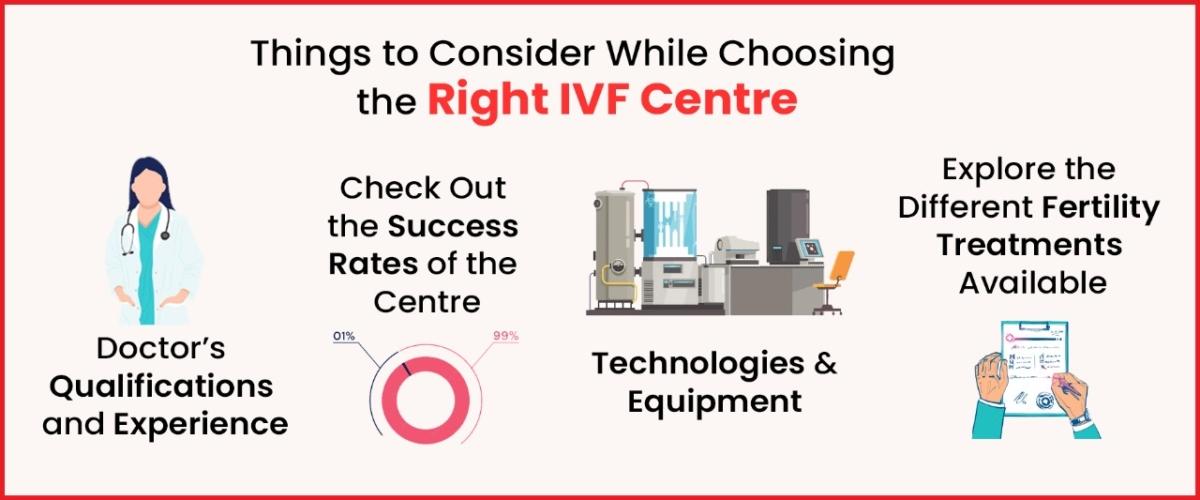
Things to Consider While Choosing the Right IVF Centre

Things to Consider While Choosing the Right IVF Centre

1. Doctor’s Qualifications and Experience

When choosing an IVF fertilization clinic, you’ll want to consider the qualifications and experience of the doctors. Are they highly trained in infertility and reproduction?

IVF treatment might seem straightforward but often requires subtle adjustments for the best results. A good fertilization clinic will create a personalized treatment plan for each patient because everyone responds differently to medications. To avoid complications, closely monitoring each patient’s stimulation and egg retrieval process is crucial.

Booking an appointment and meeting the doctor with the best fertility centre can help determine if it’s the right clinic. A skilled infertility clinician will become apparent quickly.

2. Check Out the Success Rates of the Centre

The next thing to check when considering the best fertility centre is the success rate of their IVF procedure. Ask about the clinic’s track record with various cases, like unsuccessful previous IVF treatments, older couples, or those with existing medical conditions.

IVF success is influenced by factors such as age, the health of persons involved, response to treatment and lifestyle. At the same time, the rate with which a fertilization clinic has successfully handled situations informs you about their performance in helping different kinds of people attain good outcomes. Moreover, consider the clinic’s technology and equipment that will be equipped with their facilities — even in operating rooms and embryology labs. How staff members perform through the process can also affect IVF success rate.

3. Explore the Different Fertility Treatments Available

Fertility issues are different for everyone. So, when checking out reviews for a trustworthy fertilization clinic, ensure they provide a broad range of treatments to cater to diverse needs. Here are some types of fertility treatments:

  • Intrauterine Insemination: The IUI treatment process involves bypassing the cervix and putting sperm directly into the uterus.
  • In Vitro Fertilization: IVF is a complex procedure comprising fertilization of eggs and sperm outside the body while embryos are transferred to a uterus.
  • Intracytoplasmic Sperm Injection: ICSI treatment is an advanced version of IVF in which a single sperm is injected directly into an egg.
  • Egg Freezing: Preserving a woman’s egg cells for use in the future.
  • Donor Options: A good option for couples experiencing great infertility. An institution providing various therapies demonstrates that they are always patient-centred.
  • Pre-implantation genetic screening: The most modern treatment method will evaluate embryos for genetic disorders before implanting them in the uterus.

4. Technologies and Equipment 

Success in IVF depends greatly on the quality of a clinic’s equipment and technology. It’s not just about having the latest fancy gadgets – what matters is if they’re effective and suitable for your needs. While many of the best fertility centres boast about their state-of-the-art tech, it’s just as important to focus on their essential functions and the expertise of their staff.

The best IVF clinic should have Andrology, Genetics, and Embryology labs, all meeting international quality standards. They should also use top-of-the-line equipment like the Geri-Time-Lapse Incubator, which allows detailed monitoring of embryo development without disturbing them.

Technology plays a crucial role in IVF, especially in embryo culture. Embryos need to reach a certain stage before they can be transferred, and the right equipment helps ensure they get there safely.

Things to Consider before Choosing the Right IVF Centre

5. Choose the Right Location

When it comes to picking the best fertility centre, location is key. Since you’ll need to visit the specialist’s IVF clinic multiple times – this isn’t a one-day thing – it’s best to choose one close to you.

Picking a nearby IVF specialist means less travelling for appointments, which is a big plus. Plus, it might not be easy or practical to travel once pregnant. So, go for the IVF procedures with a professional closest to your home.

6. Transparency in IVF Clinic Costs

A good fertility clinic should be upfront about their procedures’ medical and financial aspects. Ensure they know the IVF treatment cost and whether counselling is part of the package before and after treatment. The price they quote at the beginning should be what you pay. 

It helps you budget and arrange funds if needed. They should also explain the procedures thoroughly so you can mentally and physically prepare. If there are any risks, they need to tell you about them, too. Confidentiality is crucial for patients, so ensure the clinic respects your privacy, whether you’re a donor or a patient.

7. Read the Reviews

Reading reviews from other patients helps you understand what it is like to get IVF procedures from that clinic. In some cases, if there are no referrals or testimonials in the clinic, you will normally find them on social media if you want to know people’s responses to their posts or how they comment about the treatments and services rendered on that clinic’s Facebook page. The best fertility centre would also narrate good case stories to the patients under them. You should make an effort to do some research.

Be aware that reviews are objective; hence, consider every factor. It is smart to view, feel, and judge the doctors and clinic through phone calls or personal encounters.

Conclusion

There you have it! Now, take your life’s most important decision with ease. Remember, when listing out the best IVF clinics, ensure you get all your queries answered by them, and only then move forward if satisfied.

Egg Retrieval Procedure Step-by-Step – Imprimis IVF

What is Egg retrieval?

Egg retrieval is a crucial procedure in assisted reproductive technology (ART), just like in IVF and intracytoplasmic sperm injection (ICSI). It involves the extraction of mature eggs (oocytes) from a woman’s ovaries for fertilization in a laboratory setting. Here is a step-by-step guide to the oocyte retrieval process:

Oocyte retrieval is a critical step in the process of IVF and other assisted reproductive technologies.

Here’s a detailed information of the process:

1. Ovarian Stimulation:

The woman undergoes ovarian stimulation using hormonal medications before retrieval. It increases the chances of successful fertilization and embryo development.

2. Monitoring:

The woman’s response to the medications is monitored closely using ultrasound scans and hormone level measurements throughout the ovarian stimulation process. This monitoring helps healthcare providers adjust the dosage of medications as needed to optimize the number and maturity of the eggs.

3. Timing:

Once the ovarian follicles containing the eggs have reached a sufficient size, a shot of hCG is administered. This hormone triggers the final maturation of the eggs and prepares them for retrieval. The retrieval procedure is typically scheduled about 36 hours after the trigger shot to coincide with the optimal timing for egg retrieval.

4. Preparation:

On the day of the retrieval procedure, the woman is ordered to fast it. She may also be given medications to help relax or sedate her, as the procedure can cause discomfort.

5. Procedure:

The retrieval procedure is performed in a specialized fertility clinic or hospital setting. It is usually done transvaginally, meaning the eggs are retrieved through the vaginal wall using a thin needle. Ultrasound guidance is used to visualize the ovaries and guide the placement of the retrieval needle.

6. Egg Aspiration:

Once the ovaries are visualized, a needle is inserted through the vaginal wall and into each ovarian follicle containing an egg. The follicular fluid containing the eggs is aspirated into a test tube attached to the suction device. This process is repeated for each mature follicle identified on ultrasound.

7. Egg Identification:

Embryologists immediately examine the follicular fluid collected during the retrieval procedure under a microscope to identify and retrieve the eggs. The eggs are placed in a special medium and incubated in the laboratory until they are ready for fertilization.

8. Post Egg Retrieval Procedure Care:

The woman is generally monitored after retrieval to ensure no immediate complications. She may experience cramping, bloating, or spotting after the procedure, which is resolved within a few days.

Details Process of Egg Retrieval

Oocyte retrieval, also known as egg retrieval, is a procedure that involves several steps. Here’s a detailed information:

Egg retrieval process

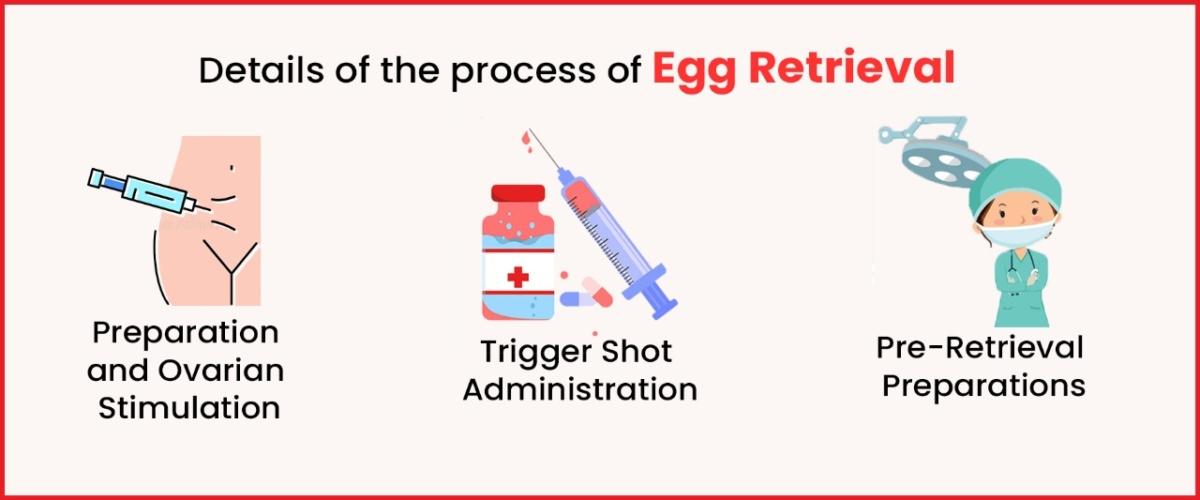
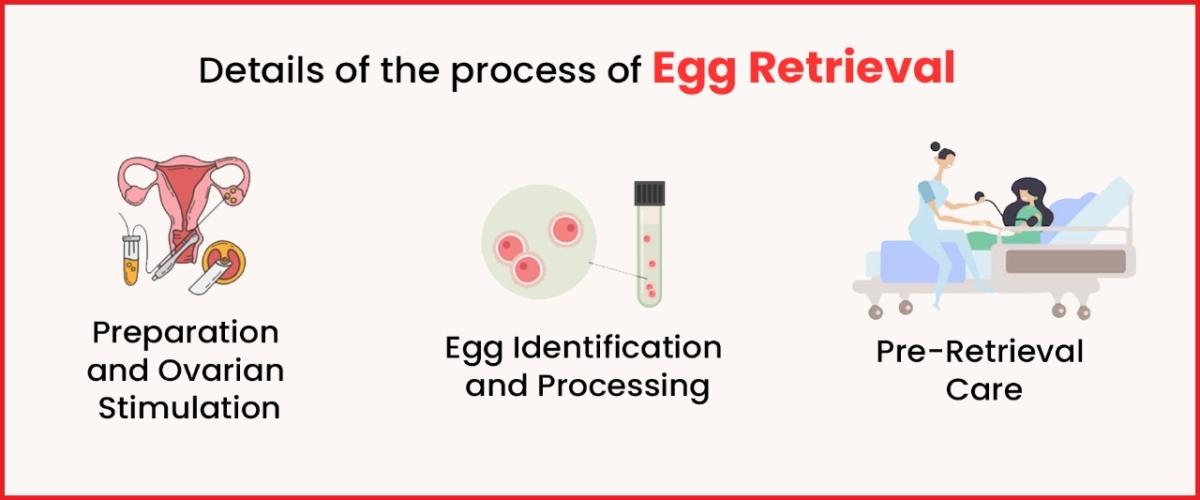
1. Preparation and Ovarian Stimulation:

  • Before starting the IVF cycle, the woman undergoes a detailed evaluation, including various tests to assess ovarian reserve and reproductive health.
  • Once deemed suitable for IVF, the woman begins ovarian stimulation using hormonal medications. Ovarian stimulation is monitored closely through ultrasound scans and blood tests to track follicle growth and hormone levels. The dosage of medications may be adjusted based on the individual’s response to ensure optimal follicular development.

2. Trigger Shot Administration:

  • When the follicles containing the eggs reach an appropriate specification, a hCG trigger shot is administered. This hormone triggers the final maturation of the eggs, preparing them for retrieval.
  • The timing is crucial, as it determines when the eggs will be ready for retrieval. The retrieval procedure is typically scheduled approximately 36 hours after the administration.

3. Pre Egg Retrieval Preparations:

  • On the day of the retrieval procedure, the woman is advised to fast for a certain period before the procedure to minimize the risk of complications associated with anaesthesia.
  • She may also be given medications to help relax or sedate her, as the procedure can cause discomfort. An anesthesiologist may administer intravenous sedation or general anaesthesia based on the woman’s preference and medical history.

Process of Egg retrieval

4. Retrieval Procedure:

  • The retrieval procedure is usually performed in a specialized fertility clinic or hospital setting. It is typically done transvaginally under ultrasound guidance.
  • The woman lies in stirrups, similar to a pelvic exam. A speculum is inserted into the vagina to visualize the cervix.
  • A thin, hollow needle attached to a suction device is then guided through the vaginal wall and into each ovarian follicle containing an egg. Ultrasound imaging helps guide the needle placement to avoid injury to surrounding structures.
  • The follicular fluid containing the eggs is gently aspirated into test tubes attached to the suction device. This process is repeated for each mature follicle identified on ultrasound.

5. Egg Identification and Processing:

  • The test tubes containing the follicular fluid are immediately taken to the laboratory, where embryologists examine them under a microscope to identify and retrieve the eggs.
  • The eggs are kept in a special culture medium, where they are incubated until they are ready for fertilization.

6. Post Egg Retrieval Care:

  • The woman is usually monitored for a short period to check her. She may experience mild cramping, bloating, or spotting, which is normal.
  • Pain medications and instructions for post-retrieval care are provided to help manage any discomfort or side effects.

Overall, oocyte retrieval is a critical step in the IVF process, allowing IVF specialists to collect the woman’s eggs for fertilization in the laboratory. It requires careful planning, skilled execution, and close monitoring to optimize the chances of success.

Thin Endometrium Symptoms, Causes and Treatment

Thin endometrium refers to a condition where the inner lining of the uterus, called the endometrium, is thinner than normal. If the lining is too thin, it may make it a little hard to maintain a full pregnancy. Thin endometrium can be caused by various factors, including age, menopause, endometrial biopsy, radiation therapy, polycystic ovary syndrome (PCOS), and smoking. Treatment options for thin endometrium depend on the underlying cause and may include estrogen therapy, gonadotropins, assisted reproductive technology (ART) procedures, lifestyle changes, and surgery.

Understanding the Thin Endometrium

The endometrium, a crucial layer of tissue lining the uterus, plays an essential thing in the reproductive system of women. Sometimes, this lining may become thinner than optimal, a condition known as thin endometrium. While it may not always manifest noticeable symptoms, there are specific signs that could indicate potential issues. The endometrium is an inner lining that thickens during the menstrual cycle. It consists of different layers, including the basal layer, which contains stem cells that can regenerate the lining, and the functional layer, which thickens and sheds during the menstrual cycle.

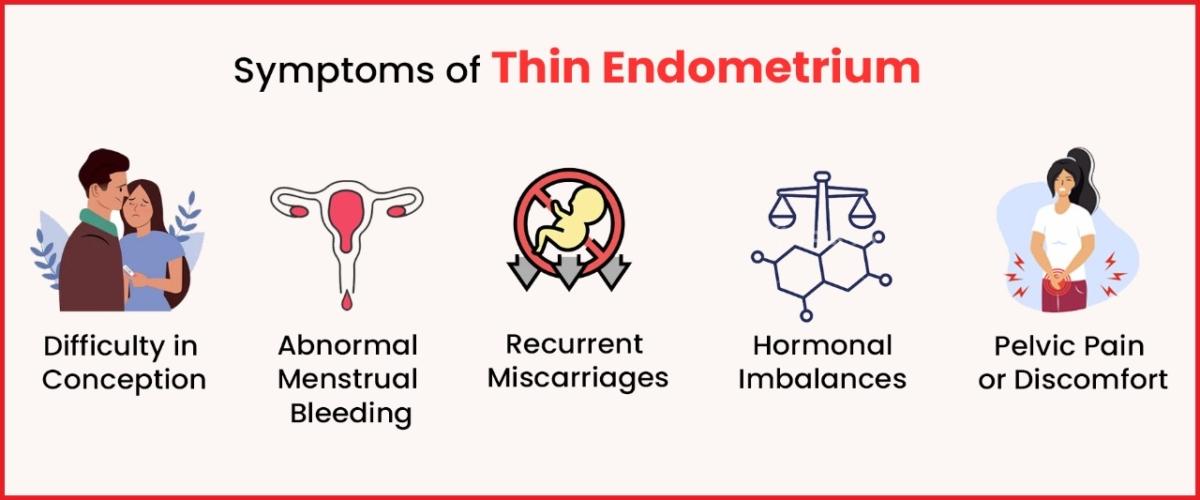
Symptoms of Thin Endometrium:

Thin Endometrium Symptoms

Understanding these symptoms is crucial for women seeking to comprehend their reproductive health.

Difficulty in Conception:

One of the primary symptoms associated with a thin endometrium is difficulty in conceiving. The endometrial lining serves as a crucial environment for the implantation of a fertilized egg. If this lining is too thin, it may pose challenges for successful implantation, leading to infertility issues.

Abnormal Menstrual Bleeding:

Women with a thin endometrium may experience irregular and abnormal menstrual bleeding. This can manifest as lighter periods, shorter menstrual cycles, or spotting between periods. These irregularities could be indicative of an insufficiently developed endometrial lining.

Recurrent Miscarriages:

Thin endometrium has been linked to an increased risk of recurrent miscarriages. The inadequate thickness of the endometrial lining may compromise its ability to support a developing embryo, resulting in recurrent pregnancy losses.

Hormonal Imbalances:

Hormonal imbalances, particularly disruptions in estrogen levels, can contribute to thin endometrium. Women experiencing hormonal irregularities may notice changes in their menstrual cycles, and these imbalances can negatively impact the development of the endometrial lining.

Pelvic Pain or Discomfort:

In a few cases, women with a thin endometrium may experience pelvic pain or discomfort. This may be associated with hormonal fluctuations, compromised blood flow to the uterus, or other factors affecting the health of the endometrial tissue.

Thin Endometrium Causes

Thin Endometrium causes

The endometrium, a vital layer of tissue lining the uterus, undergoes dynamic changes throughout a woman’s menstrual cycle. However, in some cases, this lining may become thinner than optimal, a condition known as thin endometrium. Understanding the potential causes of thin endometrium is crucial for those facing fertility challenges or recurrent pregnancy loss.

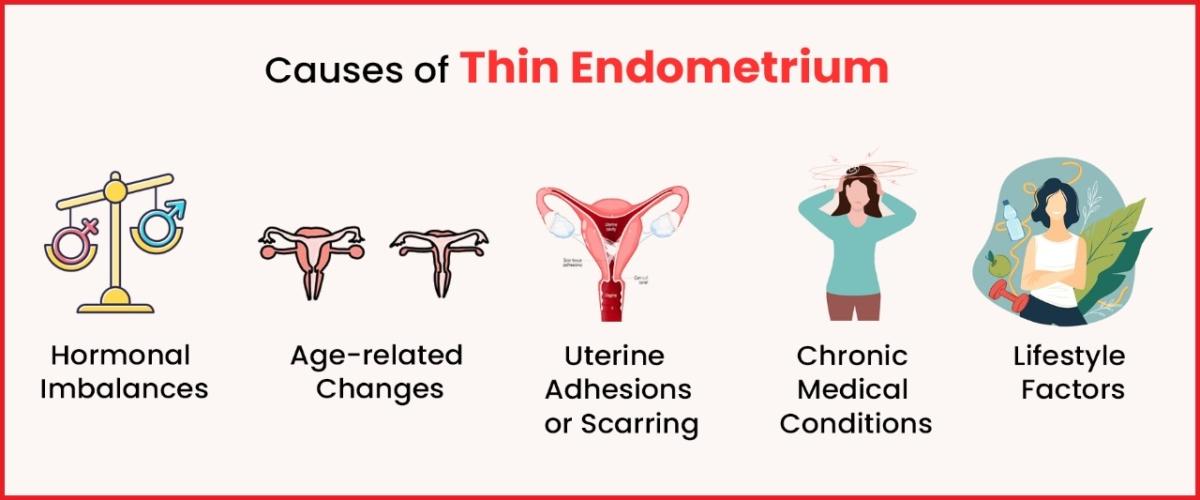
Hormonal Imbalances:

Hormonal fluctuations, particularly imbalances in estrogen and progesterone levels, can contribute to thin endometrium. Estrogen plays a crucial role in promoting the growth and thickening of the endometrial lining. Disruptions in hormonal balance can impede this process, leading to a thinner lining.

Age-related Changes:

Advancing age is a significant factor in the development of thin endometrium. As women approach menopause, hormonal shifts occur, and the ovaries produce fewer hormones. This process can result in a decrease in endometrial thickness and quality.

Uterine Adhesions or Scarring:

Prior uterine surgeries, such as dilation and curettage (D&C) or other procedures, may lead to adhesions or scarring in the uterine lining. This scarring can interfere with the normal growth and development of the endometrium, resulting in thinning.

Chronic Medical Conditions:

Certain medical conditions, such as autoimmune disorders, thyroid disorders, or diabetes, can impact endometrial health. These conditions may affect blood flow to the uterus or disrupt hormonal balance, contributing to thin endometrium.

Infections or Inflammation:

Infections or chronic inflammation of the uterus can hinder the normal regeneration of the endometrial tissue. Conditions like chronic endometritis, an inflammation of the endometrium, may lead to thinning of the lining over time.

Lifestyle Factors:

Smoking, excessive alcohol consumption, or extreme stress, can negatively impact reproductive health. These factors can contribute to hormonal imbalances and reduce blood flow to the uterus, affecting endometrial development.

Poor Blood Flow to the Uterus:

Insufficient blood flow to the uterus can impede the nourishment and growth of the endometrial tissue. Conditions such as vascular abnormalities or uterine artery embolization may compromise the blood supply, resulting in a thin endometrium.

Thin endometrium is a complex condition with various potential causes. Recognizing these factors is crucial for individuals facing fertility challenges or recurrent pregnancy loss. Consultation with a healthcare professional is essential for a comprehensive assessment, diagnosis, and development of a personalized treatment plan to address the specific causes and improve endometrial health. Early detection and targeted interventions can significantly enhance the successful conception and a healthy pregnancy.

Treatment for Thin Endometrium

Thin Endometrium Treatment

Thin endometrium, characterized by a suboptimal thickness of the uterine lining, can present challenges for women trying to conceive. However, advancements in reproductive medicine have led to various treatment approaches aimed at improving endometrial health. This article explores the key strategies employed in the treatment of thin endometrium, offering hope to those seeking to enhance their fertility.

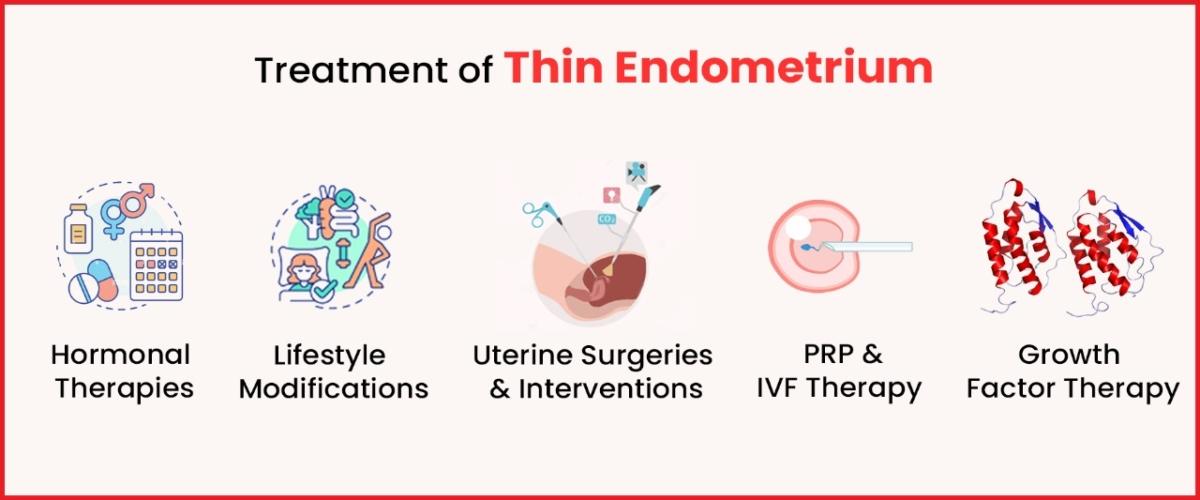
Hormonal Therapies:

Hormonal interventions are often employed to address thin endometrium. Estrogen, a hormone crucial for endometrial growth, may be administered in different forms, such as oral medications, patches, or injections. Additionally, progesterone supplementation may be prescribed to support the second phase of the menstrual cycle and facilitate a healthy endometrial response.

Lifestyle Modifications:

Adopting a healthy lifestyle can positively impact endometrial health. This includes a balanced diet, regular exercise, managing stress, and avoiding harmful habits like smoking and excessive alcohol consumption. These lifestyle changes contribute to overall reproductive well-being and may promote the development of a thicker endometrial lining.

Uterine Surgeries and Interventions:

In cases where structural abnormalities or scarring contribute to thin endometrium, surgical interventions may be considered. Procedures such as hysteroscopy can be used to remove adhesions or address underlying issues affecting the uterine lining. These interventions aim to create a more favourable environment for endometrial growth.

Platelet-Rich Plasma (PRP) Therapy:

Emerging as a promising option, PRP therapy involves injecting platelet-rich plasma, derived from the patient’s blood, into the uterine lining. Rich in growth factors, PRP stimulates tissue regeneration and improves blood flow, potentially enhancing endometrial thickness.

In Vitro Fertilization (IVF) with Embryo Glue:

For couples undergoing assisted reproductive technologies like IVF, the use of a specialized embryo transfer medium known as “embryo glue” has been explored. This medium contains substances that may aid in better embryo attachment to the thin endometrial lining, potentially improving implantation rates.

Acupuncture and Traditional Chinese Medicine:

Some individuals turn to acupuncture and traditional Chinese medicine as complementary approaches to enhance endometrial thickness. Acupuncture is believed to improve blood flow to the uterus and regulate hormonal balance, potentially creating a more supportive environment for endometrial growth.

Growth Factor Therapy:

Research is ongoing in using growth factors, such as granulocyte colony-stimulating factor (G-CSF), to promote endometrial regeneration. Preliminary studies suggest that these factors may stimulate tissue repair and improve endometrial thickness.

The treatment landscape for thin endometrium is diverse, reflecting the complexity of the condition. Individualized care plans, tailored to address specific causes and patient needs, are essential. Consulting with a fertility specialist is crucial for a comprehensive evaluation and the development of a personalized treatment strategy. With advancing medical interventions and a holistic approach, there is optimism for individuals facing the challenge of thin endometrium to realize their dreams of conception.

Conclusion to Thin Endometrium

Thin endometrium can be a challenging condition for women who are trying to conceive. However, with proper diagnosis and treatment, it is possible to improve endometrial health and increase the chances of a successful pregnancy. If you are having difficulty conceiving, it is important to talk with your IVF experts and develop an appropriate treatment plan. If you are looking for any treatment like this then you can consult any of the best organisations like Imprimis. They will help you to get fully recovered at reasonable prices.