Advanced fertility technology is transforming the way infertility is treated in India, offering new hope to couples struggling to conceive. At Imprimis IVF Centre, we combine innovation, expertise, and personalized care to deliver world-class fertility solutions with higher success rates.

Modern techniques such as AI-based IVF, ICSI (Intracytoplasmic Sperm Injection), blastocyst culture, and preimplantation genetic testing (PGT) are designed to improve embryo selection and increase implantation success. These cutting-edge technologies help address both male and female infertility issues, including low sperm count, poor egg quality, recurrent IVF failure, and genetic concerns.

Our advanced labs are equipped with state-of-the-art systems like time-lapse embryo monitoring and precision-controlled incubation, ensuring optimal embryo development. AI-powered tools assist embryologists in selecting the healthiest embryos, significantly improving IVF success rates in India.

At Imprimis IVF, we focus on customized treatment plans based on each patient’s medical history, age, and fertility condition. Whether you’re exploring advanced IVF treatment in India, genetic screening for embryos, or high success fertility solutions, our expert team is here to guide you at every step.

With rising awareness and technological advancement, more couples are choosing advanced fertility treatments to achieve their dream of parenthood. If you’re looking for the best IVF centre in India with advanced fertility technology, Imprimis IVF Centre offers trusted care, transparent pricing, and proven results.

Take the next step toward parenthood with confidence—powered by innovation, backed by expertise.

Thin Endometrium Symptoms, Causes and Treatment

Thin endometrium refers to a condition where the inner lining of the uterus, called the endometrium, is thinner than normal. If the lining is too thin, it may make it a little hard to maintain a full pregnancy. Thin endometrium can be caused by various factors, including age, menopause, endometrial biopsy, radiation therapy, polycystic ovary syndrome (PCOS), and smoking. Treatment options for thin endometrium depend on the underlying cause and may include estrogen therapy, gonadotropins, assisted reproductive technology (ART) procedures, lifestyle changes, and surgery.

Understanding the Thin Endometrium

The endometrium, a crucial layer of tissue lining the uterus, plays an essential thing in the reproductive system of women. Sometimes, this lining may become thinner than optimal, a condition known as thin endometrium. While it may not always manifest noticeable symptoms, there are specific signs that could indicate potential issues. The endometrium is an inner lining that thickens during the menstrual cycle. It consists of different layers, including the basal layer, which contains stem cells that can regenerate the lining, and the functional layer, which thickens and sheds during the menstrual cycle.

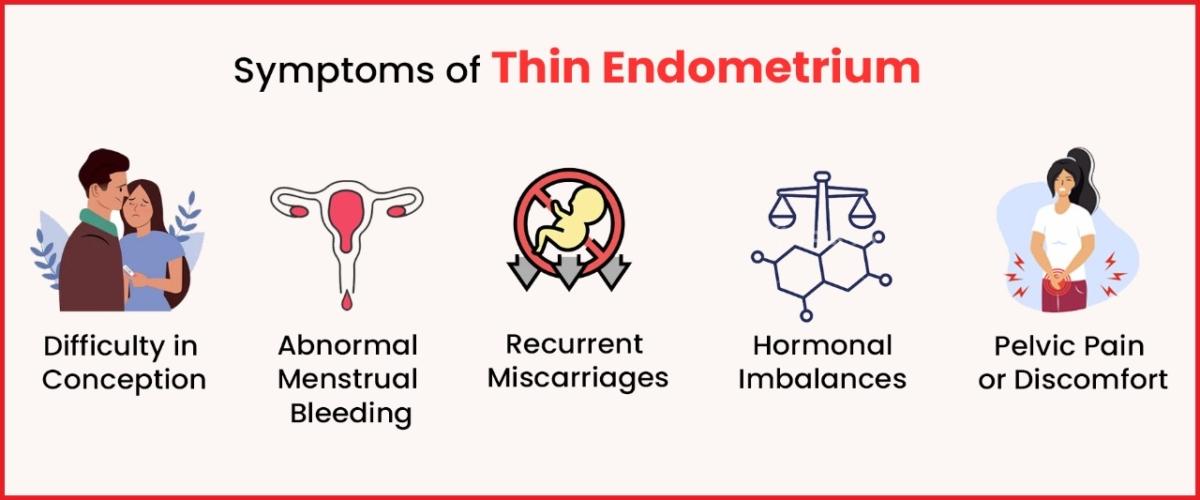
Symptoms of Thin Endometrium:

Thin Endometrium Symptoms

Understanding these symptoms is crucial for women seeking to comprehend their reproductive health.

Difficulty in Conception:

One of the primary symptoms associated with a thin endometrium is difficulty in conceiving. The endometrial lining serves as a crucial environment for the implantation of a fertilized egg. If this lining is too thin, it may pose challenges for successful implantation, leading to infertility issues.

Abnormal Menstrual Bleeding:

Women with a thin endometrium may experience irregular and abnormal menstrual bleeding. This can manifest as lighter periods, shorter menstrual cycles, or spotting between periods. These irregularities could be indicative of an insufficiently developed endometrial lining.

Recurrent Miscarriages:

Thin endometrium has been linked to an increased risk of recurrent miscarriages. The inadequate thickness of the endometrial lining may compromise its ability to support a developing embryo, resulting in recurrent pregnancy losses.

Hormonal Imbalances:

Hormonal imbalances, particularly disruptions in estrogen levels, can contribute to thin endometrium. Women experiencing hormonal irregularities may notice changes in their menstrual cycles, and these imbalances can negatively impact the development of the endometrial lining.

Pelvic Pain or Discomfort:

In a few cases, women with a thin endometrium may experience pelvic pain or discomfort. This may be associated with hormonal fluctuations, compromised blood flow to the uterus, or other factors affecting the health of the endometrial tissue.

Thin Endometrium Causes

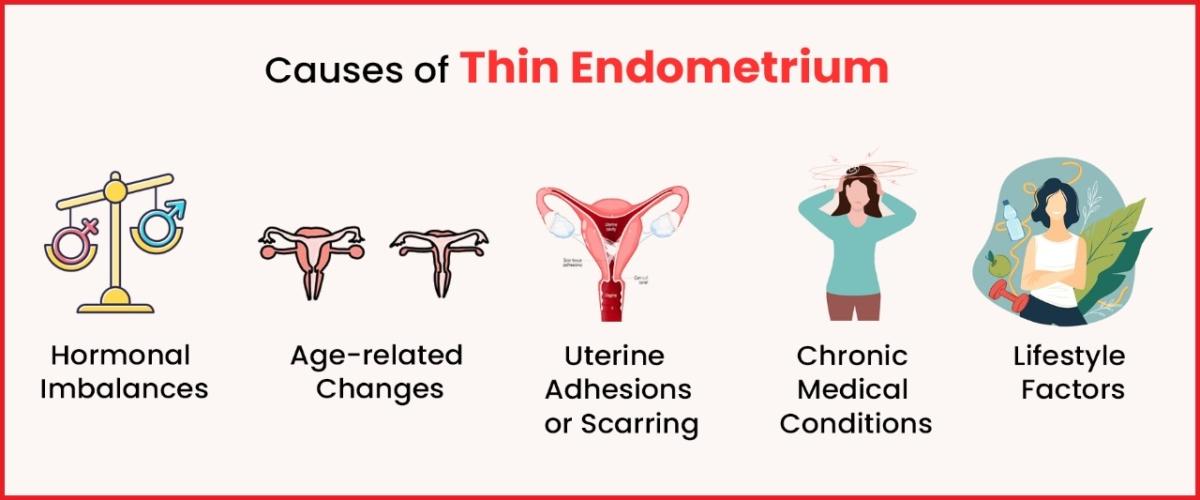
Thin Endometrium causes

The endometrium, a vital layer of tissue lining the uterus, undergoes dynamic changes throughout a woman’s menstrual cycle. However, in some cases, this lining may become thinner than optimal, a condition known as thin endometrium. Understanding the potential causes of thin endometrium is crucial for those facing fertility challenges or recurrent pregnancy loss.

Hormonal Imbalances:

Hormonal fluctuations, particularly imbalances in estrogen and progesterone levels, can contribute to thin endometrium. Estrogen plays a crucial role in promoting the growth and thickening of the endometrial lining. Disruptions in hormonal balance can impede this process, leading to a thinner lining.

Age-related Changes:

Advancing age is a significant factor in the development of thin endometrium. As women approach menopause, hormonal shifts occur, and the ovaries produce fewer hormones. This process can result in a decrease in endometrial thickness and quality.

Uterine Adhesions or Scarring:

Prior uterine surgeries, such as dilation and curettage (D&C) or other procedures, may lead to adhesions or scarring in the uterine lining. This scarring can interfere with the normal growth and development of the endometrium, resulting in thinning.

Chronic Medical Conditions:

Certain medical conditions, such as autoimmune disorders, thyroid disorders, or diabetes, can impact endometrial health. These conditions may affect blood flow to the uterus or disrupt hormonal balance, contributing to thin endometrium.

Infections or Inflammation:

Infections or chronic inflammation of the uterus can hinder the normal regeneration of the endometrial tissue. Conditions like chronic endometritis, an inflammation of the endometrium, may lead to thinning of the lining over time.

Lifestyle Factors:

Smoking, excessive alcohol consumption, or extreme stress, can negatively impact reproductive health. These factors can contribute to hormonal imbalances and reduce blood flow to the uterus, affecting endometrial development.

Poor Blood Flow to the Uterus:

Insufficient blood flow to the uterus can impede the nourishment and growth of the endometrial tissue. Conditions such as vascular abnormalities or uterine artery embolization may compromise the blood supply, resulting in a thin endometrium.

Thin endometrium is a complex condition with various potential causes. Recognizing these factors is crucial for individuals facing fertility challenges or recurrent pregnancy loss. Consultation with a healthcare professional is essential for a comprehensive assessment, diagnosis, and development of a personalized treatment plan to address the specific causes and improve endometrial health. Early detection and targeted interventions can significantly enhance the successful conception and a healthy pregnancy.

Treatment for Thin Endometrium

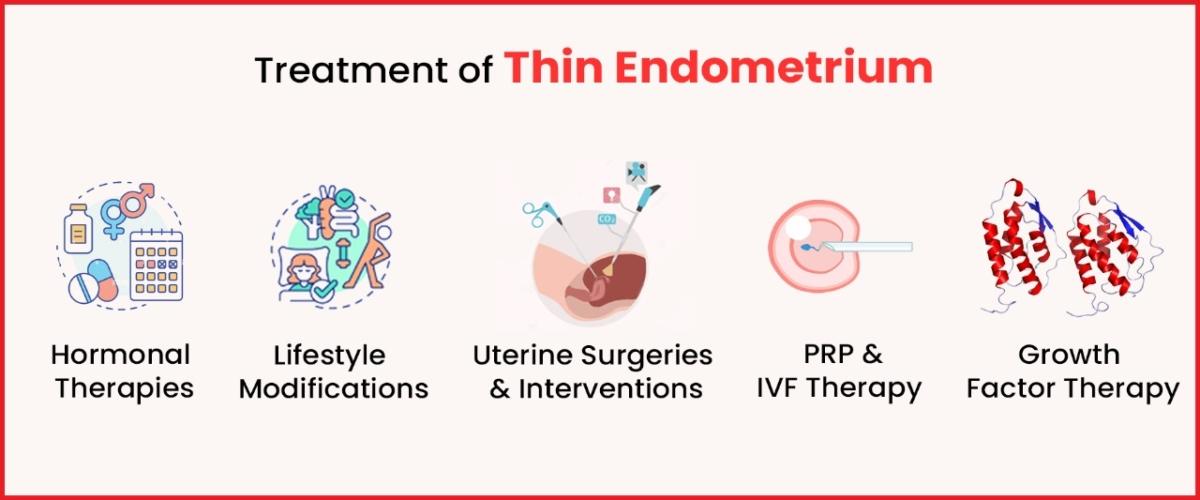
Thin Endometrium Treatment

Thin endometrium, characterized by a suboptimal thickness of the uterine lining, can present challenges for women trying to conceive. However, advancements in reproductive medicine have led to various treatment approaches aimed at improving endometrial health. This article explores the key strategies employed in the treatment of thin endometrium, offering hope to those seeking to enhance their fertility.

Hormonal Therapies:

Hormonal interventions are often employed to address thin endometrium. Estrogen, a hormone crucial for endometrial growth, may be administered in different forms, such as oral medications, patches, or injections. Additionally, progesterone supplementation may be prescribed to support the second phase of the menstrual cycle and facilitate a healthy endometrial response.

Lifestyle Modifications:

Adopting a healthy lifestyle can positively impact endometrial health. This includes a balanced diet, regular exercise, managing stress, and avoiding harmful habits like smoking and excessive alcohol consumption. These lifestyle changes contribute to overall reproductive well-being and may promote the development of a thicker endometrial lining.

Uterine Surgeries and Interventions:

In cases where structural abnormalities or scarring contribute to thin endometrium, surgical interventions may be considered. Procedures such as hysteroscopy can be used to remove adhesions or address underlying issues affecting the uterine lining. These interventions aim to create a more favourable environment for endometrial growth.

Platelet-Rich Plasma (PRP) Therapy:

Emerging as a promising option, PRP therapy involves injecting platelet-rich plasma, derived from the patient’s blood, into the uterine lining. Rich in growth factors, PRP stimulates tissue regeneration and improves blood flow, potentially enhancing endometrial thickness.

In Vitro Fertilization (IVF) with Embryo Glue:

For couples undergoing assisted reproductive technologies like IVF, the use of a specialized embryo transfer medium known as “embryo glue” has been explored. This medium contains substances that may aid in better embryo attachment to the thin endometrial lining, potentially improving implantation rates.

Acupuncture and Traditional Chinese Medicine:

Some individuals turn to acupuncture and traditional Chinese medicine as complementary approaches to enhance endometrial thickness. Acupuncture is believed to improve blood flow to the uterus and regulate hormonal balance, potentially creating a more supportive environment for endometrial growth.

Growth Factor Therapy:

Research is ongoing in using growth factors, such as granulocyte colony-stimulating factor (G-CSF), to promote endometrial regeneration. Preliminary studies suggest that these factors may stimulate tissue repair and improve endometrial thickness.

The treatment landscape for thin endometrium is diverse, reflecting the complexity of the condition. Individualized care plans, tailored to address specific causes and patient needs, are essential. Consulting with a fertility specialist is crucial for a comprehensive evaluation and the development of a personalized treatment strategy. With advancing medical interventions and a holistic approach, there is optimism for individuals facing the challenge of thin endometrium to realize their dreams of conception.

Conclusion to Thin Endometrium

Thin endometrium can be a challenging condition for women who are trying to conceive. However, with proper diagnosis and treatment, it is possible to improve endometrial health and increase the chances of a successful pregnancy. If you are having difficulty conceiving, it is important to talk with your IVF experts and develop an appropriate treatment plan. If you are looking for any treatment like this then you can consult any of the best organisations like Imprimis. They will help you to get fully recovered at reasonable prices.

What is Assisted Reproductive Technology

Assisted Reproductive Technology (ART) tells about a group of medical procedures that involve the manipulation of eggs, sperm, and/or embryos outside of the body to help individuals and couples conceive a child. The primary goal of ART is to increase the chances of successful pregnancy for those struggling with infertility. The success rates of ART vary depending on several factors, including the age of the female partner, the cause of infertility, and the type of ART used. If we take a look at the Centers for Disease Control and Prevention (CDC), the overall live birth rate for ART cycles is approximately 24%. However, this rate varies widely depending on the age of the female partner.

The Success Rates of Assisted Reproductive Technology (ART)

For women under 35, the live birth rate is approximately 32%, while for women aged 41-42, the live birth rate is less than 5%. While ART has revolutionized the field of infertility treatment, it is not without its risks and ethical considerations. Multiple pregnancies, which come at the time when more than one embryo is transferred, can lead to preterm labour, low birth weight, and other complications. Ectopic pregnancies, which occur when an embryo implants outside of the uterus, can be life-threatening if left untreated. Ohss is a type of condition in which the whole ovaries become swollen and a little painful due to the hormones used to stimulate egg production. Let’s check out some more information related to this.

Types of Assisted Reproductive Technology:

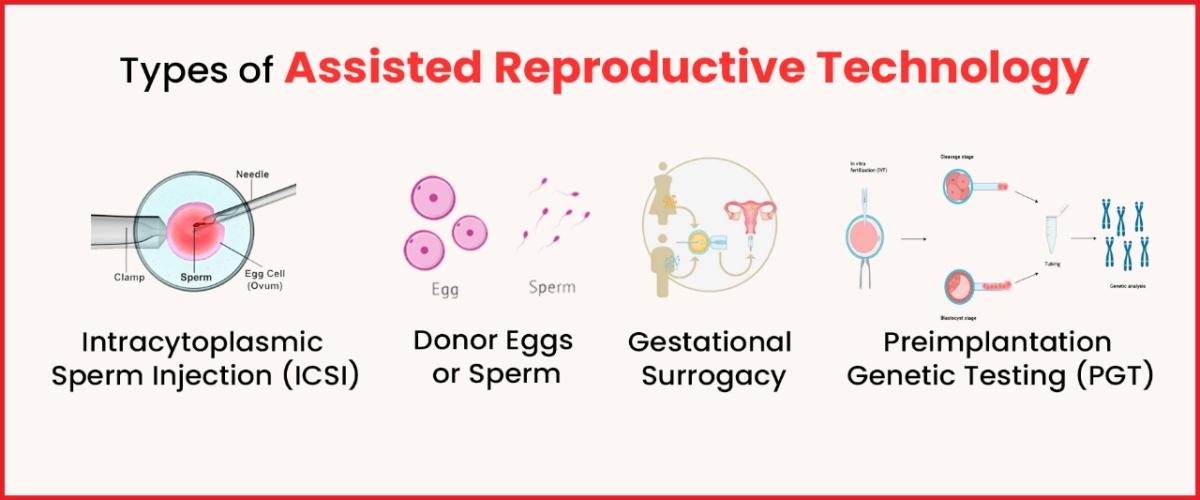
Types of Assisted Reproductive Technology

There are several different types of ART, each with its own unique set of procedures and advantages. These include:

Intracytoplasmic Sperm Injection (ICSI)

This technique involves the injection of a single sperm directly into an egg using a glass-formed needle carefully. ICSI is often used when there is a low sperm count or poor sperm quality, as it can increase the chances of successful fertilization.

Donor Eggs or Sperm

When a woman is unable to produce viable eggs or a man is unable to produce viable sperm, donor eggs or sperm can be used. Donor eggs are fertilized with the male partner’s sperm, and the final set of embryos is transferred to the woman’s uterus. Donor sperm is used to fertilize the female partner’s eggs, which are then transferred to her uterus.

Gestational Surrogacy

In gestational surrogacy, a woman carries a child for another couple. The eggs and sperm are usually from the intended parents, but in some cases, donor eggs or sperm may be used. The embryo is transferred to the surrogate’s uterus, and she carries the child to term.

Preimplantation Genetic Testing (PGT)

PGT involves the genetic testing of embryos before implantation. This can help in finding the genetic disorder forms or chromosomal abnormalities, allowing couples to select the healthiest embryos for transfer.

Process of Assisted Reproductive Technology:

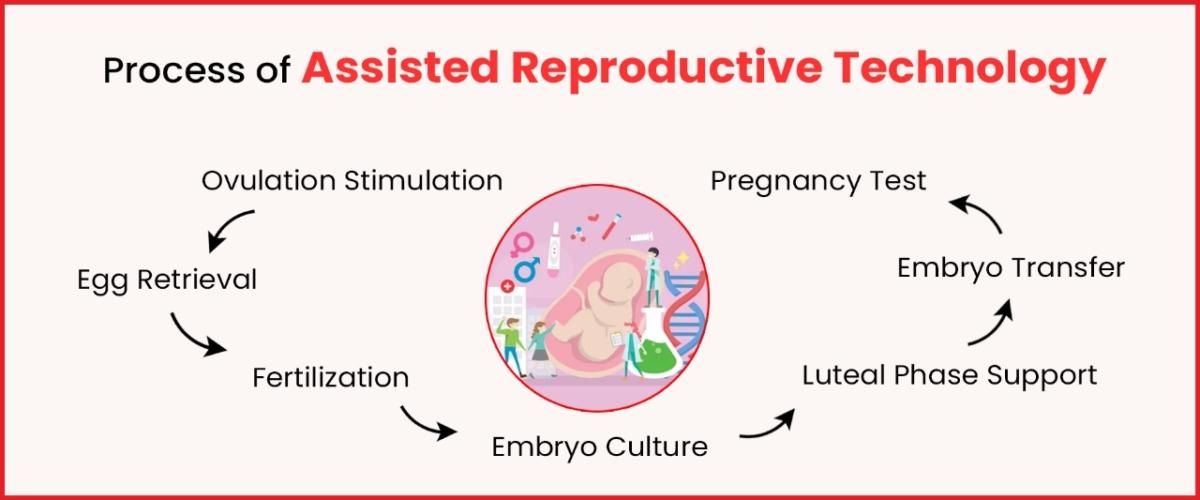
Process of Assisted Reproductive Technology

The process of Assisted Reproductive Technology (ART) involves several stages, and the specific steps can vary depending on the chosen ART procedure. There is an overview of the common steps involved in In Vitro Fertilization (IVF), one of the most widely used ART techniques:

Ovulation Stimulation:

The first thing is stimulating the main ovaries to produce multiple eggs for another process. This is typically achieved through the administration of fertility medications, such as gonadotropins and/or GnRH agonists or antagonists. Regular monitoring via ultrasounds and hormone level assessments helps track follicle development.

Egg Retrieval:

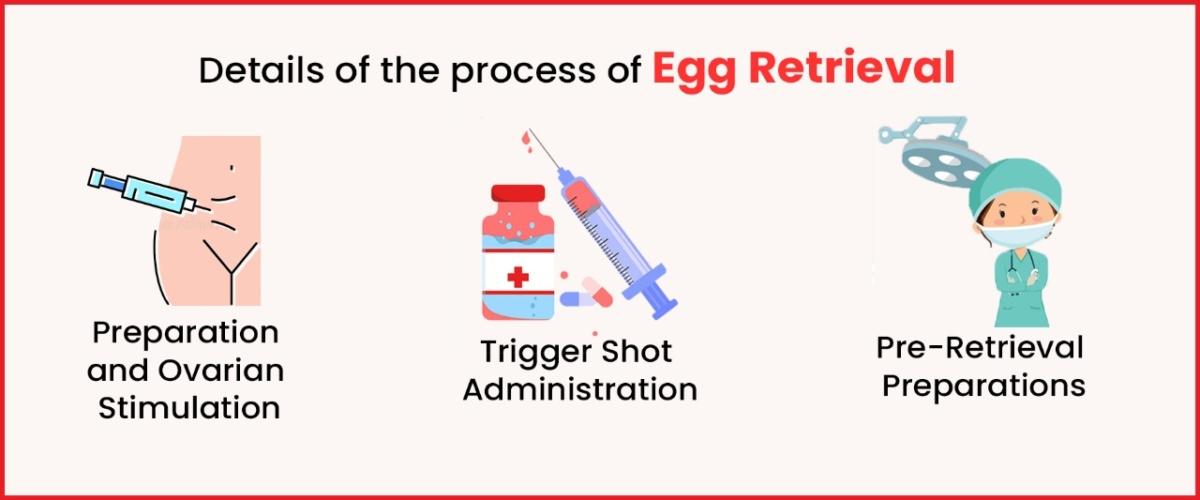
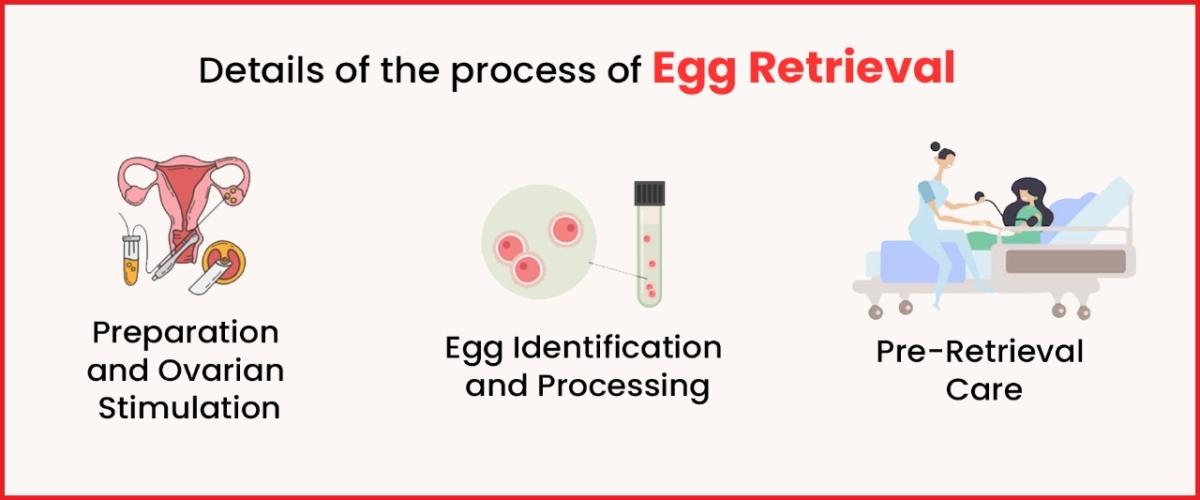
Once the follicles containing mature eggs are deemed ready, a very minor surgical way popular as egg retrieval or follicular aspiration is performed. A thin needle is inserted through the vaginal wall into the ovaries, and the fluid from the follicles containing the eggs is aspirated.

Fertilization:

The retrieved eggs are then combined with sperm in the laboratory for fertilization. Traditional insemination or Intracytoplasmic Sperm Injection (ICSI) may be used, depending on the specific circumstances. ICSI involves injecting a single sperm directly into an egg to facilitate fertilization.

Embryo Culture:

After fertilization, the embryos are cultured in a controlled environment for a few days. During this time, they undergo cell division and development. The embryologist monitors their progress and selects the healthiest embryos for transfer.

Embryo Transfer:

One or more selected embryos are then transferred into the woman’s uterus. This is typically a relatively simple, outpatient procedure and is often guided by ultrasound. The number of embryos transferred depends on factors such as age, medical history, and the specific circumstances of the individuals involved.

Luteal Phase Support:

To support the implantation of embryos, hormonal medications such as progesterone are often prescribed during the luteal phase of the menstrual cycle. This helps create a more favourable environment for embryo implantation.

Pregnancy Test:

Approximately 10 to 14 days after the embryo transfer, a blood test is conducted to determine if the woman is pregnant. If successful, ongoing prenatal care will commence.

It’s important to note that the above steps provide a general outline of the IVF process. Other ART procedures, such as intracytoplasmic sperm injection (ICSI), preimplantation genetic testing (PGT), and the use of donor eggs or sperm, have variations in their respective processes.
The choice of ART procedure and the specific steps involved depend on the individual or couple’s fertility issues and the recommendations of their fertility specialist. Regular communication with the healthcare team is crucial throughout the process to ensure personalized care and support.

Advantages of Assisted Reproductive Technology:

Assisted Reproductive Technology (ART) offers several advantages for individuals and couples facing fertility challenges. Here are some key benefits:

Overcoming Infertility:

The primary advantage of ART is its ability to help individuals and couples overcome infertility. ART procedures, such as In Vitro Fertilization (IVF), provide options for conception when natural methods are not successful due to various factors, including tubal blockages, male factor infertility, or unexplained fertility issues.

Increased Pregnancy Success Rates:

ART has contributed to improved pregnancy success rates, especially in cases where traditional fertility treatments may have been less effective. Advances in technology, laboratory techniques, and medical expertise have enhanced the chances of successful conception through ART procedures.

Treatment of Male Infertility:

ART techniques like Intracytoplasmic Sperm Injection (ICSI) are specifically designed to address male infertility issues. ICSI involves the direct injection of a single sperm into an egg, overcoming certain male reproductive challenges and increasing the likelihood of successful fertilization.

Preimplantation Genetic Testing (PGT):

ART allows for the screening of embryos for genetic abnormalities before implantation. PGT can help identify embryos with chromosomal abnormalities, reducing the risk of genetic disorders and increasing the chances of a healthy pregnancy.

Treatment Flexibility:

ART offers a range of treatment options, allowing healthcare professionals to tailor approaches based on individual needs. Whether it involves IVF, ICSI, or other techniques, the flexibility of ART enables personalized treatment plans.

Addressing Ovulatory Disorders:

For women with ovulatory disorders or irregular menstrual cycles, ART procedures can help stimulate and control ovulation, enhancing the chances of successful fertilization and implantation.

Options for Same-Sex Couples and Single Individuals:

ART provides alternative pathways to parenthood for same-sex couples and single individuals who may not have the biological capacity for conception through traditional means. Techniques such as donor insemination and surrogacy offer inclusive reproductive options.

Preserving Fertility:

Cryopreservation techniques allow the freezing of eggs, sperm, or embryos for future use. This is beneficial for individuals facing medical treatments that may impact fertility, such as chemotherapy, or for those who wish to delay childbearing for personal or career reasons.

Improving Treatment Outcomes with Research and Innovation:

Ongoing research and advancements in ART contribute to continual improvements in treatment outcomes. Innovations in laboratory technologies, medications, and treatment protocols contribute to higher success rates and safer procedures.

Disadvantages of Assisted Reproductive Technology:

While Assisted Reproductive Technology (ART) has provided significant advancements in helping individuals and couples overcome fertility challenges, it also comes with certain disadvantages. Here are some potential drawbacks associated with ART:

Financial Cost:

ART procedures, particularly In Vitro Fertilization (IVF), can be expensive. Costs include medications, fertility clinic fees, and additional procedures. Many individuals and couples may find it challenging to afford multiple cycles of treatment, especially if insurance coverage is limited.

Emotional and Psychological Stress:

The emotional toll of ART can be substantial. The process involves numerous medical appointments, hormonal treatments, and the uncertainty of treatment outcomes. Frequent disappointments or failed cycles can lead to emotional distress, anxiety, and depression for individuals and couples undergoing ART.

Not Guaranteed Success:

Despite advancements in technology, ART does not guarantee pregnancy success. Success rates vary depending on factors such as age, the cause of infertility, and overall health. Multiple treatment cycles may be required before achieving a successful pregnancy.

Multiple Pregnancies and Birth Risks:

ART procedures, especially when transferring multiple embryos to increase the chances of success, can lead to higher rates of multiple pregnancies (e.g., twins, triplets). Multiple pregnancies pose increased health risks for both the mother and the babies, including premature birth and low birth weight.

Ovarian Hyperstimulation Syndrome (OHSS):

Ovarian stimulation medications used in ART can sometimes lead to Ovarian Hyperstimulation Syndrome, a condition characterized by enlarged ovaries and fluid accumulation in the abdomen. Severe cases may require hospitalization.

Birth Defects and Developmental Issues:

Some studies suggest a slightly increased risk of certain birth defects and developmental issues in children conceived through ART. It is important to note that the absolute risk remains relatively low, and ongoing research is exploring this association.

Egg and Sperm Quality Concerns:

The use of donor eggs or sperm may raise concerns about the quality and origin of genetic material. Additionally, as individuals age, the quality of their eggs and sperm may decline, affecting the success rates of ART procedures.

Ethical Considerations:

Ethical concerns can arise in ART, particularly with practices like egg donation, surrogacy, and preimplantation genetic testing (PGT). Questions about consent, ownership of genetic material, and the commodification of reproductive services may be subjects of ethical debate.

Long-Term Health Impacts:

Limited long-term data is available on the health outcomes of individuals conceived through ART. Research is ongoing to understand any potential long-term health impacts on children born through these technologies.

Conclusion

Assisted Reproductive Technology has revolutionized the field of infertility treatment, allowing many individuals and couples to conceive who would otherwise be unable to do so. However, ART also carries several risks and ethical considerations that must be carefully considered. As the use of ART continues to grow, we must continue to explore and address these issues to ensure that this technology is used responsibly and ethically.

Top 10 Reasons for IVF Failures

IVF Failure:- Starting an In Vitro Fertilization (IVF) journey is a very personal and frequently emotional undertaking. IVF offers a glimmer of hope for couples who are struggling with infertility in their quest for parenthood. But the road is not always easy, and it takes an unfathomable amount of perseverance to ride out the storms of failed attempts. We examine the intricacies of in vitro fertilization in this investigation, illuminating the various factors that lead to the procedure’s sporadic failures.

Reasons for IVF Failure

You may learn more about the main reasons for IVF failure from this article:

Reasons for IVF Failure

1 Failure of Embryo Implantation

Embryo failure to implant into the uterine lining is one of the main reasons for IVF failure. The precise causes of the failed attempt are yet unknown to the doctors. There are two possible causes for the attempt to fail: either an embryonic issue or an issue with the uterus. Finding the precise source of the issue is still challenging.

Embryos have no chance of surviving for more than five days. In the field of IVF, the cause of weak and unhealthy embryos is still unknown and is referred to as a “black box” question. The lady can choose to undergo PGS testing in conjunction with IVF, which can assist infertility experts in choosing healthy embryos for implantation and increase the likelihood of successful embryo implantation.

2. Egg Quality

For women under 35, the success rate for embryo implantation is 50%, but for those over 40, it is just 12%. It makes sense to go with IVF using donor eggs if the lady has a healthy uterus but her female egg quality is low. If the primary cause of an IVF failure is poor egg quality, then transferring the eggs to a surrogate will likewise fail. Reproductive difficulties in older women are primarily caused by poor-quality eggs rather than problems with the uterus.

3. Age factor is also main Reasons for IVF Failure

The biological clock, a constant factor in fertility, determines how well IVF treatment works out. The success of IVF procedures is significantly influenced by the ages of both partners. Growing older presents women with a variety of difficulties, such as decreased egg quality and a reduction in ovarian reserve. Just as the number of candles on a birthday cake rises, so too does the difficulty of getting pregnant with IVF.

Fertility is a dynamic variable rather than a timeless constant in biological reality. Age reduces both the quantity and quality of eggs, which impacts the likelihood of successful fertilization and implantation. Age-related infertility is still a major obstacle for couples, necessitating a complex dance between biology and time, even with advances in reproductive technologies.

4. Reduced Ovarian Reserves

Ovarian reserve is a key component in the complex dance of in vitro fertilization. The amount and calibre of a woman’s eggs are referred to as her ovarian reserve, and they play a crucial role in the outcome of in vitro fertilization. The quantity and quality of eggs available for fertilization decrease as women age due to ovarian reserve reduction.

Early detection and treatment of reduced ovarian reserve during the IVF process is a hurdle. Fertility doctors can adjust treatment strategies based on the assessment of ovarian reserve made possible by advanced diagnostic techniques including blood tests and antral follicle counts. Aggressive ovarian stimulation is one strategy that can be used to increase the likelihood of obtaining viable eggs.

5. Imbalances in Hormones

Any mistake in the intricate dance of hormones might have a cascading effect on the IVF procedure. Reaching a hormonal balance is not only necessary but also a delicate dance that must be coordinated with the cycle of reproductive therapies. The delicate balance between the hypothalamus, pituitary gland, and ovaries can be upset by hormonal abnormalities, affecting the outcome of in vitro fertilization (IVF) cycles.

Hormonal imbalances can be exacerbated by disorders like irregular menstrual cycles or polycystic ovarian syndrome (PCOS). Gonadotropins and gonadotropin-releasing hormone (GnRH) analogues are among the drugs that must be carefully administered to control hormonal fluctuations and improve the environment for egg maturation and retrieval.

IVF Failure Reasons

6. Aberrant sperm and poor-quality sperm

Sperm plays a role in the health of the developing embryo. Men with severe male factors, such as diabetes and azoospermia from genetic causes, may have low sperm quality and quantity.
The amount and quality of sperm can be impacted by chromosomal abnormalities. Hence, the embryo becomes aberrant both during and after fertilization.

It may have two or three times as many chromosomes as it does or fewer. Breaks in the sperm head’s DNA can result in DNA fragmentation, which can ultimately lead to unsuccessful implantation and miscarriage.

7 . The Ovarian Reaction

To enhance egg production, follicle-stimulating hormone (FSH), a fertility hormone, must be injected daily into the female during the initial stages of IVF treatment. Some women’s ovaries react incorrectly to this medicine, which prevents them from producing enough eggs for harvest.

The IVF procedure doesn’t have to cease if there is a poor ovarian response. Changes to medicine and investigations might be able to improve the situation. The ovarian reserve is measured by a blood test for the Anti-Mullarian Hormone (AMH) and an ultrasound scan looking at the antral follicle count. The optimal hormonal regimen and dosage to stimulate your ovaries and generate a sufficient number of eggs would depend on your ovarian reserve.

8. Molecular Biology

Each spouse’s biological characteristics may have an impact on the health of the embryo. Chromosomal issues can be caused by genetic disorders that may impact the sperm or the egg, making it difficult for an embryo to take root or boosting the possibility of miscarriage. Genetic testing is one method that can be used to identify these defects in embryos before they are transplanted. The possibility of selecting healthy eggs can be increased by genetic testing such as PGT, which is especially important if there is a sign of genetic problems or repeated losses.

9. Failure of Implantation

Sometimes the embryo may not attach itself to the uterine lining sufficiently. Issues with the embryo or the uterine environment could bring this on. The uterine lining, or endometrium, needs to be appropriately prepared to receive the embryo. Inadequate endometrial thickness, hormonal abnormalities, or certain immunological conditions are among the causes of implant failure. To address these issues and raise the chance of successful implantation, hormonal treatments and techniques such as IUI (intrauterine insemination) may be used.

10. Endometriosis

Tissue that resembles the lining of the uterus develops out of the uterus in this condition. Given that it may result in oedema and scarring, it might affect the efficacy of IVF and conception. Patients with endometriosis may have lower-quality eggs, a decreased ovarian reserve, and a higher risk of unsuccessful implantation. For certain individuals, endometriotic tissue removal via laparoscopy surgery may be beneficial.

How to Identify IVF Failure Symptoms

Even though the emotional toll of an unsuccessful IVF cycle can be severe, being aware of the symptoms and possible causes can help you make proactive decisions. Unusual bleeding, pelvic pain, or abrupt mood swings are symptoms that should drive you to see a reproductive doctor right away.

Periods Following a Failed IVF Cycle

Going through a phase following unsuccessful IVF treatments can be emotionally taxing. It signals the end of an optimistic wait and frequently necessitates helping couples deal with disappointment. Planning the next steps and getting through this stage can be made easier by seeking open communication, emotional support, and advice from fertility specialists.

Managing IVF Failure

It can be depressing to experience the signs of IVF failure or to have an IVF cycle fail, but you must keep in mind that this does not mean the end of your journey to motherhood. After one or more failed efforts, many couples find success. During this phase, it’s important to have coping techniques, emotional support, and open communication with your healthcare team. Hope never wavers for couples who experience an unsuccessful IVF cycle.

A comprehensive assessment of the IVF cycle will result from speaking with your fertility doctor, making it possible. To pinpoint the precise elements that contributed to the cycle’s failure. With this knowledge, a customized strategy can be created for your next tries, raising the likelihood of a favourable result.

In Summary for IVF Failure

IVF is a multifaceted, intricate process that depends on a wide range of variables to be successful. Couples and individuals can work together with their fertility doctors to address any potential concerns. By being aware of the common reasons why IVF fails. Better results can be achieved by maintaining a healthy lifestyle, following prescription instructions, and getting emotional support. Every fertility journey is different, and it’s critical to keep in mind that an IVF failure does not automatically rule out becoming a parent. For more information visit our blogs or consult our IVF specialist at Imprimis IVF & Fertility Centre in Srinagar.

Breaking Down Myths and Facts About IVF

Myths and Facts About IVF – Reproductive medicine has undergone a revolution thanks to in vitro fertilization (IVF), which has given hope to millions of infertile couples. IVF has been incredibly successful, but it has also given rise to many myths and misunderstandings. For those considering or undergoing IVF therapy, these beliefs can cause misconceptions and unwarranted anxiety. To empower people to make informed decisions about their reproductive journey, it is imperative that these beliefs are dispelled and that accurate information is provided.

Myths and Facts about IVF

Here are some of the following: 

IVF Myths and Facts

1. Children receiving IVF are not typical. Either they have inherited genetic defects or are predisposed to certain diseases.

IVF is a procedure that helps the conception process happen faster and increases the chance of it happening. The development and growth of the fetus and newborn are identical to that of a naturally created child. The baby born through IVF does not have any genetic defects or health problems. If an IVF child is born with an illness or problem, it is not because of the IVF process; rather, he could have inherited it from one or both parents.

In fact, before implanting the embryo into the uterus during an IVF pregnancy, your fertility doctor may recommend pre-implantation genetic testing. This helps them understand if the baby is likely to suffer from future illnesses or problems caused by a genetic defect. To produce healthy embryos, the embryologist also selects the healthiest sperm and eggs from the batch.

2. The IVF Process is Painful.

There are no additional discomforts or difficulties related to the IVF procedure itself. You will not feel any severe pain after extraction and implantation, although you may feel slight discomfort. Each person has a different pain threshold. As a result, you may experience discomfort during treatment that is noticeably different from another person. These injections are usually given after the transfer. You should prepare for an equivalent level of discomfort with infertility if receiving regular injections in your arms causes you anxiety or discomfort. However, unpleasant injections are no longer necessary thanks to modern notions such as the natural cycle.

3. IVF is Effective for Women of All Ages.

IVF is a viable option for women who have passed their peak fertility age and want to give conception one last chance, but it is not a guarantee. Compared to older women, women under 35 are significantly more likely to successfully conceive through IVF. Women’s egg reserves and quality begin to decline as they age. Women who have chosen to use in vitro fertilization (IVF) for their first or previous pregnancy can occasionally freeze their viable embryos for use in subsequent pregnancies. This way, people can still try IVF for successful conception even if their egg reserves decrease over time. However, given her current ovarian reserve and the quality of her eggs, the woman would be much less likely to conceive if she had not kept her embryos. Although women over 35 are less likely to conceive through IVF, those under 35 also do not have a 100% success rate. Attempts to conceive can also fail after IVF cycles, just as during natural conception. However, after consulting your IVF specialist, you will be able to determine the number of embryos to transplant.

4. IVF Results in Multiple Pregnancies.

Although many IVF treatments result in multiple pregnancies, this is not always the case. The concept is that when you turn to an IVF professional to help you get pregnant, the best eggs and sperm are selected to create embryos. Suppose you are lucky enough to have more than one viable embryo. In that case, you have two options: freeze the remaining embryos or attempt multiple pregnancies by implanting several embryos into your uterus. Multiple pregnancies occur when all the embryos implanted in the uterus successfully implant in the wall of the uterus.

5. The Only Treatment for Infertility is IVF.

No, IVF is only an option for same-sex couples who have tried another treatment. Otherwise, there are a variety of therapies that can improve your fertility health. After receiving treatment, you can try to conceive naturally and, in all honesty, you can even get pregnant naturally without the help of IVF. Many other options include in vitro fertilization. But it does the best job of informing us about the causes and treatments of infertility.

6. The Success Rate of IVF is 100%. IVF can Solve Any Problem related to Infertility.

If you’ve read the introductory paragraph on our homepage, you already know that IVF’s 100% success rate is a terrible deception. At best, a typical success rate is between 20% and 50%. Not all fertility problems can be solved by IVF. IVF is just one of many treatments used to help infertile couples get pregnant, including sperm mapping, ICSI (intracytoplasmic sperm injection), IUI (intrauterine insemination), ovulation induction, etc. Indeed, many problems and reasons can cause infertility in men.

Myth and Fact about IVF

In Summary

Myths and Facts About IVF – Finally, to ensure people have access to the correct information when considering fertility treatments, it is important to dispel myths and misconceptions associated with IVF. We can eliminate unnecessary worry and give people a clear idea of what to expect from the IVF process by dispelling these myths. Making informed decisions about fertility treatments requires speaking with fertility doctors and obtaining information from trusted sources. Ultimately, we can help people in their quest to start a family through assisted reproductive technologies like IVF, by separating fact from myth. Imprimis IVF is always there to help you at affordable prices if you need any help regarding this. 

Asherman Syndrome: Causes, Symptoms, and Treatment

Asherman Syndrome – An acquired illness known as Asherman’s syndrome causes adhesions, or scar tissue, to develop inside your uterus. There may be less room for expansion inside your uterus as a result of the accumulation of scar tissue. This illness may develop as a side effect of cancer therapy or medical procedures. Asherman’s syndrome can cause infertility, pelvic pain, or light or nonexistent periods in women.

What is Asherman’s Syndrome?

Scar tissue, sometimes known as adhesions or intrauterine adhesions, accumulates inside your uterus in a rare illness known as Asherman’s syndrome. Less space is created inside your uterus by this additional tissue.

Imagine a room where the walls grew thicker and thicker, thus reducing the amount of space in the middle. This illness may result in irregular uterine bleeding, pelvic pain, and problems conceiving. Treatment for Asherman’s syndrome frequently results in symptom relief.

IUDs and Asherman’s Syndrome: is it possible?

A kind of long-term birth control called an intrauterine device (IUD) is inserted into your uterus and left there for a certain amount of time, usually several years. There is always a chance of infection and scar tissue formation when this device is inserted into your body. IUDs and Asherman’s syndrome are not frequently associated with one another, while this is not the condition’s known aetiology.

How to identify Asherman Syndrome?

Asherman’s syndrome is usually diagnosed based on symptoms such as pelvic pain, irregular uterine flow, amenorrhea (absence of menstruation), or difficulty becoming and maintaining pregnancy. Asherman’s syndrome may potentially be diagnosed based on your medical history. You might be evaluated for Asherman’s syndrome if you have undergone radiation treatment, a c-section, a dilatation and curettage (D&C) procedure, or a pelvic infection. Asherman’s syndrome can be brought on by any of these treatments or ailments.

 Your IVF experts will review your medical history when you book an appointment. Make sure to let your provider know if you have ever had any pelvic surgery that isn’t listed in your medical history. That data may be crucial for the diagnosis of Asherman’s syndrome. After that, your doctor will examine you physically, but first, they will do a sonohysterogram to look for scar tissue inside your uterus. Using a tiny catheter, your doctor will inject a small amount of saline solution into your uterus during a sonohysterogram. After that, transvaginal ultrasonography is used to check for tissue blockages in the cervix or cavity.

Which tests are appropriate for the diagnosis of Asherman Syndrome?

Your IVF specialist can view your interior organs thanks to imaging tests. Different tests offer varying levels of specificity. These tests can be simple procedures performed on top of your skin with little to no preparation, or they can be more involved.

The following imaging tests can be used to identify Asherman’s syndrome:

 1. Ultrasound

This kind of imaging exam makes an image of your interior organs by using sound waves. You can have an internal transvaginal ultrasound or an external ultrasound performed on your skin. This variation of the test involves inserting a thin wand into the vagina.

 2. Hysteroscopy

This procedure involves your doctor seeing inside your uterus with a thin tool that has a camera on the end. This is placed in your vagina and advanced into your uterus via your cervix. With a hysteroscopy, your doctor may look into your uterus in great detail. It can be applied to the management of Asherman’s syndrome.

 3. Saline Infusion Sonography

To get a clear image of the inside of your uterus, this imaging procedure combines ultrasound technology with a saline solution, which is a solution of salt and water. Your uterus expands as a result of the fluid, allowing your healthcare professional to observe the specifics of the structure and flaws in your uterus.

What Is The Impact of Asherman Syndrome on Fertility?

It could be difficult for you to become pregnant if you have Asherman syndrome. The likelihood of miscarriage is considerable if you do. Although there is no room for fetal growth due to adhesions in the uterine walls, it is possible to become pregnant despite suffering from the condition.

 This increases the likelihood of miscarriage or stillbirth compared to women without the disease. Pregnancy with Asherman syndrome also increases the chance of certain disorders, such as:

1. Placenta Accreta

The placenta adheres to the uterine wall too firmly. Pregnancy at high-risk results from this. The placenta stays connected after birth in whole or in part, which results in excessive bleeding.

 2. Previa Placenta

The cervix’s opening is blocked by the placenta, which can result in heavy bleeding during pregnancy and childbirth. Premature birth is another risk that is increased by it.

Symptoms of Asherman Syndrome 

Symptoms of Asherman Syndrome 

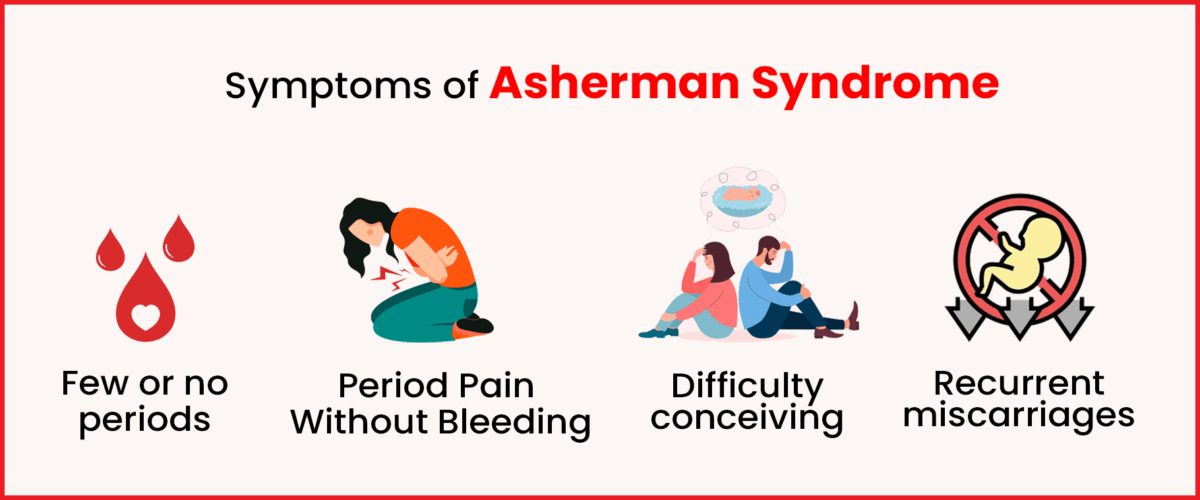
A rare disorder called Asherman Syndrome affects women’s reproductive systems and results in the development of scar tissue inside the uterus. Many symptoms, such as the following, may result from this scar tissue:

  •  Amenorrhea, or irregular menstruation
  • Consistently losing babies
  • Infertility
  • Light or absent menstruation
  • Pain in the pelvis
  • Trouble getting pregnant or repeated losses

 Women with Asherman Syndrome sometimes don’t show any symptoms at all, and their menstruation stays regular. On the other hand, the illness may cause problems that arise during pregnancy, including low birth weight, retained placenta, and placenta accreta. Asherman syndrome is typically diagnosed with imaging techniques such as saline sonography, hysteroscopy, or hysterosalpingography.

 These techniques can assist in determining whether and how much scar tissue is present inside the uterus. In more severe cases, a hysteroscopy or MRI may be required to assess the disease’s extent. Asherman Syndrome can be treated surgically by dilation and curettage (D&C), hysteroscopy, or in certain situations, a total hysterectomy, to remove the scar tissue. To ascertain the best course of action for their unique circumstances, people must speak with their healthcare providers.

Asherman Syndrome Causes

Asherman Syndrome Causes

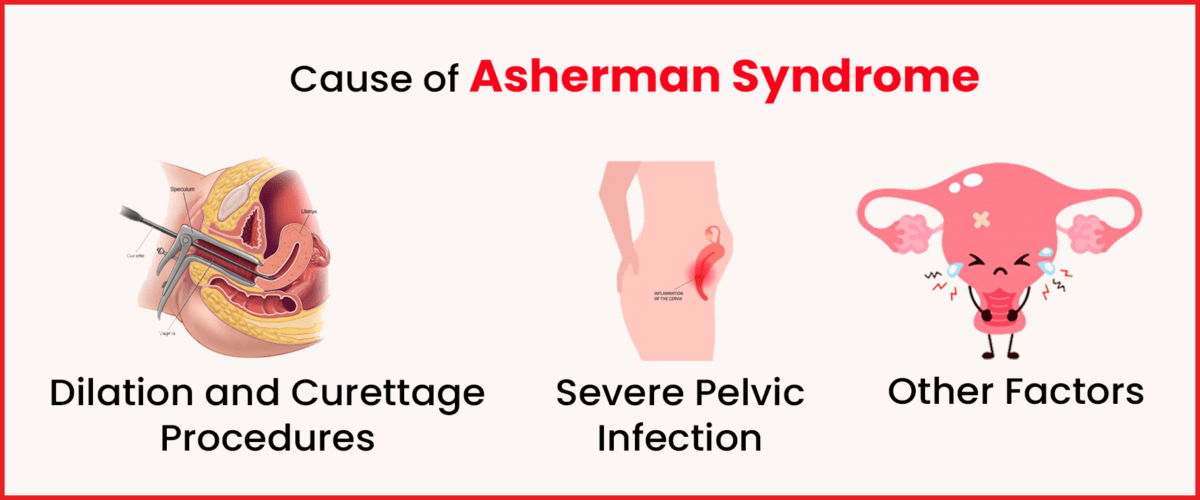
Asherman Syndrome is a rare condition where scar tissue grows inside the uterus and/or cervix. It’s also called intrauterine adhesions or synechiae. The primary causes of Asherman Syndrome include:

1. Dilation and Curettage (D&C) Procedures

It most often happens after a D&C procedure done for voluntarily ending a pregnancy, late or not fully completed miscarriage, or to treat a placenta left over after having the baby.

2. Severe Pelvic Infection

A bad pelvic infection not connected to an operation could also cause Asherman Syndrome.

3. Other Factors

Stickiness in the uterus can also happen after getting sick with tuberculosis or schistosomiasis.

 This condition can cause problems like having light or no periods, pain in the lower body area and trouble getting pregnant. It may also lead to repeat losses of pregnancies and issues during childbirth. It can also mess with making babies, increasing the chances of a miscarriage or a baby not being born alive.

Asherman Syndrome Treatment

Asherman Syndrome Treatment

Asherman’s syndrome can be treated in several ways. It’s a good idea to talk about your goals for future fertility as well as how this illness makes you feel, including any discomfort you may encounter, with your healthcare professional. Sometimes the best course of action for a woman who is symptom-free is to do nothing.

 On the other hand, there are therapy alternatives that can eliminate the scar tissue if your plan calls for more pregnancies. In addition, treatment may be beneficial if you have pelvic pain or cramps. Removing the scar tissue and getting your uterus back to its normal size and shape is the major objective of treatment. Help for Asherman’s syndrome treatment can include:

  •  Ease discomfort.
  • Return your menstrual cycle (periods) to normal.
  • If you are not yet menopausal, permit yourself to become pregnant.

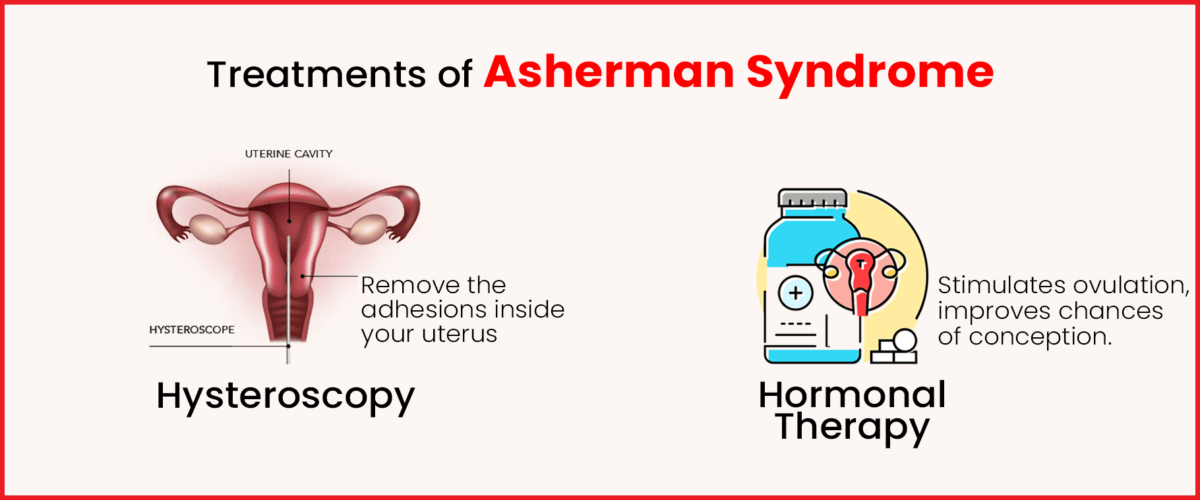
Hysteroscopy

may be used by your doctor to remove the adhesions inside your uterus. During a hysteroscopy, your doctor looks inside your uterus using a thin instrument called a hysteroscope. Scar tissue can also be eliminated with this instrument. The hysteroscope is passed via your cervix, into your uterus, and your vagina. During this process, scar tissue is removed with extreme caution. While the scar tissue is being removed, there is a chance that the surgery will damage good tissue inside your uterus.

Hormonal Therapy

For a few days following the hysteroscopy, a tiny intrauterine catheter may be left inside your uterus in addition to hormonal therapy (estrogen). This will lessen the possibility that scar tissue will regrow following the surgery. Estrogen encourages the healing of your endometrium, which is the inner lining of your cavity, and the catheter creates a physical barrier between your anterior and posterior uterine walls to prevent adhesions in the days that follow the scar tissue removal surgery. Antibiotics will be administered to you to avoid infection during the insertion of an intrauterine catheter.

In Summary

Scar tissue forms inside the uterus in Asherman Syndrome, a rare and acquired disorder that can cause light or nonexistent periods, pelvic pain, infertility, recurrent miscarriages, and irregular menstruation, among other symptoms. The illness is frequently contracted as a consequence of cancer therapies, infections, or surgical operations. It might be difficult to identify Asherman Syndrome because some people may not show any symptoms at all.

Surgery to remove adhesions or scar tissue is the main treatment for Asherman Syndrome; this is usually done using hysteroscopy. Estrogen therapy is frequently used in conjunction with this operation to aid in the uterine lining’s healing and regeneration. Preventive and restorative procedures, like implanting devices to stop scar formation, may be taken into consideration in more severe situations. Many hospitals like Imprimis IVF are suitable for these treatments. It is one of the best hospitals for this. If you need any help, Imprimis IVF can help you.

IVF After Tubal Ligation – Procedure, Recovery & Side Effects

Conceiving naturally after tubal ligation is quite uncommon. But you want to start your family and are worried if there is anything that can help you. In this situation, Assisted Reproductive Technology comes to the rescue. IVF is seen as a promising treatment option to get pregnant after tubal ligation. Also, if a woman conceives naturally, the risk of ectopic pregnancy is quite high. 

When the fertilized egg does not get implanted in the uterus but outside it, then this pregnancy is known as an ectopic pregnancy. An ectopic pregnancy can be life-threatening and warrants urgent medical intervention. 

So, after tubal ligation, natural pregnancy is not the best option. The best thing to do is to schedule an appointment with a health provider to navigate through all the available options to conceive. 

Meanwhile, you can go through this article to understand how IVF after tubal ligation can be a good option. We are going to look at its procedure, recovery, and side effects, if any. 

What is Tubal Ligation? 

A tubal ligation is a surgical procedure in which the fallopian tubes are cut or tied off, rendering the woman sterile and preventing her from becoming pregnant. Fallopian tubes play a vital role during pregnancy because they transport the egg from the ovary to the uterus, where sperm may fertilize it to form a zygote. 

After a tubal ligation, the tubes are mechanically blocked, making it nearly impossible for the egg to become fertilized in the fallopian tube, get implanted in the uterus, and become pregnant.

You are not the only one who wants to have a baby after tubal ligation. Ten to fifteen per cent of women who had their tubes tied later wish to become pregnant again for various reasons, such as going through a miscarriage or marital problems like remarriage. 

Why IVF after Tubal Ligation? 

When tubal ligation, which involves the tying up of the fallopian tubes, is carried out, In vitro fertilization can be extremely beneficial. 

However, IVF after tubal ligation is not the only option. 

One of the most invasive procedures for fallopian tube tie-ups is reverse surgery. However, the fallopian tubes don’t need to be reconnected when using IVF for this purpose, and the procedures are non-invasive.

IVF Procedure after Tubal Ligation

IVF Procedure after Tubal Ligation

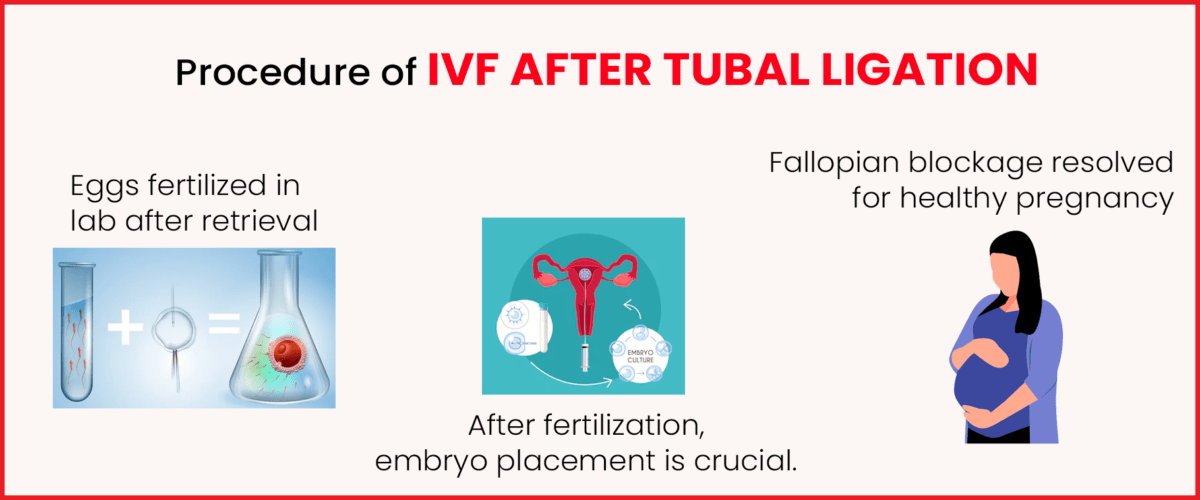
To fertilize in glass is the meaning of In vitro fertilization. Let us discuss in brief how using a specialized IVF procedure can help you get pregnant. 

  • The woman’s produced eggs are taken straight from her ovaries and fertilized with sperm in a carefully monitored laboratory setting. 
  • Following fertilization, the patient is consulted regarding the results of the embryos before they are ultimately placed inside the woman’s uterus.
  • In this manner, the fallopian tube blockage issue can be resolved, and a healthy pregnancy can be achieved.

Tubal Ligation Reversing V/S IVF

The highly invasive procedure known as tubal ligation reversal necessitates hospitalization and a protracted recuperation period. Depending on the type of tubal ligation that was performed, the recovery period following these procedures can range from one to two weeks. This phase typically calls for a great deal of pain tolerance, prolonged post-operative care, and patience.

Surgery is not required for IVF treatments in 99 per cent of cases. These treatments seldom leave scars on your reproductive organs and cannot harm them thanks to less invasive methods and drugs. Following IVF, recovery takes less than two days.

Premenstrual symptoms are typically the procedure’s side effects, and they are easily assisted.

Success Rates of Tubal Reversal

Tubal reversal success rates are lower

Many factors affect the success rates of tubal ligation reversal. 

Suppose there are no other infertility concerns for the woman. Tubal ligation is unable to address additional fertility problems if the lady is under 40. According to statistics, the success rates of reversed tubal ligation are twice as low for women over 40 as they are for IVF patients. The success rates of the two methods are comparable for 100% fertile women between the ages of 35 and 40. 42–69% of women who undergo reversal surgery go on to become pregnant. However, the success rate of IVF is more promising. Several factors, including general health, fertility history, and the particular tubal ligation technique employed, influence IVF success rates

In some circumstances, the cost of reversing a tubal ligation may be more than that of an IVF procedure. For instance, a reverse tubal ligation procedure may be more expensive for women over 40 than an IVF procedure.

Ectopic Pregnancy Risk

One possible reason why a reversed tubal ligation pregnancy is not safe is because of the development of an ectopic pregnancy. Up to 3% of women who underwent reverse tubal ligation were reported to have experienced ectopic pregnancy. Indicates that the fertilized egg implants, typically in a fallopian tube, outside the uterus. Ectopic pregnancies can be dangerous, and treatment must start right away. Fainting may occur from internal bleeding, and the fallopian tube may also rupture because of an ectopic pregnancy. Such an incident is not prevalent in IVF. 

IVF treatments can be combined in a variety of ways. These are the following:

  • The sperm and eggs of the woman’s partner
  • Donor sperm and woman’s eggs
  • IVF using the partner’s sperm, donor eggs, and the woman’s eggs
  • The sperm of the woman’s partner and donor eggs
  • Both donor sperm and donor eggs

The fertility examination is the stage at which, typically, the best course of action is suggested in light of the findings. The next step is ovarian stimulation with the right medications if all the examinations that are part of this evaluation are routine.

The most crucial step in treating tubal ligation is retrieving the eggs and sperm. During the retrieval of a woman’s reproductive material, she is lightly sedated and remains unconscious during the entire process. With the use of ultrasound-guided aspiration, the physician extracts the eggs from the ovaries. It takes roughly 20 minutes to complete this process, and it can successfully collect multiple eggs.

Fertilization takes place in a carefully monitored laboratory setting using intracytoplasmic sperm injection external to the woman’s body. Following fertilization, the embryos are allowed to mature to a specific point before their quality is closely assessed. The patient is consulted regarding the number and types of embryos to be transferred before the final transfer.

Potential Risks

Side Effects of Tubal Ligation

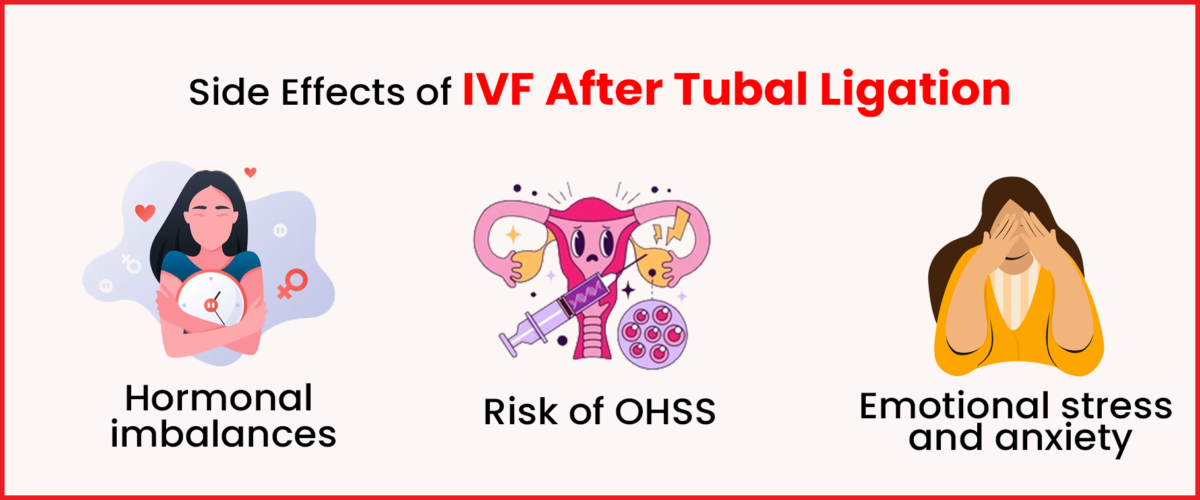
Embryos that successfully implant into two or more pregnancies present unique risks and challenges. Furthermore, ovarian hyperstimulation syndrome (OHSS) is a possible side effect that has to be closely watched for and managed. Knowing about these possible obstacles enables you to approach the process with preparedness and reasonable expectations.

The likelihood of a tubal ligation reversal operation failing increases with shorter remaining fallopian tube length, advanced maternal age, thermal injury to the tubes, scarred tubal tissue, and inexperienced surgeons. IVF is ultimately the best and last option for these patients whose reversal operation failed.

The decision to undergo tubal ligation reversal surgery or pursue IVF following tubal removal ultimately comes down to personal preferences, medical advice, and circumstances.

Final Words

It is important to see a fertility specialist and obtain medical advice before starting the IVF process after tubal ligation. They will assess your particular situation and offer tailored advice. We’ll perform tests and medical examinations to evaluate your general health, hormone levels, and reproductive health. The fertility team can create a treatment plan that is appropriate and customized to meet your individual needs, thanks to this comprehensive evaluation.

Visit Imprimis IVF for the best IVF treatment. Our committed team of infertility experts is here to offer you thorough information, individualized counselling, and sympathetic support.

Ectopic Pregnancy: Causes, Symptoms & Treatments

Ectopic Pregnancy – The uterus, or the womb, is the place where the baby grows for 9 months. The ovaries release an egg, which waits in the fallopian tube for the sperm. When the sperm fertilizes the egg, a zygote is formed. This zygote moves through the fallopian tube, reaches the womb (uterus), and gets implanted in the uterine lining. It is what happens in a normal pregnancy.

This entire process highlights the specific function of all the reproductive parts, namely the fallopian tubes, the ovaries, and the uterus. If the location of fertilization (fallopian tube) or implantation (uterus) changes due to some complications, then the pregnancy cannot be carried to term.

What is Ectopic Pregnancy? 

When the fertilized egg then the pregnancy is known as ectopic pregnancy. When this happens, the fertilized egg develops outside the uterus.

More than 90% of ectopic pregnancies are witnessed in the fallopian tube. In other cases, it is found in the cervix, ovary, or somewhere in the abdomen.

An ectopic pregnancy can never result in a healthy baby. If not treated timely, it can pose a threat to the life of the pregnant woman. Only when the growing embryo gets implanted in the uterus results in a viable and healthy pregnancy.

So, it becomes important to know why it happens in the first place. Then, we need to understand the associated symptoms, diagnosis, and treatment.

Symptoms of Ectopic Pregnancy

Symptoms of Ectopic Pregnancy

The symptoms, like a missed period, nausea or upset stomach, and breast soreness, are similar to those of uterine pregnancies.

However, various symptoms are typically associated with it that warrant medical intervention. These include:

  • Heavy vaginal bleeding or spotting
  • Dizziness
  • Weakness
  • Severe pain in the abdomen, shoulder, neck, or pelvic region
  • Sudden and sharp pain on one side of the abdominal region
  • Tenderness in the cervix
  • High level of human Chorionic Gonadotropin (hCG)
  • Rectal pressure

Causes of Ectopic Pregnancy

Causes of Ectopic Pregnancy

1. Getting stuck in the fallopian tube-:

As already mentioned, the majority of ectopic pregnancy occurs in the fallopian tubes. It happens because, due to some conditions, the movement of the fertilized egg through the blocked fallopian tube or is slowed down.

Now, because the fertilized egg cannot reach the uterus, it starts to grow in the fallopian tube.

The fallopian tube is not meant to support a growing embryo, so urgent medical attention is required. If not treated timely, it may rupture the fallopian tube.

But why does the growing embryo slow down or get stuck in the tube? 

There are various reasons for this like:

  • A previous pelvic surgery or infection that resulted in scar tissues, adhesions, or inflammations in the fallopian tube.
  • Fallopian tubes are damaged because of sexually transmitted infections (STI) like chlamydia or gonorrhea.
  • Fallopian tubes are irregularly shaped since birth which makes it difficult for the fertilised egg to move forward.
  • A growth or fibroid is blocking the fallopian tube.

2. Excessive smoking-

Fine hair-like structures known as cilia are present inside the fallopian tube. Excessive smoking damages the cilia, which can hinder the smooth movement of the fertilized egg through the fallopian tube and result in an ectopic pregnancy. 

3. Age factor-:

Women lying in the age group of 35 to 44 years are at a higher risk of ectopic pregnancy. 

4. A previous ectopic pregnancy-

If you have had an ectopic pregnancy earlier, then there is a possibility of future pregnancies also resulting in an ectopic pregnancy.  

5. Endometriosis

It is a medical condition in which the uterus lining grows outside it, like in the pelvic region. It can also be a reason for an ectopic pregnancy. 

6. Intrauterine device (IUD)

IUD is a small device that is placed in the uterus to prevent pregnancy. But sometimes, the pregnancy can occur with IUD or tubal ligation in place. Such a pregnancy is often an ectopic pregnancy. In rare cases, IVF treatment can also result in an ectopic pregnancy. 

7. Emergency oral contraception

Sometimes oral contraception fails to prevent pregnancy. In this situation, there is a possibility that the woman can conceive in the same cycle. It may result in an extrauterine pregnancy. 

8. If a woman has pelvic endometrial or genital tuberculosis and she gets pregnant, then chances are that it is an ectopic pregnancy. 

9. Certain medical conditions can affect the shape and functioning of the fallopian tubes and other reproductive organs, which can result in an ectopic pregnancy. 

10 Abdominal surgery

If you have had an abdominal surgery like appendectomy or cesarean section. 

The best thing to do if you have abnormal vaginal bleeding, unexplained severe pain, or notice any unusual symptom is to visit a gynecologist without any further delay.

Diagnosis of an Ectopic Pregnancy

The first thing your doctor does is perform a transvaginal ultrasound to trace the location of the developing embryo. An ultrasound cannot help show the pregnancy until the fetus is more than 5 or 6 weeks because, at this time, it is too small to be located.

So a special band-like instrument makes its way into the vagina to provide images of the gestational sac in the womb.

Along with this, the doctor can perform a blood test to determine hCG and progesterone levels in your body. If the level of these two hormones has decreased or is constant over a few days and a gestational sac is absent in the ultrasound, the pregnancy is likely to be ectopic.

In case you are experiencing severe pain or heavy bleeding, all these steps might not be necessary. In extreme cases, the fallopian tube can rupture if not treated timely, which can cause severe internal bleeding. In this situation, the doctor will have to perform an emergency surgery to save the woman’s life.

Treatment of an Ectopic Pregnancy

Treatment of Ectopic Pregnancy

Once it is confirmed, a treatment to remove the embryo without delay is necessary for the mother’s health and life. The line of treatment will depend on the size and location of the ectopic pregnancy.

Medications 

In the early stages, it can be treated with an injection of methotrexate. This drug helps stop the growth of the developing embryo, and after that, the body absorbs this tissue. Surgery is usually performed when the pregnancy is further along.

To check how well this treatment is working and if you need more doses, another hCG test is performed.

Laparoscopic Surgery

When the laparoscopic surgery, a small cut is made in or near the navel. Then a thin tube connected with a camera lens and light makes its way through this incision to examine the tubal area.

Two laparoscopic surgeries to treat an ectopic pregnancy are salpingostomy and salpingectomy.

The main difference between these two treatments is that in salpingostomy, the ectopic pregnancy is removed, and the fallopian tube is left to heal on its own. But in salpingectomy, the ectopic pregnancy, as well as the tube, is removed.

Abdominal Surgery

In case you are having heavy bleeding due to this, emergency surgery has to be performed. The doctor can go for laparoscopy or laparotomy (abdominal incision). If the fallopian tube is not damaged, then it can be saved, but if the tube is ruptured, it must be removed.

Future Pregnancy

It is possible to have a normal pregnancy after an ectopic pregnancy. However, the risk of developing an ectopic pregnancy after a previous one is higher. So, it is best to consult with a gynecologist before planning a pregnancy.

How Imprimis IVF Srinagar can help? 

The diagnosis and treatment of an ectopic pregnancy needs meticulous examination and experience. We at Imprimis IVF can help you remove ectopic pregnancy and plan your future pregnancy.

Bottom line 

Pregnancy is a magical and extremely delicate process. All the reproductive organs involved in pregnancy should be in perfect condition. It is not a very common phenomenon, but it can happen if you have a history of previous ectopic pregnancy, STI, or pelvic surgery. If you face any serious symptoms, you must consult a gynecologist.

Remember, every second matters. If diagnosed timely, your fallopian tube can be saved from rupturing, and the ectopic pregnancy can be removed using medications only. Do not panic if your symptoms are severe; book an appointment with a trusted IVF specialist as soon as possible.

Uterine Fibroids: Causes, Symptoms & Treatment

A uterine fibroid is an abnormal non-cancerous tumour that grows in or along the outline of the uterine cavity. Another common name for uterine fibroids is myoma.

The Uterine Fibroid also known as:

  • Fibromas
  • Leiomyomas
  • Uterine myomas

Fibroids start to grow from the muscle tissue of the womb (uterus). They are also found to grow in the cervix, fallopian tubes, or tissues surrounding the uterus.

The reason behind uterine fibroids is unknown. Uterine fibroids can be as tiny as a seed or as large as a melon. A woman may have one or many fibroids.

As already mentioned, fibroids are non-cancerous. Also, a majority of women with uterine fibroids do not witness visible symptoms. So, a woman may never know if she has fibroids.

Fibroids are more prevalent in obese women and women who are more than 35 years of age with no children.

In this article, we are going to look at the different types, associated symptoms, causes, diagnosis, and treatment of uterine fibroids.

Types of uterine fibroids

Types of Uterine Fibroids

Uterine fibroids are classified based on their location as discussed below:

  • Intramural Fibroids

    The most common kind of uterine fibroids are intramural fibroids. These fibroids grow in the muscular wall of the womb. These are diagnosed between 30 to 40 years of age.

  • Subserosal Fibroids

    These uterine fibroids are mostly non-cancerous and grow on the outer surface of the uterus, known as serosa. Subserosal fibroids tend to grow quite large, which makes the uterus appear larger on one side. In rare cases, these fibroids can interfere with the functioning of the uterus.

  • Submucosal Fibroids

    These fibroids grow under the surface of the endometrium lining. These fibroids are the least common but cause serious problems like anaemia. 

  • Pedunculated Fibroids

    These fibroids get their name from the word peduncle, which means a stalk-like growth. When fibroids are attached to the womb by a peduncle, these are termed pedunculated fibroids. If these fibroids grow inside the uterus then these are known as pedunculated submucosal fibroids. If these grow outside the womb then we call them pedunculated subserosal fibroids.

  • Cervical Fibroids

    These very rare fibroids grow on the cervix and are hence termed cervical fibroids. 

Uterine Fibroid Symptoms

Symptoms of Uterine Fibroids

Typically, no visible symptoms are associated with uterine fibroids. Visible symptoms are generally noticed in the following three situations:

  • When the size of the fibroids is quite large
  • The number of fibroids
  • location of the fibroids

Some of the most common symptoms associated with fibroids include the following:

  • Heavy Menstruation
  • Prolonged Periods
  • Extreme Pain during Periods
  • Menstrual Clots
  • Feeling Pain or Pressure in the Pelvic Region or lower back
  • Abdomen Enlargement or Swelling
  • Constipation
  • Anaemia
  • Backache
  • Frequent Urge to Urinate
  • Pain during Intercourse

Fibroid Growth during Menopause 

Fibroid growth is quite common after Menopause. When a woman undergoes Menopause, the oestrogen and progesterone levels witness a drop. Both these hormones are known to stimulate the growth of uterine fibroids. There is also a possibility that these fibroids may shrink during or after Menopause. You may not come across any symptoms of fibroid growth.

Complications associated with the presence of uterine fibroids are rare. Some of these rare complications are:
  • If the size of the fibroids is large then it may hamper fertility by blocking the fallopian tubes and preventing the egg from getting implanted.
  • Pregnant women might face some difficulties during labour due to fibroids.
  • In some cases, fibroids may lead to miscarriage or premature birth.

Uterine Fibroid Causes

The cause of fibroid is still a mystery. However, medical experts believe genetic and hormonal factors govern the growth of fibroids in women.

The pregnancy hormone oestrogen, which is active during a woman’s reproductive age, is known to play a role in the development of fibroids.

When a woman is on her period, the uterine lining gets regenerated because of the pregnancy hormones estrogen and progesterone. This regeneration stimulates the growth of uterine fibroids. These fibroids may shrink during Menopause.  

Family History

Also influences the growth of fibroids. If your grandmother, mother, or sister had fibroids, then you may also notice fibroid development.

Age also has a role to play in fibroid growth. Women who are 30 years old or older are at a higher risk of developing uterine fibroids.

High body weight also influences the development of uterine fibroids.

Fibroids may also grow during pregnancy. During this time, the production of estrogen and progesterone increases. However, the chances of pregnant women developing fibroids are far lesser than non-pregnant women.

When to See a Doctor? 

Fibroids generally do not lead to any complications. So they do not need medical attention. But in case of menstrual irregularities or disorders like frequent or heavy bleeding, you should visit a IVF treatment Centre near you.

Diagnosis of Uterine Fibroids 

It is not possible to confirm the presence of fibroids without visiting a IVF expert who will run some diagnostic tests and develop a further treatment plan if needed.

Here are some tests to examine the presence of fibroids:

  • Pelvic examination-: In a pelvic examination, the gynaecologist will check the condition of the vagina, the uterus, and both ovaries. 
  • X-ray-As the name suggests, this test uses X-rays to produce clear pictures of the uterus. 
  • Pelvic Magnetic Resonance Imaging- This in-depth imaging test helps produce images of ovaries, uterus, and other pelvic organs by using magnets and radio waves. 
  • Ultrasound-This test is performed on the abdomen with high-frequency sound waves used to produce images of the internal structure of the uterus and fibroids, if any. 
  • Computed tomography scan- Popularly known as CT scan, makes use of X-rays to examine the presence of fibroids in or on the uterus from different angles. 
  • Laparoscopy-: In laparoscopy, thin cuts are made near the navel, and a thin, long scope finds its way into the uterus through these cuts to check for the presence of fibroids. 
  • Hysterosalpingogram (HSG): The HSG test uses a contrast dye that is injected into the womb, and simultaneously X-ray pictures are produced to detect fibroids. 
  • Sonohysterogram: This test is carried out by injecting water into the uterus, which helps in the production of images using ultrasound.
  • Hysteroscopy: Hysteroscopy is performed with the help of a long and thin scope with a light attached to its end. It is then directed through the vagina and cervix into the uterus to detect fibroids. 

Natural ways to treat or prevent further growth of uterine fibroids

Be it any complication in the body, food, and lifestyle choices can make or break the deal. If you do away with poor dietary and lifestyle choices and opt for the below-mentioned options, then you can witness some positive changes.

Make sure you keep your body healthy and keep your body weight in control by:
  • Practicing yoga
  • Acupuncture
  • Massage
  • Exercising regularly
The food you eat also plays a huge role, so include the following in your diet:
  • Green leafy vegetables
  • Green tea
  • Tuna and Salmon

Another important point is to avoid red meat, ham, and high-calorie processed food.

Treatment of Uterine Fibroids

When talking about the treatment of fibroids, people think that surgery is the only available option. But in the majority of cases, there is no need for surgical intervention. The treatment option depends on the location, number, and severity of fibroids.

Various treatment options available in the form of medications to treat fibroids are as follows:

  • Hormone medications: Your health provider can prescribe some hormone medications to help shrink the fibroids.
  • Medications for period pain: Medications like ibuprofen and acetaminophen can help alleviate period pain.
  • Hormone-releasing device: It is placed in the womb, which helps keep heavy menstruation in control.
  • Supplements: Take Vitamin D or Iron supplements to manage heavy menstrual bleeding.
If the complications are more severe and medications don’t seem to help, then the following surgical options can help:
  • Radiofrequency ablation: Radiofrequency ablation surgery makes use of heat to destroy and shrink fibroid tumours without affecting the tissues surrounding them.
  • Myomectomy: This surgical operation removes fibroid tissues without causing any harm to surrounding healthy tissue present in the womb.
  • Endometrial ablation: For this, the surgeon destroys the uterine lining with the help of a laser, wire loops, boiling water, electric current, microwaves, or freezing. Endometrial ablation greatly helps to reduce heavy menstrual bleeding. Medical experts advise you to opt for this surgery only if you have no plans of conceiving a baby in the future. 
  • Myolysis: This surgical operation is used to destroy fibroid tissues using electrical current or freezing with the help of a needle.
  • Uterine fibroid embolization (UFE) or Uterine artery embolization (UAE): This surgery is undertaken to shrink fibroids. A thin tube is placed in the blood vessels of the fibroid tissue. Then, gel particles are injected into these vessels to block the supply of blood to the fibroid.
  • Hysterectomy: In this medical procedure, the entire womb (uterus) is taken out. This surgery is performed when the size of the fibroids is quite large or when uncontrolled menstrual bleeding. Just like endometrial ablation, hysterectomy should only be considered as an option when you have no plans to become pregnant in the future

Bottom line

Uterine fibroids have become common these days. These are largely non-cancerous, so they do not warrant urgent medical attention or treatment. Medications or treatment options should only be taken into consideration if there are severe complications due to the presence of fibroids; otherwise, there is no harm in living with fibroids.

But it is very important to see a doctor if you feel the need to do so. Also, take care of your reproductive health by adopting healthy eating habits, staying active, and keeping stress levels under control.

Sperm Cramps – Causes, Symptoms, Diagnosis & Treatment

Introduction

In the realm of fertility, understanding the nuances of male reproductive health is crucial. One commonly overlooked aspect is the occurrence of sperm cramps. Despite being less discussed, sperm cramps can have significant implications for male fertility. In this blog, we will get into the causes, symptoms, diagnosis, and treatment of sperm cramps, shedding light on a topic that deserves more attention.

What Are Sperm Cramps?

Before we get into the details, let’s understand what sperm cramps mean. Sperm cramps, also known as testicular pain, are when you feel discomfort or pain in your testicles or scrotum. This could be a sign of problems with your male reproductive health.

Causes of Sperm Cramps

Understanding the root causes of sperm cramps is essential for effective management. Drawing insights from leading fertility experts and research, here are some common causes to be aware of:

Varicocele – Swollen Veins Impacting Sperm Flow:

  • Varicocele specifically involves the enlargement of veins in the scrotum, creating a network of swollen blood vessels.
  • This vascular anomaly can impede normal blood flow, causing discomfort and cramping in the affected area.
  • Over time, compromised blood circulation may negatively impact sperm quality and fertility potential.

Infections – STIs and Reproductive System Infections:

  • Sexually transmitted infections (STIs) chlamydia or gonorrhea can infiltrate the reproductive system, leading to localized infections.
  • Infections in the reproductive organs can trigger inflammation and pain, influencing the overall health of sperm.
  • Timely detection and treatment of these infections are crucial for preventing long-term complications and addressing sperm cramps.

 Testicular Torsion – Urgent Twisting of the Testicle:

  • Testicular torsion is a critical condition involving the sudden twisting of the testicle, compromising blood flow.
  • This emergency is marked by a sudden and intense onset of pain, requiring immediate medical attention to prevent harm to the tissues.
  • Testicular torsion is a time-sensitive issue, and swift intervention is vital for preserving both fertility and overall reproductive health.

 Epididymitis – Inflammation of the Sperm Transport Tube:  

  • Epididymitis specifically refers to the inflammation of the epididymis, a coiled tube responsible for storing and transporting sperm.
  • Inflammation in this crucial reproductive structure can lead to persistent pain and discomfort in the scrotum.
  • Addressing the underlying cause of epididymitis is essential for alleviating symptoms and preserving sperm health.

Hernia – Impact on Reproductive Organ Function:

  • A hernia, though primarily associated with the protrusion of abdominal contents, can contribute to testicular pain.
  • In cases where a hernia affects the inguinal region, it may exert pressure on the surrounding structures, including the reproductive organs.
  • Understanding and addressing the impact of a hernia on the normal functioning of the reproductive system is key to managing associated discomfort.

Symptoms of Sperm Cramps

Recognizing the symptoms associated with sperm cramps is vital for early intervention. Here’s a breakdown of common indicators:

Pain or Discomfort – Location and Intensity:

  • The pain associated with sperm cramps is often localized to the testicles or scrotum.
  • It may manifest as a dull ache, throbbing sensation, or intermittent sharp pain.
  • The intensity of the discomfort can vary, ranging from mild irritation to more severe, persistent pain.

Swelling or Tenderness – Observable Changes:  

  • Swelling in the scrotal area may result from the underlying causes of sperm cramps, such as varicocele or infections.
  • Tenderness can be assessed by touch, and individuals may notice increased sensitivity or discomfort when the affected area is palpated.
  • Observing any noticeable changes in the size or texture of the scrotum is crucial for identifying potential issues related to sperm cramps.

Changes in Sperm Quality – Impact on Fertility:  

  • Sperm cramps can influence the quality of sperm, potentially affecting fertility.
  • Changes in sperm quality may include alterations in sperm motility, sperm morphology, or concentration.
  • Monitoring fertility indicators, such as changes in ejaculate consistency or colour, can provide insights into potential disruptions in sperm quality associated with sperm cramps.

Diagnosis of Sperm Cramps

Proper diagnosis is crucial for effective treatment. Fertility specialists employ various diagnostic measures, including:

Physical Examination – Targeted Assessment of Reproductive Structures:

  • A comprehensive physical examination focuses on the scrotum and surrounding areas, aiming to identify specific abnormalities related to sperm cramps.
  • Fertility specialists will assess for the presence of swelling, tenderness, or irregularities in the testicles, scrotum, and epididymis.
  • Special attention may be given to palpation techniques to gauge the severity and location of pain, aiding in the identification of potential causes.

Ultrasound Imaging – Precision in Reproductive Organ Assessment:   

  • Ultrasound imaging is a non-invasive technique used to visualize the internal structures of the scrotum and reproductive organs.
  • High-frequency sound waves provide detailed images, allowing specialists to assess the size, shape, and blood flow in the testicles.
  • Specific ultrasound protocols may be employed to target areas affected by conditions like varicocele or testicular torsion, aiding in accurate diagnosis.

Blood Tests – Hormonal and Infectious Markers:

  • Blood tests are crucial for evaluating hormonal imbalances that may contribute to sperm cramps.
  • We check hormone levels like testosterone, luteinizing hormone (LH), and follicle-stimulating hormone (FSH) to find any irregularities that might affect reproductive function.
  • Additionally, blood tests can detect markers of infection, helping to diagnose and treat any underlying infections contributing to sperm cramps.

By enhancing the specificity of each diagnostic measure, individuals can better understand the purpose and significance of these assessments in the context of sperm cramps. This clarity is essential for fostering informed discussions with healthcare providers and ensuring a thorough and accurate diagnosis.

Treatment Options for Sperm Cramps

Addressing sperm cramps often involves a tailored approach based on the underlying cause. Referencing insights from leading fertility treatment centres, here are some common treatment options:

Varicocele Repair – Precision in Vein Correction:       

  • Varicocele repair involves a surgical procedure to precisely address the enlargement of veins within the scrotum.
  • Microsurgical techniques may be employed to ligate or redirect the affected veins, restoring normal blood flow to the testicles.
  • This targeted intervention aims not only to alleviate sperm cramps but also to enhance sperm quality by improving the overall reproductive environment.

Antibiotic Therapy – Targeted Eradication of Infections:   

  • Antibiotic therapy is prescribed when infections are identified as the cause of sperm cramps.
  • The choice of antibiotics is specific to the type of infection diagnosed through laboratory tests.
  • It’s important to finish the entire antibiotic treatment to make sure the infection is eliminated. This helps address the root cause of discomfort and supports optimal reproductive health.

Pain Management – Customized Relief Strategies:

  • Pain management for sperm cramps may involve over-the-counter medications such as non-steroidal anti-inflammatory drugs (NSAIDs).
  • Specific pain relief measures are tailored to the individual’s needs, taking into account factors such as the severity of pain and any underlying conditions.
  • Non-pharmacological approaches, such as applying cold or warm compresses, may also be recommended for targeted relief.

Surgical Intervention – Timely Addressing of Critical Conditions:   

  • Surgical intervention becomes necessary in severe cases, such as testicular torsion or hernias.
  • Timely surgical procedures are essential for preventing irreversible damage and preserving fertility.
  • Surgical techniques may vary based on the specific condition, ranging from detorsion in testicular torsion cases to hernia repair to alleviate pressure on reproductive structures.

Offering detailed information on each treatment option empowers individuals to grasp a deeper understanding of the available interventions for addressing sperm cramps tailored to their unique circumstances. This knowledge is essential for making well-informed decisions through discussions with healthcare professionals.

Conclusion:

In conclusion, the journey through the intricacies of sperm cramps and male infertility reveals the nuanced nature of reproductive health. Key takeaways underscore the importance of understanding sperm cramps, acknowledging the significance of male fertility, and recognizing the role it plays in the broader context of family-building.

Sperm cramps are not just challenges; they are opportunities for informed decision-making. Understanding the intricacies of male fertility empowers individuals to navigate this journey with clarity and purpose. At Imprimis IVF, we stand as partners in your pursuit of parenthood.

Schedule a Consultation at Imprimis IVF

As you embark on your fertility journey, Imprimis IVF extends an invitation to schedule a consultation for personalized fertility assessments. This call to action is an opportunity to take the next step toward understanding and addressing your unique fertility landscape.

Your journey to parenthood begins with a conversation. Schedule a consultation at Imprimis IVF, where our dedicated team is ready to provide personalized fertility assessments, answer your questions, and guide you toward the most effective and individualized fertility plan.

What is a trigger shot in IVF

IVF Trigger Shot – In-vitro Fertilisation treatment commonly known as IVF consists of various stages. You will be exposed to medications and tests at every step. This is done to increase the success rates of the treatment. Medications are administered to the couple as per their needs. The most common medication that is administered to women comes in the form of a trigger shot.

In this article, we are going to understand what is a trigger shot in IVF, its need, side effects, precautions, administration, and its role in deciding the success rate of the entire IVF procedure.

IVF and Trigger Shot

Pregnancy is the result of the formation of an embryo when the fusion of egg and sperm happens in the fallopian tube. But what if the egg is not mature or in the worst scenario no egg is released by the ovaries?

This is where In-vitro Fertilisation and trigger shot comes into the picture.

IVF is the most suitable treatment option for couples who have the following medical conditions-:

What is a Trigger Shot?

The word trigger means to start or initiate and shot means injection. Combining these two we can say that a trigger shot is a hormonal injection that initiates the maturation and release of eggs by the ovaries.

The two most common trigger shots widely used for IVF are hCG and Lupron. hCG which stands for human chorionic gonadotropin is a hormone while Lupron is a drug.

Lupron is a non-hCG drug that is often recommended when the woman has a high risk of developing OHSS. Otherwise, hCG as a trigger shot is the first choice of fertility experts around the globe.

A trigger shot is not a necessary step in IVF.

It entirely depends on your requirements. The doctor will thoroughly analyze the ovulation process and other aspects to develop a treatment plan for you.

What is the need for a Trigger Shot?

Every woman has two ovaries which are responsible for releasing a mature egg every month for fertilisation. The quality of this egg and the well-being of the reproductive system decide your chances of getting pregnant.

In many infertility cases, the ovaries are not able to release mature eggs every month. This entire process of egg maturation and release is governed by Luteinizing Hormone (LH) and follicle-stimulating hormone (FSH).

Poor quality eggs mean poor chances of pregnancy. A trigger shot helps address this problem associated with IVF treatment.

For this, we need to understand what the IVF procedure is all about.

In-vitro Fertilisation is the process of fertilization that takes place naturally in the fallopian tubes on a petri dish in a laboratory.

For this to happen the eggs released by the ovaries are collected by the doctor.

Trigger shot makes sure the ovaries produce mature eggs which can develop into strong and healthy embryos. They are vigilantly monitored by fertility experts and get implanted in the uterine cavity.

Ideally, a trigger shot is used when:

  • The ovaries are unable to release eggs on their own naturally

Timing the release of eggs for the egg retrieval process for IVF

  • The underlying cause of infertility is unknown

How long after the trigger shot does it take for you to ovulate?

It will take around 24 to 36 hours for the mature eggs to be released by the ovaries after the administration of the trigger shot.

Does the trigger shot stay in your body for too long?

Typically half of the initial concentration of the hCG injection is active for 24 to 36 hours inside your system. The remaining half concentration will also come out of your system depending on your metabolism, method of administration, and body mass index. It roughly takes 10 days for the injected hCG to come out.

When to take a Pregnancy Test?

hCG is secreted after implantation of the embryo in the uterine cavity. This happens naturally to maintain the levels of estrogen and progesterone. When you take a pregnancy test after implantation it turns positive due to the presence of hCG in the urine.

But when an hCG trigger shot is administered to you there are chances that you will witness false positives on the pregnancy test kit.

So when is the right time to take a pregnancy test following a IVF trigger shot?

It is best to wait for at least 14 to 15 days after the trigger shot. To confirm the implantation it is best to visit your fertility expert after taking an at-home pregnancy test.

Early signs of pregnancy post-trigger shot may include breast tenderness, fatigue, missed periods, frequent urination, and nausea.

When to take the IVF Trigger Shot?

Timing of the trigger shot is extremely important in an IVF cycle. The fertility specialist will closely monitor the growth of ovarian follicles. Once the doctor is satisfied with the size of the dominant follicle which should be above 16-18 millimetres trigger shot will be administered to you. Then you will be asked to have sexual intercourse after a few hours to increase the chances of fertilization.

This greatly helps the doctor to schedule your IUI treatment in which the sperm is directly injected into your uterine cavity.

For IVF, the trigger shot will help decide the best time for the egg retrieval process. You will be asked to take the trigger shot 34 to 36 hours before your scheduled egg retrieval appointment. This promotes the process of meiosis: a process of cellular division.

This gives a good chance to collect all the good quality chromosomally normal mature eggs for fertilization with a motile and healthy sperm.

The timing of the trigger shot will vary from clinic to clinic and according to the development of your egg follicles.

Set an alarm, ask someone in your family to remind you, and put a sticky note on the refrigerator. But do not take it lightly, timing has a lot to do with the quality of eggs that will be retrieved.

How to take the IVF Trigger Shot?

You will need a prefilled Ovidrel syringe, alcohol swab, and gauze.

First step-: Clean the injection site properly.

Second step-: Take the syringe and place it on the abdomen, a few inches from your navel.

Third step-: Disinfect the area with alcohol to minimize the chances of infection.

Fourth step-: Direct the needle at an angle of 45 to 90 degrees and empty the contents in the syringe.

The doctor will personally guide you on how to take the trigger shot. If you do not feel confident in taking the shot yourself then you can visit your fertility expert for help.

Side effects of Trigger Shot

There are no harmful side effects associated with the administration of a trigger shot. However, pain or irritation at the injection site is quite common. You might also experience abdominal cramps or mild bloating.

A concerning side effect is OHSS. It stands for ovarian hyperstimulation syndrome. It is a result of swelling of ovaries which leads to fluid leakage in other parts of the body. Sometimes trigger shots stimulate the ovaries to produce more eggs than usual which leads to OHSS.

The good news is that OHSS is not a common side effect.

If you have mild OHSS you might have the following symptoms:

  • Abdominal cramps
  • Vomiting
  • Nausea
  • Bloating
  • Diarrhea

Cases of moderate and severe OHSS are quite rare. Some common symptoms of severe OHSS are as follows:

  • Severe abdominal cramps
  • Difficulty in breathing
  • Constant vomiting
  • Formation of blood clots
  • Rapid weight gain
  • Decreased urination

If you feel something is not right consult your fertility expert without thinking twice. Do not let your stress levels shoot up. IVF success rates are largely dependent on your stress management skills.

Is the administration of a trigger shot painful

The intensity of pain from a trigger shot largely depends on your sensitivity to injections. The method of administration also has a role to play.

Trigger shots can be administered in two ways namely intramuscular and subcutaneous.

Intramuscular means the injection is administered into the muscle. While subcutaneous means administration of the shot under the skin.

The specialists prefer to go for subcutaneous administration of IVF trigger shot which is less painful.

Sometimes the injection spot becomes red, itchy, or inflamed. But the discomfort lasts only for a day or two and these signs go away.

What to do if you miss your trigger shot?

First of all, do not panic and take some deep breaths. Visit your fertility expert to discuss the situation and further the line of action.

Find the right Fertility Clinic

The role of the fertility center in your infertility treatment journey can’t be emphasized enough. From tracking the progress of the egg follicles to retrieving the mature eggs the entire procedure demands a team of experts.

If you are looking for a fertility center in Srinagar then look no further. We at Imprimis IVF are here to guide you in your journey towards parenthood.

Visit us at Imprimis IVF, Srinagar for more information.

Final Words

Trigger shot plays a vital role in IVF treatment but it is not for everyone. Every individual is unique and so are the requirements. Do not follow everything that is written on the web and visit a doctor.

Let your doctor decide what’s best for your IVF journey. But if trigger shots are involved in your plan then make sure you are punctual and follow your doctor’s instructions religiously.

Trust the process and your efforts. Follow a healthy lifestyle and keep your stress levels in check. We hope this article by Imprimis IVF was helpful to you.