IVF treatment in India has become one of the most trusted and effective solutions for couples struggling with infertility. At Imprimis IVF Centre, we offer advanced fertility treatments backed by cutting-edge technology, experienced specialists, and compassionate care. Our goal is to help every couple achieve their dream of parenthood with the highest possible success rates.

In vitro fertilization (IVF) is a highly advanced procedure where fertilization takes place outside the body, followed by embryo transfer into the uterus. It is ideal for conditions like blocked fallopian tubes, PCOS, male infertility, low AMH, unexplained infertility, and repeated pregnancy loss. With rising awareness and improved techniques, IVF success rates in India have significantly increased, making it a preferred destination for fertility treatment.

At Imprimis IVF Centre, we provide personalized IVF treatment plans tailored to each patient’s medical history and fertility condition. Our services include ICSI treatment, blastocyst culture, fertility preservation, donor programs, and advanced genetic testing. We combine affordability with world-class standards, ensuring that patients receive the best care without financial stress.

If you are searching for the best IVF treatment in India, understanding the IVF process, cost, success rates, and latest technologies is crucial. Our blog category covers everything you need to know—from expert advice and fertility tips to real IVF success stories.

Start your fertility journey with confidence. Trust Imprimis IVF Centre for safe, affordable, and successful IVF treatment in India.

How to improve egg quality for pregnancy & IVF

I. Understanding Egg Quality Importance

The commencement of the 9-month-long pregnancy journey depends not only on the release of an egg by the ovaries but also on its quality. Egg quality is the ability of an egg to transform into an embryo after fertilization. A good quality or regular egg has the proper number of chromosomes and adequate energy source to develop into a full-grown baby in the womb. 

If the egg does not meet any of these conditions, then phenomena like frequent miscarriages, failed IVF cycles, and several other problems in conceiving are likely to occur. Poor quality or abnormal eggs are one of the major causes of female infertility.

A. Impact on Pregnancy and IVF 

A successful pregnancy is directly related to egg quality.

Think of it this way, say you want to plant an apple tree. You have a garden with fertile soil, a good water supply, and favourable weather conditions. You have two groups of seeds that are of different quality. The first group contains good-quality seeds, and the other contains poor-quality seeds. But there is a condition that you can’t change the seeds. 

Over a while, good-quality seed will grow into a healthy plant and finally become a large tree. At the same time, the other plant may die out in the initial stages due to the poor quality of the seeds. 

Likewise, good-quality eggs will result in good-quality embryos. Further, these healthy embryos will get implanted in the uterus and carry your pregnancy to term. 

Can you change or reverse the quality of the eggs in your ovaries? The answer is a plain No. Is there something you can do about the quality of your eggs? Look out for ways to enhance the health of your existing eggs. 

II. Factors Influencing Egg Quality

Fertility experts have argued that egg quality is majorly dependent on a woman’s age, genetics, and environmental factors. Nobody can control factors like age and genetics. That is why it is impossible to change the egg quality or replace the damaged eggs, but one can work to keep the existing ones. 

A. Age and Lifestyle

As a woman ages, the number, as well as the egg quality, witnesses a decline. There is no method or treatment to stop this natural phenomenon. 

The decline in egg quality becomes even more pronounced around age 35. Another significant decline in ovarian reserve is witnessed around age 45. 

It is a scientifically cemented fact that lifestyle does hamper your fertility. However, lifestyle should be addressed by couples in their fertility journey. Following is a list of lifestyle choices that might be causing hurdles in your not-so-smooth conception journey. 

  • No or less physical activity
  • Smoking
  • Consumption of alcohol
  • Too much stress
  • Disturbed sleep cycle
  • Wrong diet
  • Excessive caffeine intake

B. Environmental Considerations-: 

It might shock some people, but pollution can hinder the quality of a woman’s eggs. Some experts say that medicines used to cure illness also have the potential to decline egg quality. Apart from these, exposure to chemicals like lead can also hamper egg quality. 

III. Enhancing Egg Quality Strategies

You can stick to specific strategies to enhance egg quality and embark on your parental journey as soon as possible. 

A. Healthy Lifestyle Choices-: 

A healthy lifestyle paves the way for a healthy pregnancy. It goes a long way in keeping your reproductive system healthy. 

Healthy lifestyle choices, according to fertility specialists, can be summed up in the following checklist-:

  • Quit smoking
  • Say no to alcohol
  • Stay active
  • Keep stress at bay
  • Get plenty of sleep
  • Maintain a healthy BMI
  • Say bye to drugs
  • Consume a balanced and nutritious diet
  • Have a robust support system

B. Nutritional Supplements-: 

Depending on the couple’s specific needs, various nutritional supplements can be taken to prepare the body for conception. 

  • Folic acid 

This B vitamin has a significant positive impact on conception. Moreover, folic acid helps prevent congenital disabilities of the brain and spine. 

Natural Sources of Folic Acid-:

  1. Whole grains
  2. Green Leafy
  3. Vegetables and legumes.

Omega-3 Fatty Acids 

Omega-3 fatty acids are healthy fats that help strike a balance between reproductive hormones. Besides this, these fats help regulate menstruation and implantation.

Natural Sources of Omega-3

  1. Salmon
  2. Tuna or sardines
  3. Fish Oil and Algal Oil. 

CoQ10

CoQ10 is a powerful natural antioxidant that improves ovarian response. It also prevents the eggs from oxidative damage. 

Natural Sources of CoQ10-: 

  1. Fish and Meat. 

Avoid self-prescription, as it may do more harm than good. 

It is a sincere request that you always consult a fertility expert before taking nutritional supplements to boost fertility

C. Mind-Body Practices-:

Understanding the connection between mind and body leads to a more profound sense of self-awareness and mindfulness. It helps deal with the changes you undergo before and during pregnancy. The best mind-body practices include massage therapy, meditation, deep breathing techniques, yoga, and general relaxation body movements. 

D. Fertility Treatments-: 

Assisted Reproductive Technology (ART) has helped millions of infertile couples around the globe to welcome home their little bundle of happiness. Many options are available for people struggling with infertility based on their issues and medical conditions. 

  • In-vitro Fertilisation (IVF)– In this medical procedure, the eggs are taken out on a petri dish, and the quality can be tested. The good-quality eggs are then fertilized and implanted in the uterus.
  • Intracytoplasmic Sperm Injection (ICSI)– In this procedure, the sperm is directly injected into the egg. With the help of ICSI, the number of fertilized eggs can be increased. It can only be performed when the male partner has no fertility issues.

IV. Nutritional Support for Egg Quality

The role of nutrition in fertility can’t be emphasized enough. The food you put inside your body can make or break your pregnancy dream. 

A. Superfoods and Antioxidants-: Taking plenty of fertility superfoods and dietary antioxidants can help boost egg quality. 

The Best Superfoods to Take Care of Egg Quality are: 

  • Asparagus
  • Beans and lentils
  • Spinach
  • Egg yolks
  • Walnuts
  • Sweet potatoes
  • Berries

Are you looking for the best antioxidants for fertility? Well, eat that fruit! 

Apples, oranges, pomegranates, grapes, kiwi, and grapefruit are loaded with the goodness of antioxidant properties. 

B. Anti-Inflammatory Diet-:

It might look like a fancy word for an expensive diet, but it’s not! All vegetables and fruits have pro-anti-inflammatory properties. 

You can design your anti-inflammatory diet with a colourful bowl of grains, healthy fats, fruits, and vegetables. Here’s what you can include: 

  • Vegetables like garlic (rich in selenium), spinach, carrot, onions, mushrooms, radish, cauliflower, broccoli, and cabbage.
  • Be friends with berries like blueberries, strawberries, blackberries, and raspberries.
  • Treat yourself to a tropical fruit like banana, pineapple, and mango.
  • Citrus fruits like orange and grapefruit work wonders.
  • Dates, nuts, and seeds, including almonds, walnuts, chestnuts, pumpkin seeds, and sunflower seeds.
  • Whole grains range from barley, wheat, oats, whole rye, brown rice, and millet.
  • Avocados, coconut oil, and cold-pressed olive oil are rich sources of healthy fats.
  • Don’t forget to drink adequate glasses of water

Foods containing excessive sugars, saturated fats, junk food, and highly processed food trigger inflammation in the body. The body releases a hormone called cortisol which hampers fertility. So, make sure you avoid such foods to maintain the health of your eggs and improve your chances of getting pregnant. 

V. Wellness for Improved Egg Quality

A healthy mind supports a healthy body. Reread this line! The nutritious diet you are consuming, all the supplements you are taking, and the treatment you are undergoing will work more efficiently if your mind is at peace. 

A. Stress Management-: Stress is one of the biggest enemies of ovulation. Too much stress can trigger the production of cortisol and prolactin. These stress hormones delay egg production by the ovaries, disrupting ovulation and fertilization. So, it becomes vital to manage mental strain. 

Some of the best ways to keep your stress levels in check include meditation, breathing exercises, yoga, journaling, and listening to music. 

Some of the yoga asanas that assist with managing stress and conception include -: 

  • Surya Namaskar 
  • Nadi Shodhan Pranayama
  • Janu Shirasana
  • Baddha Konasana
  • Bhramari Pranayama
  • Balasana
  • Paschimottanasana

Regular practice of these asanas helps tackle mental and emotional strain but also helps stimulate the ovaries. There is an increase in the blood flow to the pelvic region. Also, these fertility asanas prepare your body for a healthy pregnancy.

B. Sleep and Exercise Benefits-:

It is proven that sleep is the best medicine. Trillions of body cells repair when you are sleeping. When this medicine is armed with the right exercises, it can bring promising transformation in your journey. Exercises like fertility yoga asanas, walking, swimming, pilates, or strength training can be incorporated into your daily routine. 

These will help with stress and a good night’s sleep and help maintain a healthy BMI. If you are obese, then chances are it is going to hinder your fertility in some or the other way. 

VII. Conclusion: Your Path to Enhanced Egg Quality

Take it with a pinch of salt, but you can not stop the decline of your egg count and the quality of your eggs. However, you can implement particular lifestyle and dietary changes that can be a game changer for your journey to achieve a healthy pregnancy. Remember to stay positive while trying to get those two pink lines on the pregnancy test kit.

We at Imprimis IVF never recommend taking supplements to boost fertility without consulting an IVF doctor. Seek medical expertise before making any changes in your diet or lifestyle to enhance egg quality.

Why Imprimis IVF for infertility treatment? 

Our clients and we know what we at Imprimis can offer, from state-of-the-art facilities to affordable treatment with promising outcomes. Our results speak for us! Please pay a visit to our clinic and see for yourself. 

How Many Injections Are Needed for IVF Treatment

Understanding the Number of IVF Injections for IVF Treatment

IVF Injections – The drugs used in the IVF process are often hormones that increase the number of eggs produced by the ovaries, making them mature faster to fertilize and make implantation possible. These hormones are also used to stimulate the egg cells into developing into embryos so that they can implant in the uterus.

Another drug commonly used during IVF treatment is gonadotropin-releasing hormone (GnRH). This medication is administered by injection every day for three days following ovulation and before another egg comes out via one of the female’s ovaries.

In some cases, it may not be possible for women to produce eggs on their own due to various medical conditions such as polycystic ovarian syndrome (PCOS), which causes an imbalance in levels of male hormones in women’s bodies, which can affect fertility.

IVF Treatment Overview

In vitro fertilization (IVF) is a procedure that involves removing an egg from a woman’s ovary, fertilizing it in a controlled environment, and then transferring it back into her body. The resulting embryo is placed in the womb for development, where it will grow into a baby. IVF is used for women with problems with their eggs or getting pregnant due to blocked fallopian tubes or other reasons.

A. Explanation of the IVF Process

In vitro fertilization (IVF) is an infertility procedure that uses eggs from a woman’s ovaries and sperm from a man’s testicles to create embryos and implant them into the uterus. The embryos are then implanted into the uterus by a physician or other healthcare professional. The IVF process typically takes place over several months, although some women can have their babies sooner than this.

B. Significance of Injections in the Treatment

Using injections during IVF helps doctors and scientists understand how human egg cells grow and mature. These injections also help doctors understand how certain hormones affect the development and health of a woman’s eggs. For example, some women produce more estrogen than others, making their eggs less likely to develop normally or survive until fertilization; this information can help doctors create medications that will help treat infertility related to low estrogen levels in women’s bodies.

Injections in IVF Treatment

A. Types of Medications and Injections used

Injections are used to increase your chances of getting pregnant. They help you to ovulate and allow for fertilization to take place. Oocytes are collected from the follicles of the ovaries and then fertilized with sperm in the lab.

IVF Injections Typically Consist of the following:

  • Follicle-stimulating hormone (FSH) – increases eggs production
  • Estradiol – stimulates egg development
  • Progesterone is a hormone that prepares the uterine lining for implantation.
  • Human chorionic gonadotropin (hCG) is a hormone that causes ovulation.

B. Purpose and Role of Each Injection

The injections used in IVF treatment are designed to treat specific conditions that could interfere with the normal development of embryos. These injections help your body respond to the medications and improve the chances of successful implantation. The Purpose of each injection is to:

  • Increase fertility by making fertilising, developing, and implantation easier for eggs.
  • Improve egg quality by removing immature eggs from an ovary.
  • Prevent pregnancy loss by preventing an embryo from implanting in the uterus.

Factors Influencing the Number of Injections

A. Individualized Treatment Plans 

A treatment plan is created after the initial IVF egg retrieval and embryo transfer, which includes a detailed analysis of the patient’s age, sex, and other personal factors. The IVF specialist will determine the number of eggs to retrieve from each patient and the best timing for egg collection for other simultaneous procedures. In addition to these individualized factors, some medications may be prescribed for specific patients, affecting injection costs.

B. Patient-specific Factors Impacting IVF Injections Requirements

In addition to the above, other factors determine the number of injections needed for IVF procedures. These include:

The type of medication used during treatment. For example, some medications require more frequent dosing than others. Most drugs used on women must be administered intravenously (through a vein), but some may be injected into muscle tissue or the abdomen.

The length of time between drug injections. Some drugs can affect fertility by causing chemical changes in sperm or ova (eggs). If you’re trying to become pregnant with donor sperm or donor egg and wait too long between injections, it could affect your ability to conceive. Some drugs also require daily administration, while others can be given once a week or less frequently if necessary. 

Managing Injections at Imprimis IVF

A. Support and guidance from the experienced medical team

Managing injections at Imprimis IVF is a process that can be intimidating for patients. However, with the guidance of our experienced medical team and Support staff, you will have everything you need to feel confident in your ability to manage your injection price.

We offer several types of injections, including Follistim/Gonal-F (for ovulation induction), Lupron Depot (for gonadotropin therapy), and HCG (for fertility monitoring). Our practice has used these products since they were first introduced, so we have experience with the medications and how best to administer them.

We also have several resources available to help you prepare for your injections, or medical team members will sit down with each patient and review their injection schedule before they leave the office. 

B. Tips for Self-administration of IVF Injections

  • Ensure the clinician is giving you the correct dose from the syringe and not just drawing up a large volume of fluid.
  • Please get in the habit of doing your injection at least 30 minutes before starting fertility treatment (e.g., ovulation) or immediately after completing it so that your body is less likely to experience any pain from being injected.
  • Do not self-inject if you have an allergy to any of the medications contained within Imprimis IVF’s Injectable Protocols (IVF) kits; consult with your physician before use if you have questions about this.
  • If possible, choose a time when you are less likely to be bothered by others around you (e.g., in the bathroom).
  • If possible, avoid injecting directly into skin folds such as those found on elbows or wrists; these areas are more responsive than others.

Side Effects and Risks of IVF Injections

A. Common Side Effects and How They Are Managed

Several common side effects of In vitro fertilization (IVF) treatment exist. These include:

  1. Weight gain
  2. Mood changes
  3. Nausea and vomiting
  4. Bloating or water retention
  5. Hair loss

B. Risks Associated with IVF Injections and Their Monitoring

Occasionally, a patient may experience pain, swelling, or bruising following the follicle-stimulating hormone (FSH) injection or human chorionic gonadotropin (hCG). These symptoms should resolve within a few days without treatment. A pregnancy test should be performed if the woman is not pregnant within two weeks of the injection to ensure no other cause for the symptoms has occurred.

Alternative Treatment Approaches

A. Exploring Alternative Protocols

There are many ways to achieve pregnancy, and many people use more than one method. For example, some couples will try for a baby using natural cycle IVF (ICSI), which involves using donor eggs from a friend or family member rather than your eggs. A second option is to try for a baby using minimal stimulation IVF (MIVF). It requires removing the ovaries, making it impossible for them to make eggs. It’s also possible to use two types of contraception at once during an IVF cycle: one method can be used for egg collection, and the other must be taken after fertilization.

B. Options for Minimal Stimulation or Natural Cycle IVF

In addition to these options, it’s possible to use minimal stimulation or natural cycle IVF. If you’re trying to get pregnant with donor sperm or have unexplained infertility or unexplained subfertility issues. You have not responded to other treatments such as hormone therapy and fertility drugs (for example, Clomid).

Conclusion

A. Importance of Personalized Treatment and IVF Injection Plans

The use of personalized IVF treatment centres and injection plans is gaining popularity, but it is pertinent to note that the success rates are low for IVF and differ for every couple. As a result, before embarking on a treatment plan, you should consult with a fertility specialist. It is critical to try to conceive if you intend to have children naturally. This way, you can determine your fertility needs and better understand how long it may take for you to become pregnant.

B. Confidence in the Expertise and Support of Imprimis IVF

Many options are available for people considering or undergoing IVF treatment. Our team at Imprimis IVF is the best fertility hospital which helps you choose the best option for your circumstances and helps make sure that you understand what it involves so that you can decide how to move forward with knowledge.

C. Encouragement for Individuals Considering or Undergoing IVF Treatment

IVF is a treatment that can be used to treat infertility. It uses sperm and eggs from the same person combined in the lab.

To have a baby, the woman must carry the fertilized egg for nine months and give birth to a baby. Natural conception is understood to be this.

If a woman wants to get pregnant through IVF but has had trouble getting pregnant naturally.

At the fertility centre, IVF involves injecting hormones into your body to stimulate ovulation (release of an egg) and menstruation (periods). So you can get pregnant using donor eggs or your eggs (your eggs are called non-surgical).

You will also take prenatal medications to safely carry your child without complications such as preeclampsia or gestational diabetes.

Implantation Bleeding: Causes, Symptoms, and Treatment

Introduction

A. Overview of Implantation Bleeding

Implantation bleeding is a normal part of your menstrual cycle. It happens when the egg is released from the follicle and implantation begins. 

If you have not started ovulating yet, you may still be able to get pregnant during your menstrual cycle if you are actively trying (using birth control or abstinence).

B. Understanding Implantation Bleeding Causes, Symptoms, and Treatment

Implantation bleeding usually starts on day 2 or 3 of your menstrual cycle and lasts about three days. It’s usually light but sometimes heavier than a regular period. Ovulation is typically when the bleeding stops, but it may continue for up to two weeks after this.

Implantation bleeding is more common during the first trimester of pregnancy. During this time, a fertilized egg attaches to the uterus wall and grows into an embryo. The fertilized egg releases hormones that stimulate uterine contractions that expel it from the uterus, but if the egg is not expelled after eight weeks, it could cause an abortion. If it remains in place beyond eight weeks, it will begin to implant and build up inside your uterus.

The Common Symptoms of Implantation Bleeding can be:

  • Light bleeding that doesn’t soak through a pad or tampon
  • Cramping at the time of ovulation (implantation cramps)
  • Nausea
  • Breast tenderness (sometimes more than usual)
  • Lower back pain (in some women)
  • Mood swings (irritability due to hormonal changes)

What is Implantation Bleeding?

A. Definition and explanation

Implantation bleeding happens when a fertilized egg embeds its own in the uterine wall. It happens about three days after ovulation when you’re most fertile. Once implantation has occurred, your body will produce prostaglandins (a hormone) that help to thicken the lining of the uterus. This thickening gives you those “chills” some women experience during ovulation.

Implantation bleeding occurs because of hormonal changes caused by pregnancy hormones like progesterone and estrogen. These hormones help to support pregnancy and prepare your body for childbirth by preparing blood vessels in your pelvis and uterus for baby delivery later on. They also cause changes in your cervix, making it easier for sperm to enter the uterus without being blocked by cervical mucus or other tissue.

B. Differentiating from another Vaginal Bleeding

Implantation bleeding is the first vaginal bleeding that occurs around ovulation. 

The most apparent difference is that implantation bleeding is usually heavier than an average period. You may also be pregnant if you don’t have a regular period, although it’s not always easy to tell from your symptoms alone.

If you’ve had an implantation bleed and your next period doesn’t arrive after about three weeks, you may need to take a pregnancy test. The tests are simple urine tests that take only a few minutes and are available from most pharmacies or supermarkets. You’ll need to wash your hands before collecting the sample, then dip one finger into the sample (if possible) and touch it with the back of your other hand. There’s no pregnancy if there are no visible blood spots on your fingers after holding them up together.

There are many causes of vaginal bleeding, and you need to know the cause to take the appropriate action.

Differentiating between vaginal bleeding that isn’t implantation bleeding can be difficult because many symptoms could indicate something else entirely — especially if you’re having menstrual cramps or discomfort during sex or intercourse.

Causes of Implantation Bleeding

Causes of Implantation Bleeding

There are many causes of implantation bleeding. Some of these may be due to hormonal changes, and some may be because of a severe medical condition.

A. Biological process of implantation

The biological process of implantation is called menstruation. A woman’s period results from the endometrium thickening in preparation for implantation, which occurs about two weeks after ovulation. If there are no sperm cells in the fallopian tube at this time, then fertilization does not occur, and menstruation begins. It is called menstrual bleeding or menses.

B. Hormonal changes and contributing factors

Some women’s periods will change when they become pregnant or just before they get pregnant (called early pregnancy). For example, if you have PCOS, your periods might become irregular and heavier than usual right before you get pregnant with twins or triplets — or even just one baby! It can happen because progesterone levels rise during pregnancy to support both the mother’s and baby’s health.

Symptoms of Implantation Bleeding

  • Spotting, especially between periods. It usually happens within a few days after ovulation. The spotting is bright red and lasts for a few hours before decreasing in intensity, and then disappearing altogether. In some women, this bleeding may be heavier than menstrual bleeding and may continue for several days or weeks.
  • The Spotting occurs without any other symptoms. If discovery occurs for over a month in a row, it could be an early sign of pregnancy — implantation bleeding — even if you haven’t had intercourse yet.
  • Bleeding during sexual intercourse or pelvic exams by your healthcare provider or gynaecologist (obstetrician). This type of bleeding can happen with any vaginal penetration during pregnancy; it may also occur if the cervix is dilated at delivery (an additional risk factor for preterm birth).

B. Individual Variations

The timing and amount of bleeding can vary from woman to woman. Some women experience no bleeding, while others have heavy periods during their first trimester. The timing of implantation bleeding depends on many factors, including your cycle length, whether you’re breastfeeding, and your age.

Seeking IVF Specialist Advice

A. When to consult a healthcare professional

The decision to seek medical advice about implantation bleeding should be her choice. She should be encouraged to seek help if she feels that she may be pregnant or has missed her period and not been using contraception. As soon as possible after missing her period, a woman must visit her medical aid, who will be able to provide advice and arrange for further diagnostic tests.

B. Necessary information for consultation

When consulting a doctor, you must provide them with all relevant information about your symptoms, including any history of pregnancy loss or previous surgeries on your uterus. It must be explained during a consultation if you have recently had a hysterectomy. The doctor should also ask about your general health and lifestyle habits, such as smoking and alcohol consumption. They will also want details about your menstrual cycle, e.g., how long since the last menstruation (menstrual cycle length), which days/times you menstruate (menstrual cycle pattern), what time of day you usually menstruate (menstrual cycle phase), how long it lasts (duration of the menstrual cycle). 

Treatment Of Implantation Bleeding

A. Self-care Measures

In some cases, implantation bleeding does not happen at all, especially if you are using hormonal contraception or if there was a recent miscarriage. If so, you should speak with your doctor for additional guidance.

B. Medical Interventions and Medications

Implantation bleeding is similar to menstrual bleeding and usually occurs 6-12 days after ovulation. It usually lasts only a few hours and will stop within 24 hours. They may want to know how much blood you saw and its colour.

Complications and Warning Signs

A. Potential Complications

Implantation bleeding is a normal part of pregnancy, and there aren’t any complications associated with it as long as there is little pain or cramping during the short-lived, light bleeding. 

B. Identifying Warning Signs

In some cases, heavy vaginal bleeding can lead to infection or anaemia. The blood clot has formed because the placenta has attached itself to your uterus wall (placenta previa), which causes your uterus to bleed heavily during the first few weeks after delivery.

See your doctor immediately if you experience heavy vaginal bleeding that doesn’t go away after three to five days.

Conclusion

Implantation bleeding can occur when a fertilized egg implants in the lining of the uterus. Implantation bleeding occurs when an egg’s follicles attach to the uterus’s lining. It can occur in any woman’s reproductive system — even those who don’t get periods — but most often happens in pregnant women or not using hormonal birth control methods, like birth control pills or patches.

Some women may confuse it with a golden period, but implantation bleeding is typically lighter and does not have a regular flow. Symptoms may include light bleeding, cramping, and spotting. Implantation bleeding occurs when the fertilized egg attaches to your uterus (womb). It usually happens in the first few days of your period. It can be brown or clear, and it may be heavy and last a few days.

A regular period is when the uterine lining builds up in preparation for a new pregnancy (pregnancy) or menstrual flow. The lining is shed during menstruation.

It is encouraged to seek an IVF expert’s advice and support if you are experiencing implantation bleeding or any other concerning symptoms. 

Why choose Imprimis IVF as a Fertility Clinic?

When choosing a fertility clinic for IVF Treatment in Srinagar, it is essential to consider factors such as the clinic’s IVF success rates for the specific treatment(s) you are seeking, the qualifications and experience of the fertility specialists and staff, the range of services offered (including any specialized or advanced treatments), the clinic’s location and hours, and the quality and accessibility of support and resources for patients.

It is recommended to research, read reviews and testimonials from other patients, and make appointments with several clinics to assess their offerings and pose questions.

The Reproductive System: A Brief Overview

Introduction to The Reproductive System

A reproductive system is a group of organs that collaborate to create offspring. Within the male body, an intricate network of organs collaboratively forms the male reproductive system, encompassing the prostate gland, seminal vesicles, vas deferens, testes, epididymis, and the great conduit known as the penis. In females, the reproductive system includes essential parts like the vagina, cervix, uterus, fallopian tubes, and ovaries. These organs work together to support the creation and development of new life. It is responsible for the creation and transportation of gametes (sperm in men and eggs in women) and the fertilization of those gametes to form a zygote, which develops to form an embryo, then a fetus, and eventually.

Importance of the Reproductive System

The reproductive system is one essential component of the human body that is in charge of producing offspring. In addition to its role in reproduction, the control of hormones and the preservation of general health are also essential functions of the reproductive system. The hormones the reproductive system produces, like estrogen and testosterone, significantly affect our bodies beyond reproduction. They help regulate bone strength, muscle development, and even our moods.

Understanding the reproductive system is essential for promoting reproductive health, family planning, identifying and treating reproductive health issues, advocating for reproductive rights, and furthering research and learning. Individuals need to receive education and support about the changes their bodies undergo during puberty and throughout their reproductive lives, including information about sexual health, hygiene, and emotional well-being.

For a species to persist, its reproductive system is crucial. It allows for the creation of new life and ensures the survival of a species through reproduction.

Male Reproductive System

Male Reproductive System


To fertilize an egg in a female, sperm must be produced and delivered by the male reproductive system.

Anatomy:

The testes, epididymis, vas deferens, and other reproductive organs are all found in males.

Functions:

The testes produce and store sperm. The sperm is developed and stored in the epididymis. Fluids produced by the prostate gland and seminal vesicles combine with sperm to form semen. During ejaculation, semen is transported from the body by the urethra.

Female Reproductive System

Female Reproductive System


The female reproductive system makes and carries eggs while creating a safe place for a fertilized egg to grow into a baby.

Anatomy:

The female reproductive system consists of essential organs such as the vagina, uterus, cervix, fallopian tubes, and ovaries, all working together to ensure the creation, nourishment, and delivery of new life.

Functions:

The ovaries produce and release eggs. The ovary sends the egg to the uterus through the fallopian tubes. In the uterus, a fertilized egg can implant and grow into a fetus. The uterine opening that joins the vagina is known as the cervix.

Reproductive System Development and Puberty

The reproductive system undergoes significant development during puberty, which is the time of both sexual and physical development during adolescence.

During puberty, the hypothalamus releases gonadotropin-releasing hormone (GnRH), which prompts the pituitary gland to release follicle-stimulating hormone (FSH) and luteinizing hormone (LH), initiating significant changes in the reproductive system. FSH and LH in females cause the ovaries to produce estrogen, which promotes pubic and underarm hair growth and the start of menstruation, among other secondary sexual characteristics.

In males, the interplay of FSH and LH triggers the testicles to produce testosterone, which develops secondary sexual characteristics. These constitute the growth of facial and body hair, a deeper voice, and the enlargement of the penis and testicles. Puberty generally commences earlier for girls, typically between the ages of 8 to 13. At the same time, boys generally experience it a bit later, usually between 9 and 14, marking the onset of exciting physical transformations on their journey to adulthood. Numerous factors, including family history, diet, and environmental factors, affect when a person reaches puberty.

It is important for individuals going through puberty to receive education and support about the changes their bodies are experiencing. This includes information about sexual health, hygiene, and emotional well-being. Parents, healthcare providers, and educators must provide this education and support.

Through puberty, the reproductive system continues to develop. Beginning in the embryonic stage.

Embryonic Development:

The embryo’s reproductive system starts to develop around the fifth week of gestation. The gonads, the male and female organs that create gametes, start to develop. In male embryos, the gonads will develop into testes, while in female embryos, the gonads will develop into ovaries. The development of external genitalia begins around the ninth week of gestation.

Puberty:

Puberty is a period of sexual maturation that occurs during adolescence. The onset of secondary sexual characteristics and reproduction ability marks it.

In girls, puberty typically begins between the ages of eight and twelve. The ovaries start to produce estrogen, which causes the Growth of the breasts, underarm and pubic hair growth, and the onset of menstruation.

Puberty usually starts in males between the ages of nine and fourteen. The testes start to produce testosterone, which causes the growth of pubic, facial, and body hair, the deepening of the voice, and the growth of the penis and testes.

During puberty, the brain’s hypothalamus releases a particular hormone called gonadotropin-releasing hormone (GnRH). This hormone directs the pituitary gland to make two critical hormones: follicle-stimulating (FSH) and luteinizing (LH). These hormones play a role in the changes during puberty, like the growth of facial and body hair, a deeper voice, and the development of the reproductive organs. GnRH, FSH, and LH work together to make these exciting changes as we transition into adulthood.

In females, FSH and LH are vital in stimulating the ovaries to produce two essential hormones: progesterone and estrogen. These hormones also control the menstrual cycle and prepare the body for pregnancy. They work together to orchestrate the various stages of the menstrual cycle, ensuring optimal reproductive health and fertility conditions.

FSH and LH cause the testicles in males to produce testosterone, which is necessary for the development of secondary sexual characteristics and sperm production.

Reproductive System Disorders and Conditions

Many disorders and conditions can affect the male and female reproductive systems. It is significant to remember that various other diseases and conditions can impact both male and female reproductive systems. Discussing your symptoms with your IVF Experts is essential. Here are a few examples:

  1. Erectile dysfunction: Men with erectile dysfunction have trouble getting or keeping an erection. Numerous factors, such as physical and psychological problems, can cause this.
  2. Low sperm count: a condition in which a man has fewer sperm than usual. This may make it challenging for both partners to get pregnant.
  3. Varicocele: The condition known as varicocele causes the veins that drain the testicles to enlarge. This may result in a decline in sperm quantity and quality.
  4. Prostate cancer: A cancer in the prostate gland is called prostate cancer. Aside from skin cancer, it is the most prevalent cancer in men.

 Female Reproductive System Disorders and Conditions:

Polycystic ovary syndrome (PCOS): PCOS is a condition where a woman’s ovaries overproduce male hormones, leading to irregular menstrual cycles, acne, and excessive hair growth.

  1. Endometriosis: Endometriosis is a condition that can result in pain and infertility when the tissue that lines the uterus spreads outside of the uterus.
  2. Uterine fibroids: Non-cancerous growths in the uterus are known as uterine fibroids. They may result in infertility, painful periods, and pelvic pain.
  3. Ovarian cancer: a cancer that develops in the ovaries. It ranks as the fifth most frequent factor in women’s cancer fatalities.

Reproductive Health and Care

 Both men and women need to maintain good reproductive health. One should consider that infertility treatments can be expensive and may not always be successful. Here are some pointers for preserving reproductive well-being:

For Males:

 To avoid sexually transmitted infections (STIs), engage in safe sexual behaviour.

  • Maintain a healthy weight and exercise frequently.
  • Avoid using tobacco products.
  • Avoid hard beverages.
  • Attend routine checkups with an IVF professional.

For Women:

 Practice Safe Sex to prevent STIs.

  • Get regular gynaecological exams and screenings.
  • Maintain an appropriate weight.
  • Exercise regularly.
  • Avoid smoking and excessive alcohol consumption.
  • Take folic acid supplements if planning to become pregnant.
  • Practice good menstrual hygiene.

Infertility treatments may be an option for couples trying to conceive without success. Here are some of the commonly known infertility treatments:

  • Medications: Medication may be used to increase sperm count and motility in men or to stimulate ovulation in females.
  • Intrauterine insemination (IUI): This procedure increases the likelihood of fertilization by directly injecting sperm into the female’s uterus
  • In vitro fertilization (IVF): With in vitro fertilization (IVF), an egg is fertilized with sperm outside of the body, and after that, the uterus receives the embryo.
  • Surgery: Surgery may be performed to correct structural problems in the reproductive system, such as blocked fallopian tubes or varicoceles in men.

Conclusion

Understanding the reproductive system is essential for several reasons. For promoting reproductive health, knowledge of the reproductive system can assist people in making knowledgeable choices about their sexual health and prevent STIs and unintended pregnancies.

Another importance of knowing about one’s reproductive system is that it helps in family planning. Understanding the reproductive system can help individuals and couples make wise choices regarding the family and their children. Identifying and treating reproductive health issues can also help individuals identify and seek treatment for reproductive health issues such as infertility, endometriosis, and prostate cancer.

Understanding the reproductive system can help individuals advocate for reproductive rights and ensure immediate access to reproductive healthcare.

Educators and researchers in biology, medicine, and public health need to clearly understand whether males and females have reproductive systems.

You can have a clear idea of the importance of understanding the reproductive system. It is crucial for promoting reproductive health, family planning, identifying and treating reproductive health issues, advocating for reproductive rights, and furthering study and research.

Why choose Imprimis IVF for Infertility treatment?

Imprimis IVF is a fertility clinic specializing in vitro fertilization (IVF) and other fertility treatments. They provide various services, such as fertility tests, egg donation, and surrogacy. When choosing an infertility treatment provider, it is crucial to consider factors such as success rates, the staff’s experience, the range of services offered, and patient reviews.

Hysteroscopy: Purpose, Procedure, Cost & Treatment

Introduction to Hysteroscopy

What is Hysteroscopy?

Hysteroscopy is a procedure in which a hysteroscope (a flexible tube) is inserted through the vagina into the uterus. The hysteroscope has a light and camera at its tip, which allows doctors to see inside the uterus using transvaginal ultrasound or CT scans. The doctor uses this information to make sure there are no abnormalities that could affect fertility or pregnancy.

Indications for Hysteroscopy

The indications for hysteroscopy include abnormal cervical bleeding (menorrhagia), abnormal uterine size (polyhydramnios), fibroids, endometriosis, pelvic inflammatory disease, ectopic pregnancy, and pelvic pain secondary to pelvic inflammatory disease, and fibroids.

1. Endometriosis: to check for endometriosis, which is a condition wherein tissue resembling the uterus lining grows outside of it (also known as ectopic pregnancy), in other parts of your body like your ovaries, fallopian tubes, or elsewhere. It can cause infertility and pain during menstrual periods.

2. Painful Cycles: To assess for uterine fibroids, which are growths in or around the uterus that can cause pain during menses, heavy periods, or pelvic pain (dysmenorrhea). Uterine fibroids are noncancerous tumours that grow inside the uterus and may interfere with normal childbirth if left untreated.

Types of Hysteroscopy?

Types of Hysteroscopy


There are three types of hysteroscopy:

  • Diagnostic Hysteroscopy
    Used to examine the inside of the uterus and identify problems like fibroids, polyps, or abnormal bleeding.
  • Operative Hysteroscopy
    Performed to treat uterine conditions such as removing polyps, fibroids, or scar tissue.
  • Office Hysteroscopy
    A quick, minimally invasive procedure done in a clinic without anaesthesia for basic diagnosis.

Benefits of Hysteroscopy?

Benefits of Hysteroscopy


●       Accurate Diagnosis: Hysteroscopy allows IVF doctors to directly visualize the uterus’s interior and look for any anomalies, like fibroids, polyps, adhesions, or uterine septum. It can help with accurate diagnosis and treatment planning.

●       Minimally Invasive: With hysteroscopy, a minimally invasive procedure, you can leave the hospital the same day and return home. Compared to open surgery, it typically involves less discomfort, scarring, and recovery time.

●       Potential Treatment: In addition to diagnosis, hysteroscopy can treat various conditions. For example, doctors can use specialized instruments to remove fibroids, polyps, or adhesions or to correct a uterine septum. It could improve fertility outcomes for women.

●        Improved Fertility Outcomes: Hysteroscopy can improve fertility outcomes for women by identifying and treating any conditions that could interfere with embryo implantation or pregnancy. For example, removing a uterine septum or correcting an abnormality can increase the chances of a successful pregnancy.

Hysteroscopy Procedure

A hysteroscope, a tiny, lighted tube with a camera, is inserted through the cervix and vagina into the uterus during hysteroscopy, a minimally invasive procedure. The procedure may be performed in a doctor’s office or outpatient surgical centre and typically takes less than an hour to complete. Here is a breakdown of the hysteroscopy procedure:

1. Pre-procedure

Your physician will likely conduct a physical examination before the hysteroscopy and may request additional tests, like an ultrasound or blood work, to assess your condition. Additionally, you might be told to abstain from food and liquids for a certain amount of time before the procedure.

You will be required to change into a gown on the day of the procedure and lie on an exam table with your toes in stirrups. You may be provided with a sedative or anaesthesia to help you feel more at ease and unwind during the procedure.

2. Intra-procedure

Your doctor will perform a hysteroscopy, during which your cervix and vagina will be used to insert the hysteroscope into your uterus. Thanks to the camera on the hysteroscope, your doctor can see the interior of your uterus and spot any anomalies, like fibroids, polyps, or adhesions.

Depending on the procedure’s intended purpose, the physician may also use specialized tools to eliminate or treat any discrepancies found during the hysteroscopy. Since the procedure is outpatient, you can usually leave for home the same day.

3. Post-procedure

After the hysteroscopy, you will be watched in a recovery area until the anaesthesia wears off. After the procedure, you might experience brief mild cramping, spotting, or discharge.

Your doctor will likely give you detailed post-procedure care instructions, which may include refraining from sexual activity, using tampons, and engaging in strenuous workouts for a few days after the surgery. To ensure a quick recovery, you should also abide by any additional detailed instructions your IVF doctor may have given you.

Most women can undergo the procedure safely and effectively with proper pre-procedure preparation, intra-procedure monitoring, and post-procedure care.

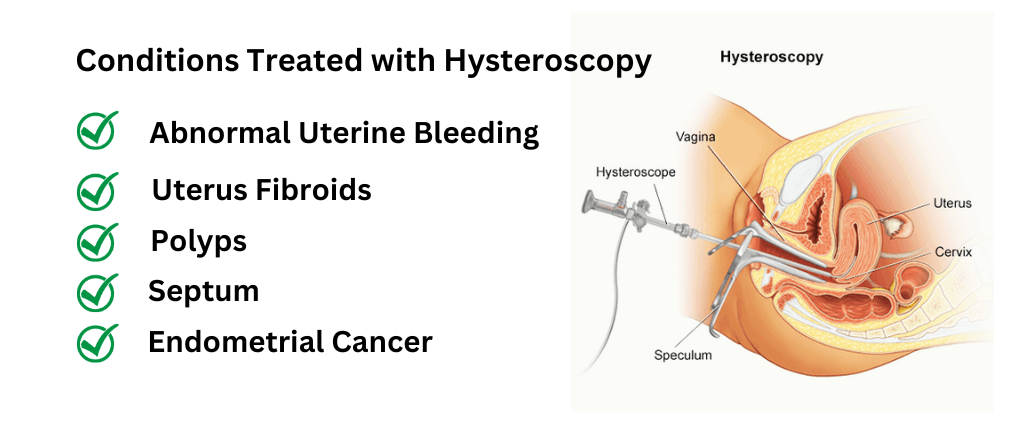
 Conditions Treated with Hysteroscopy

Conditions Treated with Hysteroscopy

1. Abnormal Uterine Bleeding

Abnormal uterine bleeding refers to bleeding that is not part of a woman’s normal menstrual cycle. Numerous things, such as hormonal imbalances, fibroids, polyps, or cancer, can contribute to its development. The underlying cause of abnormal uterine bleeding can be determined and treated using hysteroscopy.

2. Uterus Fibroids

Noncancerous growths called uterine fibroids form in the uterus. They may result in symptoms such as pelvic pain, heavy or protracted menstrual bleeding, and others. The removal of tiny uterine fibroids can be accomplished through hysteroscopy.

3. Polyps

Growths that appear in the uterine lining are known as uterine polyps. They may result in abnormal uterine bleeding, pelvic pain, and other symptoms. Polyps in the uterus can be removed using hysteroscopy.

4. Adhesions

Asherman’s syndrome and uterine adhesions are scar tissue inside the uterus. Previous surgeries, infections, or other factors can cause them. Adhesions can cause infertility, recurrent miscarriages, and other problems. Hysteroscopy can be used to remove adhesions and restore normal uterine function.

5. Septum

A uterine septum is a wall of tissue that divides the uterus into two separate cavities. It can cause infertility, recurrent miscarriages, and other problems. Hysteroscopy can be used to remove the septum and restore normal uterine function.

6. Endometrial Cancer

One type of cancer that appears in the uterine lining is endometrial cancer. Endometrial tissue can be examined using hysteroscopy to detect endometrial cancer. If cancer is detected, hysteroscopy can remove the cancerous tissue.

7. Infertility Investigations

Hysteroscopy can be part of an infertility investigation to identify any structural abnormalities in the uterus contributing to infertility. For example, hysteroscopy can identify and remove polyps or fibroids that may prevent a fertilized egg from implanting in the uterus.

Hysteroscopy Cost

The cost of a hysteroscopy procedure can vary depending on several factors, the place, the kind of facility, and the length of the procedure, for example. However, the cost of hysteroscopy in Srinagar is around 25 000 – 30 000 INR. It includes the cumulative costs of pre-procedure, inter-procedure, and post-procedure expenses. Generally, the hysteroscopy procedure, where only diagnosis is involved, is much cheaper than the procedure where a surgical procedure is followed. 

Post-Treatment Care and Recovery

After a hysteroscopy, you may experience mild cramping, spotting, or discharge. For a few days following the procedure, your doctor might advise against using tampons, engaging in strenuous physical activity, or having sexual relations. To ensure a quick recovery, you should also abide by any additional detailed instructions your doctor may have given you.

Risks and Complications

There are some risks, as there are with any medical procedure. These may include:

  • Infection
  • Heavy bleeding
  • Perforation of the uterus
  • Reaction to anaesthesia
  • Fluid overload

It is essential to comprehend the procedure’s risks and advantages, as with any medical procedure, and any queries or worries should be brought up with your doctor before the procedure. Reviewing these risks with your physician before starting the procedure and getting help if you develop any strange symptoms later on is crucial.

Conclusion

Hysteroscopy is a safe and effective procedure used to diagnose and treat various conditions of the uterus. Most women can recover quickly and resume normal activities with proper post-treatment care and monitoring. The risks and benefits of the procedure should be understood, as with any medical procedure, and any queries or worries should be brought up with your doctor before the procedure. Hysteroscopy is a flexible procedure that can be used to identify and manage several uterine conditions. If you have any signs of abnormal uterine bleeding, fibroids, polyps, or infertility, speak with your doctor.

Why Imprimis IVF for Hysteroscopy?

Imprimis IVF is a fertility clinic that provides advanced methods and technological advances to improve the chances of a healthy pregnancy. According to Imprimis IVF, hysteroscopy is a diagnostic and therapeutic tool offered to women struggling with infertility or other reproductive issues. It is used to look inside the uterus and find any issues that might prevent embryo implantation and potentially treat them. In vitro fertilization (IVF) and additional reproductive techniques are more successful thanks to Imprimis IVF’s cutting-edge techniques and technology. Imprimis IVF aims to provide a comprehensive approach to fertility treatment and raise their patients’ chances of having a healthy pregnancy.

What is Fertile Window and the Right Time for Sex

What is fertile window – A fertile window is when couples can expect to conceive a child, which happens between days 8 and 12 of a woman’s menstrual cycle. This window is critical because it affects how many days in your cycle your partner can fall within to maximize his chances of conceiving. If he doesn’t fall within this window, he could be infertile.

Menstrual Cycle and Ovulation

A. Overview of the Menstrual Cycle and Hormone Regulation

Hormones cause the menstrual cycle. The body produces hormones as chemicals to regulate various bodily processes. They help control growth, metabolism, and other processes. The levels of these hormones fluctuate, which results in the menstrual cycle.

The initial day of your period (menstruation) marks the start of your menstrual cycle, which ends on the last day (the beginning of your subsequent period). It takes about 28 days for a complete cycle. During this time, you have bleeding (menstruation) caused by an ovum (egg) leaving your ovary on its own or being released by your body due to hormonal stimulation.

The menstrual cycle is the series of hormonal changes in a woman’s body each month. 

The Cycle of Menstruation is made up of Three Phases, Namely:
  1. Proliferative phase (days 1-14). In this phase, the lining of the uterus grows, and blood flow increases to sustain this growth.
  2. Cortical phase (days 15-28). This is the primary phase of menstruation when blood clots are shed from the inner lining of the uterus.
  3.  Menses (days 29-35). When this phase is over, menstruation has ended, and ovulation has occurred.

B. Understanding Ovulation and its duration

Ovulation occurs in females and males at different times of the month, depending on their specific hormonal profiles. In women, ovulation happens approximately 14 days before menstruation begins (the first day of bleeding). In men, it happens 12 hours before ejaculation (the point at which sperm are released from the body).

How much time does it take sperm to get to an egg?

This varies between women; however, most experts estimate that it takes 5-6 days for sperm to reach a mature egg.

Determining the Fertile Window

The time when a woman is most likely to get pregnant is known as the fertile window. It is a period that can vary from woman to woman, but some common factors influence the length of this window.

A. Factors Influencing the Length of the Fertile Window

  1. Age: As women age, it becomes more difficult for them to become pregnant due to their declining hormone levels and decreased egg supply
  2. Day of Ovulation: This can be difficult to determine since each woman is different and has her unique cycle. Some women have irregular cycles, while others have regular cycles. A woman should regularly track her basal body temperature (BBT) throughout her cycle to determine when she ovulates based on the rise in temperature following ovulation.
  3. Menstrual Cycle Length: A longer menstrual cycle means that it takes longer for a woman’s hormones to return to normal after she has menstruated. This makes it more challenging for her to conceive because she may not ovulate again until several days after her last period.
  4. Fertility Awareness Method: This method allows women who do not have regular cycles to track their fertility by observing changes in their cervical mucus or other signs that indicate ovulation

B. Methods to Track and Predict Ovulation

You can use various techniques to monitor and predict ovulation to help you decide when it is appropriate to have sex with your partner. These methods include basal body temperature charting and ovulation predictor kits (OPKs).

Basal body temperature charting requires women to monitor their basal body temperatures daily throughout their cycle. A high basal temperature usually indicates ovulation, while a low reading indicates that egg release has occurred and sperm cannot fertilize an egg. Ovulation predictor kits work similarly, giving women an accurate reading daily at home by placing a small strip under their tongue for three days before they start menstruating again. 

Sperm Survival and Timing Intercourse

A. Lifespan of Sperm and Factors Affecting Survival

Sperm cells live for about five days in the female reproductive tract (i.e., ovaries, the fallopian tubes, and the uterus). According to a 1995 study by A.J. Wilcox, the best days for sexual activity on a regular 28-day cycle are days 10, 12, and 16. The intercourse ought to take place on days -4, -2, 0, and +2 based on the anticipated ovulation if the cycle is not a cycle lasting 28 days. The time needed for sperm to decay with the increasing post-ejaculatory abstinence period. 

B. Optimal Timing of Intercourse Concerning Ovulation

In humans, human chorionic gonadotropin (hCG) peaks on days 10-12 post-ovulation. It reaches its peak concentration around the 10th and 11th weeks of pregnancy. Then, from the 12th week of gestation onward, this level falls and remains basal until the end of the pregnancy. This decline in hCG levels is thought to represent an optimal period for intercourse based on controlled studies showing that fertile couples have higher conception rates than infertile couples when they engage in intercourse during this window.

Lifestyle Factors Affecting Fertility

A. Impact of Nutrition, Exercise, and Stress on Fertility

  • Fertility is impacted by the amount of food we eat. Consuming a lot of antioxidants- and vitamin-rich fruits and vegetables can help improve women’s fertility. It also helps keep the body well-nourished, producing more eggs than usual.
  • Exercise also helps with fertility by keeping your blood flowing and helping your body produce more eggs than usual. Additionally, it enhances your quality of sleep, which could prevent you from ovulating too early in the cycle, preventing a pregnancy from happening.
  • Stress may negatively impact fertility by affecting hormone levels in both men and women. Stress can harm the hormones that regulate ovulation and menstruation – leading to irregular periods or missed periods.
There are numerous other ways stress can affect the capacity to get pregnant:

Lack of Sleep: Lack of sleep can lead to lower levels of hormones in the body, which makes it harder for an egg to mature and for an embryo to develop properly. Additionally, it makes it easier to sleep at night, which might stop you from ovulating early enough in the cycle and preventing a pregnancy.

Poor Diet: Poor diet has been associated with decreased libido, which may make it difficult for men trying to conceive to get aroused enough during sex sessions (so they don’t ejaculate before they would like). 

Medical Interventions and Assistance

A. When to Seek Medical Advice for Fertility Concerns

If you have difficulty conceiving a baby, you should always talk to your doctor. You can get the best guidance and therapeutic options for infertility problems from a fertility specialist. You may also want to consult an obstetrician or gynaecologist, who can perform prenatal care and help deliver your baby.

You should speak with your doctor immediately if you have any worries about your fertility. If left untreated, these conditions can severely affect a woman’s health.

B. Overview of Fertility Tests and Assisted Reproductive Technologies (ARTs)

Fertility tests and ARTs are used together to help you get pregnant. Fertility tests can assess a woman’s reaction to fertility medications, detect issues with the tubes that carry sperm from the testicles to the egg or help diagnose an issue with the ovary or uterus. ARTs are procedures that either increase or restore fertility.

Conclusion

A. Recap of the importance of the fertile window

The fertile window is the period from ovulation to menstruation. During ovulation, a female’s ovary releases an egg into the fallopian tube, where it is carried by sperm to be fertilized. Once inside the uterus, the fertilized egg attaches and develops into a baby.

B. Final tips for optimizing chances of conception

The most important thing you can do to increase your chances of getting pregnant is to get your fertile window periods (also known as your fertile window) regularly each month. If you try to get pregnant right away after missing your fertile window, there’s a good chance that to conceive; you’ll have to wait until your next cycle, which could be months later! This is because sperm live in semen for about five days, so if you miss one or more days in your cycle, chances are your body won’t release many eggs, and you’ll miss out on that fertile window again.

Why Imprimis IVF for ARTs and Fertility Consultations?

A fertility test is a medical procedure that helps determine the health of the female reproductive system. The most common type of fertility test is a blood test to evaluate the level of hormones, such as estrogen and progesterone, in your body. Other tests look at other factors that affect fertility, such as ovulation and the development of eggs.

A variety of assisted reproductive technologies (ARTs) also exist to help couples have children who are genetically related to them. 

Imprimis IVF is a leading fertility clinic known for its innovative approach to ARTs and fertility consultations. They prioritize personalized treatment plans, holistic care, and achieving high success rates. Their patient-centric philosophy creates a supportive and compassionate environment, while their commitment to research and advancements ensures access to the latest techniques. Imprimis IVF is a trusted choice for individuals and couples seeking advanced fertility solutions.

Enlarged Uterus: Causes, Symptoms, and Treatment

Introduction to Enlarged Uterus

Enlarged Uterus – The uterus is a hollow organ in the pelvis and comprises two parts: the endometrium, which thickens during pregnancy, and the myometrium, which supports the uterus internally. Three layers comprise the uterus: the innermost layer is called the glandular or functional layer; this portion of the uterine wall secretes mucus and blood vessels that feed the endometrium.

The middle layer is called the serous or storage layer; this portion of the uterine wall stores blood in case of anemia. Finally, there is an outermost layer called muscular or adventitial; this portion of the uterine wall helps support and shape the uterus. A woman’s reproductive organs comprise her cervix, vagina, fallopian tubes, and ovaries (the ovary).

The term “enlarged uterus” describes a condition in which the size of the endometrium (uterine lining) increases beyond normal limits. The syndrome may start after menopause or present at birth and last for the rest of one’s life. Significant uterus syndrome is sometimes called leiomyomata.

The most common cause of significant uterus syndrome is an inherited disorder called uterine leiomyoma (unlike fibroids, leiomyomas are not cancerous). Leiomyomas are usually benign tumors composed of smooth muscle cells which frequently line the uterus’ interior. They can grow and increase over time, resulting in a larger uterus with an enlarged endometrium.

The most common cause of infertility is an enlarged uterus (endometriosis). An enlarged uterus can occur due to pelvic inflammatory disease (PID), endometriosis, or adenomyosis (a condition in which endometrial tissue grows outside of the uterus). 

Causes of Enlarged Uterus

Causes of Enlarged Uterus

The common causes of an enlarged uterus may be medical illnesses in the background, like polycystic ovarian syndrome (PCOS), endometriosis, or pelvic inflammatory disease (PID). However, other factors, such as excessive weight gain or breastfeeding, can play a role occasionally.

1. Uterine Fibroids

Fibroids are benign tumors that usually occur in the uterus, although they can sometimes be found elsewhere in the body. The fibroid may be a single tumor, or it may consist of several smaller tumors. Fibroids can cause pain at the time of menstruation, as well as abnormal bleeding and other problems. If a woman thinks she has fibroids, she should see her doctor to get checked out.

2. Adenomyosis

Adenomyosis is when the muscle layer around your uterus becomes thick and lumpy instead of smooth and elastic like normal muscle tissue. This can cause problems with your periods and make them irregular or heavy, possibly leading to anemia or blood clots that may cause a stroke or a heart attack.

If you have adenomyosis, you may also experience painful cramps or bleeding between periods or irregular intervals during your cycle. Your doctor will check for adenomyosis based on the symptoms you report, your medical History, and any physical exam findings he observes during an exam of your cervix (the lower part of your uterus).

3. Endometrial Hyperplasia

Endometrial hyperplasia can develop if a woman has multiple risk factors for endometrial cancer, such as:

  1. Women after 35 years of age.
  2. Previous History of breast cancer
  3. History of blood clots in your veins (deep-vein thrombosis)
  4. Family history of endometrial cancer
  5. A family history of uterine polyps

Symptoms and Impact on Fertility

Symptoms of Enlarged Uterus

1. Abnormal Uterine Bleeding

Abnormal uterine bleeding can be a sign of an enlarged uterus. This is also known as menorrhagia. It occurs because the blood flow to the uterus is restricted due to an enlarged uterus. In most cases, it happens due to pregnancy and childbirth. An enlarged uterus may be to blame for lower back or abdomen pain and bleeding between periods.

2. Pelvic Pain and Discomfort

If your uterus has grown too large for its good, it may press against other organs in your pelvis (it comprises two bones: ilium and pubic bone). This pressure can cause pelvic pain, back pain, and lower abdominal discomfort. Another symptom is constipation due to pressure on the rectum from the enlarged uterus pressing against it during childbirth or periods (for example, during menopause).

3. Pelvic Area Pressure or Fullness

Pelvic pain and discomfort are common complaints of women with enlarged uteri. This can be due to pressure or fullness in the pelvis and may also result in spasms or cramping that can be uncomfortable for both you and your doctor to deal with. 

4. Urinary and Bowel Symptoms

Urinary and bowel symptoms such as urgency, frequency, incontinence (leakage) of urine or stool, constipation, painful urination; sexual dysfunction including vaginal dryness or pain during intercourse

Diagnosing an Enlarged Uterus

1. Medical History and Examination

The medical history and physical examination should focus on ruling out pregnancy, fibroids, and cancer. Medical History includes:

  • History of recent illnesses, injuries, or surgeries that may have affected the uterus.
  • Any current or past health conditions may affect fertility or pregnancy, such as diabetes and high blood pressure.
  • The woman’s age, race, and medical History should be considered when diagnosing a possible enlarged uterus since the condition is more common in older women than in young women.

2. Imaging Tests

The diagnosis is usually benign if an ultrasound shows an enlarged uterus with a thin wall. However, if there is no evidence of pregnancy (e.g., vaginal bleeding or missed period), the diagnosis may be more likely to be uterine fibroids or endometriosis. In this case, a laparoscopy may be performed to confirm the diagnosis and remove any fibroids if they are found during surgery. An MRI may also help assess the embryo’s viability so that it can be frozen for future use if needed.

3. Biopsy or Sampling

A biopsy sample can be obtained with laparoscopy; however, there are risks involved in obtaining this type of tissue (invasive surgery).

Treatment Options for Enlarged Uterus and Infertility

Treatment of Enlarged Uterus

1. Uterine Fibroids

Uterine fibroids are benign tumors that grow in the fibrous lining of the uterus. Numerous symptoms, such as painful or irregular periods, heavy menstrual flow, pain during sex, or bowel motions, might be brought on by them. If fibroids push on the Fallopian tubes and prevent them from carrying eggs from the ovary to the uterus, this can also result in infertility.

2. Adenomyosis

Adenomyosis is when the lining of the uterus becomes thicker than usual and grows into adjacent tissues. The condition may cause infertility, abdominal pain, and urinary symptoms such as an increased need to urinate and blood in the urine.

3. Endometrial Hyperplasia

Endometrial hyperplasia is a disorder when the lining of the uterus experiences an increase in cells, thickening and expanding abnormally. Women with endometrial hyperplasia may have irregular periods or heavy bleeding. 

4. Uterine Polyps

Uterine polyps are growths on the villi or fingerlike projections that line the end of the fallopian tubes — structures that carry eggs from ovaries to the uterus — or other body areas such as the cervix (neck of the womb). Polyps can cause cervical cancer if they become large enough to block the cervical opening (birth canal).

Fertility Treatment Planning and Considerations

An enlarged uterus is a common medical condition, which is more common in women of childbearing age. The uterus is the organ that holds and nourishes the developing fetus during pregnancy.

Although the exact etiology of this ailment is unknown, it could be brought on by hormone imbalances, pregnancy, tumors, growth hormones, or other factors. It usually affects women after the age of 35 and is more common in those with children.

1. Individualized Approach

For mild cases, there are no special considerations for fertility treatment. However, IVF Treatment may be considered if there is no chance of conceiving naturally. If there is a possibility of having problems conceiving later on, egg donation may be an option.

2. Collaboration with Fertility Specialists

In the case of a large size of uterus, Fertility specialists recommend surgical treatment for the removal of extra tissue or organ from the body or removing part of an organ from the body with minimized damage to surrounding tissues. The procedure has been successfully performed using laparoscopy(minimally invasive surgical technique), which provides several advantages like minimized pain during surgery, no open abdomen surgery required, and less risk of infection compared to open abdomen surgery like laparotomy.

Conclusion

It would be best to see a doctor to find the underlying cause of your enlarged uterus. Making an appointment with your gynecologist is an intelligent approach to accomplish this. Calling their office and making an appointment over the phone is an option if you cannot visit them in person.

A regular doctor will check your health history and ask questions about your menstrual cycle, fertility, family history, and other relevant information. They will also conduct a physical exam and ask you questions about your health. This way, they can look at all possible causes of your enlarged uterus and find suitable treatment options.

Why Choose Imprimis IVF for Enlarged Uterus Treatment

Imprimis IVF is ideal for enlarged uterus treatment due to its specialized expertise, advanced technology, comprehensive approach, diverse treatment options, and supportive care. Their team of experienced fertility specialists focuses exclusively on reproductive medicine, ensuring personalized and effective treatment for an enlarged uterus. Equipped with state-of-the-art facilities, Imprimis IVF provides accurate diagnosis and utilizes cutting-edge technology for optimal treatment outcomes. 

Their holistic approach considers various factors contributing to the condition, addressing underlying causes and developing individualized treatment plans. Imprimis IVF ensures that patients receive the most appropriate and effective care with a wide range of treatment options available, including medications, minimally invasive procedures, and fertility preservation techniques.

What is AMH Test – Purpose, Levels, and Treatment

What is AMH Test – AMH is a female hormone produced by the ovaries. An anti-mullerian hormone is so named because it binds to receptors on cells that line the inside of the fallopian tubes. These receptors are part of a complex system that assists sperm in approaching and fertilizing an egg.

Your doctor may additionally order an AMH test to identify an ovarian mass. An AMH test is a simple blood test; if you take it after your period begins and before ovulation (the release of an egg from one ovary), you may see results in one week or less. An AMH test determines anti-mullerian hormone levels related to an individual’s egg count. It is related to your egg count but does not predict your fertility.

Importance of AMH Levels

AMH levels are essential for determining your ovarian reserve but don’t directly correlate with age. AMH levels increase as you age. After menopause, a woman’s AMH level increases as she ages. The higher the AMH level, the more eggs and ovarian reserve.

AMH levels also vary between women.

Some women have more eggs than others, which means they can produce more eggs in their ovaries. It is called having a high ovarian reserve. Others may have fewer eggs or a lower ovarian reserve, which means they may not be able to produce as many eggs in their ovaries and could experience infertility issues if they decide to get pregnant.

Purpose of the AMH Test

AMH is a hormone that’s produced by the ovaries. It helps maintain an egg’s structure and signals the brain to release hormones that make it possible for a woman to conceive.

The test aims to determine whether or not you are at risk for developing cervical cancer. A positive result means that you might have an increased risk of developing cervical cancer and should undergo regular screening tests for this disease.

The AMH test also helps in assessing ovarian reserve. Suppose you have low or no measurable levels of AMH. In this particular situation, you might be at risk for diminished ovarian reserve or premature menopause — two conditions affecting your fertility options and quality Of life.

Predicting Response to Fertility Treatments:

 The test is commonly performed on postmenopausal women to check for signs of estrogen deficiency or osteoporosis, but it can also be used to assess ovarian reserve and fertility status. In some cases, women may request an AMH test if they have irregular periods or have had their uterus removed due to cancer treatment.

AMH Levels

A higher number means more eggs in your ovaries, which means more egg follicles to help produce healthy eggs. A lower number means you may produce fewer eggs than before and may soon lose those eggs.

A woman’s AMH levels are usually between 1.0 ng/mL to 3.0 ng/mL. (nanograms per millilitre). It is the level at which ovulation is most likely to occur, usually within this range.

Low AMH levels, under 1.0 ng/mL, may indicate that the pituitary gland functions normally. The presence of abnormally low levels of certain hormones in the body might suggest an underlying problem within the hypothalamus or the anterior pituitary gland, which plays a crucial role in hormone production and regulation.

Causes of low AMH:

Ovarian cancer or other conditions that affect the ovaries (liver disease, kidney disease, thyroid problems) may cause low levels of AMH. It can also signify early menopause in women who have not gone through menopause. Your doctor can request an AMH test to confirm the diagnosis if she suspects you are going through perimenopause or early menopause. However, this is not a common indication for testing at this time because most women do not go through menopause until after age 50.

Implications for Fertility:

Because low levels of AMH are associated with advanced reproductive age, they may indicate a woman has less menstrual bleeding and will have fewer eggs than younger women. Conception challenges may additionally be experienced by these women, making it harder for them to achieve pregnancy. In addition, some doctors recommend that women with low levels of AMH get fertility treatment if they have trouble conceiving or carrying a pregnancy past six months. 

High AMH levels can be caused by several factors, including:

High AMH Levels Factors

Hormone Imbalance:

If you’re not getting enough progesterone or estrogen, your body will produce more AMH to compensate for the lack of hormones. It may be caused by a condition like Polycystic ovary syndrome (PCOS) and hypothyroidism (an underactive thyroid gland), which can also contribute to these symptoms in women.

Ageing: 

Our bodies naturally produce less AMH and more follicle-stimulating hormone (FSH) as we age. It can lead to higher estrogen levels and lower progesterone levels, which can cause high AMH levels.

Genetic:

If you have a family history of high blood pressure, heart disease, or type 2 diabetes, you could also inherit high levels of AMH from your parents — conditions often linked to high blood pressure or heart diseases risk factors like smoking and obesity.”

Interpretation of AMH Test Results

Some of the considerations that are to be kept in mind while interpreting the AMH Test results are:

Age-related Considerations

A woman’s age does not influence the results of the AMH test. As early as the age of 20, individuals can undergo this test and receive accurate results as late as 44, with most women having a typical result between ages 25 and 35. The AMH level for a woman between 20–25 years old is 4.23 ng/mL.

Relationship to Fertility Potential

The AMH test has been used to predict fertility potential in older women who wish to conceive. A woman’s AMH level is believed to decline with age, which may be related to decreased production of eggs or sperm, decreased ovulation rate, or both.

Other Factors Affecting Interpretation

Women who have undergone cancer treatment or had multiple pregnancies may have slightly lower levels of AMH than those without these conditions. However, these factors do not affect the interpretation of the result and should be considered if they are high enough to cause concern about fertility potential.

Treatment Options

High AMH Levels Treatment

 There are various treatment options available based on different AMH levels.

  • Treatment for Low AMH Levels

In the case of low levels of AMH, various treatment options are available to women with diminished ovarian reserve. Some of these treatments include:

  • Assisted Reproductive Techniques (ART)

ART treatment is designed to help a woman who cannot become pregnant on her own through natural means become pregnant by using assisted reproductive technology such as in vitro fertilization (IVF) or intracytoplasmic sperm injection (ICSI). Assisted reproductive techniques can help a woman conceive if her eggs are not viable enough for IVF or ICSI. For women with low amounts of AMH and a compromised ability to make eggs, this may occasionally also be a possibility.

  • Ovarian Stimulation

This treatment uses hormones to stimulate the release of one or more eggs from your ovaries during a menstrual cycle. The amount of stimulation depends on the woman’s age and her response to previous stimulation treatments, which can vary widely from woman to woman. Because this method involves injecting hormones directly into your bloodstream, there is always a risk that you might develop side effects such as nausea, vomiting, or headaches while receiving medications through your IV line.

  • Egg or Embryo Freezing

In some cases, women may have low levels of AMH due to low levels of progesterone production caused by premature ovarian failure or menopause. Conditions that may require medical treatment before freezing embryos can occur.

Treatment for High AMH Levels

  • Management of Polycystic Ovary Syndrome (PCOS)

Among the many treatment options for women with high AMH levels, ovary-intact women with PCOS often benefit from medication. PCOS are at increased risk of developing endometrial cancer and should be monitored regularly. In addition, ovarian stimulation is an option for women undergoing IVF or other fertility treatments.

  • Treatment for Ovarian Hyperstimulation Syndrome (OHSS)

Ovarian hyperstimulation syndrome (OHSS) can occur when a woman ovulates multiple times more than usual during ovulation induction. This syndrome can be life-threatening if left untreated, so doctors may recommend that patients take medications to reduce the high levels of AMH in their bodies.

At any point in your menstrual cycle, you have the flexibility to undergo the AMH test. A straightforward blood test that provides valuable insights into your reproductive health. It means you or a health care provider can perform it.

In addition to being an excellent diagnostic tool, the AMH test has many other benefits. It can:

  1.  Identify if your ovaries are making too much estrogen. This imbalance of sex hormones can ensue, causing a disruption in their normal levels and functions within the body.
  2.  Identify if there are any issues with egg development or fertilization;
  3.  Evaluate treatment options for PCOS, OHSS, or other conditions related to abnormal ovulation.

Why Choose Imprimis IVF for AMH Testing?

What is AMH Test

 Imprimis IVF may be a suitable choice for your AMH test due to the following reasons:

 Specialization: Imprimis IVF specializes in reproductive medicine and fertility treatments, ensuring expertise in conducting AMH tests.

  1. Advanced Facilities: They have state-of-the-art laboratory facilities and advanced diagnostic technology for accurate and reliable testing.
  2. Comprehensive Services: Imprimis IVF offers a range of fertility treatments beyond AMH testing, providing integrated care.
  3. Positive Reputation: The clinic has a strong reputation for delivering high-quality care and achieving successful outcomes.
  4. Patient-centered Approach: Imprimis IVF focuses on compassionate and personalized care throughout your fertility journey.
  5. Affordability: They offer cost-effective options and may partner with insurance providers to help manage expenses.

Conclusion

It’s essential to take note of both your age and your AMH levels when trying to conceive. You can use an AMH blood test for the same reasons as the anti-mullerian hormone (AMH) test. It’s a few days long but a relatively quick and easy procedure. If you’re concerned about your fertility and want to do everything possible, including affordable testing. Check with your fertility clinic or IVF experts to learn more about an AMH blood test.

Blocked Fallopian Tubes: Causes, Symptoms, and Treatment

Blocked fallopian tubes are one of the reasons for female infertility. Its medical name is Tubal occlusion. Although several risk factors can increase your chances of getting the disease, there are usually no symptoms.

The fallopian tubes are muscular tubes with a fine hair-like structure inside. These “hairs” help in both directions: They help the sperm to travel up into the uterus. Fimbriae, which look like fingers, adjoin each fallopian tube. When the ovary releases an egg, the fimbria captures and guides it.

Since most eggs are fertilized in the fallopian tubes, they are essential for fertilization. If any injured part is there, for example, by surgery or infection, scar tissue may form.

Describe Hydrosalpinx.

The Greek originates the hydrosalpinx, which means water and tube. A woman’s fallopian tubes are blocked by hydrosalpinx, which is caused by fluid buildup and enlargement at the end of the tube. The end of the tube fibroid closest to the ovary is where it usually occurs, although it can also occur at the end of the tube that connects to the uterus.

One type of infertility caused by tubal factors is blocked fallopian tubes. Fallopian tube cells secrete fluid when blocked, causing the tubes to widen. Preventing an ovulated egg from being fertilized by sperm from the ovary to the fallopian tube prevents fertilization and thus prevents pregnancy. Most likely, hydrosalpinx prevents a fertilized egg from travelling to the uterus for implantation and pregnancy, even if an ovulated egg has come into contact with sperm.

Additionally, it can lead to a dangerous ectopic pregnancy, in which the embryo implants in the fallopian tubes and becomes seriously fatal. Bilateral hydrosalpinx is the condition of having hydrosalpinx in both fallopian tubes simultaneously.

Hydrosalpinx is detrimental to fertility treatments. According to a study, the success rate of assisted reproductive technologies, such as IVF, is reduced by 50% in women with hydrosalpinx fluid compared to women without it. So doctors recommend that patients who use IVF have the hydrosalpinx surgically removed before starting treatment.

If a woman becomes pregnant (naturally or through fertility therapy), the presence of hydrosalpinx impacts the pregnancy outcome. Scientists don’t fully understand why this happens. Still, they believe that hydrosalpinx poisons the egg and embryo and damages the endometrium in such a way as to disgorge the implantation and development of the developing embryo.

Symptoms of Blocked Fallopian Tubes :

Symptoms of Blocked Fallopian Tubes

Unlike anovulation, which can be indicated by irregular periods, blocked fallopian tubes rarely cause symptoms. The first symptom of blocked fallopian tubes is infertility. In addition to regular fertility tests, if you haven’t gotten pregnant after a year of trying, your doctor may order a special X-ray to check the tubal occlusion.

Pain in the lower abdomen and abnormal vaginal discharge are possible signs of a specific type of fallopian tube blockage called hydrosalpinx, although not all women have these signs. Fertilization and pregnancy are prevented because the fluid blocks the sperm and egg.

Blocked fallopian tubes can have many causes, some of which have unusual symptoms. For example, painful periods and painful sexual activity can be caused by endometriosis and pelvic inflammatory disease (PID).

Symptoms of pelvic infection include the following:
  • general pelvic pain and discomfort during sex
  • nausea and vomiting
  • fever over 101
  • Pelvic pain with severe pain in the lower abdomen or foul-smelling vaginal discharge

Causes of Blocked Fallopian Tubes :

Causes of blocked Fallopian Tubes

PID is the leading cause of the fallopian tube barrier. However, not all pelvic infections are associated with STDs, pelvic inflammatory disease results from an STD. Additionally, a PID or pelvic infection history increases the risk of tubal obstruction even without PID.

Additional factors that can block the fallopian tubes include:
  • Currently infected or previously infected with gonorrhoea or chlamydia as an STD
  • History of uterine infection resulting in miscarriage or stillbirth
  • History of appendix rupture.
  • history of abdominal surgery
  • ectopic pregnancy in the past
  • previous fallopian tube surgery, including tubal ligation
  • endometriosis

Diagnosis of Fallopian Tubes:

A hysterosalpingogram, or HSG, is a specialized X-ray commonly used to identify blocked tubes. One of the basic fertility tests required of all couples who have problems getting pregnant is the HSG. A small tube injects dye into the cervix during the test. After applying the dye, an X-ray of the pelvic area is taken. If all goes well, the dye should pass through the uterus and fallopian tubes before spreading around the ovaries and into the pelvic cavity. Your fallopian tubes can become blocked if the dye cannot pass through the tubes.

It is essential to know that 15% of women experience a “false positive,” in which the dye fails to enter the tube after passing through the uterus. The site of the blockage appears to be the junction of the uterus and fallopian tubes. If this happens, the doctor may order a new test to confirm or repeat the test one more time. Hysteroscopy, exploratory laparoscopic surgery, and ultrasound are examples of additional tests that may be ordered. It is also possible to request a blood test to detect antibodies against chlamydia.

Effects on Fertility:

The ovaries, uterus, and fallopian tubes comprise the female reproductive system. Getting pregnant can be more difficult if any of these three points are affected by a medical condition. The fallopian tubes connect each of the two ovaries to the uterus. An egg releases one egg every month from the ovary, which stores and releases them randomly.

For example, the left ovary can release an egg in one month, while the right ovary releases an egg for three consecutive months. An egg can be fertilized even if one of the fallopian tubes is blocked. It is less likely to happen if both are blocked.

Treatment of Blocked Fallopian Tubes : 

Treatment of Blocked Fallopian Tubes

If you are healthy and one of your tubes is open, you may be able to get pregnant without too much help. Your doctor may prescribe fertility drugs to increase your chances of ovulating on the side of the still-open tube. But if both tubes are blocked, there is no other option.

It is essential to understand that although this medication is provided to aid conception, a blocked fallopian tube cannot be unblocked. Exercise, just like a clogged tube, cannot be unblocked. Surgery is the only option to help clear blocked tubes, but it is only sometimes effective. Below are those you need to know about tubal ligation, IVF, and blocked tubal surgery.

Laparoscopic Surgery

In some circumstances, laparoscopic surgery can remove scar tissue or open blocked channels. Unfortunately, this action plan is only sometimes effective. The chances of success are affected by your age (the younger, the better), the location and severity of the blockage, and its underlying cause. Getting pregnant after surgery is good if there are only a few adhesions.

After surgery to relieve the tubal blockage, the chances of ectopic pregnancy increase. If you become pregnant, your doctor should monitor you closely and be available to advise you on what would be best for you.

However, surgery is not the best solution every time. Vital scars, moderate to severe endometriosis, or moderate to severe male infertility can benefit from IVF. 10 Your doctor can discuss your case with you to determine whether it would be better to have surgery to fix it or go straight to IVF treatment.

In Vitro Fertilization

Before the development of in vitro fertilization (IVF), women with blocked tubes had no choice but to become pregnant if reconstructive surgery did not work or was not an option. IVF makes pregnancy possible.

Fertility drugs are taken to stimulate ovulation during IVF. Sperm from the male spouse or sperm donor is combined with the egg in a laboratory. Ideally, some eggs will fertilize, and others will produce healthy embryos. The uterus receives one or two selected workable embryos.

Blockages in the fallopian tubes are irrelevant. However, studies show that irritated tubes can significantly reduce the chances of IVF success. If you have hydrosalpinx, your doctor may recommend surgical tube removal. IVF may be attempted once you have recovered from your procedure.

Tubal Ligation Reversal

Reversing a tubal ligation is a permanent method of birth control, also known as “tying your tubes.” Various tubal ligations can be performed. A surgeon can cut the tubes, bandage them, sear them, or place special coils inside them, among other options.

The good news is that although this form of birth control is meant to be permanent, many women can take it off. Compared to women who undergo tubal surgery to remove blockages caused by the disease, surgical repair of tubal ligation has a higher chance of success. A microsurgical repair can be up to 50% cheaper per delivery than IVF.

Conclusion

In the above article, we have talked about blocked fallopian tubes. Blocked fallopian tubes are a possible reason for female infertility. The woman’s fallopian tubes are blocked by hydrosalpinx. There are many symptoms like fever, vomiting, pain, etc. We have shared all the details of fallopian tubes in the above article. If you want to know more about blocked fallopian tubes, this article is for you.

If you want a suggestion for treatment for blocked fallopian tubes, you can rely on Imprimis IVF & Fertility Centre. Check out this hospital for Female Infertility Treatment. It is the best Best IVF Centre in Srinagar for blocked fallopian tubes. Here you will get the cooperative staff for treatment. The treatment is affordable and delivers the best quality hospitality services in Srinagar.

PCOD – Causes, Symptoms, and Treatment?

Polycystic ovary disorder (PCOD) is a hormonal disorder that causes irregular menstrual cycles in women. If an ultrasound of a woman’s lower abdomen shows a row of abnormally large, pearl-shaped eggs may be visible. Genetics is one of the many possible causes of PCOD. However, the disease became progressively more common in 1721. Antonio Vallisneri, an Italian physician, was the first to identify it. The disease’s original name was Stein-Leventhal syndrome. Get the PCOD treatment done by Imprimis IVF at a very affordable price in Srinagar.

What is PCOD Treatment?

PCOD, a polycystic ovary syndrome, is a hormonal and metabolic disorder. It happens when a woman’s body does not complete the monthly ovulation process. PCOD patients have fewer than eight menstrual cycles per year. Cysts on the ovarian lining are immature eggs trapped in the ovarian walls because they are not mature enough to leave the body. It causes an imbalance in the body’s hormonal levels, which increases androgen levels. These hormones cause unwanted body hair, weight gain, hair loss, and other medical issues.

Most women’s health problems currently affect 2-40% of women worldwide between 12 and 45 years old. The problem is difficult to solve due to its awareness and prevalence, and no one knows exactly why a woman gets PCOD.

Types of PCOD:

As noted above, PCOD is a relatively new subject of study, so there is still a lot of uncertainty surrounding it. In general, there are two forms of PCOD:

Insulin-Resistant PCOD

Type 1 PCOD, or insulin resistance, is usually accompanied by all the classic symptoms of PCOD, including obesity, facial hair growth, hair loss, and acne, all caused by high amounts of male hormones in the blood. The inability of the body to absorb sugar from the blood, as a result of which fat is stored, is a sign of this type of PCOD. Type 2 diabetes and heart disease can develop in people with PCOD type 1. The doctor advised them to start a diet and lose a few pounds. However, these patients may have difficulty losing weight. In addition to weight loss, patients may take medicines to control blood sugar.

Non-insulin-resistant PCOD

Non-insulin-resistant or type 2 PCOD is a condition in which the patient has no symptoms of insulin resistance but still has PCOD. Other factors, such as adrenal stress, thyroid, vitamin D deficiency, iodine deficiency, and others, can also contribute to non-insulin PCOD. For the body to heal naturally, PCOD type 2 treatment focuses more on rest and rhythmic activities.

PCOD Symptoms:

PCOD Symptoms

Symptoms of PCOD include:

  • Excessive or scanty menstrual flow.
  • Spotting during menstruation.
  • Irregular/late/early periods.
  • Short or long periods.
  • Abdominal pain.
  • Abnormal white discharge.

Causes of PCOD:

PCOD Causes

The exact cause of PCOD in women is unknown, but here are some of the important risk factors:

Excess insulin generation

A body with excess insulin can produce more androgens. This male hormone is too low in women and interferes with ovulation.

Excess androgen synthesis

The ovaries produce abnormally high levels of androgen hormones, which can cause acne and hirsutism (excessive growth of body and facial hair).

Minor Swelling

According to a new study, women with PCOD have low levels of inflammation that lead to increased androgen production, which can cause heart or vascular problems.

Heritage

Women with PCOD show a specific genetic correlation.

PCOD Treatment:

PCOD Treatment

Since PCOD is a chronic condition, many ways exist to treat its symptoms. Most women choose to combine several different strategies. Several Female Infertility Treatment methods are listed here:

Allopathy uses a variety of medications and diets. Women may need to use monthly birth control pills to promote regular periods. A woman may receive ovulation-inducing drugs to cure infertility or to help her get pregnant.

Patients can also follow a diet in addition to these to help with weight loss. To achieve the same results, the doctor may also recommend vigorous activities. When a woman loses even 3% of her body weight, her fertility improves.

Lifestyle Changes for PCOD Treatment:

PCOD affects the hormonal balance of most women. The following actions will help women reduce androgen levels in their bodies:

Maintain a healthy weight.

Losing weight or keeping it off improves overall cholesterol levels in the body, reduces the risk of diabetes, high blood pressure, and heart disease, maintains proper insulin and testosterone levels, and regulates the ovulation phase of the menstrual cycle. Consult a dietitian about a weight loss plan to achieve a healthy BMI.

Limit carbohydrate intake

If you have PCOD, follow a low-carbohydrate diet or a diet high in complex carbohydrates to stabilise your insulin levels. Avoid sugar and starches, and eat fish, meat, eggs, vegetables, and natural fats.

Participate in frequent activities and exercises.

Regular exercise and staying active will help control your weight and blood sugar if you have PCOD.

Can PCOD lead to other chronic diseases?

Yes, PCOD can lead to other chronic diseases. Losing weight can indeed help reverse PCOD. However, PCOD makes weight loss a challenge in itself. Here are some common chronic conditions caused by PCOD:

Diabetes

No one can explain why type 1 PCOD causes type 2 diabetes, but it does, as has already been shown. However, PCOD also causes gestational diabetes, so it doesn’t just cause type II diabetes. We all know that diabetes is a chronic, lifelong disease that contributes to 50% of deaths worldwide. It was India’s top killer in 2016-17. It is also true that most cases of PCOD go untreated in Indian society. Thus, the number of cases of diabetes in women has increased.

Blood Pressure

There is a close relationship between blood pressure and diabetes. No one is sure about the relationship between blood pressure and diabetes. However, the existence of one is a dead sign that the other exists.

Liver Disorders

As we all know, PCOD affects the liver, making it weak and prone to infections. A recent study has highlighted and supported this reality. Hormonal imbalance in the body directly affects the state of the liver. Moreover, it causes obesity, which leads to the development of NAFLD.

Anxiety and Depression

Female sex hormones influence a woman’s psyche. It means mood swings result from any disruption in the delicate balance of hormones. In addition, social isolation and a negative self-image are consequences of obesity. All these, combined with prolonged periods of persistent stress, can cause women to develop anxiety or depression. One study found that postpartum depression is more common in women with PCOD.

Infertility

PCOD is the main contributing factor to female infertility. While PCOD reversal medications can help treat this infertility, some women can only get pregnant after IVF or surgery.

Conclusion

PCOD is a common problem in women. It causes irregular periods and other issues. But it can be prevented by some lifestyle changes and treatments. In the above article, we have talked about PCOD in detail. If you want to know more about PCOD Treatment, this article is for you. If you want medical help in Srinagar, Best IVF Treatment Centre in SrinagarImprimis IVF, is always available. You will get the best services and PCOD treatment here.

Imprimis IVF Centre Branches: –

Best IVF Centre in Srinagar

Best IVF Centre in Jammu

IVF Centre in Leh Ladakh

Best IVF Centre in Bhubaneswar