Tag Archive for: IVF Clinic Srinagar

Ovarian Cyst – Symptoms, Causes & Treatment

What is an Ovarian Cyst

Ovarian cysts are fluid-filled sacs on the ovaries, a female reproductive system. An ovarian cyst is a common issue in women, and it’s assumed that most women will get one once. Although most ovarian cysts are typically harmless and often resolve without any medical intervention, some can cause discomfort and pain, and in rare cases, they can become cancerous.

This blog post aims to provide a comprehensive overview of ovarian cysts, covering their symptoms, causes, types, diagnosis, and treatment options. It will also cover some potential complications of ovarian cysts and ways to prevent them. By reading this post, you will gain valuable information about ovarian cysts and how they can be effectively managed to improve your overall health and well-being.

Ovarian Cyst Symptoms

All ovarian cysts’ symptoms can differ depending on the size, type, and location. Some women may not experience symptoms, while others may have one or more of the following symptoms. It’s essential to note that these symptoms may also be related to other health issues, and only an IVF specialist can accurately diagnose an ovarian cyst. Women who face these symptoms need medical help to determine the leading cause.

  1. Pain and discomfort: One of the most common symptoms of an ovarian cyst is pain, which can range from dull to sharp. The pain is typically felt in the pelvis. It’s important to note that while pain is a common symptom of an ovarian cyst, it can also be associated with various other conditions.
  2. Changes in the menstrual cycle: Some women can experience changes in their periods.
  3. Bloating and fullness: Ovarian cysts can cause pressure in the lower abdomen and bloating.
  4. Other possible symptoms: Other symptoms that may be associated with ovarian cysts include:
  • Difficulty urinating or frequent urination
  • Pain during bowel movements
  • Breast tenderness
  • Nausea or vomiting
  • Weight gain
  • Fatigue

It’s essential to note that while the symptoms mentioned in this post are common indicators of ovarian cysts, they can also be caused by other health conditions. As a result, it’s essential to seek medical attention from an IVF expert if you’re experiencing any of these symptoms.

What are the Causes of Ovarian Cysts?

There are several potential causes of ovarian cysts, including:

  1. Hormonal imbalances: Ovarian cysts can develop due to hormonal imbalances, such as excess estrogen or androgen hormones.
  2. Polycystic ovary syndrome: PCOS is a medical condition in which the ovaries produce high androgen hormones, which can lead to the formation of multiple small cysts on the ovaries.
  3. Endometriosis is a medical condition where the lining tissue of the uterus grows outside, which can cause ovarian cysts when it grows on the ovaries.
  4. Pregnancy: Ovarian cysts can sometimes form during pregnancy, typically in the first trimester, due to changes in hormone levels.
  5. Other possible causes: Ovarian cysts can also be caused by many medical conditions or fertility drugs.

Ovarian cysts can develop without any known cause. It’s important to note that having an ovarian cyst does not necessarily mean a person has cancer. Still, having any ovarian cysts evaluated by IVF experts to rule out any underlying severe conditions is essential.

What are the Types of Ovarian Cysts?

There are different types of ovarian cysts, which are:

  1. Functional cyst: Follicular and corpus luteum cysts are various functional cysts that function like normal ovaries.
  2. Dermoid cysts: These cysts are formed of cells that produce human eggs and contain various tissues.
  3. Cystadenomas: These are formed from cells on the upper layer of the ovary and are filled with watery or mucous-like fluid.
  4. Endometriomas: These are cysts that form due to endometriosis.

It’s important to know that some ovarian cysts may need treatment while others must resolve themselves. It is essential to look for an IVF specialist if you are facing these symptoms, as they need immediate treatment.

Diagnosis of Ovarian Cysts

The diagnosis of ovarian cysts typically involves a combination of different methods, including:

1: Physical examination: An IVF expert may conduct a pelvic exam to check for any signs of tenderness or swelling in the ovaries.

2: Ultrasound: This technique uses sound waves to make images, which can help recognise a cyst and provide information about it.

3: Blood tests: Blood tests may be performed to measure hormone levels or detect tumour markers and substances produced by specific cancer cells.

4: Other diagnostic tests: Depending on the type and characteristics of the cyst, additional tests may be recommended, such as a CT scan, MRI, or biopsy. These tests can help provide more detailed information about the cyst and determine if it is cancerous or noncancerous.

It’s important to note that not all ovarian cysts require treatment. Still, an IVF doctor will typically recommend follow-up testing and monitoring to ensure that the cyst is not causing any complications or growing in size.

Treatment of Ovarian Cyst?

Treatment of ovarian cysts can vary depending on many factors, like the type and size of the cyst, the presence of any symptoms, and the patient’s health and age.

  • Watchful waiting: Small, noncancerous ovarian cysts may not require treatment and may resolve independently over time. In these cases, an infertility specialist may recommend watchful waiting and regular monitoring to ensure the cyst does not grow or cause complications.
  • Medications: Hormonal birth control pills or other hormone therapies may be used to regulate hormonal imbalances that can contribute to developing ovarian cysts. Pain relievers can also be recommended for pain.
  • Surgery: Surgery may be necessary if a cyst is significant and causing pain. The type of surgery will depend on the characteristics of the cyst, but options may include laparoscopy or laparotomy to remove the cyst or the affected ovary.
  • Ovarian cystectomy is a surgical process that includes removing the cyst while preserving the ovary. It is typically performed in cases where the cyst is small and noncancerous, and the individual wishes to maintain their fertility.
  • Oophorectomy: This surgical procedure involves removing the affected ovary and may be recommended in cases where the cyst is large, cancerous, or causing significant pain or discomfort.

What are the Preventions for Ovarian Cysts?

It is not always possible to prevent the development of ovarian cysts, as they can occur naturally and for various reasons. However, some steps can reduce the development of ovarian cysts, including:

  1. Hormonal birth control: Taking hormonal birth control, such as the pill or the patch, may help regulate the menstrual cycle and reduce the risk of developing functional cysts.
  2. Regular gynaecological check-ups: Regular visits to a gynaecologist help detect the presence of ovarian cysts early on before they become problematic.
  3. Keeping a healthy weight: Being obese can increase the risk of developing ovarian cysts. Having a healthy weight through a healthy diet and exercise can help decrease the risk.
  4. Managing underlying medical conditions: Certain medical conditions, such as endometriosis and PCOS, can increase the risk of developing ovarian cysts.
  5. Avoiding exposure to toxins: Certain toxins, such as cigarette smoke and certain chemicals, may increase the risk of developing ovarian cysts. Avoiding these toxins can help decrease the risk.

These steps can help reduce the development of ovarian cysts, but they do not guarantee that cysts will not grow. It is essential to be aware of the signs and symptoms of ovarian cysts and seek medical attention if any symptoms arise.

What Size of Ovarian Cyst is Dangerous?

Any ovarian cyst that causes symptoms such as pain, bloating, or changes in the menstrual cycle, regardless of its size, should be evaluated. Additionally, ovarian cysts that are larger than 5 centimetres in length or that continue to grow should be closely monitored and may require further evaluation or treatment.

Conclusion

Ovarian cysts are an ordinary condition that affects every woman. While many cysts are minor and do not cause symptoms, some can grow larger and cause pain or discomfort. It’s essential to seek medical attention if you experience any symptoms of ovarian cysts, as early detection and treatment can help prevent complications and improve outcomes.

At Imprimis IVF, we understand ovarian cysts on a woman’s fertility and overall health. Our experienced team works closely with every patient and develops a personalised treatment plan accordingly.

Imprimis IVF Centre Branches: –

Best IVF Centre in Srinagar

Best IVF Centre in Jammu

IVF Centre in Leh Ladakh

Best IVF Centre in Bhubaneswar

What are the Five Stages of IVF?

Five Stages of IVF – Life becomes even more blissful and fulfilling with the appearance of two pink lines on the pregnancy testing kit. These two lines bring a wave of emotions you have never experienced. But due to numerous physical, physiological, and environmental reasons, some couples can not conceive naturally. Medical advancements over the years have helped overcome this hurdle with Assisted Reproductive Technology (ART). 

In vitro fertilisation, or IVF treatment, is the most trusted medical procedure that helps infertile couples trying hard for a baby but cannot do so.

However, before going for IVF treatment in Srinagar, it’s essential to prepare yourself by becoming familiar with the five stages of IVF Treatment.

Five Stages of IVF

IVF is a highly complex medical procedure that involves the following five stages of IVF: 

Pre-cycle Testing

Before IVF treatment, the male and the female must undergo various infertility tests, like pelvic examination and transvaginal ultrasounds.

The fallopian tubes and uterus are carefully examined for any issues requiring a diagnosis. It is also known as ovarian reserve testing or fertility testing, which includes detecting sexually transmitted diseases, blood tests for hormonal imbalance, semen analysis, thyroid function, and ovarian reserve. 

Stage 1Ovarian Stimulation and Ovulation Triggering

 A woman’s ovaries are home to thousands of ovarian follicles. Each follicle contains an oocyte, which is an immature egg cell. Stimulation of the ovaries is the process that prepares the ovaries to produce these eggs. The more eggs, the more favourable the outcome and success rate! 

To increase the shares of success, the woman is on hormone medication for 8-14 days. These medications are given as pills, patches, and injections that act on the ovaries to produce or overproduce eggs for fertilisation. Also, these medications prepare the uterine lining for pregnancy. On average, 15-30 hormonal medicines in the form of injections are administered to females. 

These IVF injections happen to be quite expensive. The cost of IVF injections and medications for ovarian stimulation is around 60,000-80,000 INR. 

Stage 2: Egg Pick Up (EPU) or Egg retrieval

The egg retrieval process consists of using a needle, which is performed under general anaesthesia. As is clear from the name, this stage involves the collection of eggs from both ovaries. It is performed 34-36 hours after the last medication dose or trigger shot. The vagina is adequately cleaned, and the fertility expert correctly examines the ovaries through ultrasound before this stage. 

EPU is achieved with the help of transvaginal ultrasounds, in which a needle is connected to a suction device. Through the vagina, this needle makes its way into each ovary. The egg (oocyte) is collected from each follicle as the needle enters the ovaries. It takes about 15-30 minutes to retrieve an egg. These retrieved eggs are stored to fuse with sperm harvested from the male.  

Stage 3: Sperm Retrieval

The sperm from the male are harvested three days before fertilisation or on the day of egg retrieval of eggs. 

The various methods available for sperm retrieval from the male are stated below: 

  • Testicular Sperm Aspiration (TESA)
  • Testicular Sperm Extraction (TESE)
  • Microdissection TESE (microTESE) 
  • Percutaneous Epididymal Sperm Aspiration (PESA)
  • Micro Epididymal Sperm Aspiration (MESA) 

Stage 4: Fertilisation

IVF treatment typically involves the manual fertilisation of eggs with sperm ejaculated by the male partner. The necessary condition for fertilisation is that the eggs must be mature. The retrieved eggs are examined for mature eggs. 

In this stage, the sperm is injected into the eggs collected during stage 2 with the help of Intracytoplasmic Sperm Injection (ICSI) or through conventional fertilisation, where the sperm and eggs are placed on a small dish, where the sperm is allowed to fuse with the egg on its own. Fertilisation is carried out 3-5 days after the retrieval of eggs at a clinic or doctor’s office. The ICSI IVF cost may vary from one fertility centre to another. 

Stage 5: Transferring the Embryo into the Uterus

3-5 days after the successful completion of EPU, embryo transfer is carried out. During this stage, a long, thin, and flexible tube is allowed into the vagina, which enters the uterus. The tube is coined as a catheter. The catheter carries a syringe consisting of one or more embryos. One of the embryos is finally placed in the uterus. If the embryo gets successfully implanted in the uterine lining, it will result in a pregnancy. 

Embryo transfer takes up to 5 minutes and is performed without anaesthesia as it’s a painless procedure. 

After this stage, a pregnancy test is undertaken by the woman after ten days. The pregnancy test is repeated after 7-8 days. The IVF treatment is successful if two pink lines appear on the pregnancy test kit. 

Conclusively, IVF treatment takes about 6-8 weeks (45-60 days). 

Should you return home and continue your daily activities after IVF treatment? 

A common question may strike a couple’s mind after IVF treatment is completed. The answer is plain and simple, yes. There’s no need for strict bed rest after IVF. 

It’s for the best that you carry on with your daily activities to keep your mind occupied. Staying positive is the key to turning your IVF cycle successful. 

The Success Rate and Cost of IVF Treatment in 2025

The success rate of IVF treatment depends on an array of factors. The success rate of IVF treatment lies between 30-40% for women below 35. For women above 35, the success rate decreases and is reported to be around 20-30%.

The average IVF treatment cost, including medical tests, drugs, and the entire process, lies between 1,50,000 to 2,50,000 INR. 

The cost of IVF treatment will vary according to the type of IVF treatment, the number of cycles, the medical tests during IVF, the geographical location, and the success rate of the fertility centre. 

Potential Risks and Complications of IVF Treatment

Even though IVF treatment has one of the highest success rates among all other reproductive treatments, it also has potential risks and complications that a couple must be aware of.

Some of the most common risks and complications of IVF treatment are stated as follows:  

  • Multiple Pregnancies-Sometimes, the IVF cycle can result in multiple pregnancies, which can lead to low birth weight and early labour and, in some cases, pose a threat to the life of both the mother and the babies. 
  • Ovarian Hyperstimulation Syndrome (OHSS)-The medications given during the first stage of IVF to stimulate the ovaries to produce more eggs can sometimes result in overstimulation. This overstimulation of the ovaries due to medications like human chorionic gonadotropins (HCG) may result in bloating, vomiting, diarrhoea, swelling of the abdominal region, and nausea. This condition is known as Ovarian Hyperstimulation Syndrome (OHSS).  
  • Premature Births-The IVF procedure can also increase the risk of early labour and premature births. 
  • Ectopic Pregnancy or Extrauterine Pregnancy-In an ectopic pregnancy, the fertilised egg, instead of getting implanted along the uterine lining, will get implanted somewhere else, like the fallopian tube. Data shows that around 2-5% of women are seen to have ectopic pregnancy after undergoing IVF treatment. If an ectopic pregnancy occurs, the couple can not carry the pregnancy to term. 
  •  Emotional fatigue-IVF treatment is more of an emotional ride for a couple, especially a woman. Since the success rate of IVF is around 30-40% only, fear of failure always lingers in a woman’s mind.

A plethora of times, a couple has to undergo more than one IVF cycle. As mentioned, each IVF cycle can take up to 45-60 days. It can build up negative thoughts about conceiving and take a toll on a couple’s mental health. 

Bottom line

Five Stages of IVF – IVF treatment is advised for infertile couples who have tried other ART techniques or have had multiple failures. Couples considering IVF treatment must consult the best fertility centre, like Imprimis IVF, Srinagar, for the best consultation. Since IVF is a complicated process, fertility centres like Imprimis IVF also help ensure a maximum success rate.

Imprimis IVF Centre Branches: –

Best IVF Centre in Srinagar

Best IVF Centre in Jammu

IVF Centre in Leh Ladakh

Best IVF Centre in Bhubaneswar

Female Infertility: Symptoms, Cause, Diagnosis & Treatment

Female Infertility: Infertility is a medical condition in which a couple cannot get pregnant after having regular sexual intercourse without contraception for 12 months or more. For women above 35, infertility means being unable to conceive after having traditional intercourse for six months. 

It can also be defined as the condition where a woman can conceive but either has repeated miscarriages or stillbirths. If infertility is due to the female partner, it is termed female infertility.  

Scientifically, during unprotected intercourse, the sperm ejaculated by the fertile male partner swim through the uterus and reach the egg for fertilisation. But the sperm cannot do so because of some ovulatory dysfunction in the female. Or even if the sperm can fertilise the egg, the embryo so formed cannot get implanted in the uterus, which leads to a miscarriage. 

Types of Infertility in Females 

Female infertility has become a household term affecting 1 in every six women. Infertility in females, or infertility in general, can be classified into two types:

  • Primary infertility-If a couple has never been able to conceive, or even if they have, they cannot carry the pregnancy to term. 
  • Secondary infertility-: If a couple has at least one child but cannot conceive for a second time. 

Causes of Female Infertility

The female reproductive system is quite delicate. Even the slightest dysfunction in any part, namely the uterus, ovaries, or fallopian tubes, can lead to issues in conceiving.  

The root cause behind female infertility may or may not be detected accurately. The reports may appear normal, but you may still be unable to conceive. However, numerous factors have been witnessed to be the primary causes of female infertility causes which are stated below: 

PCOS

PCOS is found to be one of the most common causes of female infertility as it disrupts menstruation and can lead to the formation of cysts, which are around 8mm in size. These cysts produce eggs but cannot release them, so ovulation can not occur. 

The ovaries regulate the production of estrogen and progesterone. However, sometimes the ovaries produce an excess of male hormone androgens. Polycystic Ovarian Syndrome, or PCOS, refers to a medical condition that leads to disruption of the menstrual cycle and shedding of the endometrium as a result of hormonal imbalance due to the production of the male hormone androgens. 

Uterine Fibroids

Uterine fibroids are found in the form of growths or lumps and are caused due to the imbalance of reproductive hormones, namely estrogen and progesterone. The uterine fibroids can block or damage the fallopian tubes, which may further lead to complications in conceiving. Around 20% of childbearing women have uterine fibroids.

Endometriosis

Endometriosis is a medical condition in which the uterine lining starts to grow outside the uterus, like the abdomen, pelvis, behind the uterus, or in the ovaries. 

This condition can lead to infertility as it doesn’t allow the smooth transfer of eggs from the ovaries to the fallopian tubes because of the growth of scars between the ovaries, fallopian tubes, and uterus. 

Endometriosis may also lead to endometrial cysts and may prevent the fertilised egg from getting implanted in the uterine wall. 

Blocked or Damaged Fallopian Tubes-:

Fallopian tubes are home to eggs. The sperm swim through the uterus and enter the fallopian tube. A blocked or damaged fallopian tube prevents the sperm from reaching the eggs and makes natural conception almost impossible. 

Sexually transmitted infections, pelvic inflammatory disorders, pelvic surgery, and pelvic tuberculosis are some of the reasons that block or damage the fallopian tubes.  

Around 20% of infertility issues stem from damaged or blocked fallopian tubes

Hyperprolactinemia

Production of the Prolactin hormone in large amounts is referred to as hyperprolactinemia, which can result in infertility issues. 

Ovarian Cysts

If ovarian cysts (a fluid-filled sac in or on the ovaries) are formed due to medical conditions like PCOS or endometriosis, it may pose problems in conceiving. 

Premature Ovarian Failure

Premature ovarian failure refers to the early onset of menopause around or before the age of 40 or 45. It is bound to cause problems in conceiving naturally. 

Hypothalamic Dysfunction

Hypothalamic dysfunction occurs when the hypothalamus cannot function optimally. When this happens, the hypothalamus cannot coordinate with the pituitary gland that regulates the timely release of healthy eggs for fertilisation. The process of ovulation comes to a stop due to hypothalamic dysfunction. 

Ectopic Pregnancy

During a normal pregnancy, the egg, after fertilisation, is implanted in the endometrial lining. Ectopic pregnancy, also known as extra-uterine pregnancy, occurs when the embryo gets implanted somewhere else in the uterus. This medical condition may lead to miscarriages. Bleeding is often witnessed during an ectopic pregnancy.

Sexually Transmitted Infections-:

Sexually transmitted diseases can potentially prevent natural conception.

These infections can cause pelvic inflammatory disease (PID) and can also cause damage to the fallopian tubes. Both these conditions are directly linked to infertility in females. 

  • Uterine Abnormalities-: Uterine abnormalities can be the reason behind female infertility. Uterine abnormalities may result from the growth of scar tissue, fibroids, polyps, miscarriage, multiple abortions, infections, and the growth of benign tissues. 
  • Cancer-: Uterus cancer is the primary reason behind the development of tumours of varying sizes. These tumours are found to be one of the causes of female infertility. 
  • Other Hormonal Imbalances: LH, FSH, and estrogen are the hormones responsible for the timely release of healthy eggs. However, the ovulation process gets disrupted if the eggs are released in the wrong amount and at the wrong time due to hormonal fluctuations. 
  • Unexplained infertility-When the cause behind infertility can’t be ruled out during the infertility tests in females, this type of infertility is categorised under unexplained infertility. 

Data shows that in as many as 10-30% of cases, the root cause behind female infertility can not be identified. 

Risk Factors of Female Infertility

Gynaecologists have drawn up a list of risk factors associated with infertility in females. The risk factors of female infertility include: 

  • Age (above 35)
  • Drugs and steroids
  • Excessive alcohol consumption
  • Smoking
  • Poor diet
  • Heavy exercises 
  • Medications
  • Chemotherapy and radiation treatment 
  • Unhealthy lifestyle
  • Stressful regime
  • Poor Body Mass Index 

Symptoms of Female Infertility

Numerous symptoms back infertility in females you can keep an eye on before arriving at any conclusion. Female infertility symptoms include: 

  • Irregular and Abnormal Menstrual Cycle-If you have irregular periods or your menstrual cycle lasts for more than seven days, it can be a symptom of infertility. A healthy menstrual cycle is of around 21 to 35 days. Reproductive issues may arise if it is less than 21 days or more than 35 days. The irregular menstrual cycle accounts for around 30-40% of cases of female infertility.
  • Prolonged and Heavy Bleeding during Periods-If you have heavy bleeding during periods that last for more than the normal range of 2-7 days, it can lead to fertility issues. 
  • Excruciating Pain during Periods-Bearable pain for a day or two is common, but if your periods are accompanied by severe pain and cramps, it can be due to a reproductive health problem like endometriosis. 
  • Unexplained Weight Gain or Loss-If you have lost or put on weight unexpectedly, you should get a medical checkup. 
  • Pain during Sexual Intercourse-If you feel Intolerable pain constantly during sexual intercourse with your partner, it can point towards infertility. 
  • Hair Growth on Unwanted Areas-If you witness hair growth on unwanted areas like the chest, jawline, and on your back, it may indicate PCOS or other medical problems linked to infertility. 
  • Hormonal Imbalances-: If the hormonal balance in the body is disrupted, it may affect fertility in females and can cause acne, reduced sex drive, and thinning of hair. 
  • No Periods-: Complete absence during childbearing age indicates something is wrong with your reproductive system. 

If you observe such symptoms, you should visit a gynaecologist or IVF expert

Infertility Tests for Female Infertility

Before treatment comes the identification of the root cause behind the reproductive ailment. We’ve already learned that female infertility can be caused by many factors that need to be identified. The fertility specialist carries out an array of infertility tests for females to determine the cause, which includes: 

  • Physical examination 
  • Urine test
  • Pap smear
  • Blood test
  • Genetic testing 
  • Ultrasound scan
  • Laparoscopy
  • X-ray Hysterosalpingography (HSG)  
  • Hysteroscopy
  • Saline sonohysterogram 

Treatment of Female Infertility

After the root cause behind infertility is identified, fertility specialists take other parameters like the woman’s age, personal preferences, and overall health status into account for choosing the right fertility treatment

  • Fertility drugs and medications-: Fertility drugs are prescribed to women to stimulate ovulation and regulate irregular ovulation cycles. 
  • Tubal surgeries-Tubal abnormalities are corrected with tubal surgeries like laparoscopy. Laparoscopy helps treat blocked or damaged fallopian tubes by creating a new opening for the sperm to enter. This surgery also helps treat fibroids and abnormal uterine shapes and remove endometrial cysts. 
  • Assisted Reproductive TechnologyAssisted reproductive Technology, like IVF, IUI, and ICSI, has helped infertile women conceive and welcome a healthy baby. 

Conclusion

Pregnancy is an age and time-dependent process. In today’s world, couples do not prefer having children at an early age, which is why infertility is a common problem. So, planning a pregnancy can help you enormously if you want to increase your chances of natural conception. If you notice any symptom that you think can be problematic, visit a gynaecologist. Also, ensure you maintain a healthy lifestyle to welcome a healthy baby. 

And if you want to know more about ART treatment in Srinagar, we welcome you to the best fertility centre, Imprimis IVF

Imprimis IVF Centre Branches: –

Best IVF Centre in Srinagar

Best IVF Centre in Jammu

IVF Centre in Leh Ladakh

Best IVF Centre in Bhubaneswar

Male Infertility: Symptoms, Cause, Diagnosis & Treatment

Male infertility is more prevalent than one might think. We are used to seeing women as the ones with issues, but the contribution of men toward infertility is almost equal. 

Fertility in men revolves around three primary parameters, namely sperm count, sperm motility, and sperm morphology. When, for some reason, any of the parameters mentioned above is altered, it results in male infertility. 

What is Male Infertility? 

Male infertility is when a man cannot help his female partner conceive after having sexual intercourse without contraception for 12 months or more. 

Statistical Data for Male Infertility 

Scientists have stated that infertility in men has witnessed a drastic increase during the past few decades owing to numerous factors.

According to the data put forward by the Indian Society of Assisted Reproduction (ISAR), around 10-14% of Indian couples are affected by infertility issues. 

Data shows that one-third of cases of infertility are due to females, one-third to males, and one-third to both males and females. 

Infertility is more prevalent in metropolitan cities where people are more exposed to risk factors that pave the way to problems in conceiving. 

Understanding the causes and risk factors of infertility in men is essential. 

Causes of Male Infertility 

Infertility in men is caused by altered semen parameters, including sperm count, sperm motility, and sperm morphology. 

Sperm Count-: 

A normal or healthy sperm count means the sperm concentration is more than 15 million sperm/ml of the semen sample. If your sperm count is less than 15 million/ml, it may cause problems in conceiving. 

Sperm Motility-: 

In simple terms, we can say sperm motility is the ability of the sperm to swim toward the egg for fertilisation. Normal sperm motility is considered to be around 40%. 

The number 40% signifies that out of the total sperm produced, 40% are efficient enough to swim through the uterus and reach the egg. 

Sperm Morphology-: 

Sperm morphology is defined as the shape and size of a sperm cell. If there is a problem with the shape or size of the head, midpiece, or tail of the sperm, it may lead to infertility. 

Male infertility is associated with many hormonal, physical, psychological, and behavioural problems and risk factors. The causes of male infertility are stated below: 

Hormonal imbalance-:

  • Hormonal balance is vital for the healthy upkeep of the body. However, if the balance is disturbed, this may affect the normal functioning of the thyroid, hypothalamus, adrenal, and pituitary glands. This imbalance can lead to complications in conceiving. 

Genetic dysfunction-

  • Kallmann’s disorder, Kartegener’s disorder, Klinefelter disorder, and cystic fibrosis are commonly witnessed genetic conditions that can lead to infertility in men. Genetic dysfunction accounts for 10-15% of cases of low sperm count.

Varicocele-:

  • The production of sperm by the testicles is a temperature-dependent process. If the temperature becomes high, sperm production reduces. 

The scrotum is that part of the male reproductive system responsible for maintaining the ideal temperature in the testicles. But when the vein in the scrotum gets enlarged, blood flow to the testicles increases, and sperm production decreases. This medical condition is termed scrotal varicose veins or varicocele.

Infections-: 

Sexually transmitted diseases and inflammatory bacterial infections can lead to scars that may negatively impact sperm production. 

Previous Surgeries-:

Surgeries of the male reproductive system, like the bladder, testicles, scrotum, or the organs surrounding it, like the stomach, hernia, abdominal region, prostate, and rectum, can hamper sperm production and fertility.

Excessive Drinking and Smoking-:

Alcohol and tobacco affect sperm motility. Excessive consumption of alcohol and smoking results in defective sperm, poor sexual performance, and deteriorated testosterone levels. However, controlled intake of alcohol and tobacco doesn’t contribute to infertility in men.

Spinal Cord Injury-:

Any injury in or around the spinal cord can lead to infertility issues in men.

Retrograde Ejaculation-:

Normal ejaculation occurs when the semen darts through the penis. But in some cases, the semen enters the bladder instead of flowing out through the penis. This medical abnormality is known as retrograde ejaculation and significantly affects fertility in men.

Testicular Cancer-:

Testicular cancers and even non-malignant tumours adversely affect male fertility.

Trauma-:

An injury, surgery, or bacterial infection can cause testicular trauma. An immune response is triggered in the testes that results in sperm damage.

Hemochromatosis-:

Haemochromatosis is a medical abnormality in which iron is deposited in the testes.

Drugs and Steroids-:

Drug intake and supplementation have been linked directly to decreased sperm count.

Obesity-:

Obesity also contributes to male infertility.

Excessive Exercise-:

Exercise helps boost your reproductive health, but excessive exercise is seen to decrease testosterone levels.

Stressful Regime-:

A stressful regime increases your body’s production of stress hormones. This overproduction of stress hormones adversely affects the production of testosterone and other hormones responsible for sperm production.

Symptoms of Male Infertility

Well, a majority of the time, male infertility may go asymptomatic. However, there are cases where men witness evident male infertility symptoms that may warrant a medical checkup, including: 

  • Inability to ejaculate
  • Decrease in volume of seminal fluid
  • Infected semen (coloured semen)
  • Pain or swelling around the genital area
  • Poor sex drive or reduced sexual desire
  • Erectile dysfunction
  • Abnormal increase in breast size
  • Evident reduction in facial and body hair

Diagnosis of Male Infertility

The diagnosis begins with male fertility tests from an advanced laboratory. The second step is to repeat the test from a different laboratory. If both times the results highlight a problem, seek medical guidance. 

Infertility Tests for Males 

Conducted to identify the root cause of infertility: 

  • Semen analysis
  • Hormone testing
  • Ultrasound – TRUS
  • Scrotal Doppler
  • Genetic testing
  • Testicular biopsy

You can successfully treat male infertility based on the cause and duration of infertility. There’s no need to worry endlessly about infertility test reports. You can use various surgical procedures to help you welcome a healthy baby. 

Surgical Treatment for Male Infertility

Depending on the test reports and cause, male infertility treatment takes into account various reconstructive procedures to restore fertility in males:

  • Varicocele surgery
  • Vasovasostomy
  • Vasoepididymostomy
  • Trans-urethral resection of the ejaculatory duct

In some infertility cases, surgeries are not required. Medications and lifestyle changes can help bring positive results that boost male fertility. 

Surgical Procedure to Help Conceive-: 

● IVF-: In vitro fertilisation treatment may help conception as fertilisation occurs in a laboratory under controlled conditions. Good quality sperm are detected and stored, and then fused with the egg. This fertilised egg gets implanted into the uterus of your female partner. 

● ICSI-: Another ART is the ICSI treatment, which stands for intracytoplasmic sperm injection. The best part about ICSI is that only one sperm is required to carry out the treatment. This single sperm is injected directly into the uterus, fusing with the egg and leading to pregnancy. 

● Donor Sperm Insemination-If nothing improves sperm health, you may opt for donor sperm insemination. During donor sperm insemination, a male with good sperm count, motility, and morphology is used. His sperm is collected and stored. Then this sperm is fused with the egg using ART, resulting in pregnancy. 

Sperm Harvesting Procedures 

For IVF and ICSI, sperm for fertilisation with the eggs are harvested side by side from the male using the following sperm harvesting procedures: 

  • Testicular Sperm Aspiration (TESA)
  • Percutaneous Epididymal Sperm Aspiration (PESA)
  • Testicular Sperm Extraction (TESE)
  • Micro Epididymal Sperm Aspiration (MESA)
  • Microdissection TESE (microTESE)

Conclusion 

Male infertility has become as common as female infertility. Data suggests that fertility issues due to men are equal to those due to women. But the good news is that, like female infertility issues, male infertility is also treatable. You need to consult an experienced urologist who can diagnose and guide you. Also, ensure you undergo treatment from a highly trusted fertility centre like Imprimis IVF

Sperm Morphology

Your semen analysis reports indicate sperm morphology normal range of 2%. Chances are, you have no clue about what this 2% stands for. And sperm morphology treatment might be a ghost term for you. You are eager to know if this means you are infertile or if there are other concerning issues. Is it possible to figure out what the term ‘sperm morphology’ implies so that you don’t have to go and see a doctor?

Imprimis IVF, Srinagar, will help you navigate sperm morphology treatment and the associated problems, if any.

What is Sperm Morphology

Morphology is a biological term that studies the form and structure of a living organism or any of its body parts. So, when we are using this term with sperm in simple words, we can say that sperm morphology is the study of the form and structure of sperm, i.e. its shape and size.

Every part of your body has a specific shape to perform particular functions. For instance, your blood vessels are designed to have a tube-like shape. And their primary function is to carry or supply oxygen and nutrients to various organs of your body. For some reason, if the condition of your blood vessels gets deformed or there is a blockage in any of the blood vessels, it will lead to severe problems. It will disrupt the whole process of blood circulation.

The same is true for your sperm. Your sperm must be of a specific shape and size. If there is any deformity, it is bound to create difficulties in getting pregnant.

Sperm Morphology Normal Range

The sperm cell is produced in your testes. A sperm has three parts: head, midpiece, and tail.

If all the parts of a sperm cell are of standard shape and size, then it is known as normal sperm morphology. A typically shaped sperm cell has the following dimensions and functions:

  • Head-: The head of the sperm cell has a smooth oval shape with a pointed front end. The nucleus that carries the DNA of the sperm cell is present in the head.

A normal-shaped sperm is 5-6 micrometres long and 2.5-3.5 micrometres wide.

  • Acrosome cap-: Acrosome cap makes up nearly 40-70% of the sperm’s head.

A protective membrane surrounds the egg produced by the ovaries. The sperm cell has to penetrate through this membrane to reach the egg for fertilisation. The well-pointed acrosome cap is used for this purpose.

  • Midpiece-The midpiece of the sperm cell is thinner than its head and provides it with energy to swim.
  • Tail-: Ideally, the tail is around 45-50 micrometres long. It’s thinner than the other two parts of the sperm cell.

The sperm have to swim through the uterus to fuse with the egg to fertilise it. The tail of the sperm helps it to swim through the uterus.

Apart from this, the head of a customarily shaped sperm should not contain large fluid-filled drops or vacuoles.

Which factors determine Normal Sperm Morphology? 

The male hormone, testosterone, is responsible for regulating the production of sperm. It might surprise you, but the male reproductive system also produces the hormone estrogen.

For sperm to have a normal sperm morphology, there must be a proper balance between the production of these two hormones. If this balance is disturbed for any reason, it will hinder the process of sperm formation.

This process of sperm formation occurs at its own natural pace. It takes about 65-90 days for a sperm to be formed. It starts with a single round-shaped cell that slowly grows into the sperm we see in the diagram.

Optimum testosterone levels ensure that as the sperm cell grows, each part, i.e. the head, midsection, and tail, has the proper shape and size. It is due to poor levels of testosterone that result in abnormal shape and size of the sperm cell. Abnormal sperm morphology or teratozoospermia refers to abnormalities or defects in the form and dimensions of the head, midsection, or tail. 

Abnormal sperm morphology is characterised either by head defects, midsection defects, tail defects, or, in some cases, the sperm is acrosomeless. 

It has the following defective characteristics:

  • Two heads or two tails
  • An elongated and deformed head
  • A rough head
  • The bent, asymmetrical, or irregular midpiece
  • Bent, short or coiled tail
  • Vacuolated head

These are some of the abnormalities that occur in a sperm cell.

You must be wondering, is abnormal sperm morphology a matter of concern? Data shows that typically 30-40% of a man’s sperm have abnormal morphology. The problem in conceiving starts when most sperm are abnormally shaped.

You have a normal sperm morphology if your semen sample has 4-14% usually shaped sperm. This range is defined under Kruger’s criteria. However, if it falls to less than 4%, you have a low sperm morphology. 

You must note that abnormal sperm morphology is not a parameter that indicates infertility. It simply represents the concentration of typically shaped sperm in your semen sample. 

Factors leading to Abnormal Sperm Morphology

  • Age-:. Sperm morphology deteriorates with age. The testosterone levels decrease, leading to a decrease in sperm morphology.
  • Obesity-: As we know, testosterone is responsible for the production of sperm. For sperm to have a normal sperm morphology, the testes must produce an optimum testosterone level. 
  • Stressful regime-If you have a stressful regime, then the amount of stress hormones in your body increases and adversely affects testosterone production. It further reduces your sperm morphology.
  • Smoking and drinking alcohol-Excessive consumption of alcohol and tobacco can negatively impact the shape and size of your sperm.
  • Drugs and steroids-Drugs like cocaine, marijuana, etc., affect your sperm morphology adversely.
  • Diabetes-If you have diabetes, you are at a higher risk of abnormal sperm morphology.
Sperm abnormalities like double heads and round and elongated spermatids are more prevalent.
  • Genetics-Heredity plays a role in deciding sperm morphology in a male. The family history of teratozoospermia is likely to be inherited genetically.
  • Exposure to chemicals-If you come in close contact with herbicides, pesticides, paints, organic compounds like benzene, and heavy metals like lead, you may have a large number of abnormal sperm.

Abnormal Sperm Morphology Treatment

Sperm morphology treatment starts with a semen analysis. Before concluding anything, it’s advised to go for multiple semen analysis tests from top-notch laboratories to ensure maximum accuracy.

Lifestyle changes that can help boost sperm morphology count 

Surgery is not the only option to improve sperm morphology. You can enhance sperm morphology treatment by making small and simple changes in your day-to-day life.

  • Lose the extra weight-If you are obese, you must manage your weight to improve your sperm morphology. Maintaining a healthy Body Mass Index will ensure good levels of testosterone.
  • Bid goodbye to recreational drugs-Any drugs should be avoided to improve sperm morphology. 
  • Go for loose clothing-Testes function at a proper temperature. A tight dress can hamper sperm production by increasing the temperature of the testes. I prefer wearing comfortable and breathable cotton underwear for healthy and normal sperm production.
  • Keep your alcohol and tobacco intake under control-Yes, you need to limit your alcohol and tobacco consumption if you desire to improve sperm morphology.
  • Consult a trusted fertility specialist-People often skip consulting an IVF specialist and start taking medicines blindly without knowing the root cause that needs diagnosis. Reaching out to a good clinic like Imprimis IVF, the best Infertility treatment centre in Srinagar, proves beneficial.

As already stated, sperm production takes around 65-90 days. Maintaining a healthy lifestyle for 3-6 months is essential to gather positive results.

Data shows that 90% of the time, you can improve sperm morphology with these simple lifestyle changes. The remaining 10% of cases can rely on treatment options to improve sperm morphology.

Treatments for Poor Sperm Morphology

Certain Assisted Reproductive Technology methods have helped men with abnormal sperm morphology. The most promising and trusted ART treatment methods include:

  • IUI-: IUI, which stands for Intrauterine Insemination, has helped tackle abnormal sperm count in men with high sperm count and sperm motility.

IUI treatment is cost-effective because washed or processed sperm is injected directly into the uterus.

  • ICSI-IVF-: If the sperm count, as well as motility, is low, then in-vitro fertilisation with ICSI can help you conceive if you have abnormal sperm morphology.

In ICSI treatment, the egg is fertilised with the help of a single sperm cell. After getting fertilised, this egg is then implanted in the uterine lining.

This method has summoned encouraging results when sperm morphology is as low as 2%.

Final Words 

The test results of semen analysis can spark many questions about abnormal sperm morphology treatment. There’s no need to stress about this unknown term, sperm morphology. Remember that stress plays a crucial role in the process of sperm production. So it would be best if you keep stress at bay. Consult a reproductive specialist if you cannot stop worrying about the complications of abnormal sperm morphology. Follow a healthy and stress-free lifestyle. It will not only help improve sperm morphology but also help you stay fit in the long run.

Low Sperm Count (Oligospermia)

Are you constantly googling low sperm count treatment in Srinagar? Your answer is right here; backed with state-of-the-art technology and medical expertise, we at Imprimis IVF, Srinagar, the best IVF centre in Srinagar, offer affordable low sperm count IVF treatment to help you welcome a healthy little one.

Don’t panic; you are not the only one with a low sperm count. Low sperm count is on the rise globally. Research after research has cemented this fact. 

Pregnancy begins with the magical fusion of an egg and sperm. You might ask, when a single sperm has to fuse with the egg, why does low sperm count lead to complications in conceiving? What do we mean by low sperm count, and how do we calculate it?

Well, the process of fusion is highly complex, and a healthy sperm count is an essential requirement to fertilise the egg successfully.

During sexual intercourse, a man gets an erection and ejaculates sperm cells and seminal plasma during his orgasm. The count of these sperm cells must be healthy to fertilise the egg.

A healthy or normal sperm count is witnessed when the sperm concentration is more than 15 million sperm/ml of semen.

What is Oligospermia?

Oligospermia is the medical term for a low sperm count, which refers to the condition when the sperm concentration during ejaculation is less than 15 million per millilitre of semen.

Sperm count is calculated after running a test known as semen analysis, which highlights parameters like ejaculate volume, sperm concentration, total motility, and progressive motility. Based on the values of these parameters, Oligospermia is broadly classified into the following three types:

  • Mild Oligospermia – When the sperm concentration is witnessed to be around 10 to 20 million sperm/ml.
  • Moderate Oligospermia – When the sperm concentration is witnessed to be around 5 to 10 million sperm/ml.
  • Severe Oligospermia – When the sperm concentration is witnessed to be around 1 to 5 million sperm/ml.

Apart from Oligospermia, other medical conditions like Cryptozoospermia and Azoospermia are also found to be responsible for infertility issues. Let’s get down to what both of these medical conditions refer to.

  • Cryptozoospermia is when 0 to rare sperm are detected in the semen sample after centrifugation.
  • Azoospermia is a medical condition in which no sperm (0 sperm) are ejaculated. A plethora of reasons, such as hormonal imbalances, ejaculatory issues, abnormal testicular function, and blockage of the reproductive tract, can cause azoospermia.

The reproductive specialist will suggest treatment options based on the type of Oligospermia. In the case of severe Oligospermia, treatment options like IVF and ICSI have helped overcome the hurdle of male infertility due to a low sperm count or poor sperm quality.

According to the data put forward by FertiAlly, the minimum sperm count for IVF or ICSI is required to be around 4 million sperm/ml of semen.

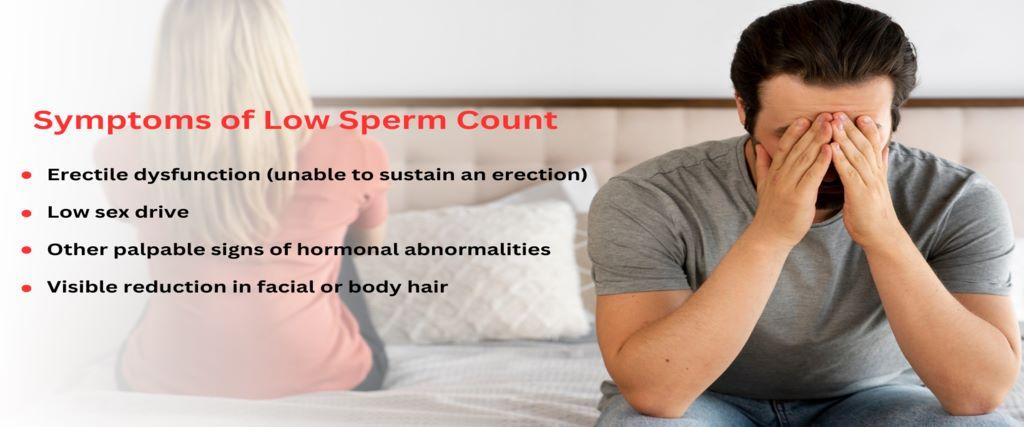
Symptoms of Low Sperm Count:-

Symptoms of Low Sperm Count

A proper medical checkup is mandatory to confirm if you have a low sperm count. However, certain evident symptoms can be a sign that indicates Oligospermia, including:

  •   Erectile dysfunction (unable to sustain an erection)
  •   Low sex drive
  •   Visible reduction in facial or body hair
  •   Swelling, lumps, discomfort, and pain in and around your testicle region
  •   Other palpable signs of hormonal abnormalities

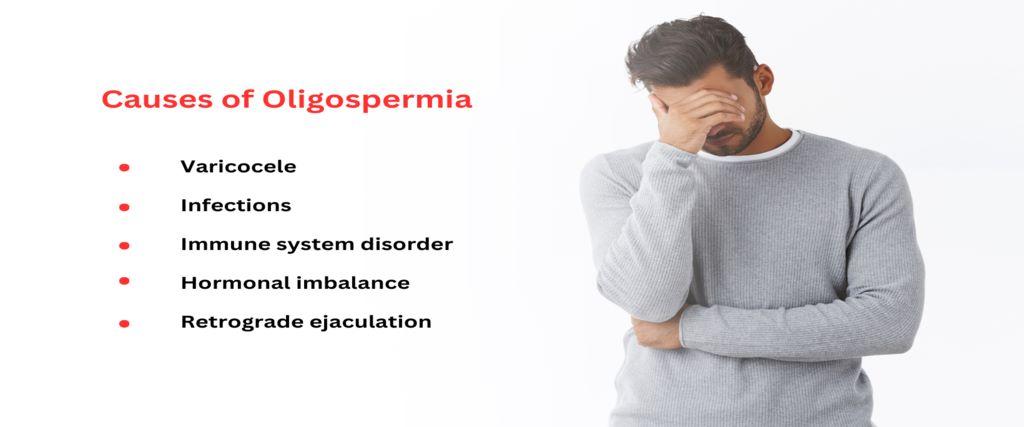
Causes of Oligospermia:-

Causes of Oligospermia

The exact reason behind low sperm count can not be detected. It can only be linked to several medical, environmental, and lifestyle factors that may be the major causes of low sperm count.

Medical Reason for Low Sperm Count-

  • Varicocele-:

The scrotum, an integral part of the male reproductive system, holds the testicles in place and regulates their temperature.

Varicocele, also termed scrotal varicose veins, is a medical condition where the veins within the scrotum become enlarged. This enlarged vein disturbs blood flow to the testicles and raises the temperature. This abnormal increase severely affects sperm count.

  • Retrograde ejaculation-

During ejaculation, the semen should flow through the tip of the penis. But sometimes, instead of flowing through the penis, the semen enters the bladder. This abnormality is known as retrograde ejaculation. It results in lower sperm count and causes problems in conceiving.

  • Hormonal imbalance-

The smooth functioning of the body is retained with hormones produced in balanced amounts. However, an imbalance of any hormone that directly affects the functioning of the thyroid, pituitary, adrenal, and hypothalamus glands can lead to male infertility.

  • Infections-

Bacterial infections and sexually transmitted infections (STIs) can affect sperm health. Sometimes, these infections can even result in scars that block or damage the male reproductive system.

  • Tumours-

Both cancerous and noncancerous tumours can affect male fertility by disrupting the normal functioning of the reproductive organs.

  • Body weight-: 

Obesity comes in tow with several problems, and low sperm count is one of them.

  • Immune system disorder-: 

It is found that immune system disorders like gluten sensitivity, known as Celiac disease, can lower sperm count.

  • Genetic dysfunction-: 

Some genetically inherited disorders, like Kartagener’s, Kallmann’s, Klinefelter’s, and cystic fibrosis, can affect sperm count. It has been found that 10-15% of low sperm count cases are caused due to genetic dysfunction.

  • Surgery-: 

Surgeries of the bladder, abdominal region, testicles, prostate, hernia, rectum, stomach, scrotum, and vasectomy can reduce sperm count.

Environmental Reasons for Low Sperm Count-

  • Overheating of testicles – The scrotum is responsible for regulating the temperature of the testes. Regulating the temperature of the testicles is important because the production of sperm is a temperature-dependent process.

The scrotum has its natural cooling mechanism. But wearing uncomfortable and tight clothes, sitting for a longer duration, and regularly using bathtubs can raise the temperature of the testicles, which the scrotum can not regulate. It directly impacts both the quantity and quality of the sperm.

  • Industrial chemicals – Reusing organic compounds like benzene, toluene, xylene, paints, herbicides, and pesticides can reduce low sperm concentration during ejaculation.
  • Harmful radiations-A study has proven that exposure to X-rays and radio frequency waves can affect a male’s fertility.
  • Exposure to heavy metals – Heavy metals like lead, cadmium, arsenic, manganese, etc., can affect sperm count.

Lifestyle factors that lead to Low Sperm Count-

  • Alcohol and tobacco consumption-A study has confirmed that controlled intake of alcohol doesn’t affect male fertility. However, regular and excessive consumption of alcohol and smoking may lower sperm count.
  • Steroids and drugs – Abstain from indulging in self-medication. Certain antifungal medications, supplements, and drugs like cocaine and steroids adversely affect your testosterone levels. Lower testosterone levels signify both insufficient quantity and quality of sperm.
  • Emotional instability – Stress is a major cause of several diseases, and a stressful regime can even lead to a decrease in sperm count.
  • Lack of exercise-Lack of exercise leads to weight gain, deteriorates your health, and affects the sperm count.

Can you get Pregnant with a Low Sperm Count?

The good news is that Oligospermia is treatable. So, yes, you can get pregnant with a low sperm count. A proper blend of medications and lifestyle changes can help reverse this condition.

Low Sperm Count Treatment in Srinagar

Treatment for Oligospermia

Lifestyle changes that can help improve the quality, as well as quantity, of your sperm include:

  • A routine of a healthy diet and exercise helps maintain a healthy Body Mass Index (BMI)
  • Refrain from consuming alcohol and smoking.
  • Say goodbye to drugs if you want to boost your sperm count.
  • Abstain from taking hot tub baths.
  • Keep your stress levels in check.
  • Religiously follow the medications prescribed by your doctor.
  • Keep track of your sugar level, especially if you have diabetes.

Clinical treatment options backed by proper medications are opted for by doctors to help conceive a baby. The prescribed medications are an assortment of anti-inflammatory, vitamin pills, and testicular and pituitary stimulants that help boost your testosterone levels. Healthy testosterone levels help ensure good quality as well as quantity of sperm.

Men with severe Oligospermia, Azoospermia, and Cryptozoospermia must rely on Assisted Reproductive Technology to help their partner conceive.

The Assisted Reproductive Technology Methods:-

  • In vitro fertilisation (IVF)-:

 IVF treatment has yielded highly promising results in men with a low sperm count. It is performed in a controlled environment where your partner’s eggs are collected and fertilised with sperm. The fertilised egg is then implanted into your partner’s uterus. Its successful implantation means you have conceived a baby. 

  • Intracytoplasmic sperm injection (ICSI)-:

 ICSI treatment is recommended by your reproductive specialist when you have been trying to conceive for two consecutive years, but pregnancy remains a distant dream. In ICSI, a tiny needle makes its way to your testes to collect a single sperm. This sperm is then used to fertilise the egg and is implanted into your partner’s uterus.

To treat low sperm count, ICSI is combined with IVF to achieve better results. 

  • Intrauterine Insemination (IUI)-: 

In IUI treatment, sperm are processed and injected directly into your partner’s uterus. In case you cannot conceive due to the absence of sperm when you ejaculate or poor quality sperm, doctors recommend donor sperm insemination. With the help of suitable ART treatment, this donor sperm fertilises the egg and is implanted into your partner’s uterus. 

Conclusion – Low Sperm Count Treatment in Srinagar

Consulting a trusted fertility specialist is the first step! Infertility tests and assistance help detect the root cause and the right treatment to achieve positive results.

You can not control genetic abnormalities, but you can take control of your habits. People don’t pay much attention to lifestyle choices, which are vital to your low sperm count treatment.

 IVF Treatment Cost in Srinagar

If you are finally planning to undergo IVF treatment in Srinagar, you must be bombarded with many questions, such as what the IVF treatment cost in Srinagar is. Is an affordable IVF package treatment available in Srinagar? What is the cost per IVF cycle? Is the success rate high? 

Then we at Imprimis IVF, the best IVF treatment centre in Srinagar, are here to help you search for the cost of IVF in Kashmir. 

Cost of IVF in Srinagar 

Depending upon the couple’s medical conditions, challenges, expertise, and experience, IVF costs in Srinagar are between 1,00,000 and 2,75,000 INR. However, there are no fixed IVF charges in Srinagar, Jammu, and Kashmir regions. IVF costs in Srinagar vary from clinic to clinic. 

Factors Affecting IVF Costs

A bunch of factors affect IVF cost in Srinagar in a particular area. Let’s walk you through them one by one. 

Type of IVF Treatment

With medical advancements, IVF is further classified into various types to summon the best results and increase the success rate. 

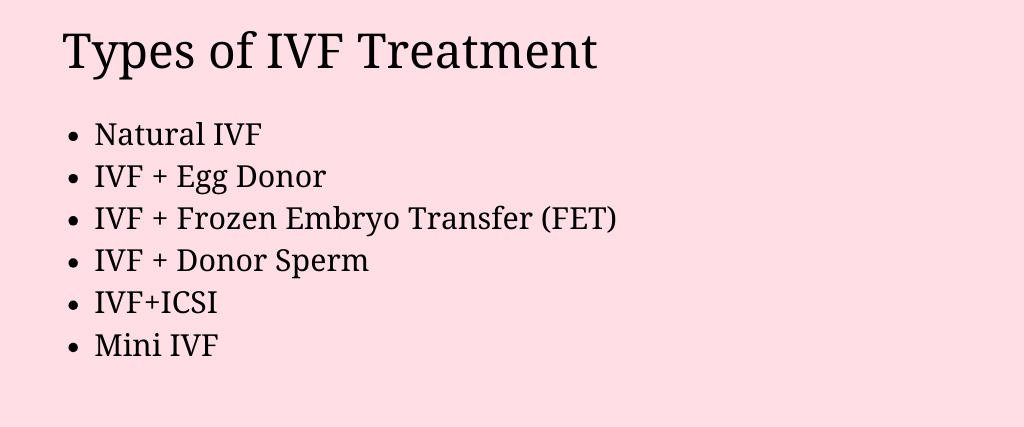
We provide the following types of IVF Treatment in Srinagar: 

Types of IVF Treatment

 Natural IVF

As the name suggests, Natural IVF doesn’t involve any stimulation drugs. Owing to this, the cost of medications is significantly lower in the case of Natural IVF. 

On average, the Natural IVF treatment in Srinagar can cost about 50,000 INR. 

 IVF + Egg Donor

In this IVF treatment, the embryos of a fertile woman are collected and transferred to the fallopian tube of the female who has a problem conceiving. 

The cost of finding an egg donor may range between 35,000 to 60,000 INR. The entire donor egg IVF cost is around 1,50,000. 

 IVF + Frozen Embryo Transfer (FET)

This IVF cycle involves thawing one or more frozen embryos and implanting them in the uterus. 

The average cost of IVF+FET is around 50,000 to 70,000 INR. 

 IVF + Donor Sperm

During this IVF process, the sperm of a donor are collected and placed into the female’s uterus around the time of natural ovulation. Finding a sperm donor may cost a couple around 10,000 to 20,000 INR. 

 IVF + Intracytoplasmic Sperm Injection (ICSI)

This IVF treatment involves the injection of a single sperm into the cytoplasm of a mature egg, which results in pregnancy. 

The average ICSI treatment cost may lie between 70,000 and 3,00,000 INR. 

 Mini IVF (Minimal Stimulation)

Mini IVF or minimal stimulation involves mild drug stimulation during the first stage of IVF. The average cost ranges between 70,000 to 80,000 INR. 

 Depending on which IVF treatment suits you the best, IVF charges may vary. Your location also plays a crucial role in deciding IVF treatment prices, as the cost per IVF cycle may vary from city to city in a particular state.

The Number Of IVF Cycles-:

Due to various reasons, couples do not succeed in conceiving in just one IVF cycle. The cost per IVF cycle is about 1,50,000 INR. The higher the number of IVF cycles, the higher the IVF treatment cost in Kashmir. 

Cost of IVF Injections-:

IVF medications are mainly provided in pills and IVF injections during the first stage. During the entire IVF treatment, various medicines are to be taken by the couple as per the prescription of the IVF experts. The IVF injections cost between 60,000 and 80,000 Rs. 

Armed with medical expertise and top-notch medical infrastructure, we at Imprimis IVF, the Best IVF Centre in Srinagar, offer the best medical assistance to help you embark on your journey of parenthood.   

What are the reasons behind Infertility? 

Problems in conceiving a baby may result from male or female Infertility and, in some cases, due to both. 

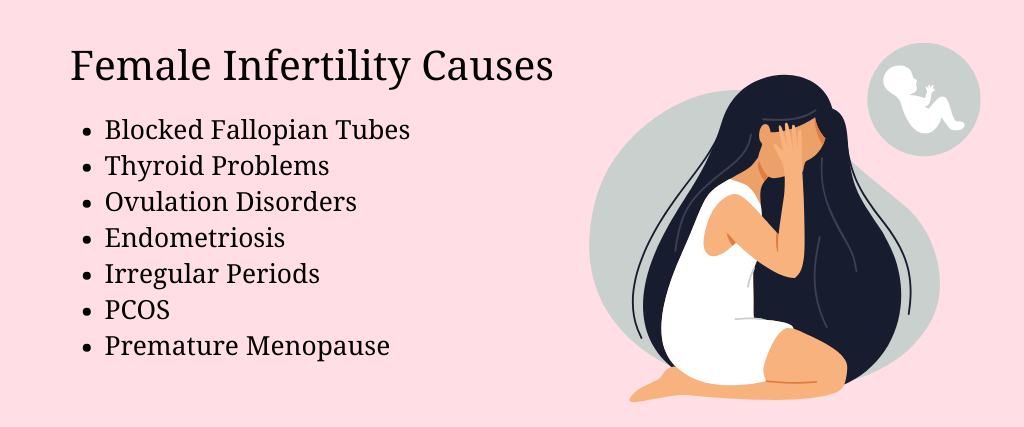
Female Infertility Causes: 

female infertility causes

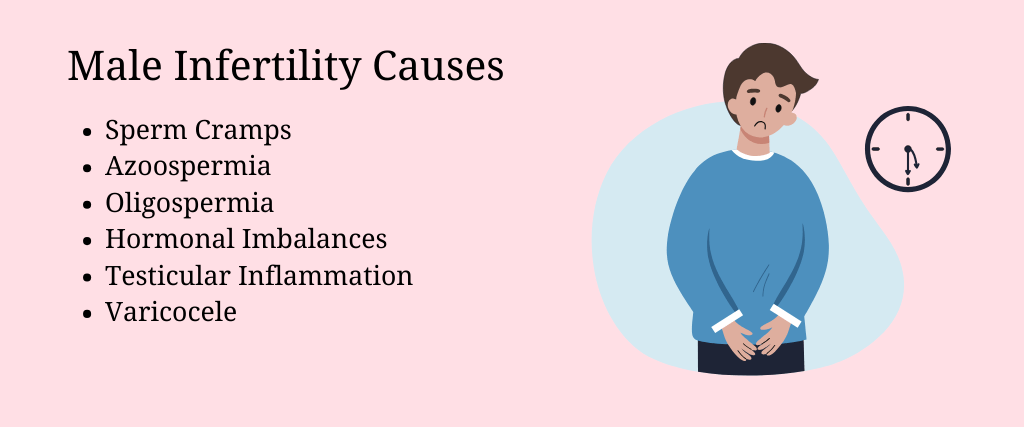
Male Infertility Causes:

Male Infertility Causes

  • Sperm Cramps
  • Azoospermia
  • Oligospermia (low or poor-quality sperm)
  • Hormonal Imbalances
  • Testicular Inflammation
  • Varicocele
  • Klinefelter Syndrome (a genetic condition)
  • Ureaplasma
  • Gonorrhea

Depending on the root cause, different reproductive technologies are assigned to help achieve pregnancy. These medical technologies are referred to as Assisted Reproductive Technologies. 

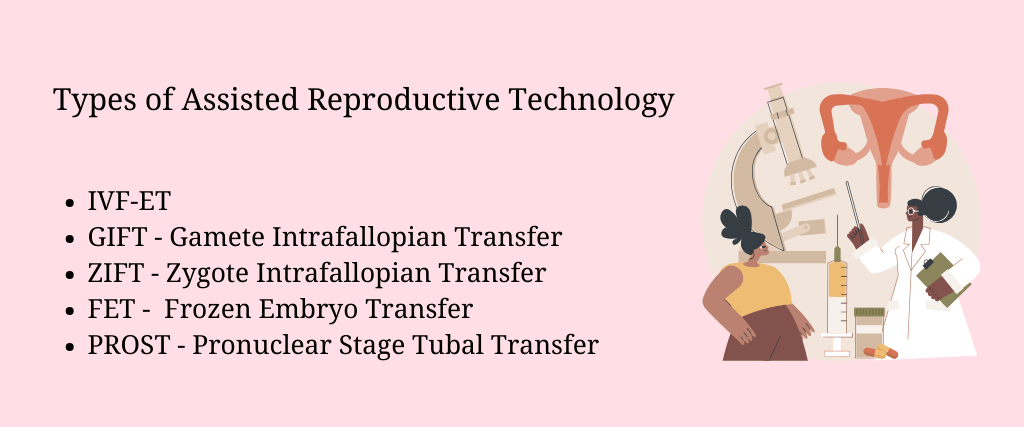
Assisted Reproductive Technologies are classified into various types, which include: 

Assisted Reproductive Technologies types

  1.  IVF-ET 
  2.  GIFT – Gamete Intrafallopian Transfer
  3.  ZIFT – Zygote Intrafallopian Transfer
  4.  FET – Frozen Embryo Transfer
  5.  PROST – Pronuclear Stage Tubal Transfer 

IVF is the most commonly employed Assisted Reproductive Technology (ART) because of its high success rates. IVF has successfully tackled the problems faced in conceiving a baby in women with blocked fallopian tubes and men with low or poor-quality sperm. 

Let’s dive into the five stages of IVF and how affordable IVF treatment is rekindling the flame of conceiving a baby amongst couples with no success, even after endless efforts.   

Success Rates of IVF Treatment 

With medical advances, the success rates of IVF have seen a rising trajectory. It has proven to be a boon for women over 40 trying to conceive. The live birth rate for the IVF cycle has also witnessed a sharp increase. 

Your dream of welcoming a tiny human being is possible! We wholeheartedly welcome you to Imprimis IVF, Srinagar!