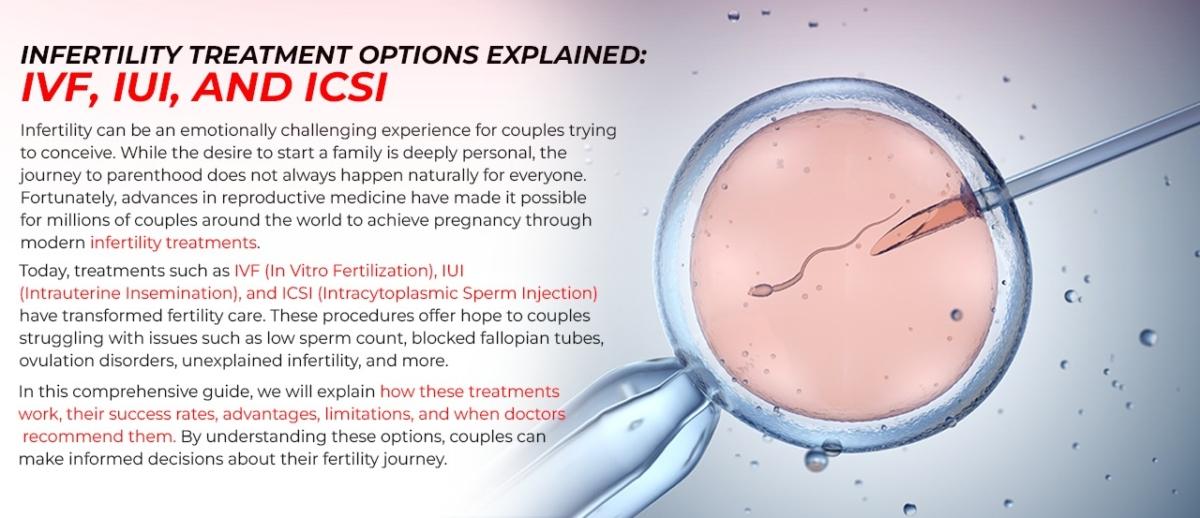
Infertility Treatments Option Explained: IVF, IUI, and ICSI
Infertility can be an emotionally challenging experience for couples trying to conceive. While the desire to start a family is deeply personal, the journey to parenthood does not always happen naturally for everyone. Fortunately, advances in reproductive medicine have made it possible for millions of couples around the world to achieve pregnancy through modern infertility treatments.
Today, treatments such as IVF (In Vitro Fertilisation), IUI (Intrauterine Insemination), and ICSI (Intracytoplasmic Sperm Injection) have transformed fertility care. These procedures offer hope to couples struggling with issues such as low sperm count, blocked fallopian tubes, ovulation disorders, unexplained infertility, and more.
In this comprehensive guide, we will explain how these treatments work, their success rates, advantages, limitations, and when doctors recommend them. By understanding these options, couples can make informed decisions about their fertility journey.
Understanding Infertility Treatments: When Should You Consider?
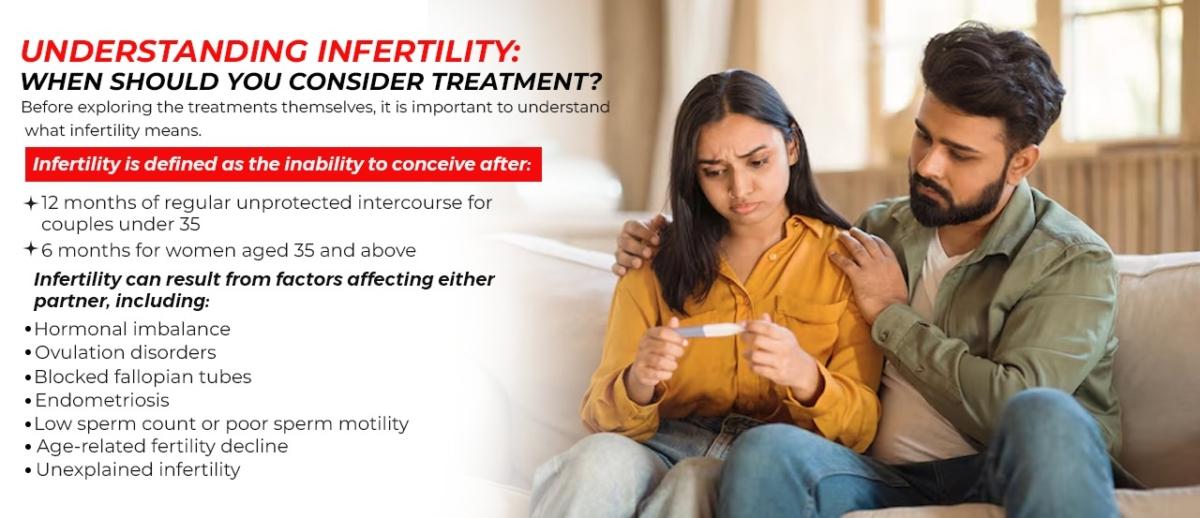
Before exploring the treatments themselves, it is important to understand what infertility means.
Infertility is defined as the inability to conceive after:
- 12 months of regular unprotected intercourse for couples under 35
- 6 months for women aged 35 and above
Infertility can result from factors affecting either partner, including:
- Hormonal imbalance
- Ovulation disorders
- Blocked fallopian tubes
- Endometriosis
- Low sperm count or poor sperm motility
- Age-related fertility decline
- Unexplained infertility
A fertility specialist typically performs a series of tests, including hormone tests, ultrasound scans, and semen analysis, to determine the most suitable treatment approach.
Types of Infertility Treatments
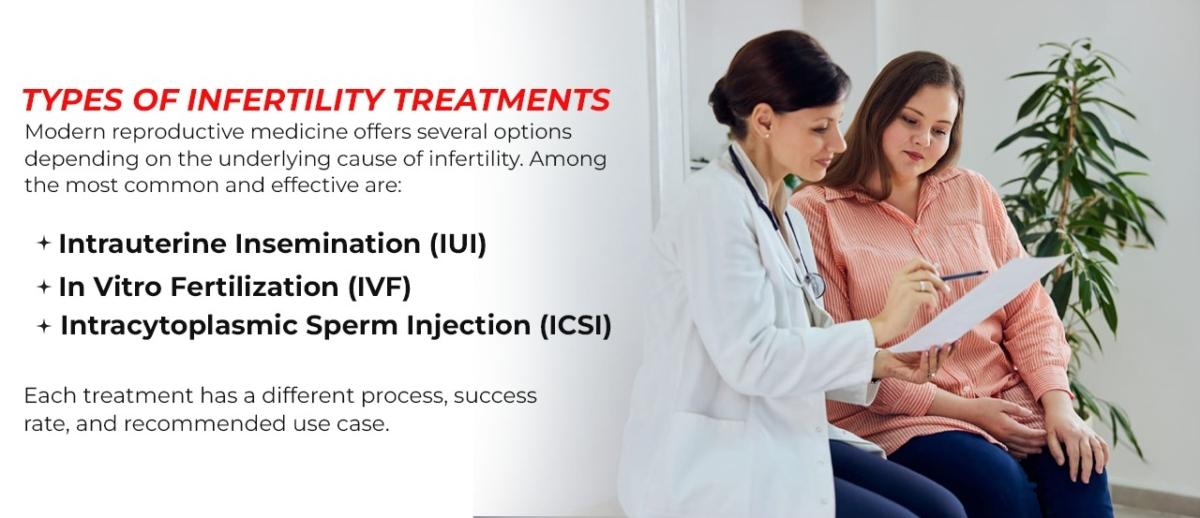
Modern reproductive medicine offers several options depending on the underlying cause of infertility. Among the most common and effective are:
- Intrauterine Insemination (IUI)
- In Vitro Fertilisation (IVF)
- Intracytoplasmic Sperm Injection (ICSI)
Each treatment has a different process, success rate, and recommended use case.
What Is IUI (Intrauterine Insemination)?
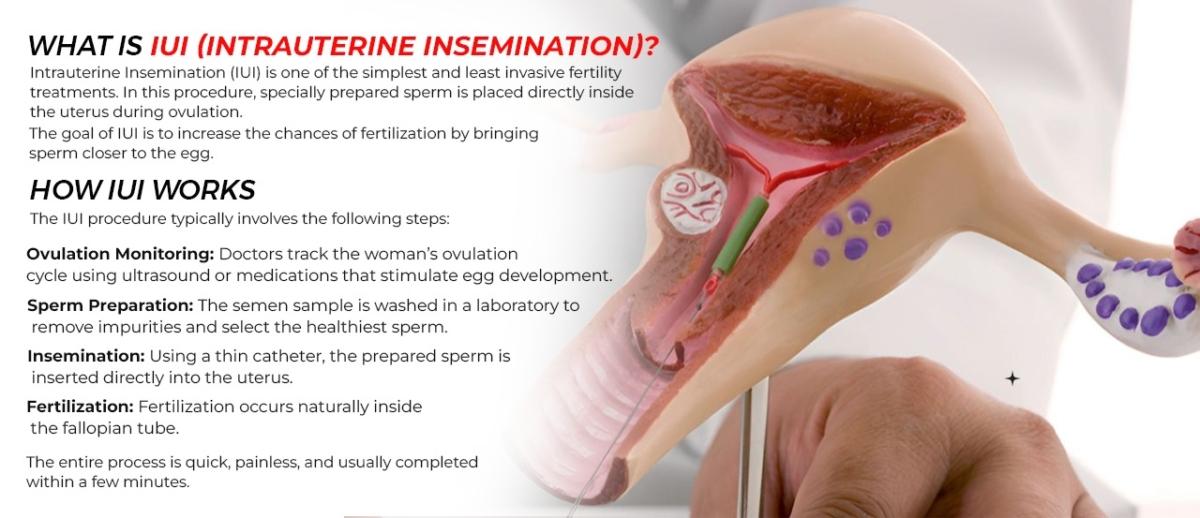
Intrauterine Insemination (IUI) is one of the simplest and least invasive fertility treatments. In this procedure, specially prepared sperm is placed directly inside the uterus during ovulation.
The goal of IUI is to increase the chances of fertilisation by bringing sperm closer to the egg.
How IUI Works
The IUI procedure typically involves the following steps:
- Ovulation Monitoring
Doctors track the woman’s ovulation cycle using ultrasound or medications that stimulate egg development. - Sperm Preparation
The semen sample is washed in a laboratory to remove impurities and select the healthiest sperm. - Insemination
Using a thin catheter, the prepared sperm is inserted directly into the uterus. - Fertilization
Fertilisation occurs naturally inside the fallopian tube.
The entire process is quick and painless, typically completed within a few minutes.
IUI Success Rates
The success rate of IUI depends on several factors, such as age, fertility condition, and overall reproductive health.
Typical success rates include:
- 10–20% per cycle for women under 35
- Lower success rates for women above 35
- Higher chances when fertility medications are used
Many doctors recommend trying 3–4 IUI cycles before moving to advanced treatments like IVF.
Pros and Cons of IUI
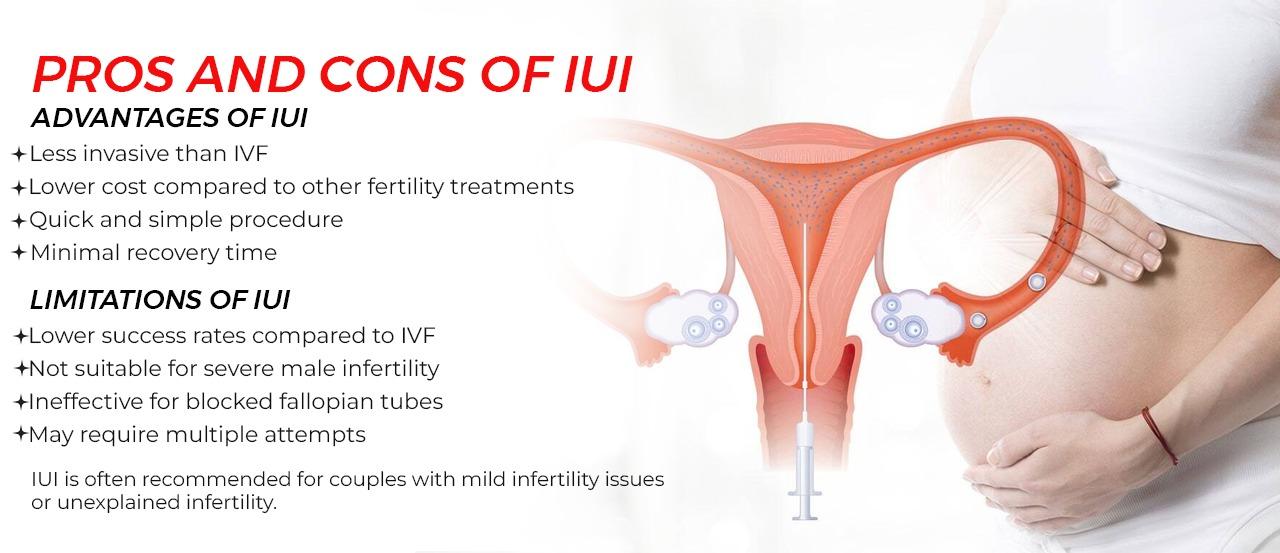
Advantages of IUI
- Less invasive than IVF
- Lower cost compared to other fertility treatments
- Quick and simple procedure
- Minimal recovery time
Limitations of IUI
- Lower success rates compared to IVF
- Not suitable for severe male infertility
- Ineffective for blocked fallopian tubes
- May require multiple attempts
IUI is often recommended for couples with mild infertility issues or unexplained infertility.
What Is IVF (In Vitro Fertilisation)?
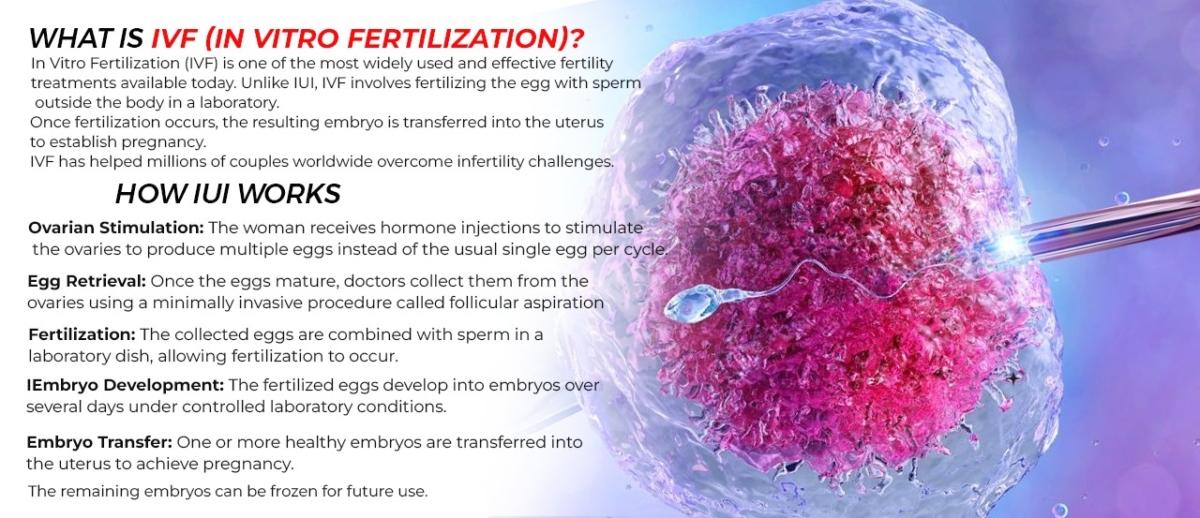
In Vitro Fertilisation (IVF) is one of the most widely used and effective fertility treatments available today. Unlike IUI, IVF involves fertilising the egg with sperm outside the body in a laboratory.
Once fertilisation occurs, the resulting embryo is transferred into the uterus to establish pregnancy.
IVF has helped millions of couples worldwide overcome infertility challenges.
How IVF Works
The IVF process typically involves several carefully monitored steps.
1. Ovarian Stimulation
The woman receives hormone injections to stimulate the ovaries to produce multiple eggs instead of the usual single egg per cycle.
2. Egg Retrieval
Once the eggs mature, doctors collect them from the ovaries using a minimally invasive procedure called follicular aspiration.
3. Fertilization
The collected eggs are combined with sperm in a laboratory dish, allowing fertilisation to occur.
4. Embryo Development
The fertilised eggs develop into embryos over several days under controlled laboratory conditions.
5. Embryo Transfer
One or more healthy embryos are transferred into the uterus to achieve pregnancy.
The remaining embryos can be frozen for future use.
IVF Success Rates
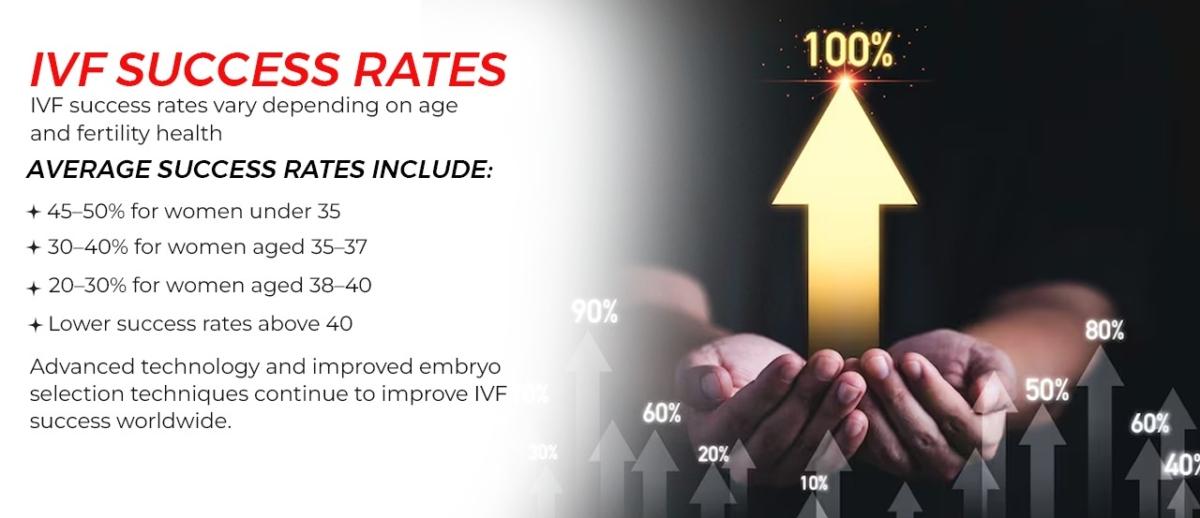
IVF success rates vary depending on age and fertility health.
Average success rates include:
- 45–50% for women under 35
- 30–40% for women aged 35–37
- 20–30% for women aged 38–40
- Lower success rates above 40
Advanced technology and improved embryo selection techniques continue to improve IVF success worldwide.
Pros and Cons of IVF
Advantages of IVF
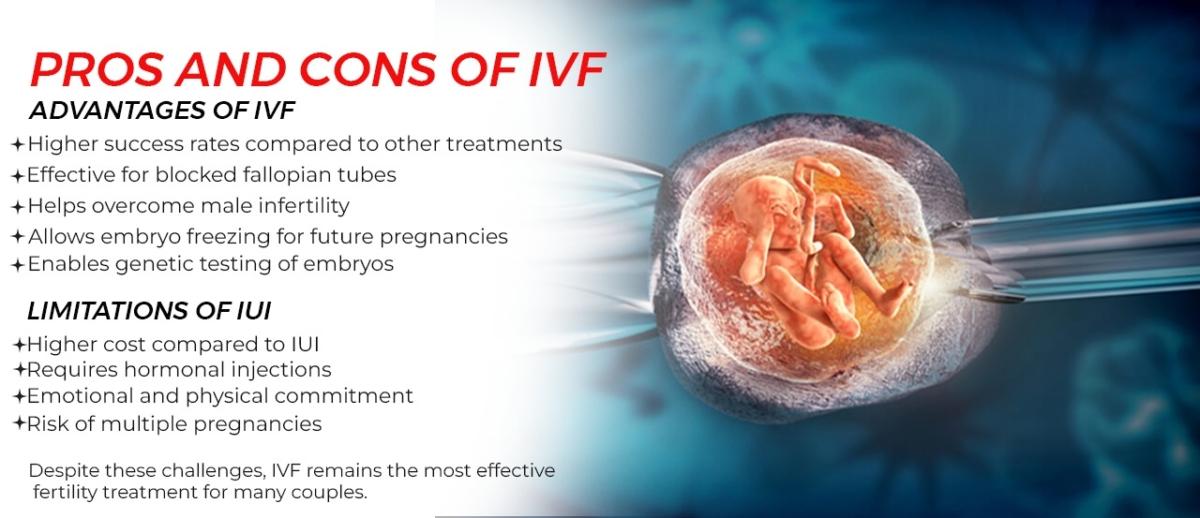
- Higher success rates compared to other treatments
- Effective for blocked fallopian tubes
- Helps overcome male infertility
- Allows embryo freezing for future pregnancies
- Enables genetic testing of embryos
Limitations of IVF
- Higher cost compared to IUI
- Requires hormonal injections
- Emotional and physical commitment
- Risk of multiple pregnancies
Despite these challenges, IVF remains the most effective fertility treatment for many couples.
What Is ICSI (Intracytoplasmic Sperm Injection)?
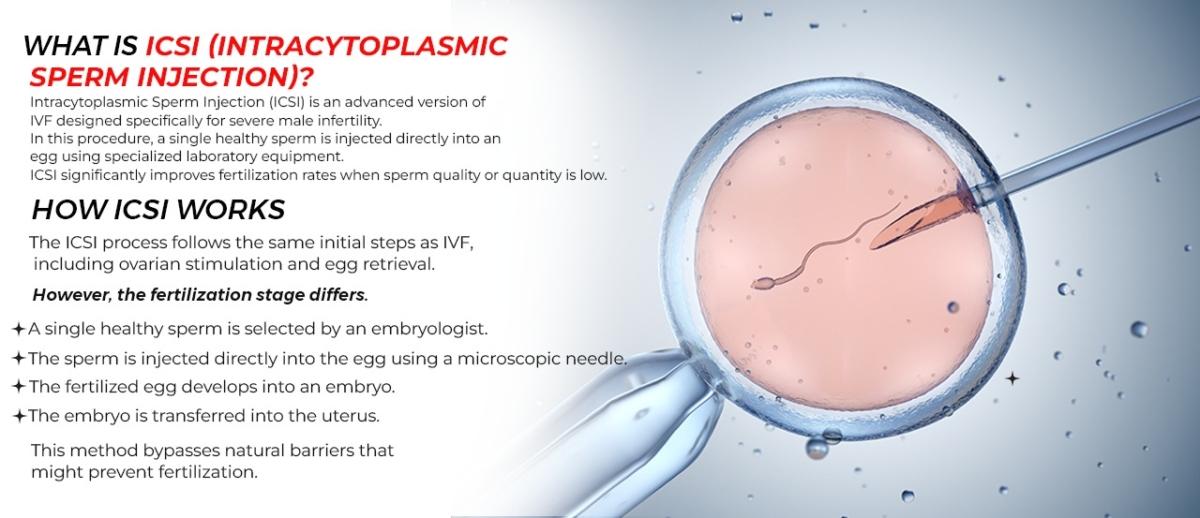
Intracytoplasmic Sperm Injection (ICSI) is an advanced version of IVF designed specifically for severe male infertility.
In this procedure, a single healthy sperm is injected directly into an egg using specialised laboratory equipment.
ICSI significantly improves fertilisation rates when sperm quality or quantity is low.
How ICSI Works
The ICSI process follows the same initial steps as IVF, including ovarian stimulation and egg retrieval.
However, the fertilisation stage differs.
- A single healthy sperm is selected by an embryologist.
- The sperm is injected directly into the egg using a microscopic needle.
- The fertilised egg develops into an embryo.
- The embryo is transferred into the uterus.
This method bypasses natural barriers that might prevent fertilisation.
ICSI Success Rates
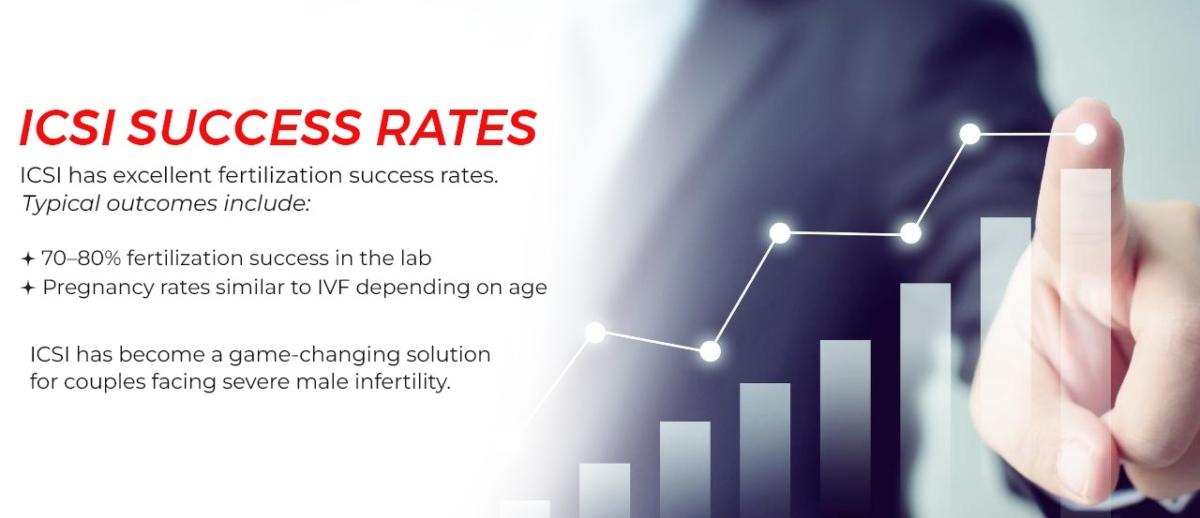
ICSI has excellent fertilisation success rates.
Typical outcomes include:
- 70–80% fertilization success in the lab
- Pregnancy rates similar to IVF, depending on age
ICSI has become a game-changing solution for couples facing severe male infertility.
Pros and Cons of ICSI
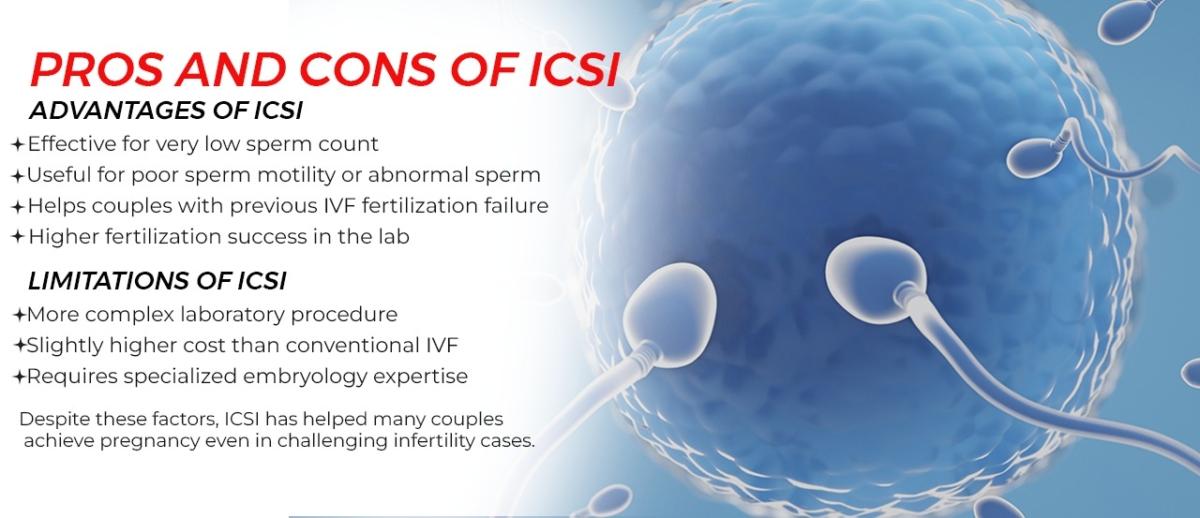
Advantages of ICSI
- Effective for a very low sperm count
- Useful for poor sperm motility or abnormal sperm
- Helps couples with previous IVF fertilisation failure
- Higher fertilisation success in the lab
Limitations of ICSI
- More complex laboratory procedure
- Slightly higher cost than conventional IVF
- Requires specialised embryology expertise
Despite these factors, ICSI has helped many couples achieve pregnancy even in challenging infertility cases.
How Doctors Choose the Right Treatment
Choosing the right infertility treatments depends on several factors, including:
- Age of the woman
- Cause of infertility
- Duration of infertility
- Previous treatment attempts
- Overall reproductive health
Doctors may recommend:
- IUI for mild infertility
- IVF for tubal issues or unexplained infertility
- ICSI for severe male infertility
A personalised treatment plan ensures the best possible chance of success.
Lifestyle Factors That Can Improve the Success of Infertility Treatments
While medical treatments play a key role, lifestyle choices can also impact fertility outcomes.
Couples preparing for fertility treatment should consider:
- Maintaining a healthy weight
- Eating a balanced, IVF diet Plan
- Avoiding smoking and alcohol
- Managing stress levels
- Getting regular sleep and exercise
Healthy habits support the body during fertility treatments and can improve overall reproductive health.
Emotional Aspects of Fertility Treatment
Fertility treatments can be emotionally intense for couples. The process often involves anticipation, hope, and sometimes disappointment.
It is important to:
- Seek emotional support
- Communicate openly with your partner
- Consider counselling if needed
- Stay informed and patient throughout the process
A supportive environment can make the fertility journey easier to navigate.
Conclusion
Understanding infertility treatment options such as IUI, IVF, and ICSI is an important step for couples who are planning their journey toward parenthood. Each treatment has its own advantages, success rates, and medical indications, which is why choosing the right fertility centre and expert guidance becomes crucial. With the right diagnosis, advanced technology, and a personalised treatment plan, many couples who struggle with infertility can successfully achieve pregnancy.
At Imprimis IVF, the focus is on providing comprehensive, patient-centred fertility care supported by modern reproductive technology and experienced fertility specialists. From detailed fertility evaluations to advanced procedures like IVF and ICSI, every step of the treatment process is designed to maximise success while ensuring comfort and transparency for patients. The clinic combines state-of-the-art embryology labs, personalised fertility protocols, and compassionate care to help couples navigate their fertility journey with confidence.
Whether you are considering IUI as a first step or advanced infertility treatments like IVF and ICSI, the fertility expert team at Imprimis IVF works closely with every patient to create a treatment plan tailored to their specific needs. With a commitment to clinical excellence and a deep understanding of the emotional aspects of infertility, Imprimis IVF strives to turn the dream of parenthood into reality for hopeful families.
Imprimis IVF Centre Branches: –
Best IVF Centre in Srinagar, Kashmir