
Recurrent Pregnancy Loss: Causes, Diagnosis & Treatment
Experiencing a miscarriage can be emotionally and physically difficult. While miscarriage is relatively common, recurrent pregnancy loss (RPL) requires medical evaluation to understand whether an underlying cause may be contributing to repeated pregnancy losses.
Recurrent pregnancy loss is a distinct reproductive health condition and is different from infertility. According to the latest American Society for Reproductive Medicine (ASRM) guidance, recurrent pregnancy loss is defined as two or more spontaneous pregnancy losses, excluding confirmed molar or ectopic pregnancies. The losses do not necessarily have to occur consecutively.
Many miscarriages, particularly those occurring early in pregnancy, are related to chromosomal abnormalities in the embryo. The likelihood of chromosomal abnormalities also increases with maternal age. However, recurrent pregnancy loss can have several possible causes, and sometimes no single cause is identified even after a detailed evaluation.
If you have experienced repeated miscarriages, consulting an experienced fertility specialist or obstetrician-gynaecologist can help determine whether further testing or treatment is appropriate.
What Is Recurrent Pregnancy Loss?
Recurrent pregnancy loss (RPL) refers to repeated spontaneous pregnancy losses.
Current ASRM guidance defines RPL as the spontaneous loss of two or more pregnancies, excluding confirmed molar and ectopic pregnancies. Pregnancy losses do not have to be consecutive for evaluation to be considered.
The term recurrent miscarriage is also commonly used. Older medical literature may use the term recurrent abortion, but “recurrent pregnancy loss” is generally preferred for patient-focused medical communication.
Recurrent pregnancy loss can be associated with genetic, anatomical, hormonal, metabolic, immune-related and other factors. In some couples, no clear cause is identified.
What Causes Recurrent Pregnancy Loss?
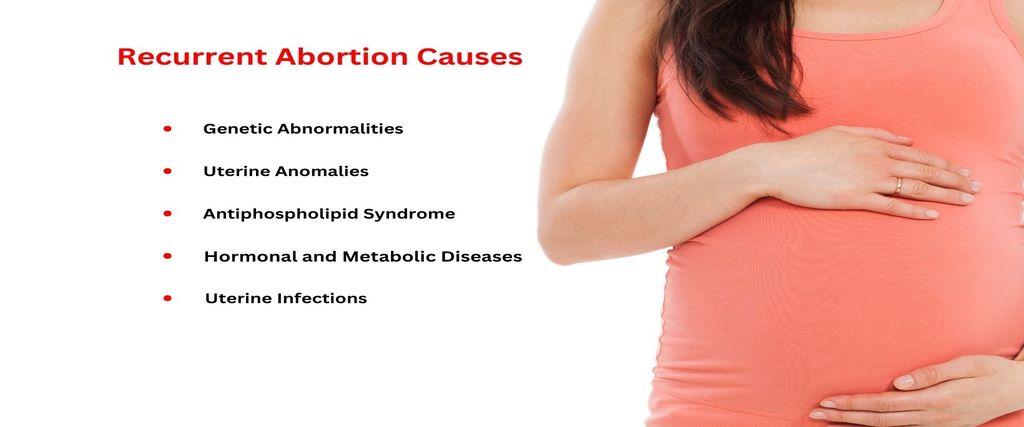
There is no single cause of recurrent miscarriage. A detailed evaluation may consider several factors involving the embryo, chromosomes, uterus, hormones, metabolism, and the health of both partners.
1. Chromosomal Abnormalities
Chromosomal abnormalities are an important cause of early pregnancy loss.
Approximately 50%–60% of first-trimester miscarriages are associated with embryonic aneuploidy, and the likelihood of aneuploidy is strongly influenced by maternal age.
Most chromosomal abnormalities occur sporadically during egg or embryo development. In some cases, however, chromosome abnormalities involving one of the parents may contribute to recurrent pregnancy loss.
When possible, chromosome testing of miscarriage tissue may provide useful information during recurrent pregnancy loss evaluation. The latest ASRM guidance recommends chromosome analysis of pregnancy-loss tissue, when feasible, as an important part of evaluation.
2. Uterine Abnormalities
Problems affecting the structure of the uterus may contribute to pregnancy loss in some women.
These may include:
- Uterine septum
- Certain congenital uterine anomalies
- Fibroids
- Endometrial polyps
- Intrauterine adhesions
Your fertility specialist may recommend imaging or other investigations based on your history and symptoms.
3. Antiphospholipid Syndrome
Antiphospholipid syndrome (APS) is an autoimmune condition associated with abnormal blood clotting and specific pregnancy complications.
APS is an established and potentially treatable cause of recurrent pregnancy loss. Testing may be recommended when a patient’s history suggests an increased risk.
Treatment for confirmed obstetric APS may include medications such as low-dose aspirin and heparin under specialist supervision. These medicines should not be started without medical advice. Current evidence does not support routinely prescribing aspirin or anticoagulants to everyone with recurrent pregnancy loss.
4. Thyroid and Metabolic Conditions
Certain medical conditions may be associated with pregnancy loss.
Depending on the individual’s history, evaluation may include conditions such as:
- Thyroid disease
- Diabetes
- Other metabolic disorders
The latest ASRM guidance supports targeted assessment for conditions such as thyroid disease and diabetes when clinically appropriate.
5. Age-Related Factors
Maternal age is an important factor in miscarriage risk because chromosomal abnormalities in eggs and embryos become more common with increasing age.
This does not mean that pregnancy after 35 is impossible or necessarily unsuccessful. However, age should be considered when evaluating recurrent pregnancy loss and planning future pregnancy.
6. Other Factors
Depending on the clinical history, doctors may also consider:
- Genetic factors
- Certain anatomical conditions
- Lifestyle factors
- Chronic medical conditions
- Previous pregnancy complications
Not every proposed cause of recurrent miscarriage has strong evidence. Current guidelines recommend targeted evaluation rather than routinely performing every available test.
Recurrent Pregnancy Loss Symptoms
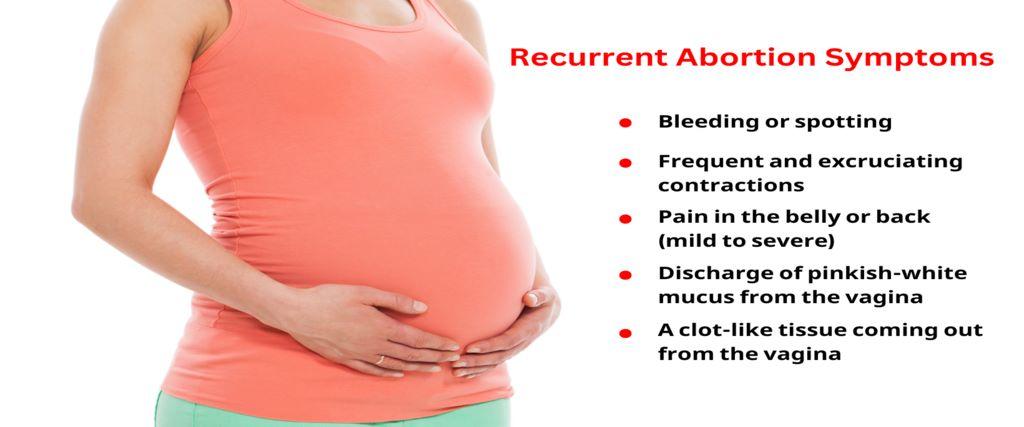
Recurrent pregnancy loss itself does not usually have a specific set of symptoms between pregnancies. The main concern is repeated pregnancy loss.
During an individual miscarriage, symptoms may include:
- Vaginal bleeding or spotting
- Lower abdominal or pelvic cramping
- Back pain
- Passing tissue or clots
- Decreasing pregnancy symptoms
However, these symptoms do not always mean that a miscarriage is occurring. Bleeding and abdominal pain during pregnancy can have several causes.
Seek urgent medical care if you experience heavy bleeding, severe abdominal or pelvic pain, dizziness, fainting, fever or other concerning symptoms during pregnancy.
When Should You See a Doctor for Recurrent Miscarriage?
If you have experienced two or more pregnancy losses, it is reasonable to discuss recurrent pregnancy loss evaluation with a qualified obstetrician-gynaecologist or fertility specialist. Current ASRM guidance recognises RPL after two spontaneous pregnancy losses.
You should especially seek specialist advice if:
- You have had two or more miscarriages.
- You have experienced a second-trimester pregnancy loss.
- You have irregular menstrual cycles.
- You have a known uterine abnormality.
- You have a history suggesting autoimmune or metabolic disease.
- You or your partner has a known genetic condition.
- You have been trying to conceive again after repeated pregnancy loss.
Tests for Recurrent Pregnancy Loss
There is no single test that can identify every cause of recurrent pregnancy loss.
Your doctor may recommend targeted investigations based on your pregnancy history, age, previous test results and other health factors.
Common Tests
Depending on the individual situation, evaluation may include:
Genetic Testing
Chromosome testing of pregnancy-loss tissue can help determine whether a chromosomal abnormality contributed to the miscarriage.
In selected cases, parental genetic testing may also be considered.
Uterine Evaluation
Tests used to assess the uterus may include:
- Pelvic ultrasound
- Transvaginal ultrasound
- Saline infusion sonography
- Hysterosalpingography (HSG)
- Hysteroscopy
- MRI in selected cases
The appropriate test depends on the suspected condition.
Antiphospholipid Antibody Testing
Testing for antiphospholipid syndrome may be recommended when clinically appropriate.
Thyroid and Metabolic Assessment
Your doctor may recommend blood tests to assess thyroid function, diabetes or other metabolic conditions depending on your medical history.
Evaluation of Other Health Factors
A detailed medical, reproductive and family history can help determine whether additional investigations are required.
Can Recurrent Pregnancy Loss Be Prevented?
There is no guaranteed way to prevent every miscarriage because many early pregnancy losses are caused by chromosomal abnormalities that occur during embryo development.
However, addressing treatable medical conditions and maintaining good preconception health may support a healthy pregnancy.
Steps That May Support a Healthy Pregnancy
Maintain a Healthy Lifestyle
Aim for a balanced diet, regular physical activity and a healthy weight appropriate for your individual circumstances.
Avoid Smoking and Tobacco
Smoking is associated with adverse reproductive and pregnancy outcomes. Avoid tobacco and exposure to tobacco smoke when planning pregnancy.
Avoid Alcohol During Pregnancy
Alcohol should be avoided during pregnancy.
Review Medications Before Pregnancy
Speak with your doctor before starting, stopping or changing any medication while trying to conceive or during pregnancy.
Manage Existing Health Conditions
Conditions such as diabetes and thyroid disease should be appropriately evaluated and managed before and during pregnancy.
Take Recommended Prenatal Supplements
Your doctor may recommend folic acid and other prenatal supplements based on your individual needs.
Attend Preconception Care
A preconception consultation can help identify medical or reproductive factors that may need attention before another pregnancy.
Recurrent Pregnancy Loss Treatment
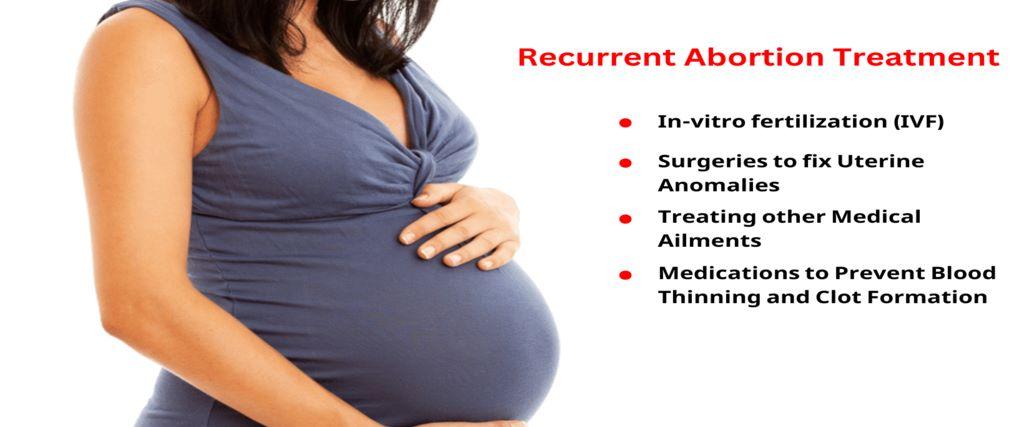
Treatment for Recurrent Miscarriage depends on the underlying cause.
There is no single treatment that works for every couple.
After evaluation, treatment may involve:
- Management of thyroid or metabolic conditions
- Treatment of confirmed antiphospholipid syndrome
- Treatment of certain uterine abnormalities
- Genetic counselling
- Fertility treatment where appropriate
- Psychological and emotional support
Current guidelines emphasise evidence-based, targeted treatment and caution against the routine use of tests or therapies that have not demonstrated clear benefit.
Treatment for Uterine Abnormalities
If a uterine abnormality is identified and is considered relevant to the pregnancy losses, treatment may sometimes be recommended.
Depending on the condition, treatment can include procedures such as hysteroscopic surgery.
For example, a uterine septum may be treated surgically in selected patients after appropriate evaluation and counselling.
The decision to operate should be individualised rather than based solely on an ultrasound finding.
Treatment for Antiphospholipid Syndrome
Women with confirmed obstetric antiphospholipid syndrome may benefit from specific treatment during pregnancy.
Depending on the clinical situation, a specialist may prescribe low-dose aspirin and heparin or another appropriate anticoagulant.
These medications are not appropriate for everyone with recurrent miscarriage or for people without a confirmed indication. They can have important side effects and should only be used under medical supervision.
Can IVF Help With Recurrent Pregnancy Loss?
IVF is not automatically required for Recurrent Miscarriage
Many couples with recurrent pregnancy loss can achieve a successful pregnancy without IVF, depending on the cause, age and other fertility factors.
However, IVF may be considered when there is another indication for assisted reproductive treatment or in selected couples where genetic factors are relevant.
IVF allows eggs to be fertilised in the laboratory and embryos to be transferred to the uterus.
IVF and Genetic Testing
In selected cases, preimplantation genetic testing (PGT) may be discussed when there is a known genetic or chromosomal indication.
However, PGT is not a universal treatment for recurrent pregnancy loss. The benefits, limitations, cost and possibility of obtaining a suitable embryo should be discussed with a fertility specialist.
Current ASRM guidance notes that evidence concerning PGT-A in recurrent pregnancy loss is still nuanced, and treatment should be individualised rather than offered routinely to every patient with RPL.
Chances of a Successful Pregnancy
Experiencing recurrent miscarriage does not mean that a future healthy pregnancy is impossible.
The outcome depends on several factors, including:
- Maternal age
- Number and timing of previous pregnancy losses
- Chromosomal findings
- Underlying medical conditions
- Uterine factors
- Whether a treatable cause is identified
Importantly, many cases remain unexplained even after evaluation. The latest ASRM guidance reports that 50%–80% of patients with unexplained recurrent pregnancy loss may go on to have a successful pregnancy, depending on individual circumstances.
Your individual prognosis should be discussed with your fertility specialist rather than estimated from a general percentage.
Emotional Support After Recurrent Miscarriage
Recurrent Miscarriage can be emotionally challenging for both partners.
Feelings of sadness, anxiety, grief, frustration or fear during a subsequent pregnancy are understandable.
Psychological support and counselling are an important part of recurrent pregnancy loss care. Current ASRM guidance specifically recommends emotional support for patients and couples experiencing RPL.
Seeking professional support does not mean that your concerns are being dismissed. Emotional wellbeing is an important part of reproductive healthcare.
Recurrent Pregnancy Loss Treatment in Srinagar
If you are looking for recurrent pregnancy loss treatment in Srinagar, an evaluation by a fertility specialist can help identify possible causes and determine whether further investigations or treatment are appropriate.
At Imprimis IVF & Fertility Centre, Srinagar, couples can seek fertility evaluation and discuss recurrent miscarriage, infertility and available fertility treatment options.
The centre provides fertility-related services including infertility evaluation, IUI and IVF treatment.
Clinic Information
Imprimis IVF & Fertility Centre, Srinagar
2nd Floor, S R Plaza, Hyderpora Flyover, Hyderpora, Srinagar, Jammu & Kashmir – 190014
Phone: +91 9650777084 / +91 9797756111
If you have experienced repeated miscarriages, consult a qualified fertility specialist before starting medicines or fertility treatment on your own.
Frequently Asked Questions
What is recurrent pregnancy loss?
Recurrent pregnancy loss is generally defined as two or more spontaneous pregnancy losses. Current ASRM guidance does not require the losses to be consecutive.
Is recurrent abortion the same as recurrent miscarriage?
The terms may be used to describe repeated pregnancy loss, but recurrent pregnancy loss (RPL) is the preferred modern clinical terminology for patient education.
How many miscarriages are considered recurrent pregnancy loss?
Current ASRM guidance defines recurrent pregnancy loss as two or more spontaneous pregnancy losses.
What is the most common cause of recurrent miscarriage?
Chromosomal abnormalities are a major cause of early pregnancy loss. However, recurrent pregnancy loss can have several possible causes, and some cases remain unexplained.
Can PCOS cause recurrent miscarriage?
PCOS may be associated with certain reproductive and metabolic risks, but recurrent pregnancy loss should not automatically be attributed to PCOS. A proper medical evaluation is needed to identify possible contributing factors.
Can thyroid problems cause recurrent miscarriage?
Thyroid disorders can affect reproductive and pregnancy health. Appropriate thyroid assessment may be part of the evaluation of recurrent pregnancy loss when clinically indicated.
Can recurrent pregnancy loss be treated?
Yes, in some cases an underlying cause can be identified and treated. However, there is no single treatment for all cases of recurrent pregnancy loss.
Is IVF necessary after recurrent miscarriage?
No. IVF is not automatically required after recurrent miscarriage. It may be considered when there is another indication for IVF or in selected situations involving genetic or fertility factors.
Can IVF prevent miscarriage?
IVF cannot guarantee that miscarriage will be prevented. In selected cases, IVF with appropriate genetic testing may be discussed, but it is not a universal treatment.
Should I take aspirin or heparin after repeated miscarriages?
Do not start aspirin or heparin without medical advice. These medications may be appropriate for selected patients, particularly those with confirmed antiphospholipid syndrome, but they are not routinely recommended for everyone.
Can I have a healthy pregnancy after recurrent miscarriage?
Yes. Many people with recurrent pregnancy loss subsequently have a successful pregnancy. Your individual chances depend on factors such as age, medical history, previous pregnancy losses and whether an underlying cause is identified.
Take the Next Step After Recurrent Pregnancy Loss
Experiencing repeated pregnancy loss can be difficult, but it does not mean that a successful pregnancy is impossible.
The right approach is to identify possible causes, treat conditions that can be addressed and develop an individualised pregnancy or fertility plan.
If you have experienced two or more pregnancy losses, consider speaking with a qualified fertility specialist or obstetrician-gynaecologist for appropriate evaluation.
Imprimis IVF & Fertility Centre, Srinagar
2nd Floor, S R Plaza, Hyderpora Flyover, Hyderpora, Srinagar, Jammu & Kashmir – 190014
Phone: +91 9650777084 / +91 979775611
Medical Reviewer: Imprimis IVF & Fertility Centre Team
Last Updated: September 19, 2026